11 Best Cities to Live in the U.S.
Choosing where to live is rarely about one factor. For many couples, the decision blends career options, cost of living, safety, lifestyle, and how daily life will actually feel once the move is complete. A city may look appealing on paper but function very differently in practice.
The best cities tend to balance opportunity with livability. Commutes are manageable. Neighborhoods feel distinct and accessible. Access to healthcare, recreation, and community spaces shapes routines in ways that matter long after the excitement of a move fades. These are places where work and personal life can realistically coexist.
What works for one couple may not work for another. Some prioritize walkability and cultural depth. Others focus on affordability, outdoor access, or strong job markets. Understanding those tradeoffs helps narrow choices before relocation costs and logistics enter the picture.
We have evaluated cities based on stability, growth, quality of life indicators, and everyday practicality. This list highlights 11 of the best cities to live in the U.S., focusing on places that consistently support long-term planning and offer a strong foundation for couples building their next chapter.

Austin
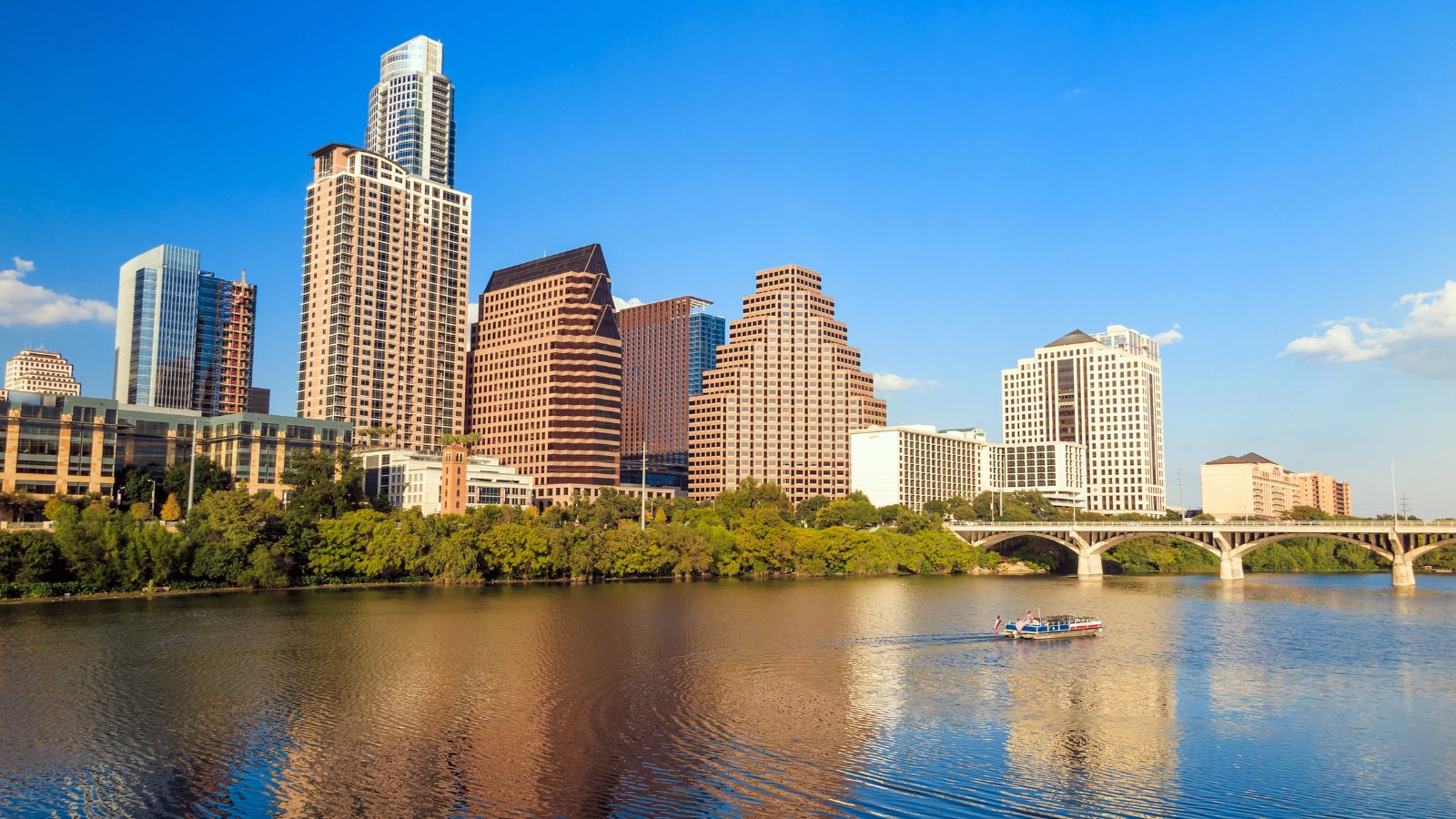
Austin combines job growth with a strong outdoor culture. The tech sector anchors much of its economy, while parks, trails, and lakes shape daily routines. Neighborhoods vary widely, giving residents options between urban density and quieter suburban streets. While housing costs have risen, income opportunities remain strong compared to many peer cities. The city’s layout supports an active lifestyle, with green space integrated into daily life.
Takeaway: Austin works best for residents who value career growth and regular access to outdoor space.
Seattle
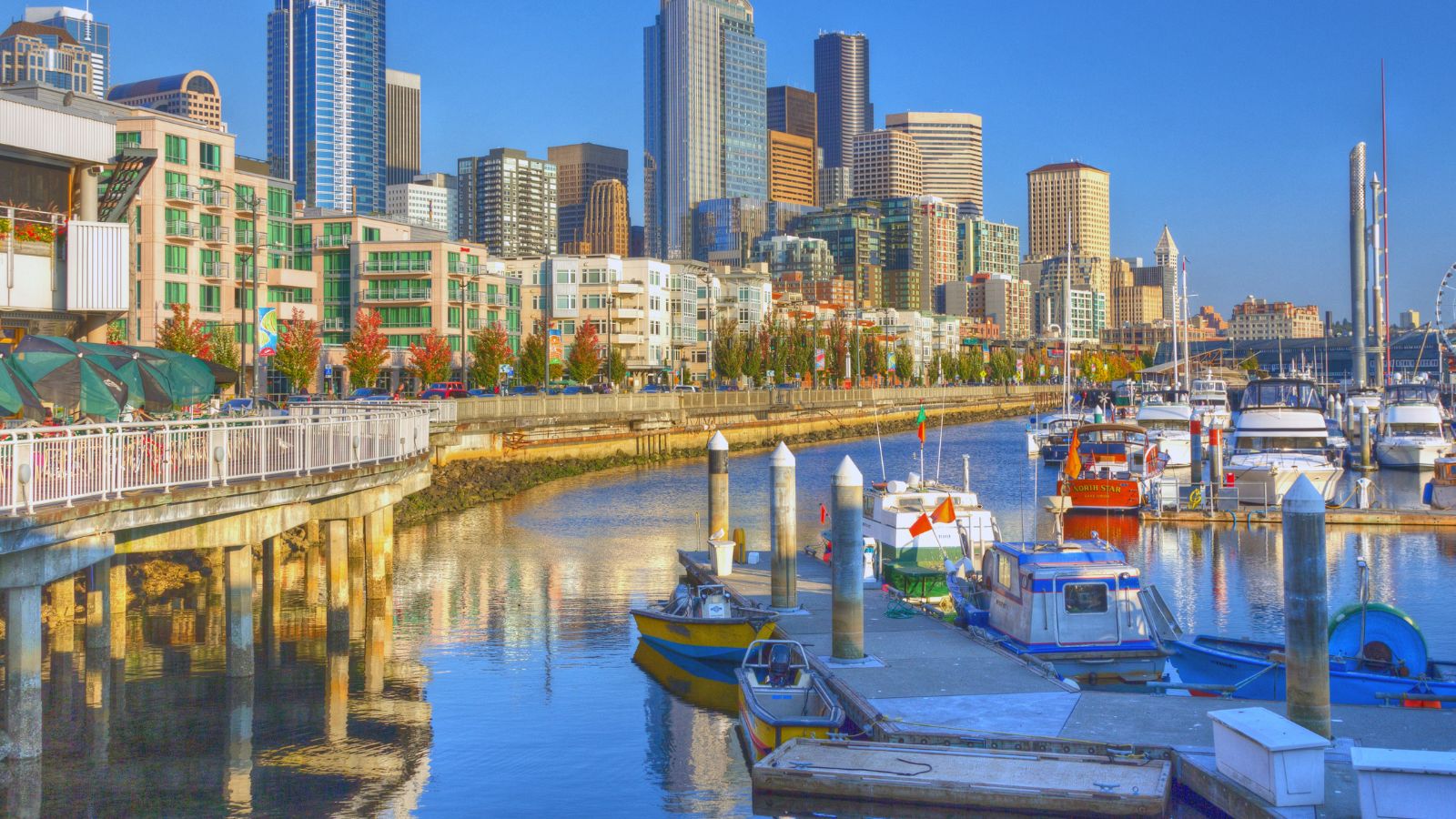
Seattle balances a powerful job market with proximity to water and mountains. Major employers anchor stability, while neighborhoods offer distinct identities and walkability. Public transportation continues to expand, easing daily commutes in core areas. The cost of living is high, but wages often reflect that reality. Outdoor access remains central, from waterfront paths to weekend mountain drives.
Takeaway: Seattle suits residents who prioritize career opportunities and year-round access to nature.
Denver

Denver attracts residents with a mix of urban amenities and mountain access. The city supports an active lifestyle, with trails, parks, and ski destinations within reach. A growing economy and steady population growth shape the housing market, which can be competitive. Neighborhoods range from walkable downtown districts to quieter residential zones.
Takeaway: Denver appeals most to residents who want city structure with immediate outdoor recreation.
Raleigh

Raleigh offers steady job growth, especially in research and technology, while maintaining a moderate pace of life. Tree-lined neighborhoods, expanding infrastructure, and lower housing costs compared to larger metros draw families and young professionals. The city continues to grow without losing its manageable scale.
Takeaway: Raleigh works well for residents seeking career stability and a balanced, less crowded environment.
Minneapolis

Minneapolis combines strong public services with access to lakes and green space. The city invests in parks, bike paths, and community amenities, creating daily opportunities for outdoor activity. Winters are long, but infrastructure supports year-round living. Housing remains more attainable than many coastal cities, and cultural institutions add depth to everyday life.
Takeaway: Minneapolis suits residents who value community infrastructure and four-season living.
Madison
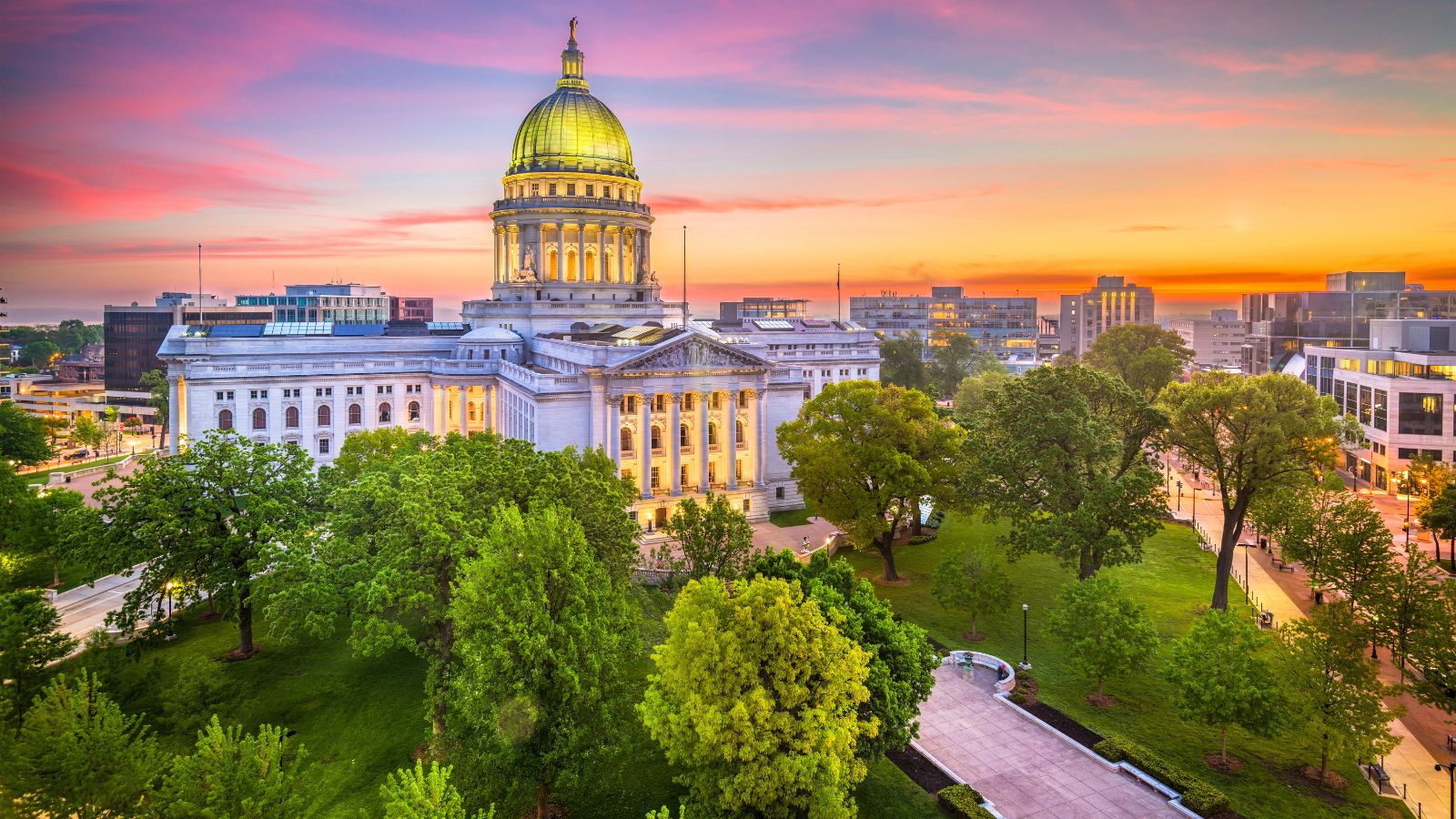
Madison blends a strong public university presence with a manageable city size. Lakes surround much of the downtown area, creating built-in access to walking and biking paths. Public services and schools consistently rank well, and civic engagement shapes local culture. The job market leans on education, healthcare, and government, which adds stability. Winters are cold, but infrastructure supports year-round living.
Takeaway: Madison works best for residents who value community investment, outdoor access, and a steady employment base.
Boise
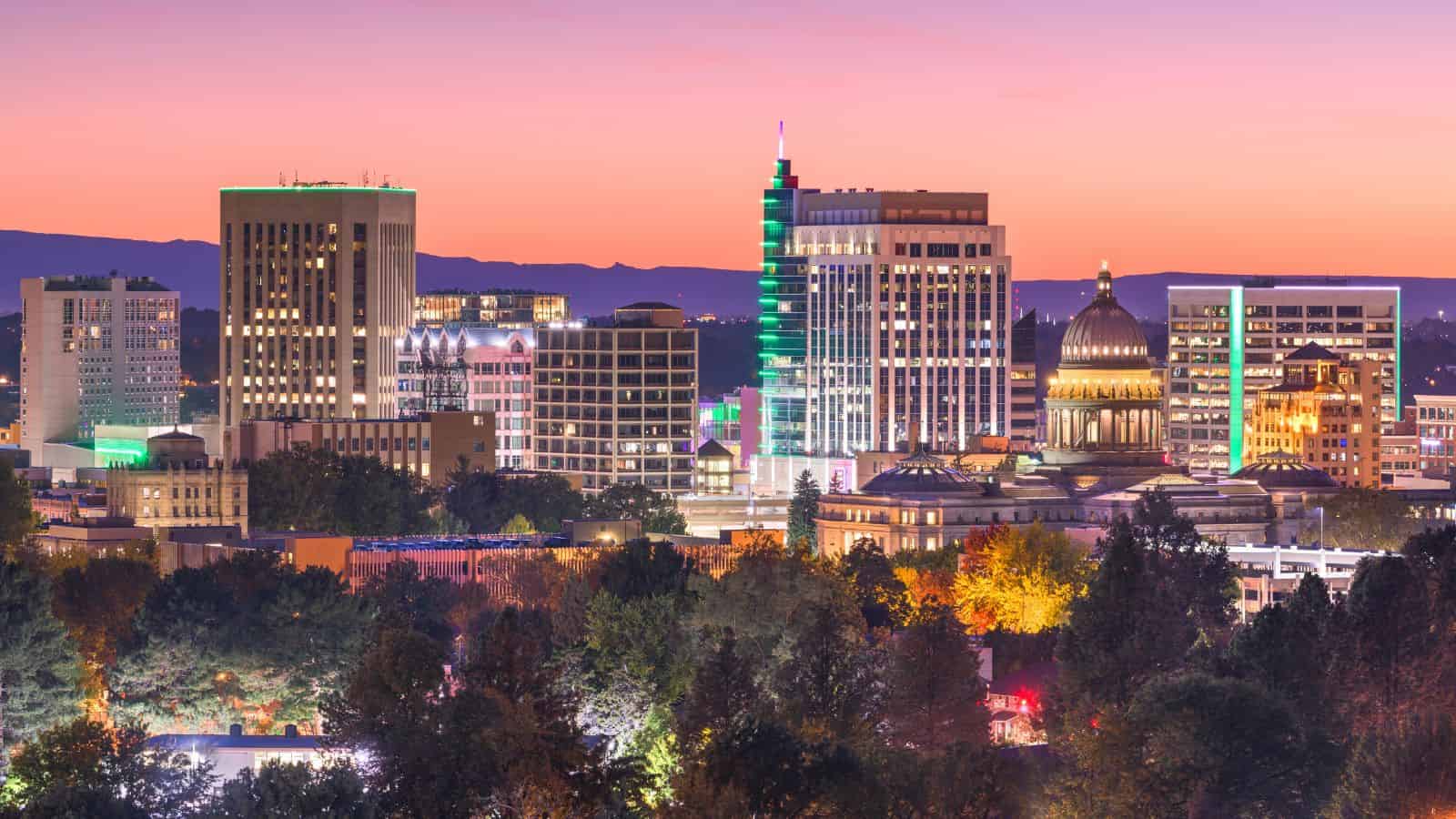
Boise appeals to residents seeking space and access to nature without the scale of a major metro. The Boise River Greenbelt connects neighborhoods through walking and biking paths, while foothills sit close to downtown. Growth has increased housing costs, but daily life remains less congested than larger cities. The job market continues to diversify beyond traditional industries.
Takeaway: Boise suits residents who want outdoor access and a smaller urban footprint.
Nashville
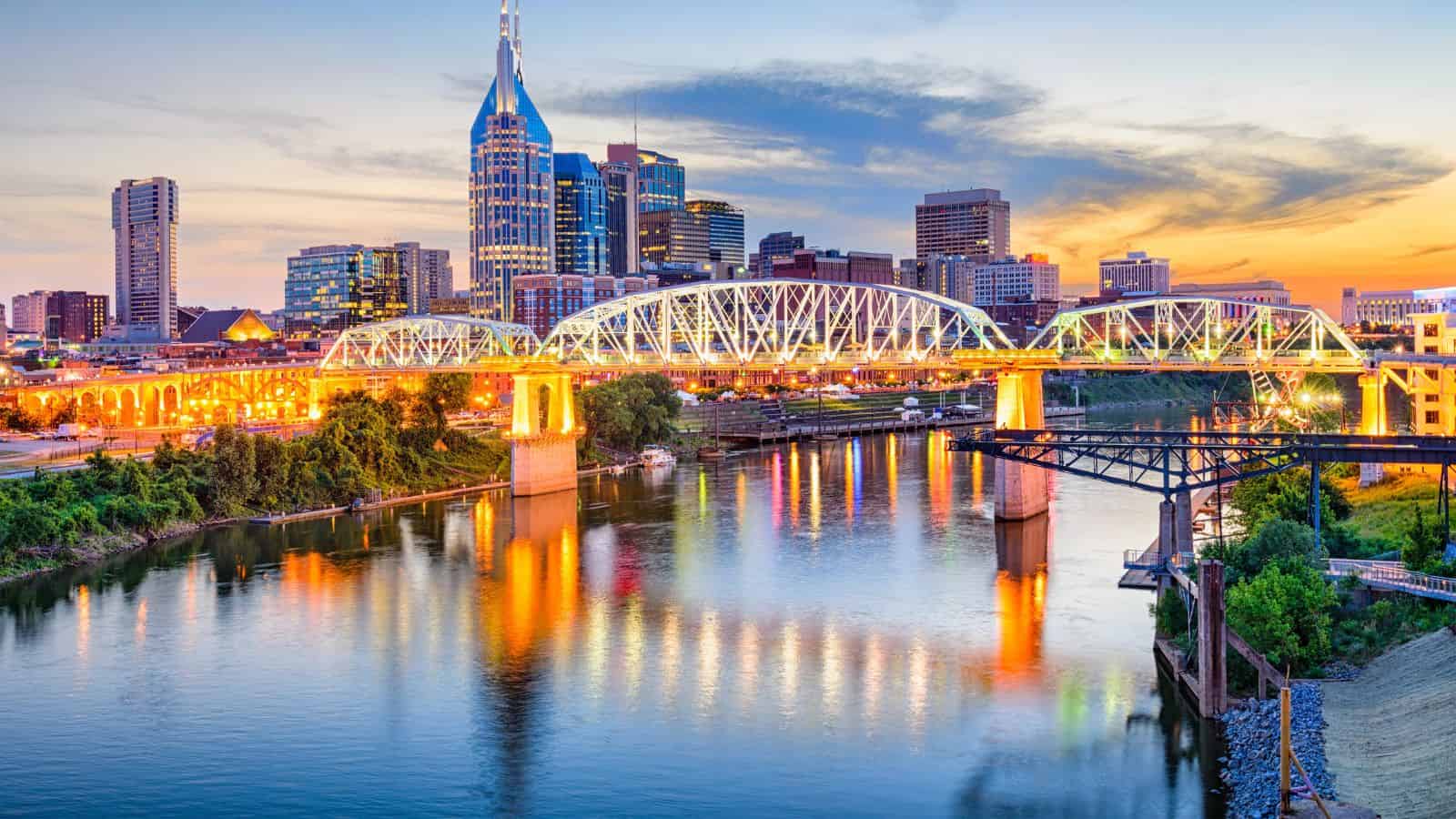
Nashville’s economy stretches beyond entertainment into healthcare, education, and business services. Neighborhoods vary widely in pace and price, offering both urban density and quieter residential zones. Cultural life remains active, but daily living does not require participation in the tourism core. Infrastructure continues to expand as the population grows.
Takeaway: Nashville fits residents who want economic momentum paired with distinct neighborhood identities.
San Diego

San Diego offers stable weather, coastal access, and diverse neighborhoods. Beaches, parks, and waterfront paths shape daily routines. The job market spans biotech, defense, tourism, and education. Housing costs are high, but quality-of-life factors draw long-term residents. Public transit is limited compared to denser cities, making car ownership common.
Takeaway: San Diego works best for residents who prioritize climate and coastal living despite higher housing costs.
Boston
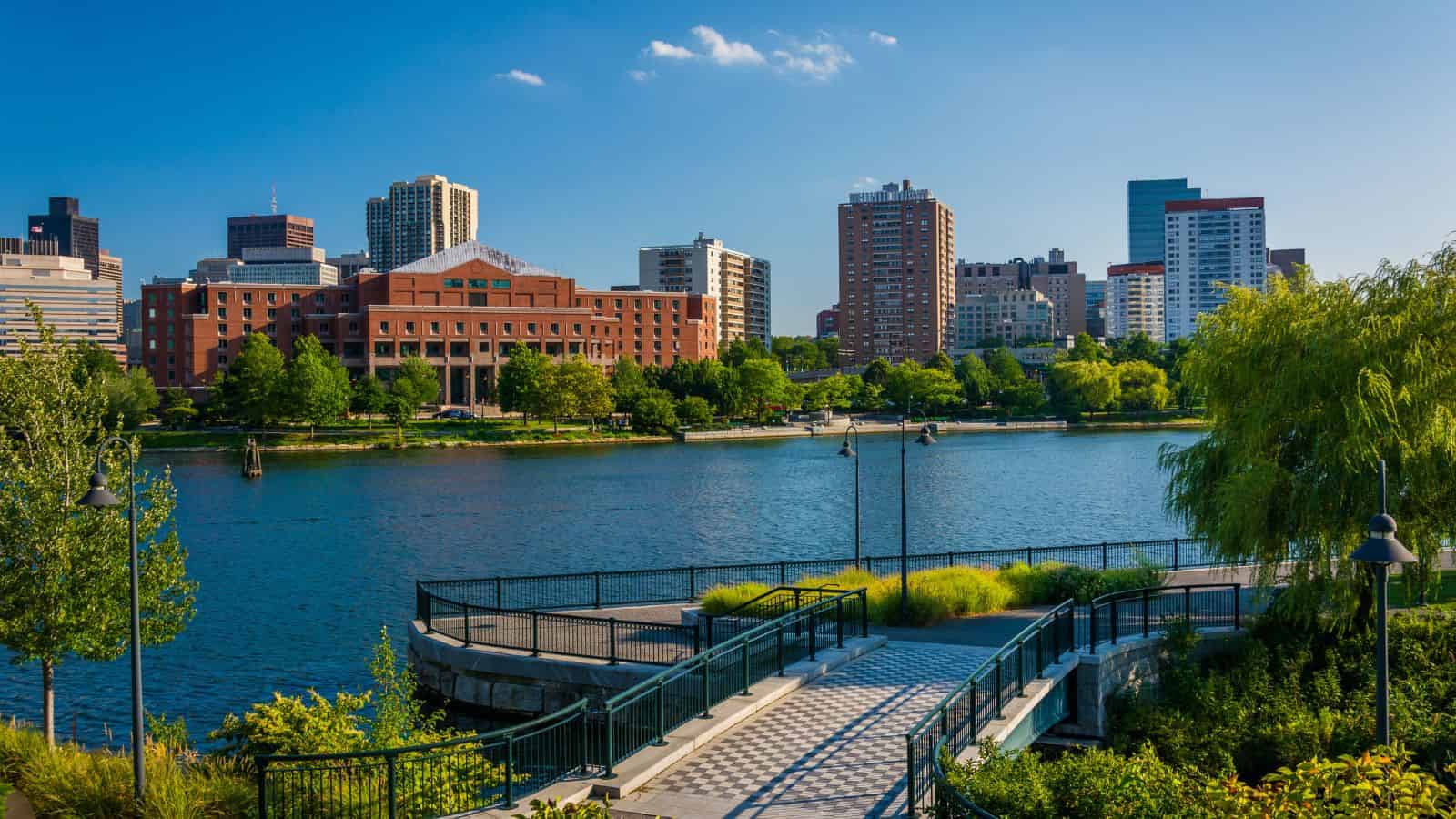
Boston combines historic neighborhoods with a strong economy centered on education, healthcare, and technology. Walkability and public transportation reduce reliance on cars in many areas. Housing costs remain high, but wages often reflect the professional job base. Cultural institutions and universities shape daily life year-round.
Takeaway: Boston suits residents who value walkability, public transit, and access to established industries.
Charlotte
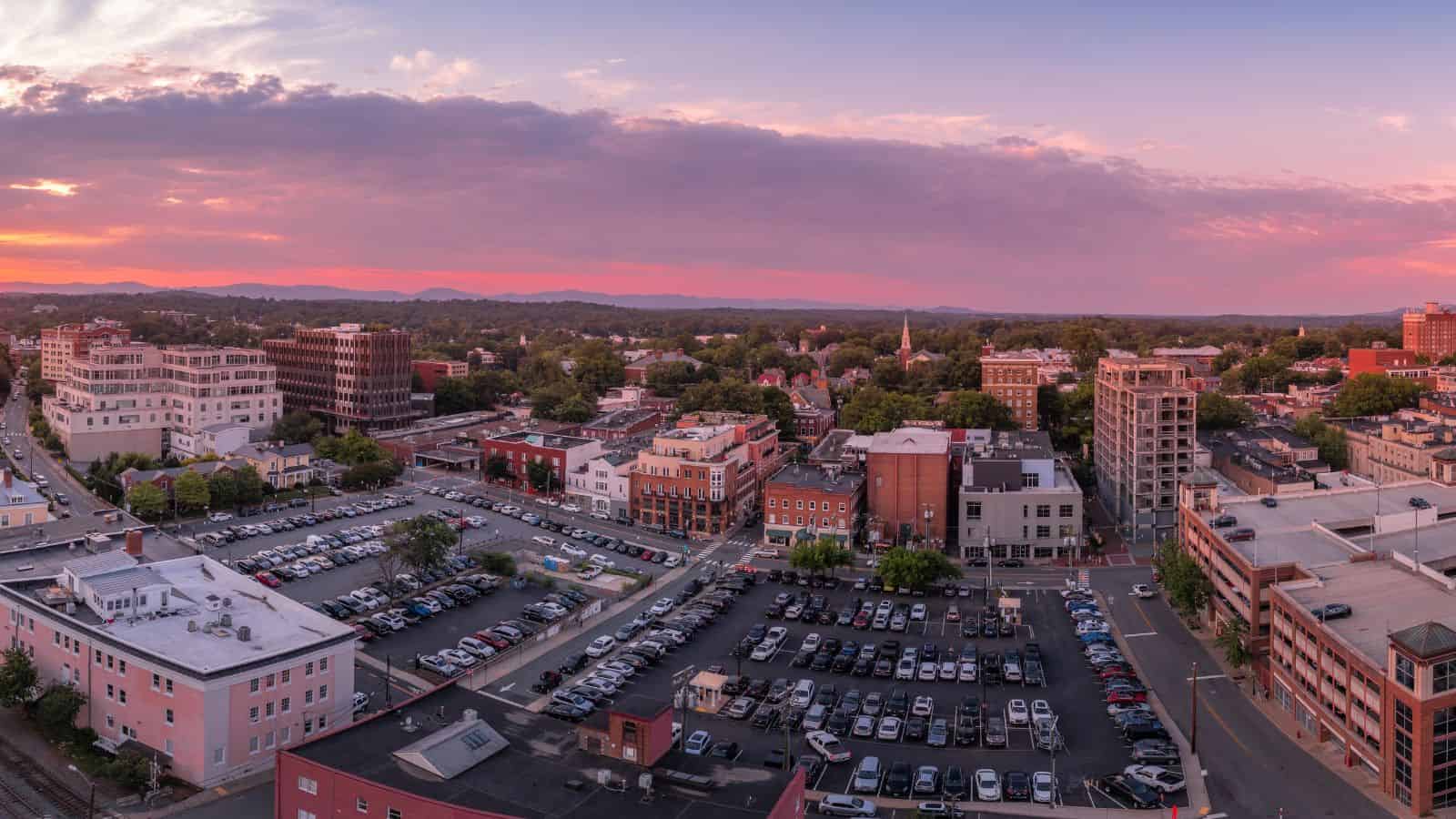
Charlotte has grown into a major financial hub while maintaining a suburban feel in many neighborhoods. New development continues to expand housing options, and job growth remains steady. Commutes are generally manageable compared to larger metros. The city balances urban amenities with access to nearby lakes and greenways.
Takeaway: Charlotte appeals to residents seeking job growth in a city that still feels approachable in scale.
10 Couple Vacation Spots Travelers Say Are Overrated

Some vacation spots are constantly praised as perfect for couples. They fill social feeds and travel lists year after year. But popularity does not always equal a great experience. We help couples plan trips that feel relaxing, meaningful, and worth the effort. Many well known couple destinations come with crowds, high prices, and experiences that fall short of expectations. What sounds dreamy on paper can feel disappointing in reality.
Learn more here: 10 Couple Vacation Spots Travelers Say Are Overrated
9 ‘Romantic’ Destinations That Lost Their Charm

Some destinations are known for romance. They show up on honeymoon lists and anniversary plans again and again. But not all of them feel as magical once you arrive. We help couples plan trips that live up to their expectations. Over time, some once romantic places have changed. Crowds grew. Prices climbed. The atmosphere shifted. What felt intimate years ago can now feel rushed or overdone.
Learn more here: 9 ‘Romantic’ Destinations That Lost Their Charm
