What Travelers Should Know Before Visiting Deeply Religious Destinations
Some destinations are built around beaches, food, or nightlife. Others are shaped by faith. In deeply religious cities and countries, belief is not confined to specific buildings, it influences daily rhythm, public behavior, dress standards, and even business hours. Travelers who understand this before arrival tend to experience fewer misunderstandings and more meaningful interactions.
The first thing to recognize is that religion may guide public life, not just private worship. In places such as Mecca or Vatican City, faith is central to identity and governance. Even in destinations that welcome tourists broadly, religious observance can shape expectations in subtle but important ways. Assuming that cultural norms mirror those at home often leads to friction.
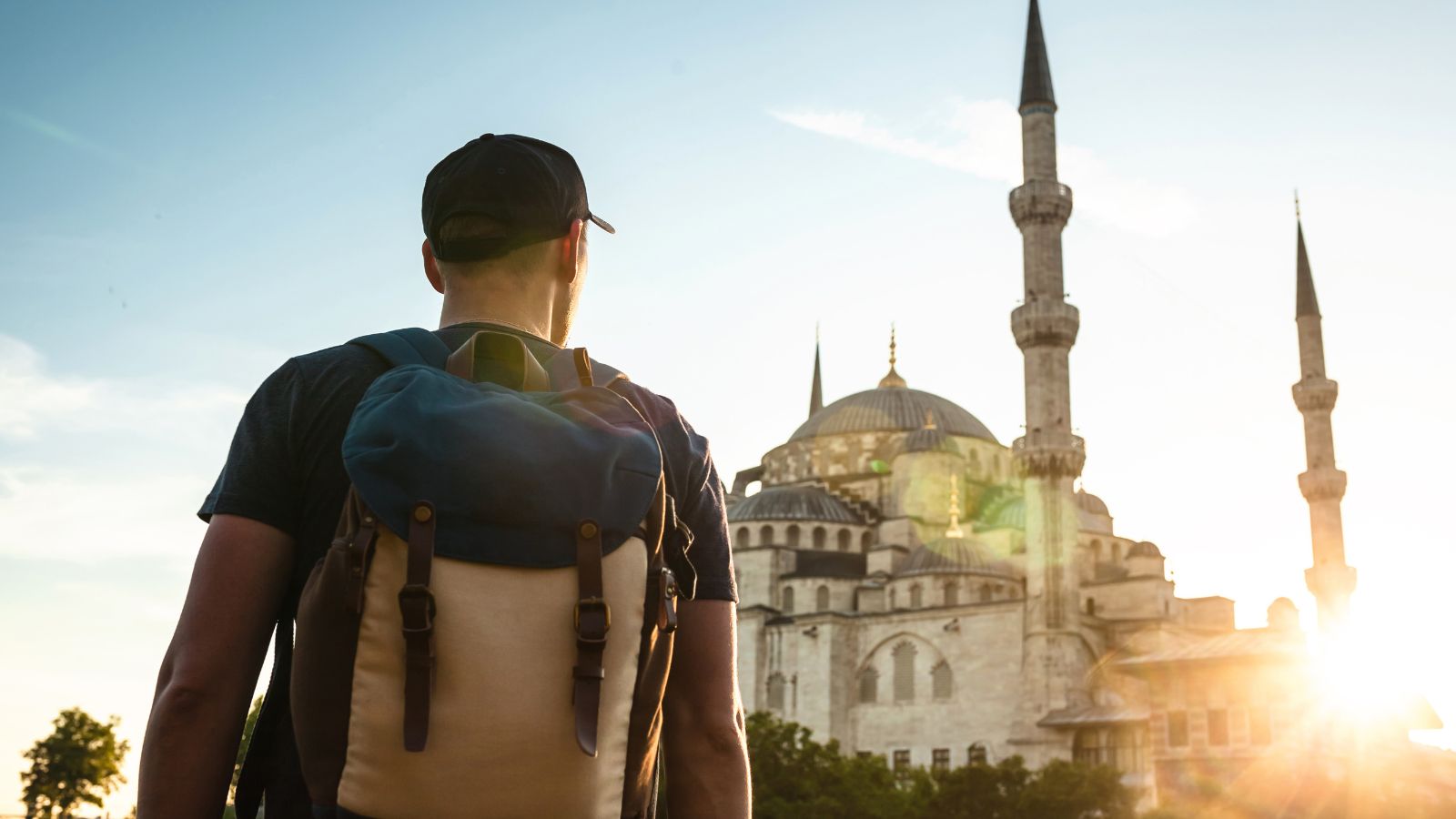
Dress is one of the most visible differences. Many sacred sites require covered shoulders, longer hemlines, or head coverings. In cities like Jerusalem or Varanasi, modest attire is seen as a sign of respect rather than restriction. Travelers don’t need to abandon personal style, but adapting to local standards especially in places of worship that demonstrates awareness and courtesy.
Behavior matters just as much as clothing. Loud conversations, public displays of affection, or casual photography can be inappropriate in sacred settings. In some temples and mosques, photography may be restricted entirely. Observing how locals behave before acting is often the safest approach.
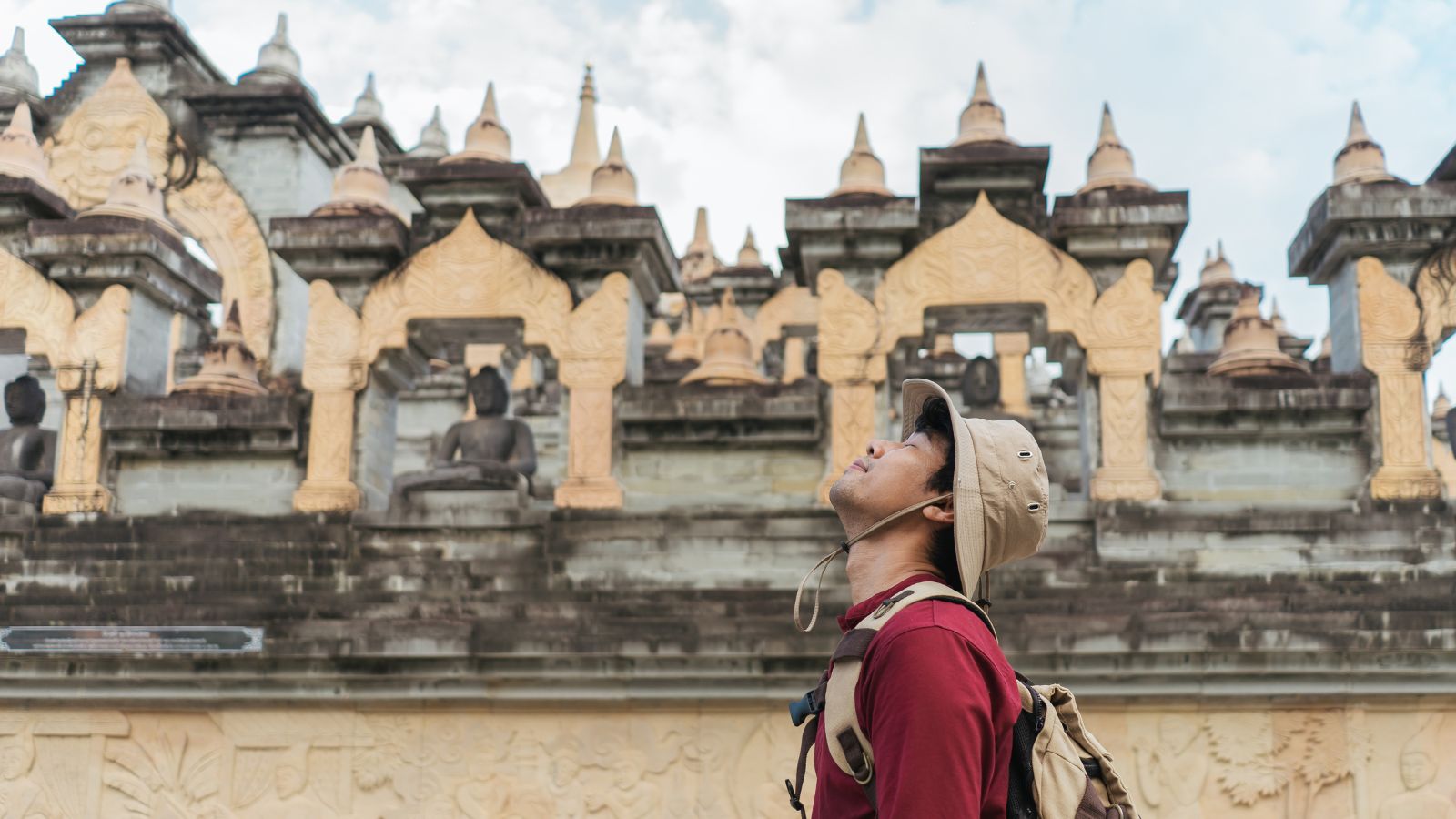
Timing is another key consideration. Religious holidays, prayer times, and fasting periods can affect transportation, restaurant hours, and attraction access. During Ramadan in predominantly Muslim countries, for example, daytime dining may be limited in certain areas. Planning with awareness prevents confusion and shows sensitivity.
It’s also important to understand access restrictions. Certain religious sites may limit entry based on faith, gender, or specific observances. These policies are typically rooted in tradition rather than exclusionary intent. Researching guidelines in advance avoids uncomfortable situations at the entrance.
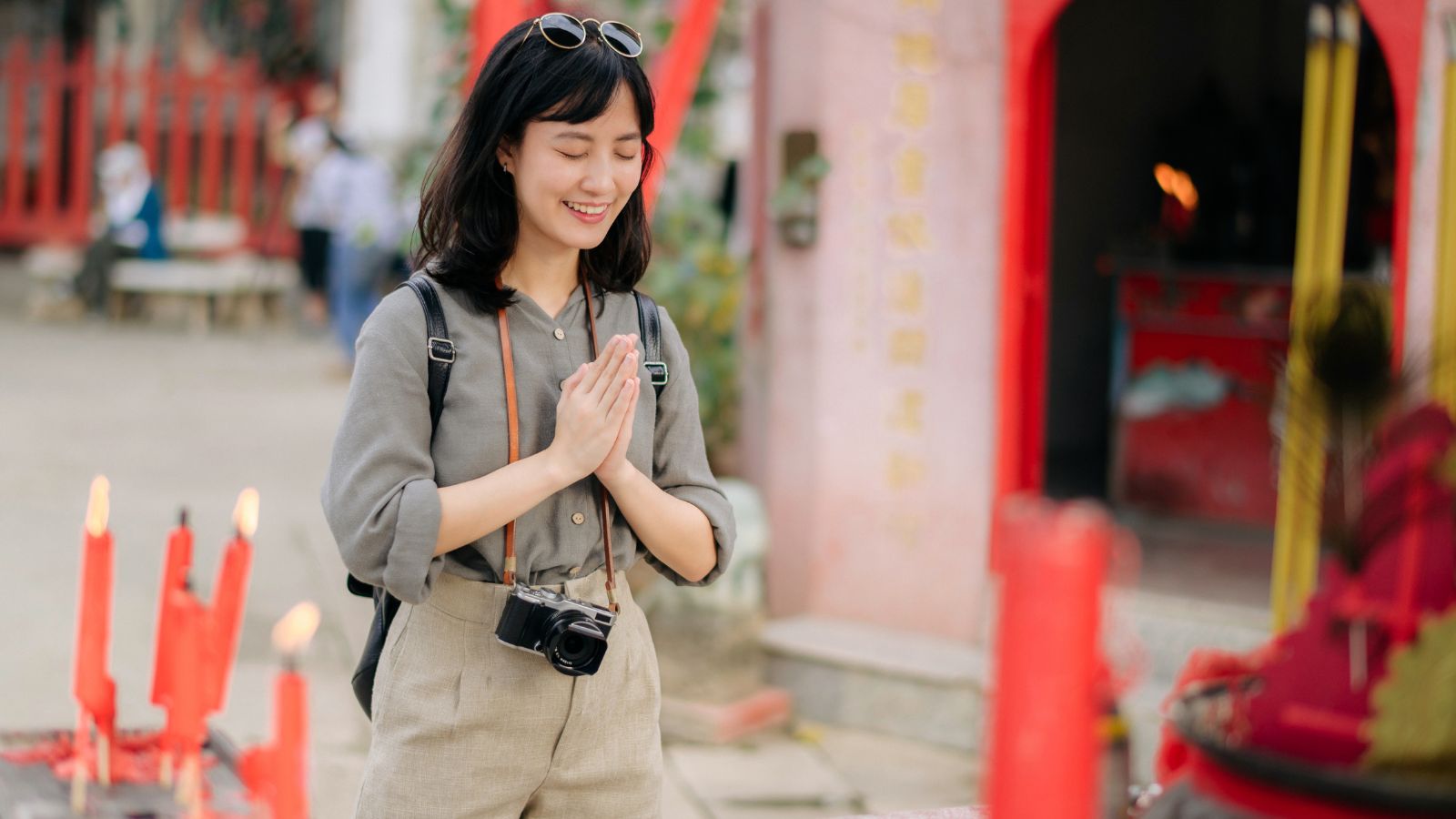
Ultimately, visiting a deeply religious destination is not just sightseeing, it’s stepping into a living belief system. Travelers who approach with humility, curiosity, and preparation often find the experience more enriching. Respect does not diminish exploration; it deepens it.
When we adapt thoughtfully to local customs, we don’t just avoid mistakes. We participate, however briefly in the values that shape the place itself.
