5 Travel Documents That Can Make or Break an International Trip
International travel often feels exciting right up until the airport check-in counter. That’s usually when paperwork stops being abstract and starts becoming decisive. A missing or incorrect document can derail even the most carefully planned itinerary. While flights and hotels matter, entry permission ultimately determines whether a trip begins at all.
Before departure, it’s worth reviewing not only what is required but also what might be requested. Immigration officers and airline staff have the authority to deny boarding or entry if documentation is incomplete. These five documents consistently make the difference between smooth passage and unexpected disruption.

1. Passport (With Validity Requirements)

A passport may seem obvious, but validity rules are where many travelers slip up. Numerous countries require that a passport remain valid for at least six months beyond the date of entry. Arriving with only three months remaining, even if the passport hasn’t technically expired, can lead to denied boarding before the plane even leaves.
It’s also important to check for blank pages. Some destinations require 1 or 2 blank pages for entry stamps. Airlines often enforce these requirements strictly because they face fines if passengers are refused at the border.
2. Visa or Entry Authorization
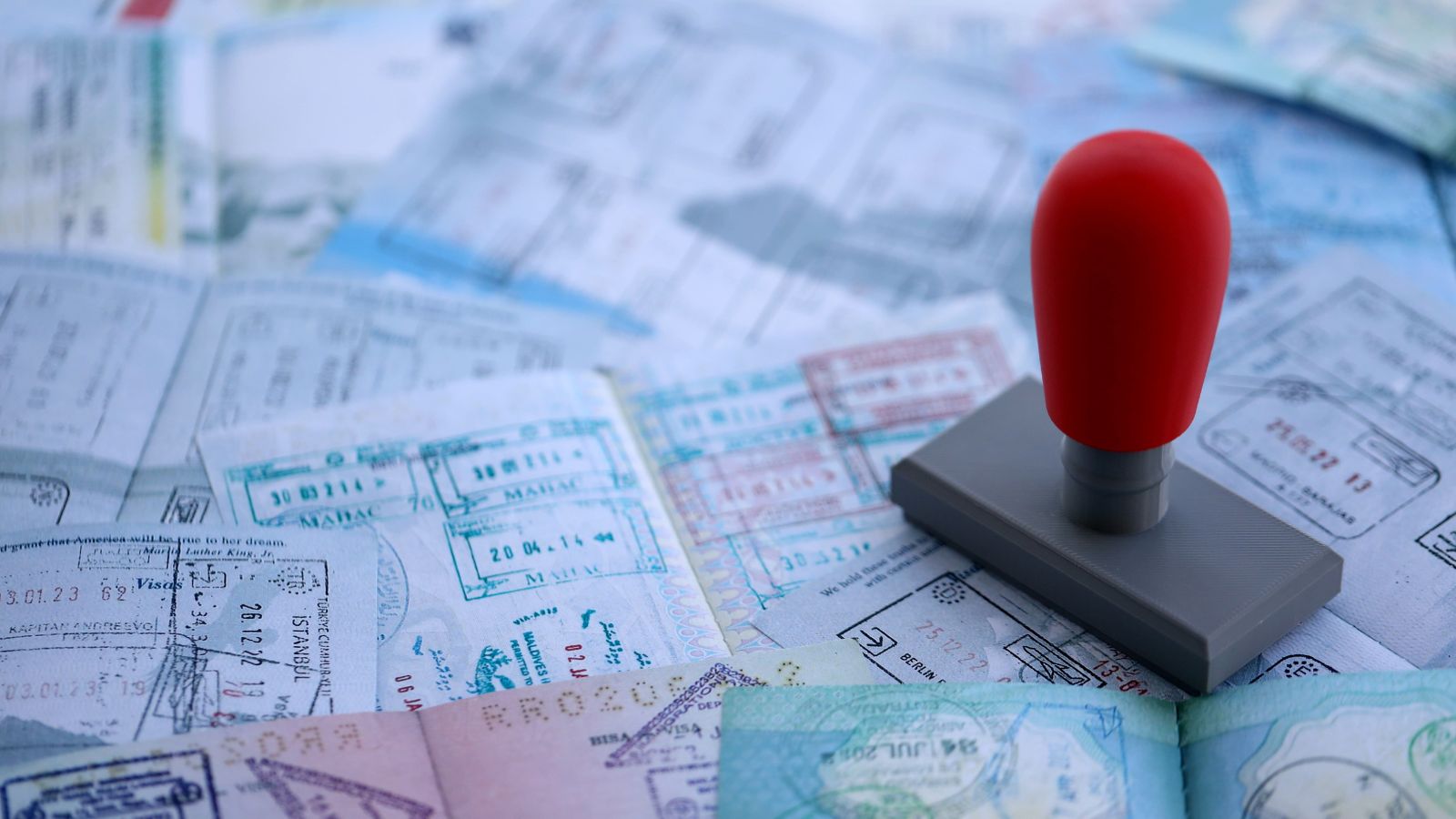
Depending on nationality and destination, a visa may be required in advance. Even countries that allow visa-free travel sometimes require electronic travel authorizations. For example, travelers entering the United States often apply for ESTA approval through U.S. Customs and Border Protection before departure.
Failure to obtain the correct authorization, whether due to a misunderstanding of eligibility or missing application deadlines, can result in immediate refusal at check-in. Requirements vary by passport and purpose of visit, so verifying official government sources is essential.
3. Proof of Onward or Return Travel
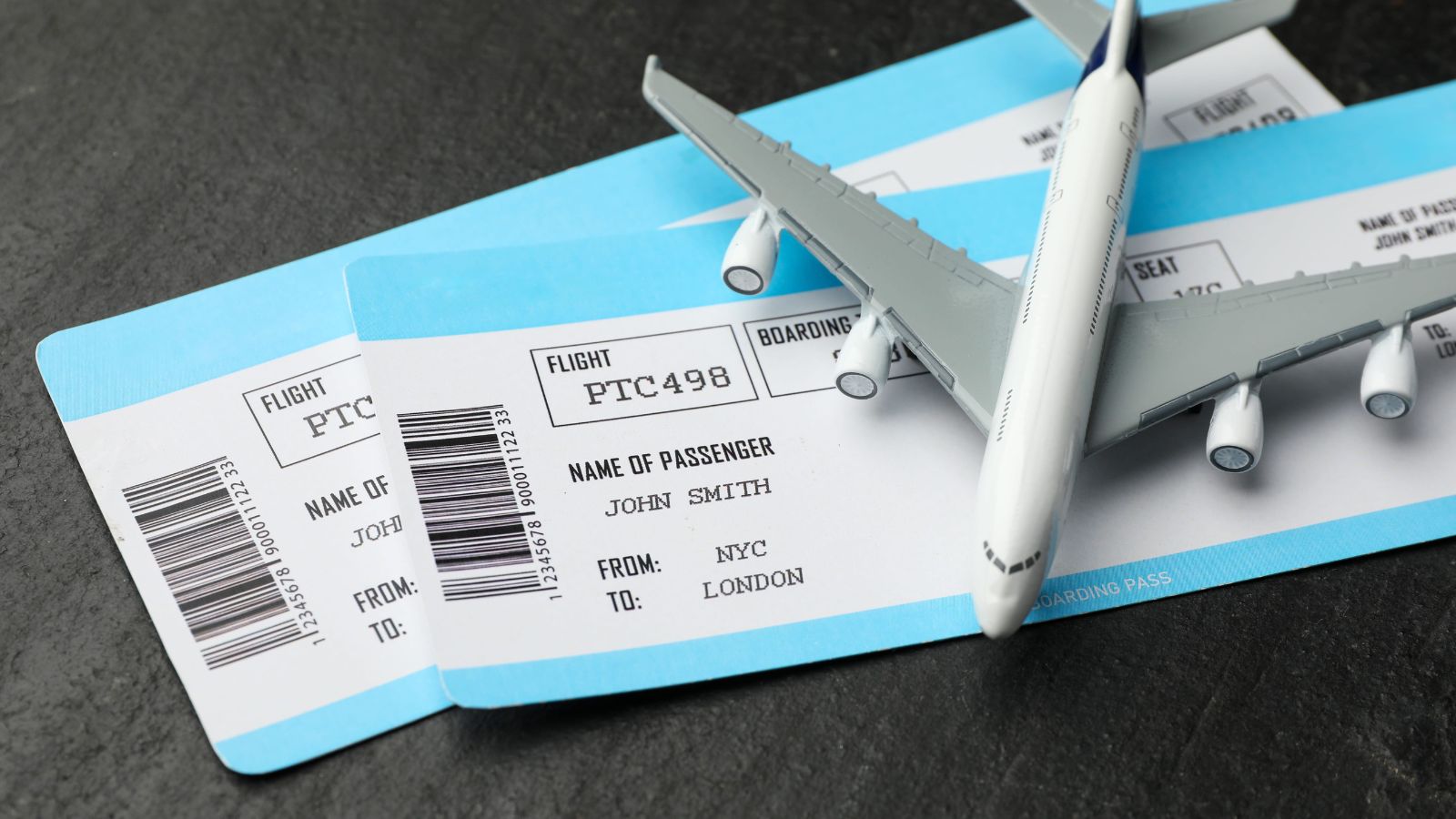
Many countries require proof that visitors intend to leave within the permitted timeframe. A confirmed return ticket or onward booking often satisfies this requirement. Without it, travelers may face additional questioning or even denial of entry.
Airlines frequently check for onward tickets before boarding, especially on one-way international flights. Having digital and printed copies readily available reduces delays at the counter.
4. Proof of Accommodation

Immigration officers sometimes request confirmation of where a traveler will stay. A hotel reservation, rental confirmation, or host address provides clarity about plans during the visit.
Even if accommodations are flexible, having at least the first night confirmed demonstrates preparation and intent. Vague answers about lodging can raise unnecessary questions.
5. Travel Insurance Documentation

While not always mandatory, some countries require proof of medical coverage for entry. Others may request it during extended stays or visa applications. In unexpected situations, such as hospital visits, trip interruptions, or emergencies, having documentation easily accessible can prevent financial and logistical complications.
Travel insurance confirmation also signals preparedness, particularly in destinations with strict health regulations.
The Difference Between a Smooth Departure and a Disrupted Trip
International travel rewards preparation. These documents are rarely glamorous, but they carry more weight than any itinerary or reservation. Airlines and immigration officers are not evaluating excitement or spontaneity, they are verifying compliance.

Taking time to review documentation before departure reduces risk, prevents costly surprises, and protects the investment already made in the trip. In international travel, paperwork isn’t a formality. It’s the foundation that allows everything else to happen.
