10 Countries That Make Tourists Come Back Repeatedly
Some countries draw travelers once. Others keep pulling them back. For many couples, the difference comes down to how a place feels over time. A destination that supports repeat visits usually offers depth, variety, and a rhythm that changes with each return.
Countries that inspire loyalty tend to reveal themselves gradually. One trip might focus on a capital city. The next might center on regional towns, coastlines, or countryside stays. Strong transportation networks and distinct regional identities make it easier to explore different corners without repeating the same experience.
Familiarity also plays a role. When couples feel confident navigating a country, future trips become simpler to plan. There is less stress and more space to focus on shared interests, whether that means food, outdoor activities, or cultural exploration.
We have identified 10 countries that make tourists come back repeatedly. These are places with enough range and reliability to support multiple visits, giving couples reasons to return without feeling like they are retracing the same trip twice.

Italy

Italy draws repeat visitors because no single trip feels complete. Rome, Florence, and Venice anchor first visits, but smaller regions such as Tuscany, Puglia, and the Dolomites invite return travel. Regional food shifts noticeably from north to south, and each city carries a distinct rhythm. Rail connections make moving between areas manageable, which encourages multi-trip exploration over time. Seasonal travel also changes the experience, from spring countryside to winter city stays. Italy rewards travelers who revisit with new layers of culture, landscape, and daily life.
Why travelers return: Regional depth keeps each visit distinct.
Japan
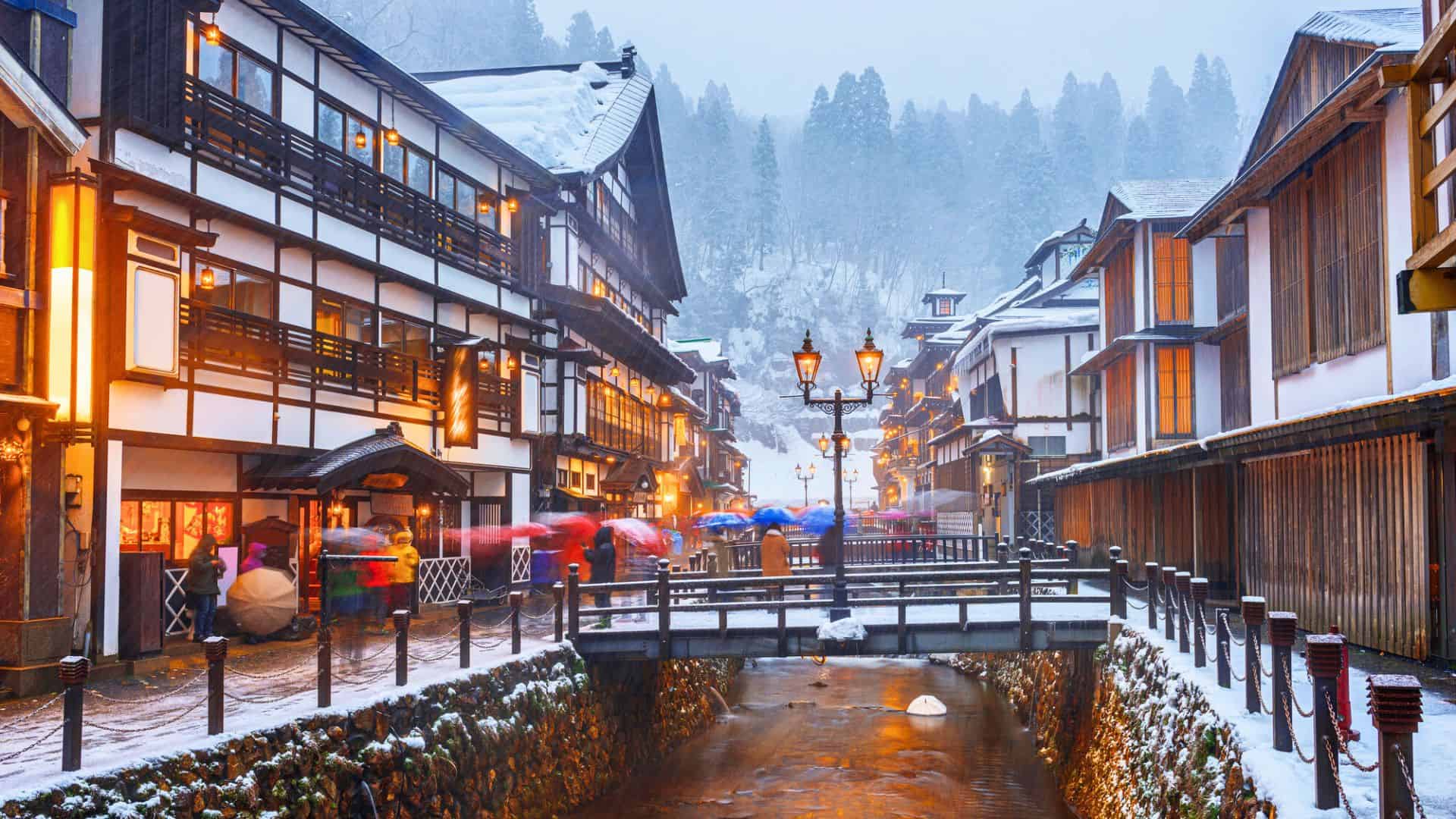
Japan encourages return trips because its regions feel structured yet varied. Many travelers begin with Tokyo and Kyoto, then return to explore smaller towns, mountain areas, or different seasonal highlights. Cherry blossom season, autumn foliage, and winter festivals each shift the atmosphere. Transportation systems remain reliable, making repeat visits easy to plan. Cultural traditions also reveal more nuance with familiarity. Japan feels organized enough to revisit comfortably while offering enough variation to avoid repetition.
Why travelers return: Seasonal shifts and regional contrast change the experience each time.
France
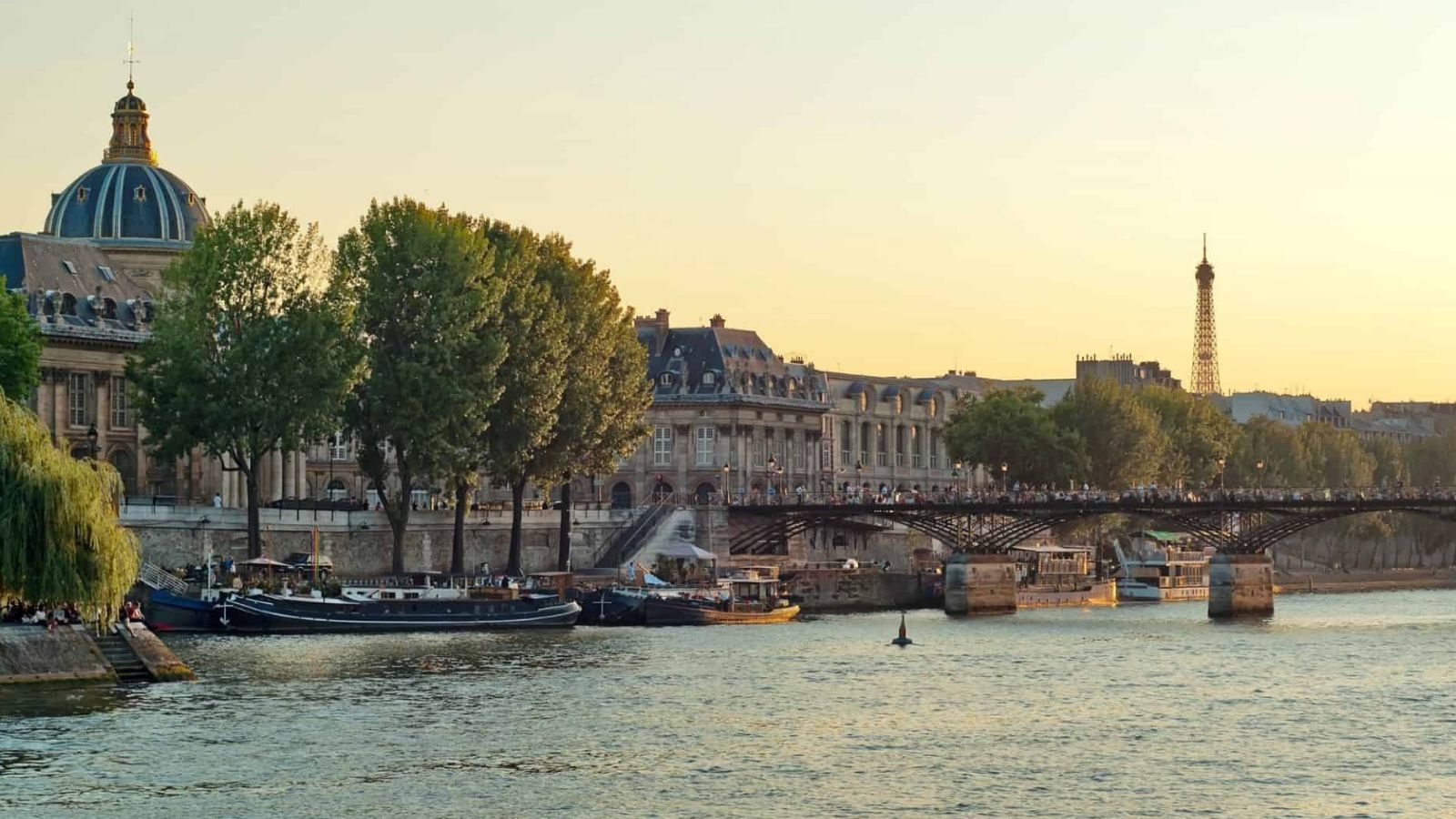
France supports repeated travel because each region feels self-contained. Paris may anchor a first trip, but Provence, Normandy, the Loire Valley, and the French Riviera all create reasons to return. Rail networks simplify movement, and food culture varies by region. Markets, vineyards, and coastal towns reshape daily routines depending on where you stay. Travelers often revisit to focus on one area rather than covering multiple regions at once.
Why travelers return: Regional diversity makes each visit feel focused and new.
Mexico
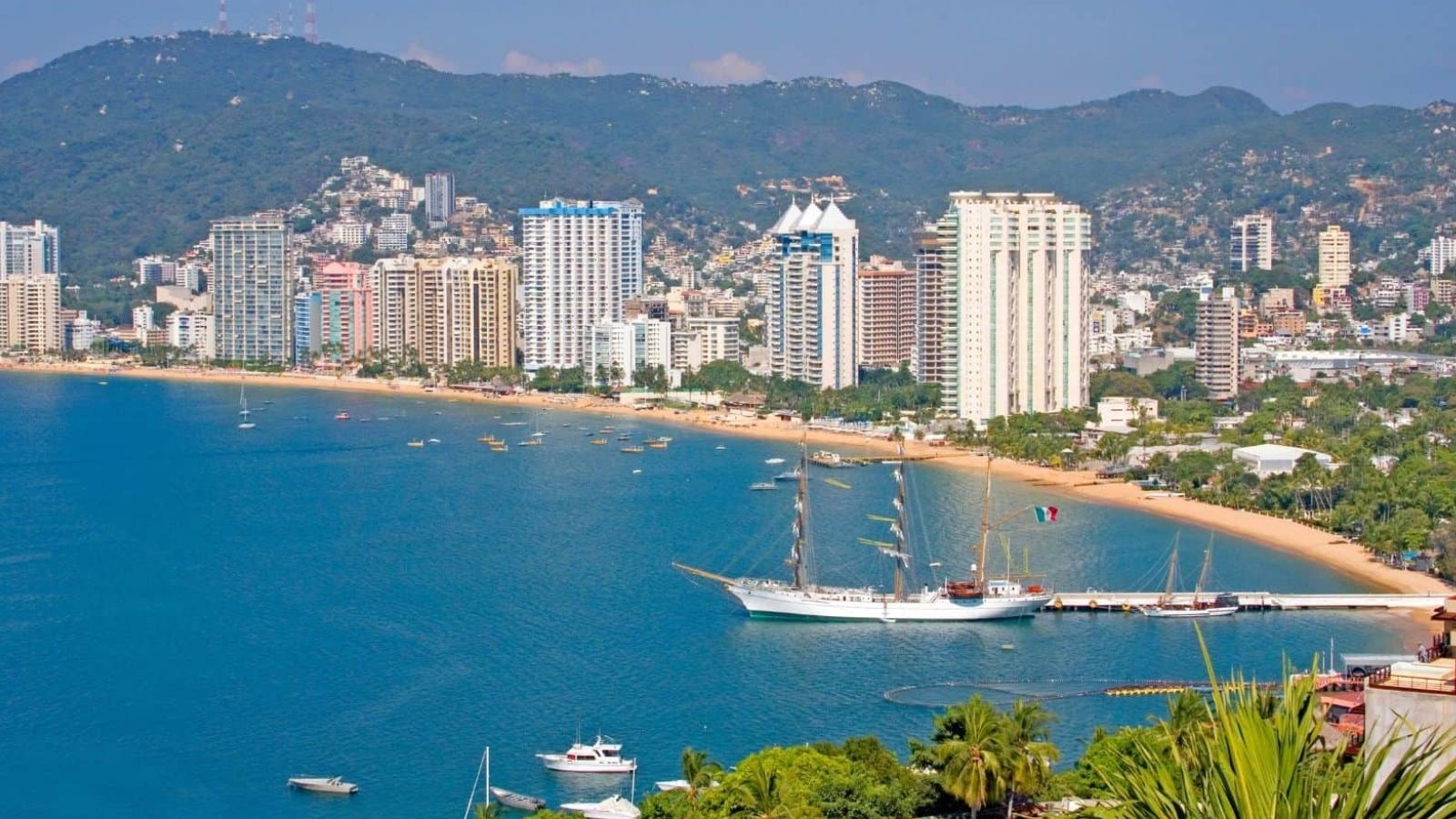
Mexico remains accessible enough for frequent travel while offering strong regional variety. Beach destinations, colonial cities, and mountain towns all provide different pacing. Flights from the U.S. are manageable, and pricing supports shorter repeat trips. Food traditions vary widely between regions, encouraging exploration beyond a single resort area. Infrastructure in tourist zones makes travel straightforward, which lowers friction for return visits.
Why travelers return: Easy access combined with regional contrast supports repeat stays.
Thailand
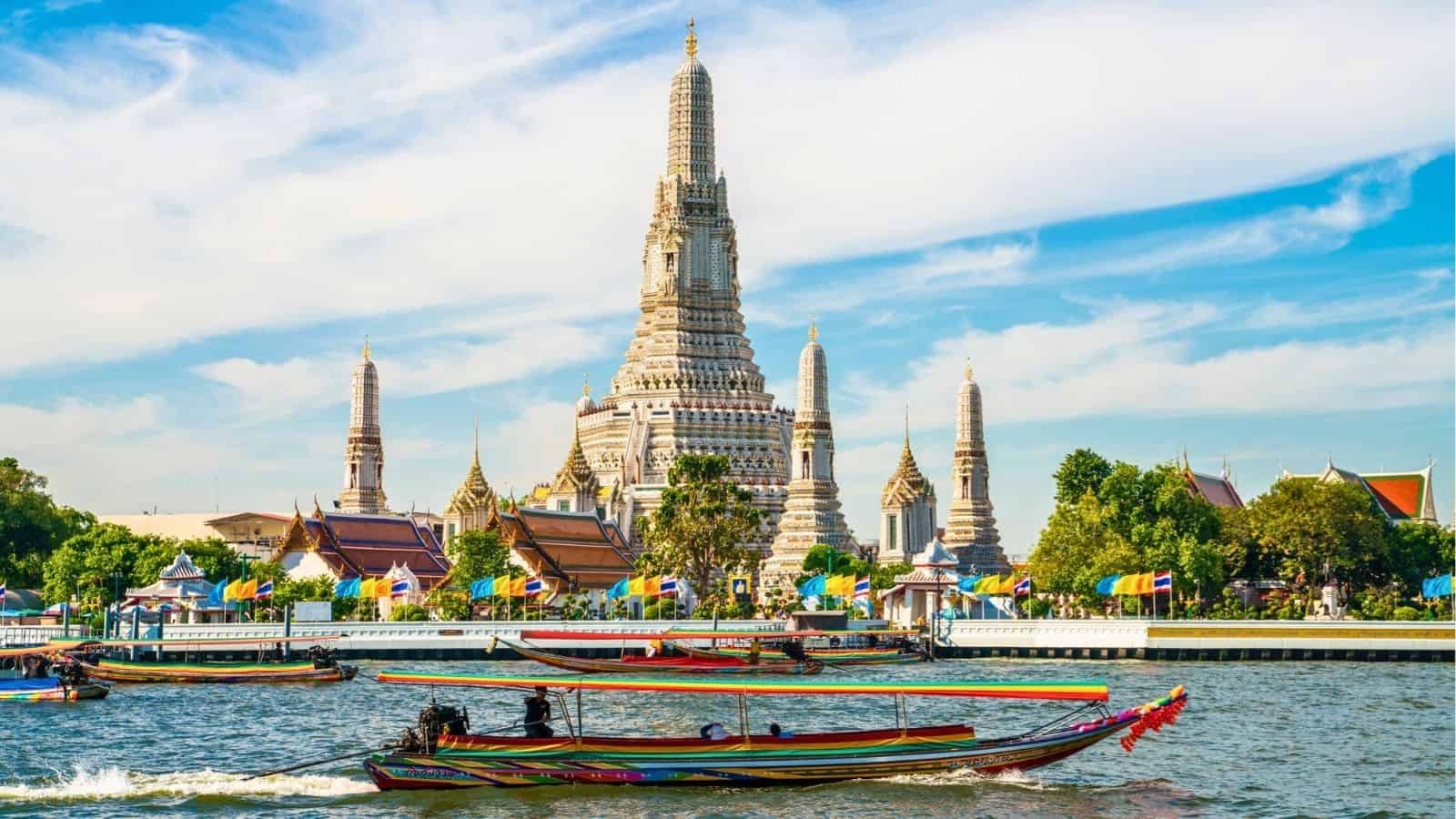
Thailand invites return travel through its balance of cities, islands, and northern mountain regions. Bangkok offers urban energy, while coastal areas and smaller towns shift the pace. Daily costs remain moderate, which allows longer stays or multiple visits. Infrastructure supports independent travel, and hospitality remains consistent. Many travelers return to explore a new region rather than repeat the same itinerary.
Why travelers return: Distinct regions and manageable logistics encourage multi-trip exploration.
Spain

Spain brings travelers back because its regions operate almost like separate countries. Madrid and Barcelona often anchor a first visit, but Andalusia, the Basque Country, and Valencia introduce different food, architecture, and daily pacing. High-speed trains make it easy to revisit without repeating logistics. Evening culture shapes travel differently each time, depending on city and season. Coastal towns, historic centers, and neighborhood markets shift the tone of each trip. Spain rewards slower exploration across multiple visits rather than one compressed itinerary.
Why travelers return: Strong regional identity keeps repeat trips distinct.
Canada
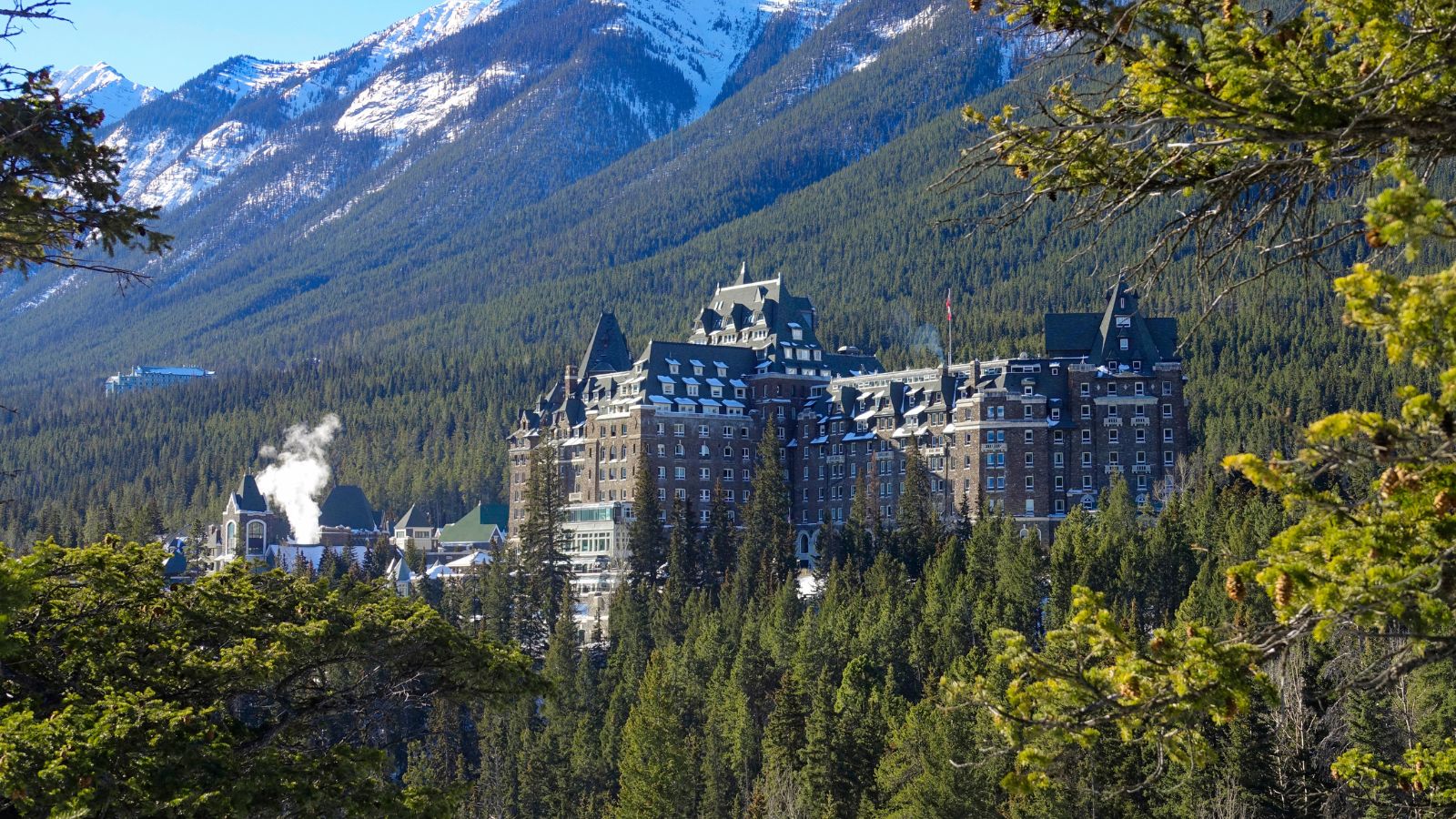
Canada encourages return travel because of its scale and seasonal variation. Western mountain landscapes, central cities, and eastern coastal provinces feel entirely different from one another. Summer hiking, autumn foliage, winter ski trips, and spring city breaks each create a new experience. Infrastructure remains reliable, and entry logistics are straightforward for U.S. travelers. Many visitors return to focus on one region at a time rather than trying to cover the country in a single trip.
Why travelers return: Seasonal shifts and regional spread support repeat exploration.
Greece
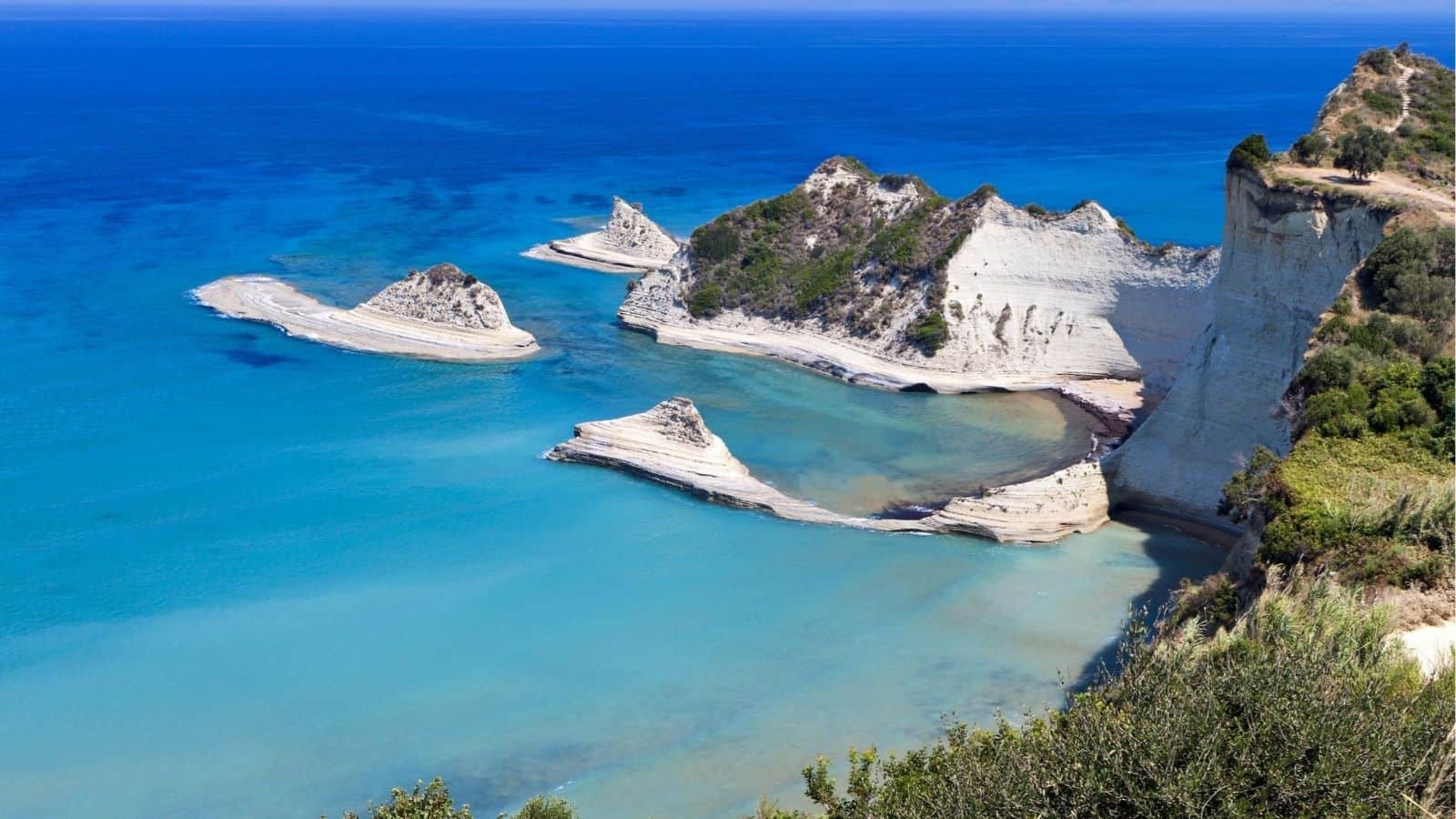
Greece invites repeat visits because its islands and mainland regions vary in pace and character. A first trip might center on well-known islands, while later visits explore smaller coastal towns or inland historical sites. Ferry systems and regional flights allow flexible routing, and shoulder seasons shift the atmosphere significantly. Food traditions and village life change subtly from region to region. Greece rarely feels finished after one visit.
Why travelers return: Island and mainland diversity reshapes each stay.
Portugal
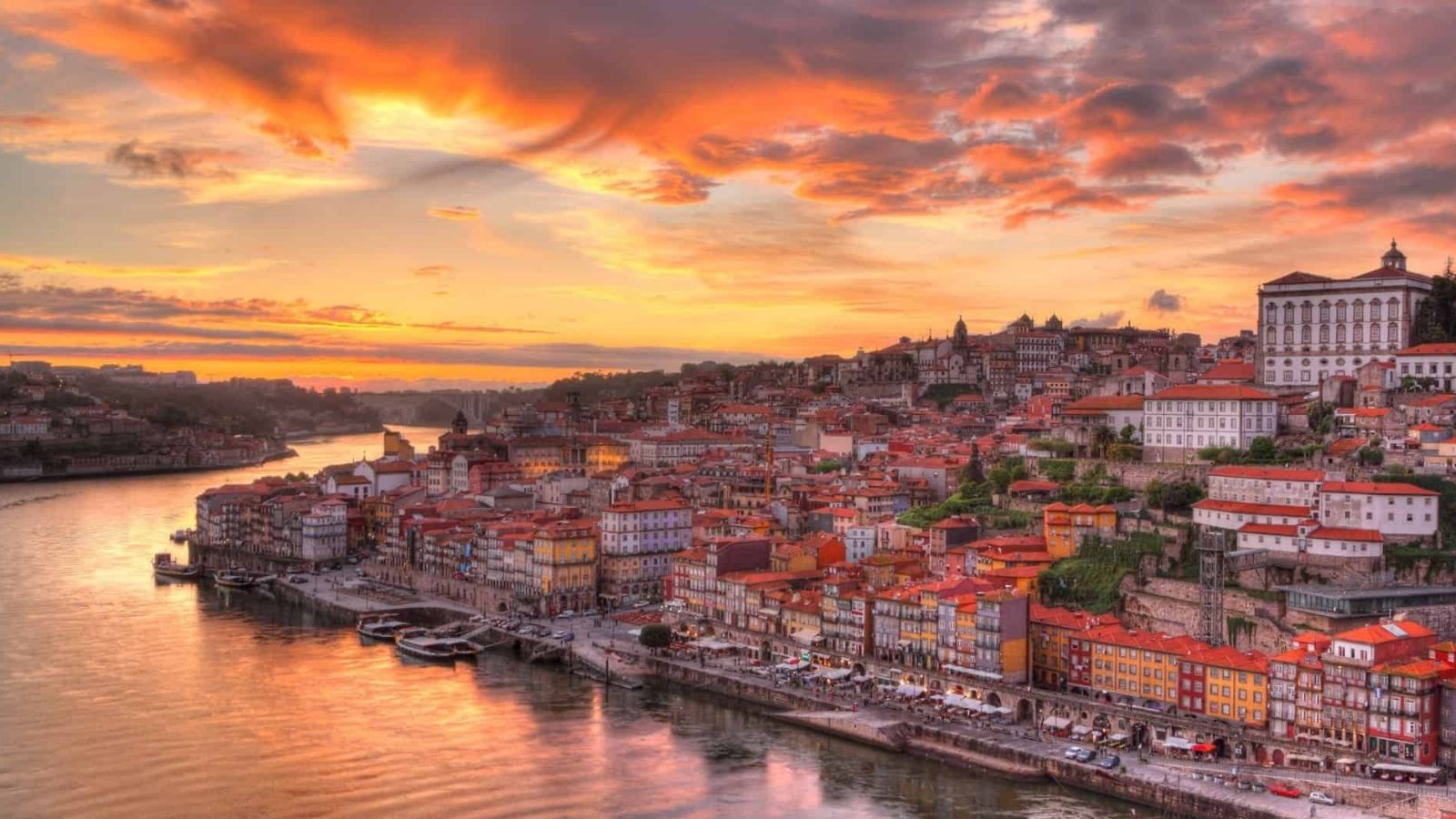
Portugal keeps travelers returning through manageable distances and varied settings. Lisbon and Porto often anchor early trips, but the Algarve, Douro Valley, and smaller coastal towns offer different rhythms. Seasonal travel changes the feel of each region, from summer beaches to quieter winter city stays. Pricing remains moderate compared to much of Western Europe, making repeat visits realistic. Portugal feels compact yet layered.
Why travelers return: Easy regional access makes repeat visits practical and varied.
New Zealand

New Zealand encourages return travel because its landscapes shift dramatically between regions. The North Island and South Island offer distinct scenery and activities, and many travelers return to explore areas missed on earlier trips. Self-drive routes create flexibility, and outdoor experiences vary by season. Even familiar routes feel different under new weather conditions. Because visits often require longer stays, travelers tend to focus on one portion at a time and return for the rest.
Why travelers return: Geographic variety makes one trip rarely feel complete.
10 U.S. Landmarks Your Teachers Somehow Never Mentioned

Some of the most interesting places in the U.S. never make it into textbooks or classroom lessons. While we all learned about the big-name landmarks, there are many sites with rich stories that somehow slipped through the cracks. These places are just as fascinating, and in some cases even more memorable, once you see them in person.
Learn more here: 10 U.S. Landmarks Your Teachers Somehow Never Mentioned
11 Lake Towns You and Your Partner Will Love
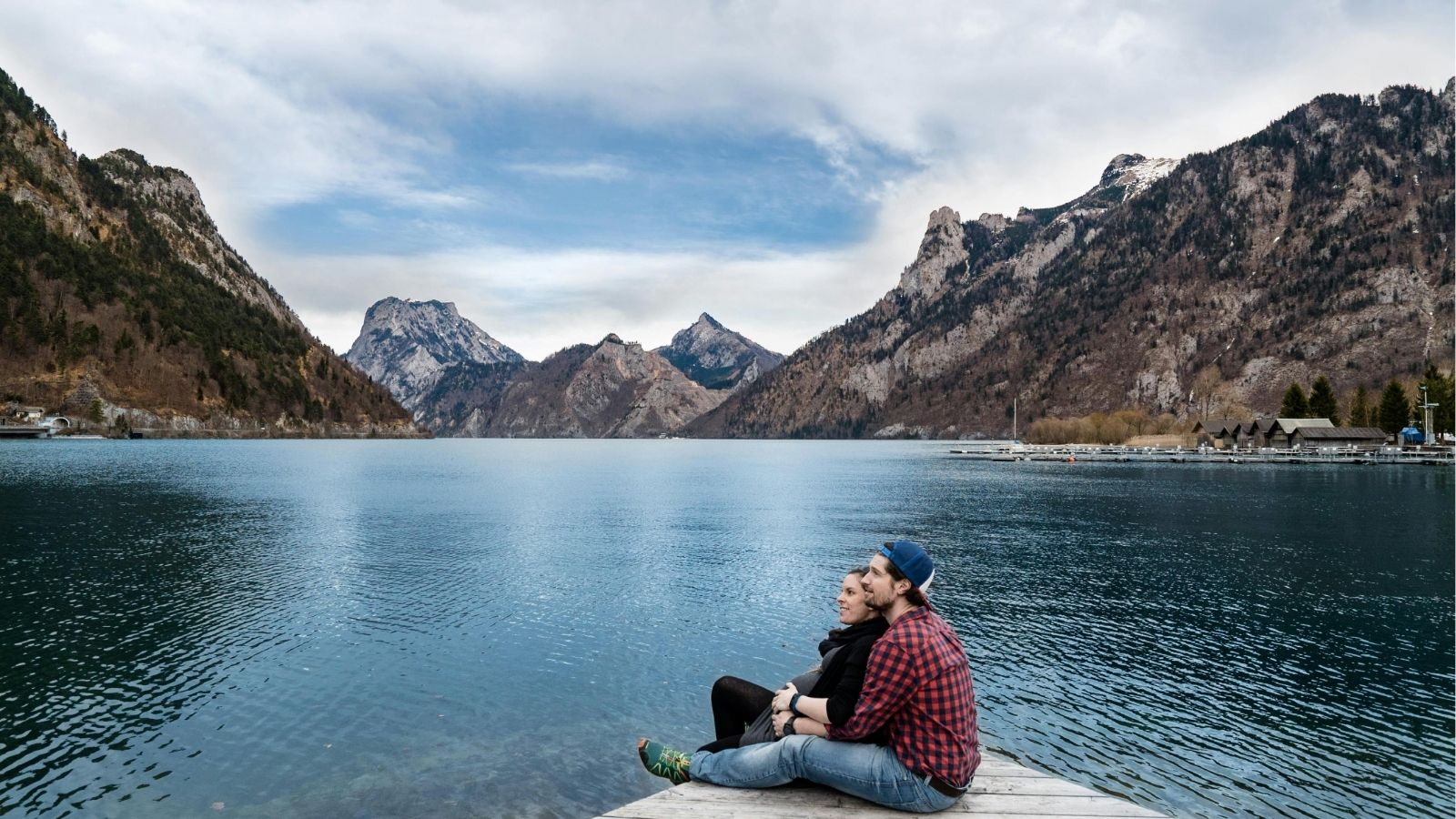
Lake towns have a way of slowing everything down, which is exactly why couples keep coming back to them. The water sets the pace. Mornings feel quieter. Even busy weekends feel calmer by the shore. We’ve seen how the right lake town can turn a short getaway into something that feels meaningful without trying too hard.
Learn more here: 11 Lake Towns You and Your Partner Will Love
