10 U.S. States for People Who Love Walkable Cities
Walkability shapes how a trip or relocation feels day to day. For many couples, being able to step outside and reach restaurants, parks, shops, and transit without getting in a car changes everything. It affects pace, connection to a place, and even how much planning is required.
While individual cities often get the spotlight, entire states can stand out for supporting walkable communities. Strong downtown cores, mixed use neighborhoods, reliable public transportation, and compact historic districts make daily life simpler. These environments reduce reliance on driving and encourage more spontaneous movement.
For couples weighing where to travel, relocate, or spend extended time, walkability is more than a convenience. It influences health, social life, and how integrated you feel in a community. It also affects budgeting, since transportation costs and parking needs shift accordingly.
We have identified 10 U.S. states for people who love walkable cities. These states consistently support urban areas where getting around on foot feels practical, not aspirational, helping couples build trips and routines around ease rather than constant driving.

Massachusetts

Massachusetts stands out for cities where daily life works on foot. Boston’s historic layout keeps streets compact and layered with shops, parks, and transit stops. Neighborhoods like Beacon Hill and the North End allow residents to run errands, meet friends, and reach work without driving. Sidewalks stay active year-round, and public transportation fills gaps when distances stretch. Smaller cities like Cambridge and Somerville add to the walkable culture.
Takeaway: Choose neighborhoods near transit hubs to maximize car-free living.
New York

New York defines walkable living in the U.S. New York City’s grid system, dense neighborhoods, and constant street activity make daily routines possible without a car. Grocery stores, cafes, parks, and transit stops sit within short distances. Areas beyond Manhattan, including parts of Brooklyn and Queens, maintain strong pedestrian culture. Smaller cities like Buffalo and Albany also offer compact cores.
Takeaway: Focus on established residential neighborhoods with strong subway access.
California

California is known for car culture, but several cities support walking as part of daily life. San Francisco’s dense neighborhoods, mixed-use streets, and reliable transit make it one of the most walkable cities in the country. Areas of San Diego and parts of Los Angeles such as Santa Monica also encourage pedestrian movement. Climate supports year-round outdoor activity, which strengthens street life.
Takeaway: Prioritize older neighborhoods with mixed housing and retail density.
Illinois

Illinois earns its place largely through Chicago. The city’s grid, sidewalks, public transportation system, and neighborhood business districts allow residents to live comfortably without a car. The Lakefront Trail and riverwalk expand pedestrian space beyond streets. Outside Chicago, some suburban downtowns also maintain compact cores.
Takeaway: Look for neighborhoods near CTA train lines for consistent walkability.
District of Columbia

The District of Columbia offers one of the most consistent walkable environments in the country. Neighborhoods like Capitol Hill, Dupont Circle, and Georgetown combine housing, restaurants, parks, and transit within short distances. Streets are well maintained, and public transportation supports movement across the city. The compact layout encourages walking as part of daily routine rather than as recreation.
Takeaway: Live within walking distance of a Metro station to stay fully car-light.
Oregon

Oregon stands out for cities designed with pedestrians in mind. Portland leads with compact neighborhoods, mixed-use zoning, and strong public transit. Areas like the Pearl District and Alberta Arts District allow residents to walk to groceries, cafes, parks, and light rail stops within minutes. Sidewalk infrastructure is consistent, and bike lanes often run alongside pedestrian routes. Smaller cities such as Eugene also maintain compact downtown cores.
Takeaway: Choose neighborhoods near MAX light rail lines to maintain car-light routines.
Pennsylvania

Pennsylvania offers walkability through historic city layouts. Philadelphia’s dense grid, rowhouse neighborhoods, and corner stores make daily errands possible on foot. Old City, Rittenhouse Square, and Queen Village keep housing close to restaurants, markets, and parks. Public transportation extends reach when needed. Beyond Philadelphia, cities like Pittsburgh also feature compact urban centers.
Takeaway: Focus on established neighborhoods with access to SEPTA transit lines.
Washington

Washington supports walkable living in cities like Seattle. Neighborhoods such as Capitol Hill and Ballard combine apartments, offices, grocery stores, and cafes within short distances. Light rail and bus networks reduce reliance on cars, especially in central areas. The climate encourages year-round street activity, and sidewalks remain active throughout the week.
Takeaway: Prioritize areas near Link light rail stations for easier daily movement.
Colorado

Colorado blends outdoor access with walkable city pockets. Denver’s LoDo and Capitol Hill neighborhoods place restaurants, markets, and transit within a few blocks. The city’s grid layout and expanding light rail system support car-light routines. Boulder also offers a compact downtown anchored by Pearl Street, where daily needs sit within walking distance.
Takeaway: Look for housing near RTD transit corridors for consistent access.
Minnesota
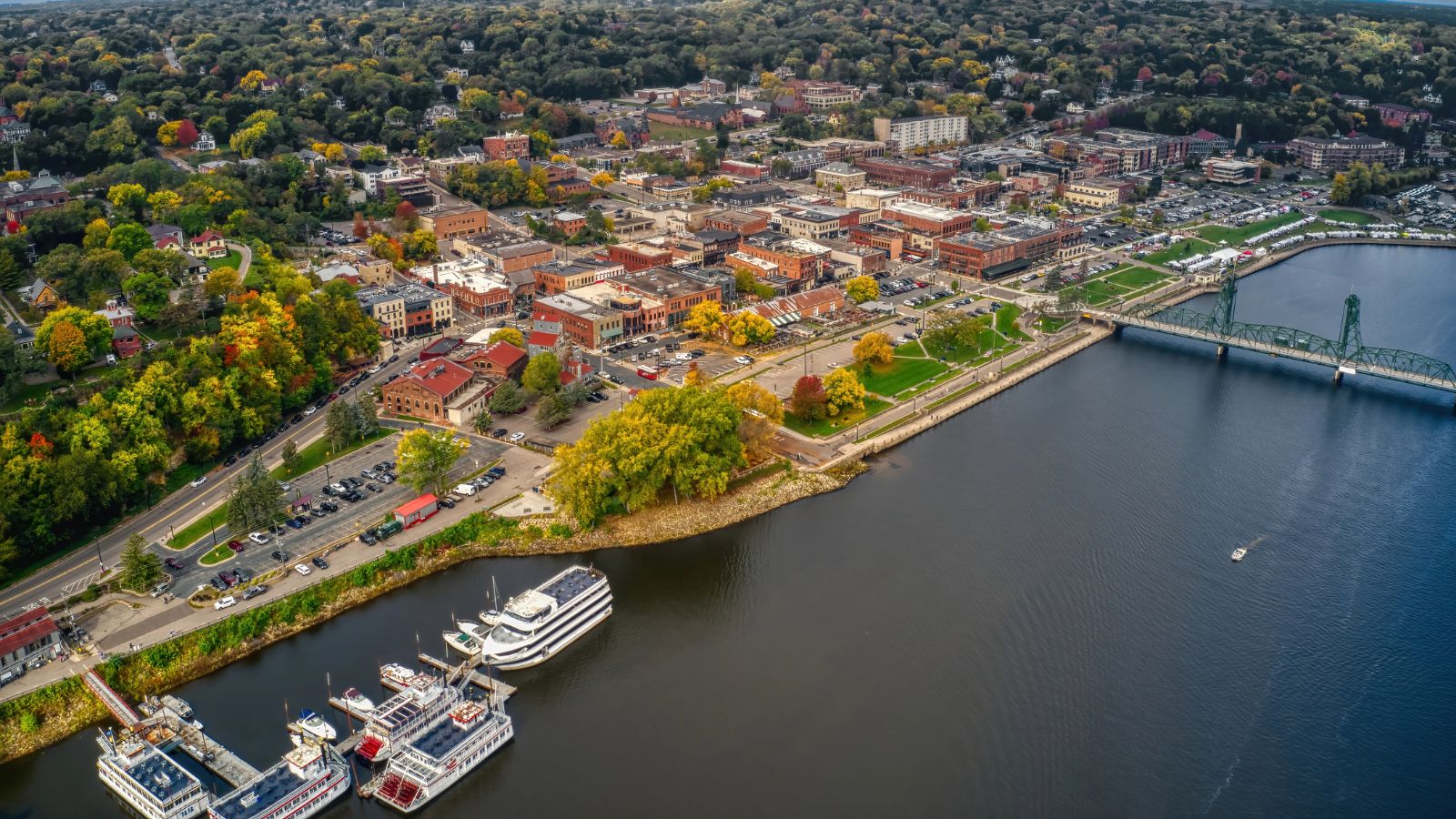
Minnesota supports walkability through Minneapolis and Saint Paul. Neighborhoods like the North Loop and Uptown cluster housing near grocery stores, parks, and transit stops. The Skyway system in downtown Minneapolis provides protected pedestrian routes during colder months, extending usability year-round. Public transit and bike infrastructure fill gaps when distances increase.
Takeaway: Choose neighborhoods close to light rail or bus rapid transit lines to maximize convenience.
10 Destinations Where Americans Can’t Just Show Up Without a Visa or ETA
Many Americans are used to traveling with minimal paperwork. A passport, a flight, and a hotel booking often feel like enough. That assumption can cause real problems once international travel enters the picture. Some destinations simply do not work that way.
Learn more here: 10 Destinations Where Americans Can’t Just Show Up Without a Visa or ETA
11 Countries Americans Visit Once and Keep Talking About

Some trips stay in conversation long after the bags are unpacked. Couples bring them up at dinners, recommend them in passing, and measure future plans against how those days felt. These are not always the most famous destinations. They are places that leave a strong, lasting impression after just one visit.
Learn more here: 11 Countries Americans Visit Once and Keep Talking About
