A Slower First Day Sets the Tone for the Entire Trip
The first day of a trip carries more weight than we realize. It shapes expectations, influences energy, and quietly sets the rhythm for everything that follows. Yet many itineraries treat arrival as an opportunity to begin immediately, stacking tours and reservations within hours of landing. That urgency often backfires.
Travel itself is demanding. Early alarms, long security lines, time zone shifts, and unfamiliar transit systems drain both physical and mental energy. Even when flights run smoothly, the body remains in motion. Moving directly from transit into activity mode leaves no room to reset.

A slower first day creates a different experience. Instead of chasing landmarks, it prioritizes orientation. A short walk around the neighborhood. A relaxed meal close to the hotel. Time to unpack and settle. These simple choices signal that the trip is not a race.
The nervous system responds to pacing. When the first hours feel calm, the body shifts out of alert mode more easily. Breathing steadies. Attention sharpens. By the second morning, energy feels clearer and more available for exploration.
There is also practical wisdom in easing in. Arrivals are unpredictable. Flights delay. Luggage arrives late. Traffic patterns surprise us. When the schedule is light, small disruptions remain manageable. Without rigid plans to protect, the day absorbs change without stress.
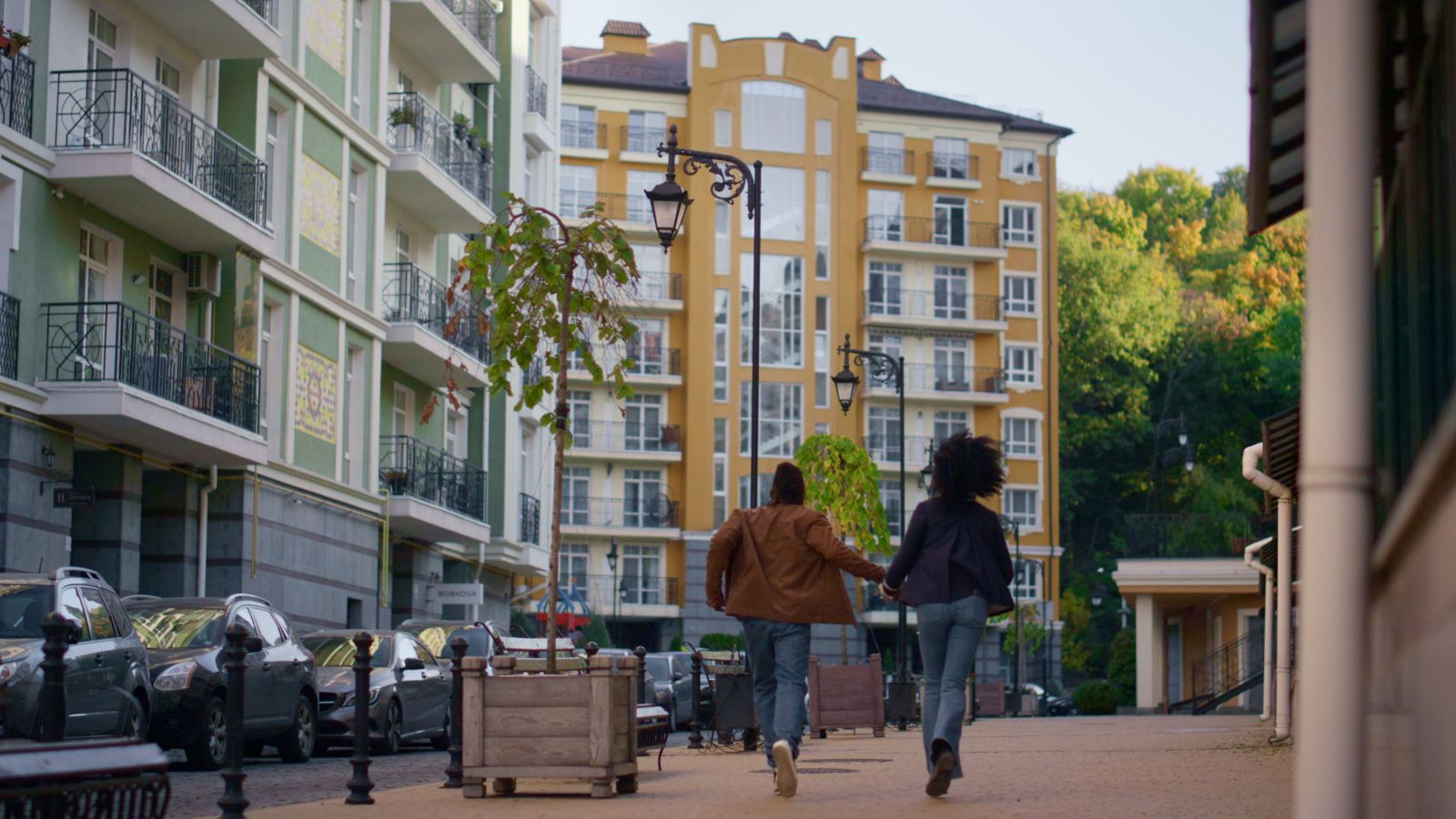
A gentle start encourages presence. Instead of scanning maps and watching the clock, we notice texture. The sound of the street. The way light hits buildings. The pace of local life. These early impressions shape our connection to a place more deeply than a rushed attraction ever could.

For couples or groups, a softer arrival reduces friction. After hours of travel, patience can thin. Giving everyone space to recharge prevents small irritations from setting the tone for the rest of the trip.
Planning less on the first day is not a wasted opportunity. It is strategic pacing. The goal of travel is not immediate productivity. It is a meaningful experience.
When we resist the urge to begin at full speed, the journey unfolds more naturally. A slower first day does more than conserve energy. It establishes a tone of calm that carries forward, making the entire trip feel steadier and more intentional.
