Avoiding Peak Travel Days Lowers Risk of Burnout
Burnout from travel rarely comes from one dramatic disruption. It builds gradually through delays, crowding, noise, and constant adjustment. Peak travel days intensify all of it at once. High demand compresses everything.
Flights operate at fuller capacity. Airports stretch beyond comfortable limits. Roads clog. Hotels turn over rooms at maximum speed. Staff move quickly because they have to. Travelers feel the same pressure. The environment becomes reactive rather than relaxed. Crowds increase cognitive load.
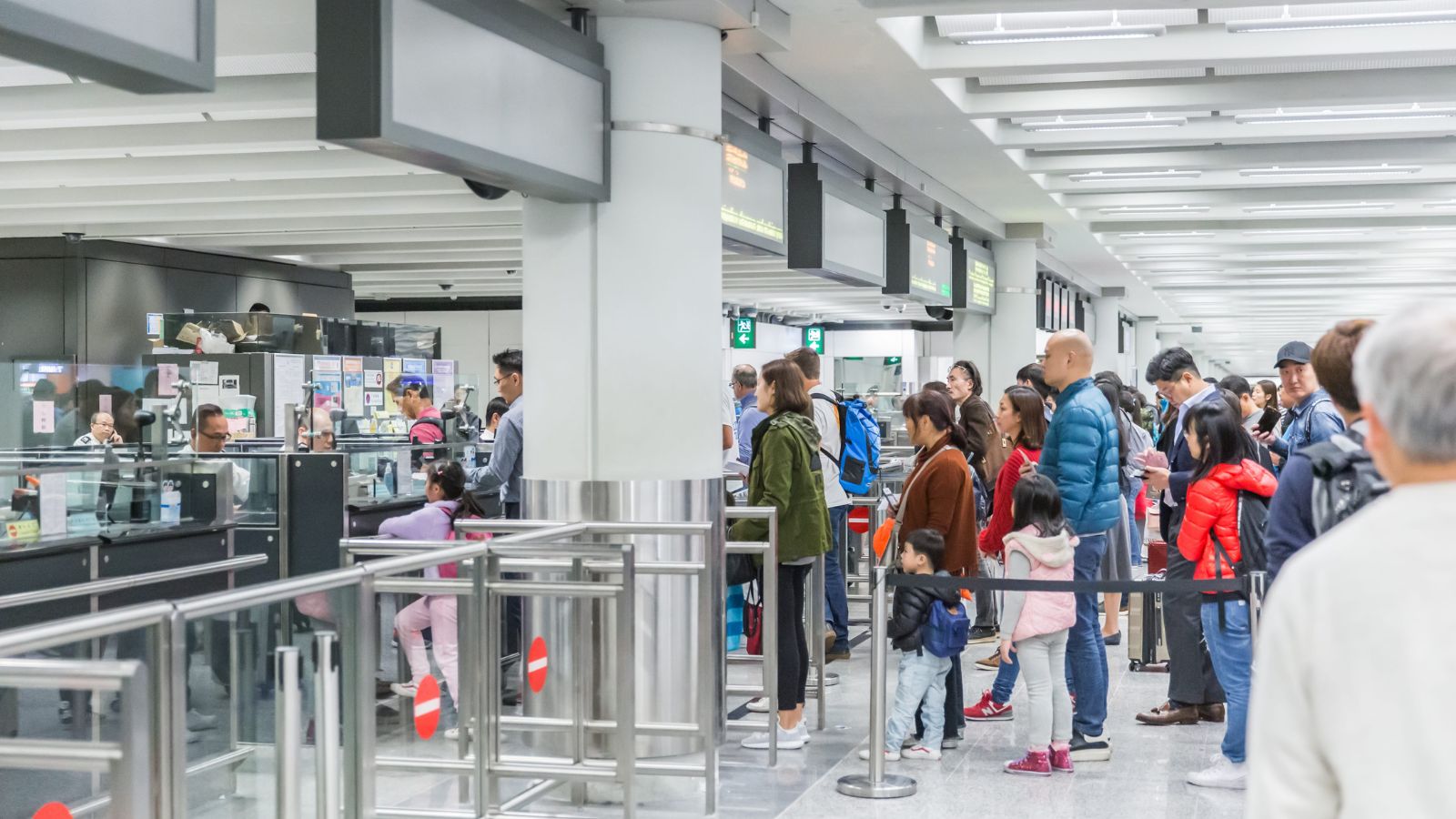
When spaces are packed, you monitor your belongings more closely. You adjust your walking pace. You scan constantly for openings in lines. Even simple tasks require more attention. That mental effort accumulates long before you reach your destination.
Delays also become more likely during peak periods. Weather disruptions ripple further. A late inbound aircraft affects multiple departures. Missed connections multiply. Each uncertainty keeps stress elevated. The body absorbs that tension.
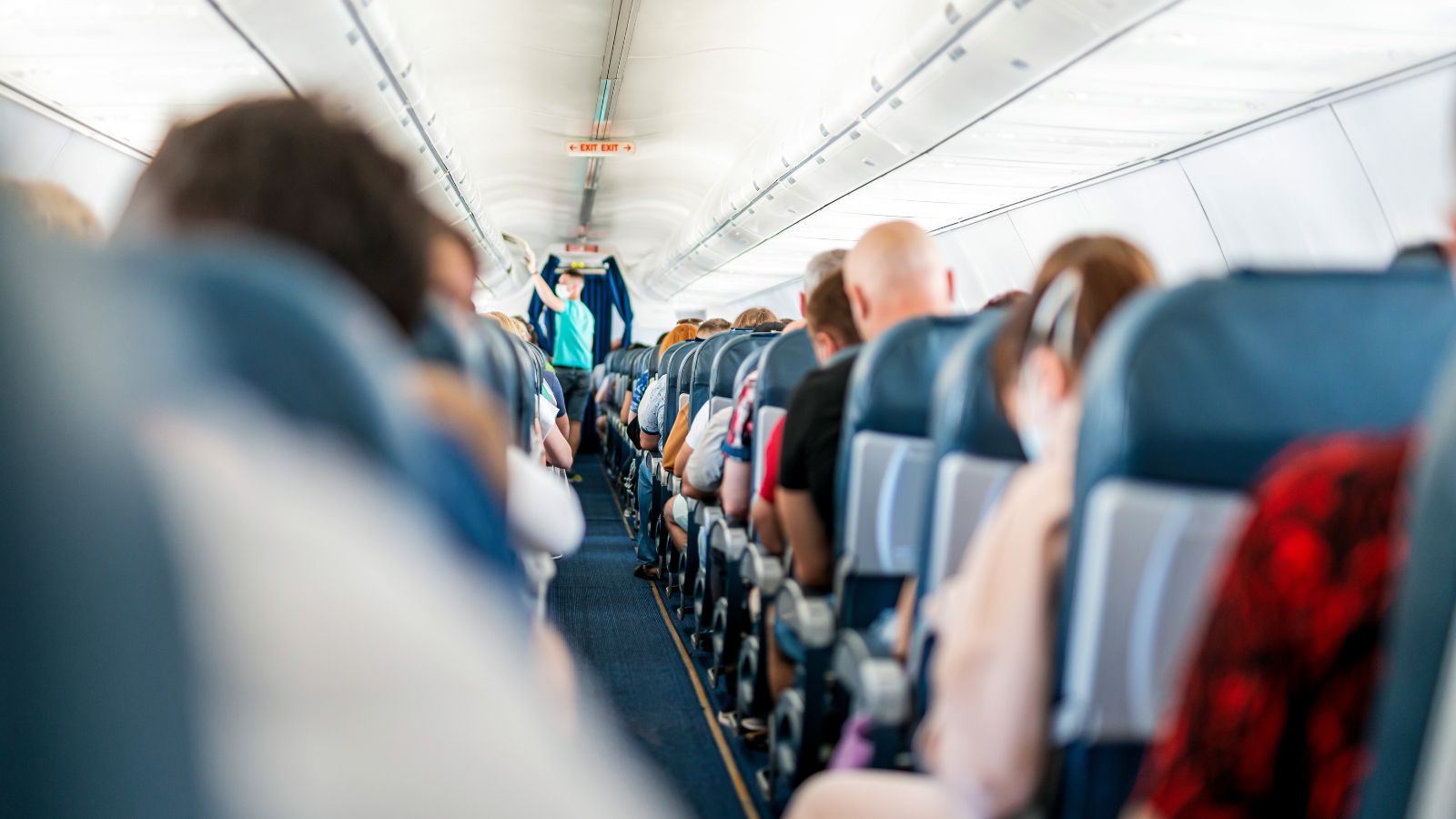
Sleep schedules shift. Meals happen at irregular times. Hydration gets overlooked. Add physical fatigue to heightened stimulation, and patience thins quickly. What was meant to be restorative begins to feel draining. Avoiding peak days changes the emotional landscape.
Fewer people mean smoother transitions. Security lines move steadily. Boarding feels organized rather than rushed. Staff interactions are less strained. The journey becomes manageable rather than competitive.
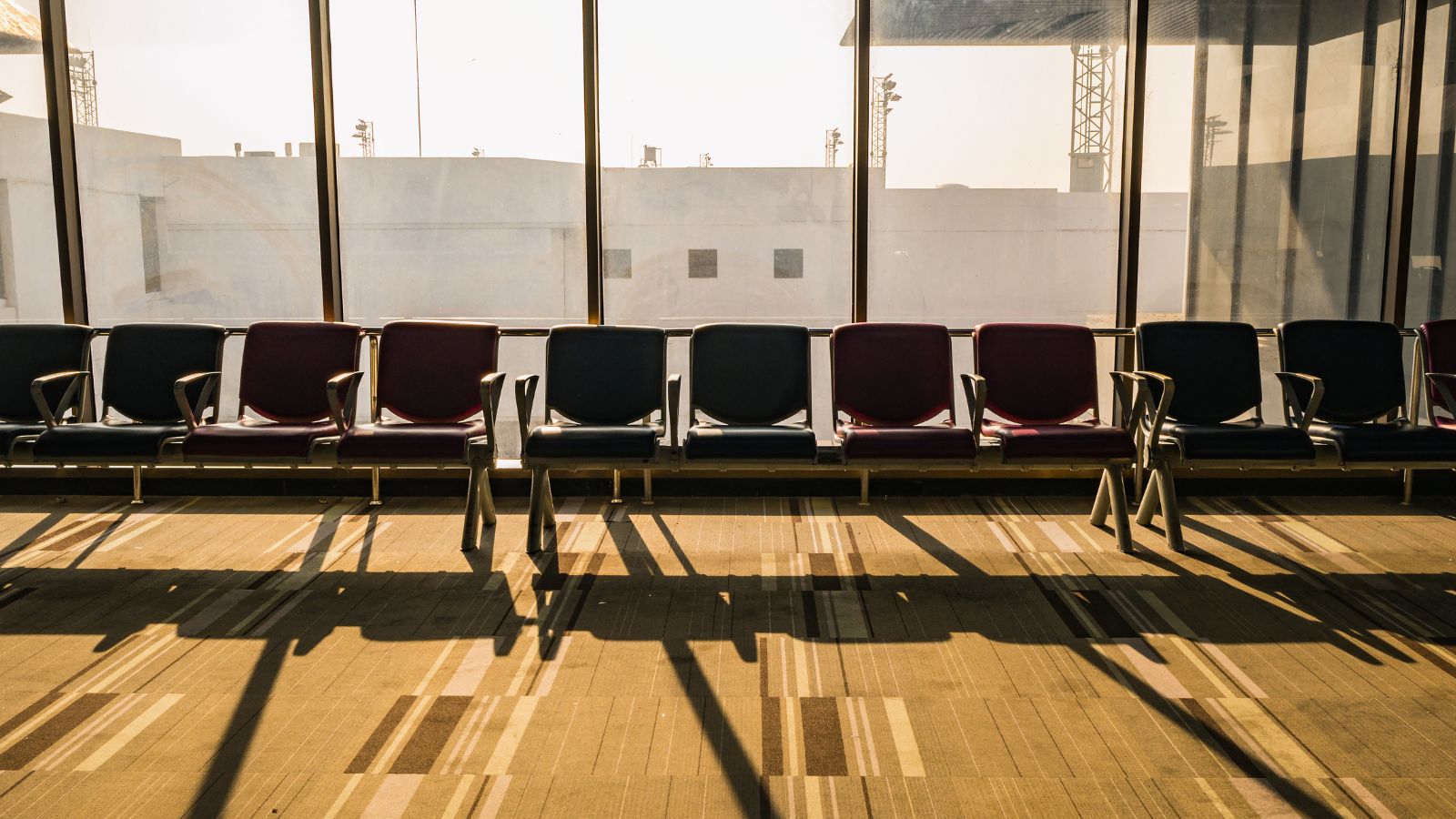
There is also more flexibility. Rebooking options expand when flights are not oversold. Hotels have greater room availability. Small adjustments feel possible instead of impossible.
Burnout prevention often comes down to pacing. Choosing off peak departures distributes stress more evenly. It protects energy before it is depleted.
Travel is meant to expand perspective, not exhaust reserves. When you sidestep the most crowded windows, you create space for steadier rhythms.
Sometimes the most strategic decision is not where you go, but when you move. Avoiding peak travel days does not guarantee perfection. It simply reduces friction—and that reduction can make the difference between returning refreshed and returning depleted.
