Late-Night Check-Ins Come With Risks Many Overlook
A late arrival can feel efficient. Fewer crowds. Lower airfare. A full travel day squeezed into one schedule. But checking in after dark carries details many travelers underestimate.
Fatigue is the first risk. After a long flight or drive, judgment softens. We are less observant. Less patient. Small problems feel larger. Larger problems are harder to solve calmly.
Front desks may be lightly staffed at night. Boutique hotels sometimes close reception entirely. If arrival times are not clearly communicated, doors can be locked and phones unanswered. We recommend confirming late check-in procedures in writing before departure. Ask about key pickup, security codes, and after-hours contact numbers.
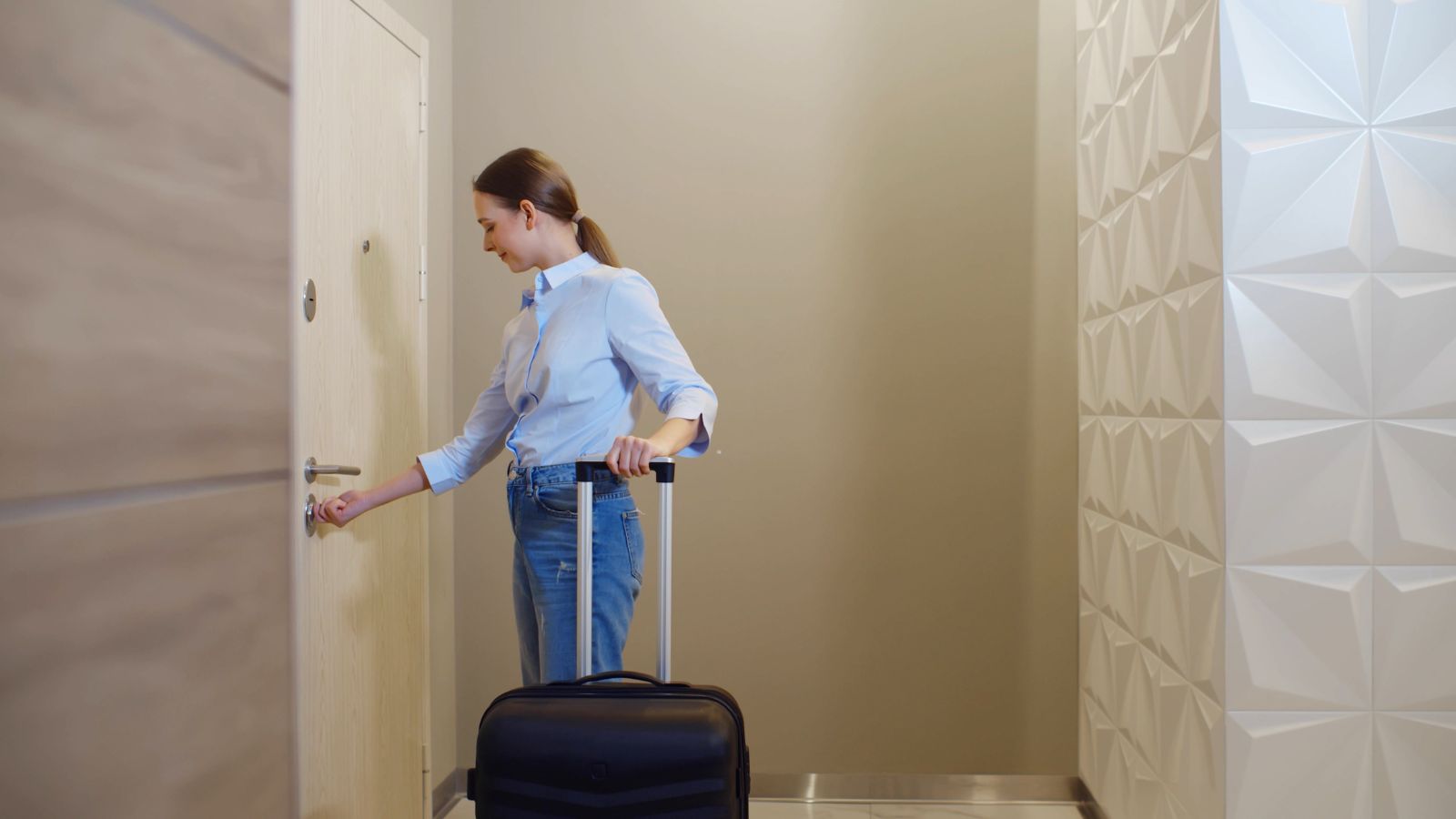
Neighborhood dynamics change after dark. Streets that feel lively during the day may be quiet at midnight. Public transportation runs less frequently. Taxi queues shrink. Rideshare wait times increase. Plan your transfer in advance. Know the exact route. Keep the property address accessible offline.
Room assignment is another overlooked factor. Late arrivals are often given the remaining inventory. That can mean rooms near elevators, ice machines, or street-level entrances. If location within the hotel matters to you, request preferences early and reconfirm on the day of arrival.
Security awareness becomes more important at night. Entering unfamiliar buildings with luggage makes travelers feel new. Stay alert when unloading vehicles. Avoid displaying passports or large amounts of cash in public view. Once inside, use door locks and safes consistently.
Dining options also shrink late in the evening. After settling in, hunger sets in. Nearby restaurants may be closed. Room service may have limited menus. We advise carrying simple snacks for arrival nights. A protein bar and bottled water can make the difference between irritation and ease.

Health and mobility deserve consideration as well. Poor lighting increases the chance of missteps on stairs or uneven sidewalks. Tired legs and heavy bags are not a good combination. Take your time. Ask for assistance if needed.
Most importantly, manage expectations. Late-night check-ins are for rest, not exploration. Avoid judging the hotel or neighborhood based on midnight impressions alone.
Whenever possible, consider arriving earlier in the day. Daylight reduces uncertainty. Staff support is stronger. Orientation feels easier.
If a late arrival is unavoidable, preparation protects the experience. Travel is smoother when the first step through the door feels calm, not rushed. Thoughtful planning turns a vulnerable moment into a manageable one.
