9 Countries That Feel Different Than Their Reputation
Reputation shapes travel decisions more than most people realize. Headlines, outdated stereotypes, and secondhand stories often define how a country is perceived long before a couple ever considers booking a flight. Yet on the ground, many destinations feel far more nuanced than their public image suggests.
Some countries are seen as chaotic but operate with surprising order. Others are labeled expensive, complicated, or unwelcoming, yet offer approachable pricing and strong tourism infrastructure once you arrive. In many cases, the gap between perception and reality comes from relying on old narratives rather than current conditions.
For couples planning thoughtfully, that gap presents an opportunity. Destinations that feel different than their reputation often reward travelers who look past assumptions. They can offer better value, fewer crowds, and experiences that feel more authentic precisely because expectations were misaligned.
We have identified 9 countries that feel different than their reputation. These are places where firsthand experience frequently challenges common assumptions, giving couples a clearer, more balanced view before deciding where to go next.
Colombia
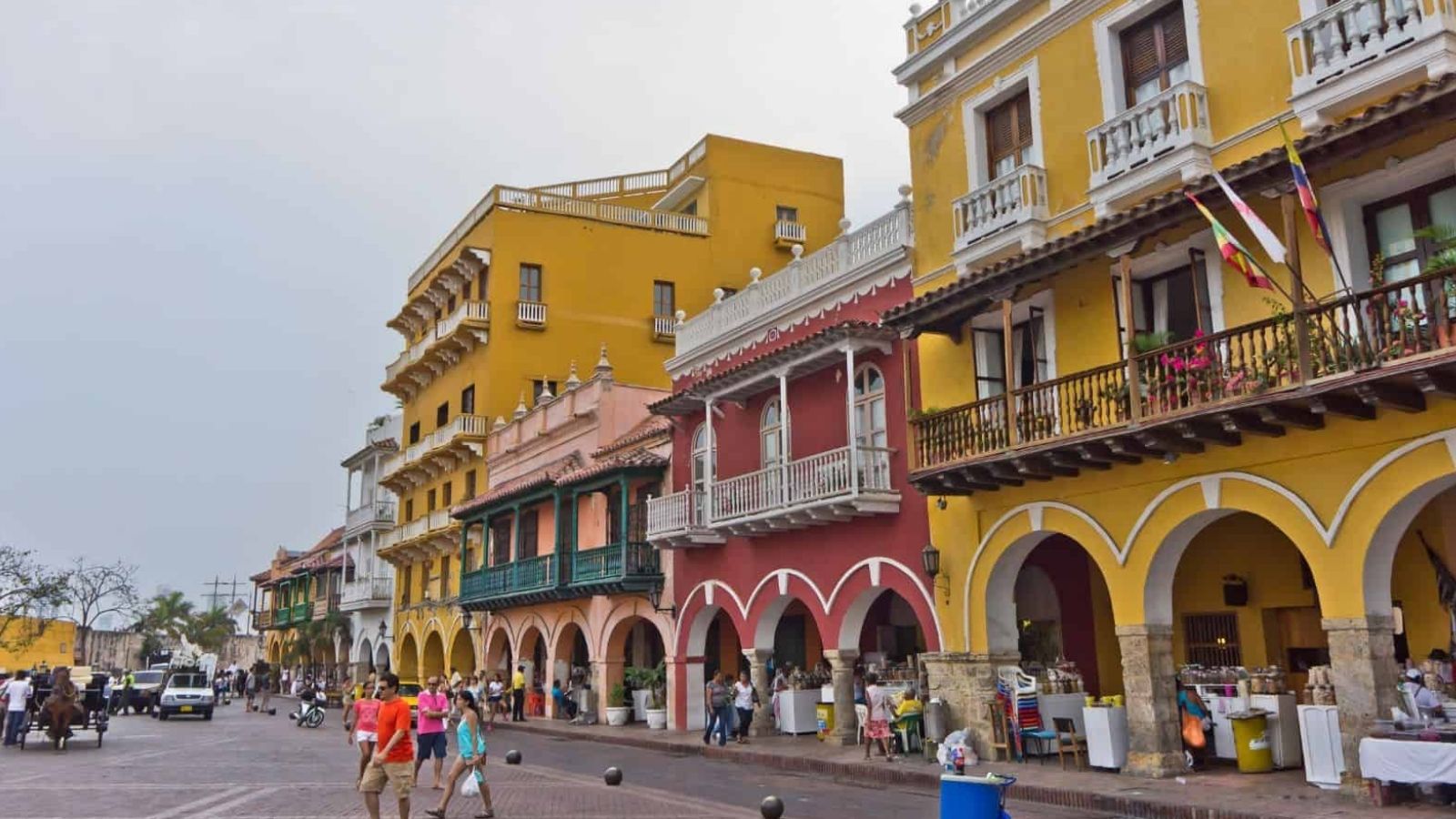
Colombia’s reputation still lags behind its reality. Many travelers expect instability, yet cities like Medellín and Cartagena feel organized and visitor-friendly. Public transit is structured, food culture is strong, and tourism infrastructure continues to improve. While awareness remains important, the atmosphere in major destinations feels far more stable than older narratives suggest.
Why it feels different: The country has evolved significantly, but perceptions have not fully caught up.
Saudi Arabia
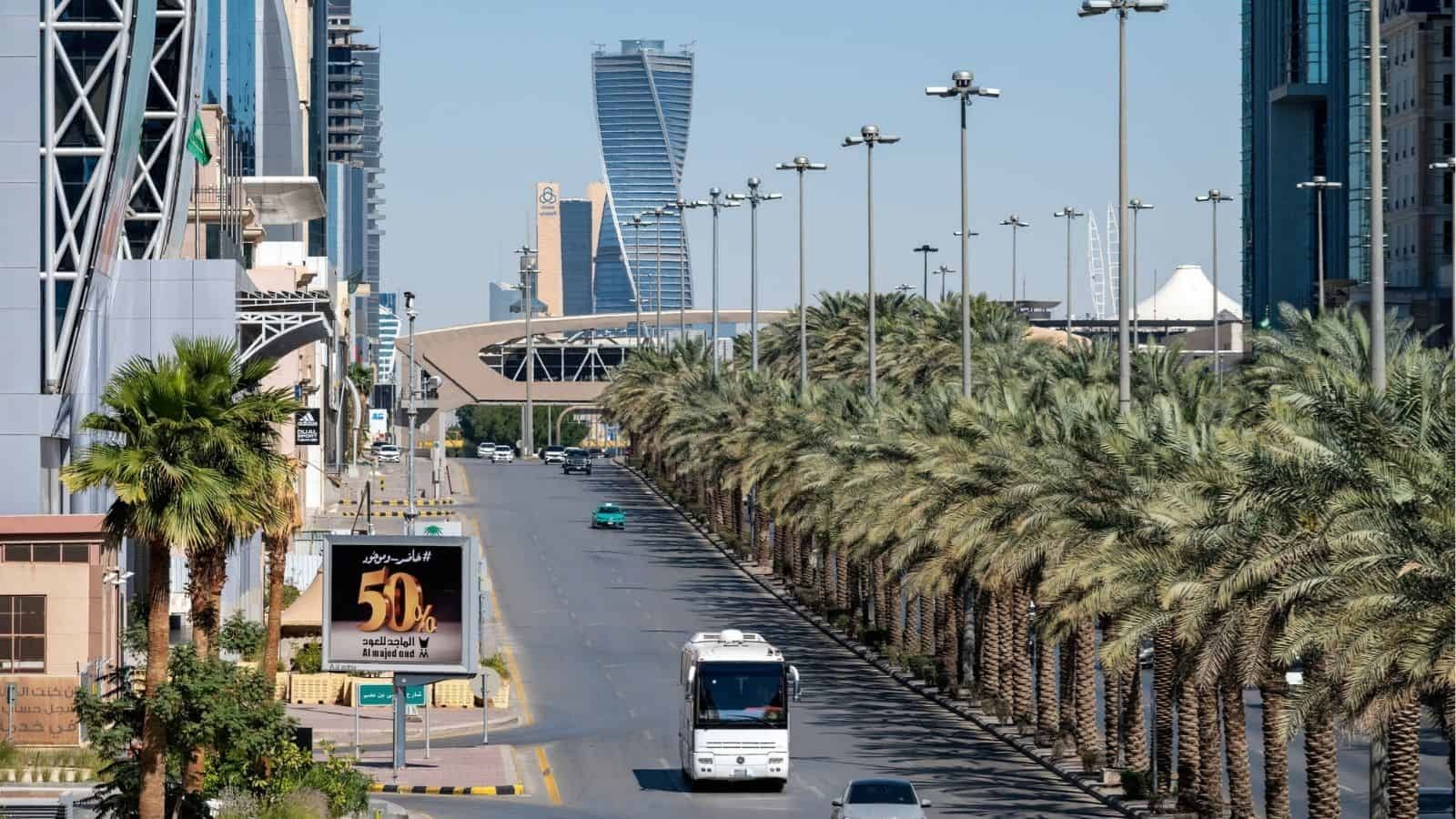
Saudi Arabia is often viewed as inaccessible, yet tourism access has expanded in recent years. Historic sites like AlUla and desert landscapes are now part of structured visitor programs. Infrastructure in major cities is modern, and organized tours simplify logistics. Cultural norms remain important, but travel is more approachable than many expect.
Why it feels different: Entry has become more streamlined and tourism more visible than assumed.
Japan
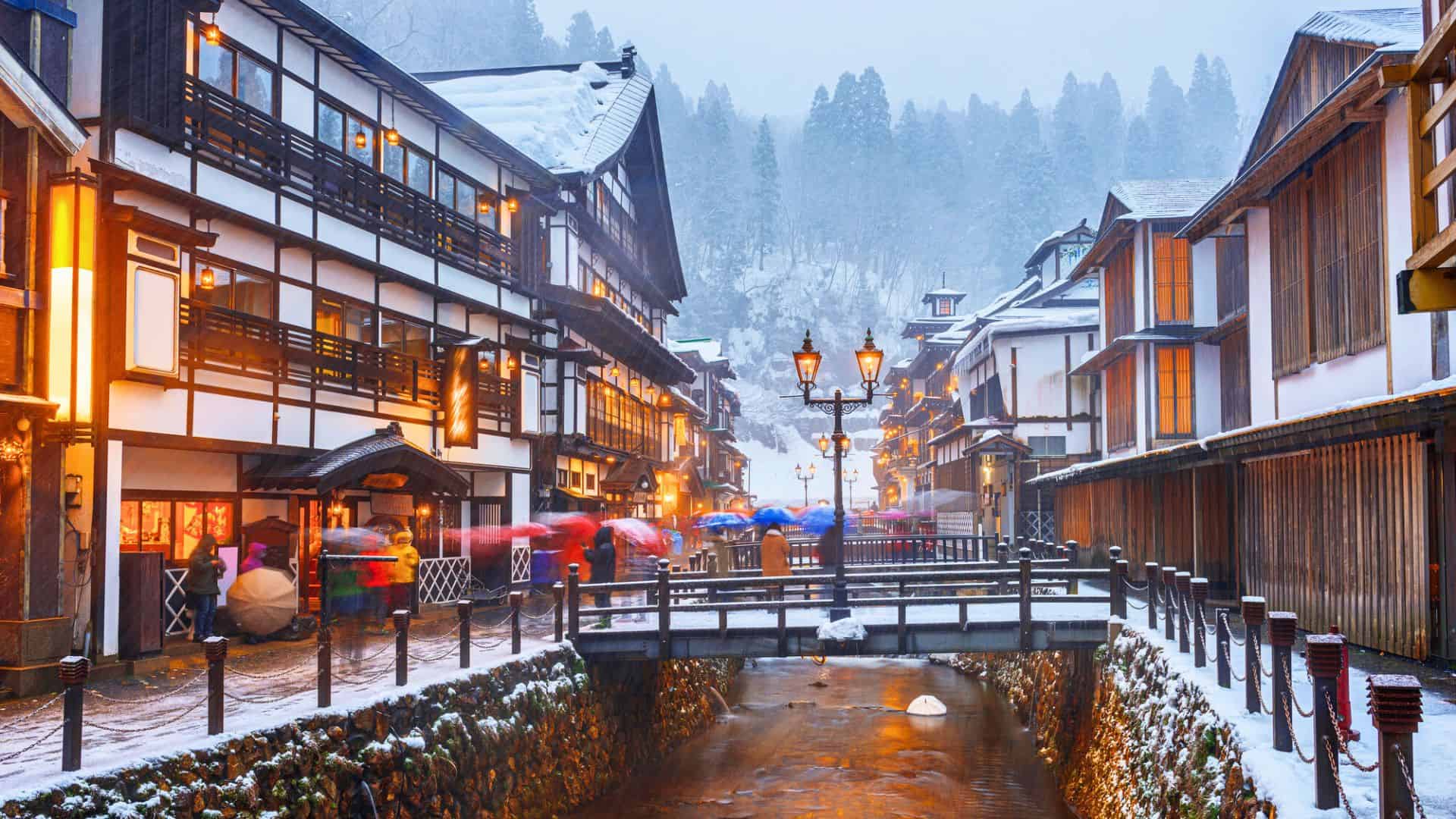
Japan is sometimes perceived as difficult due to language barriers and complex customs. In practice, signage is clear, transportation is precise, and navigation is efficient. While etiquette matters, systems are designed to function smoothly for visitors. Outside major cities, rural regions feel slower and more relaxed than the high-tech image suggests.
Why it feels different: The country balances structure with accessibility more than expected.
Mexico
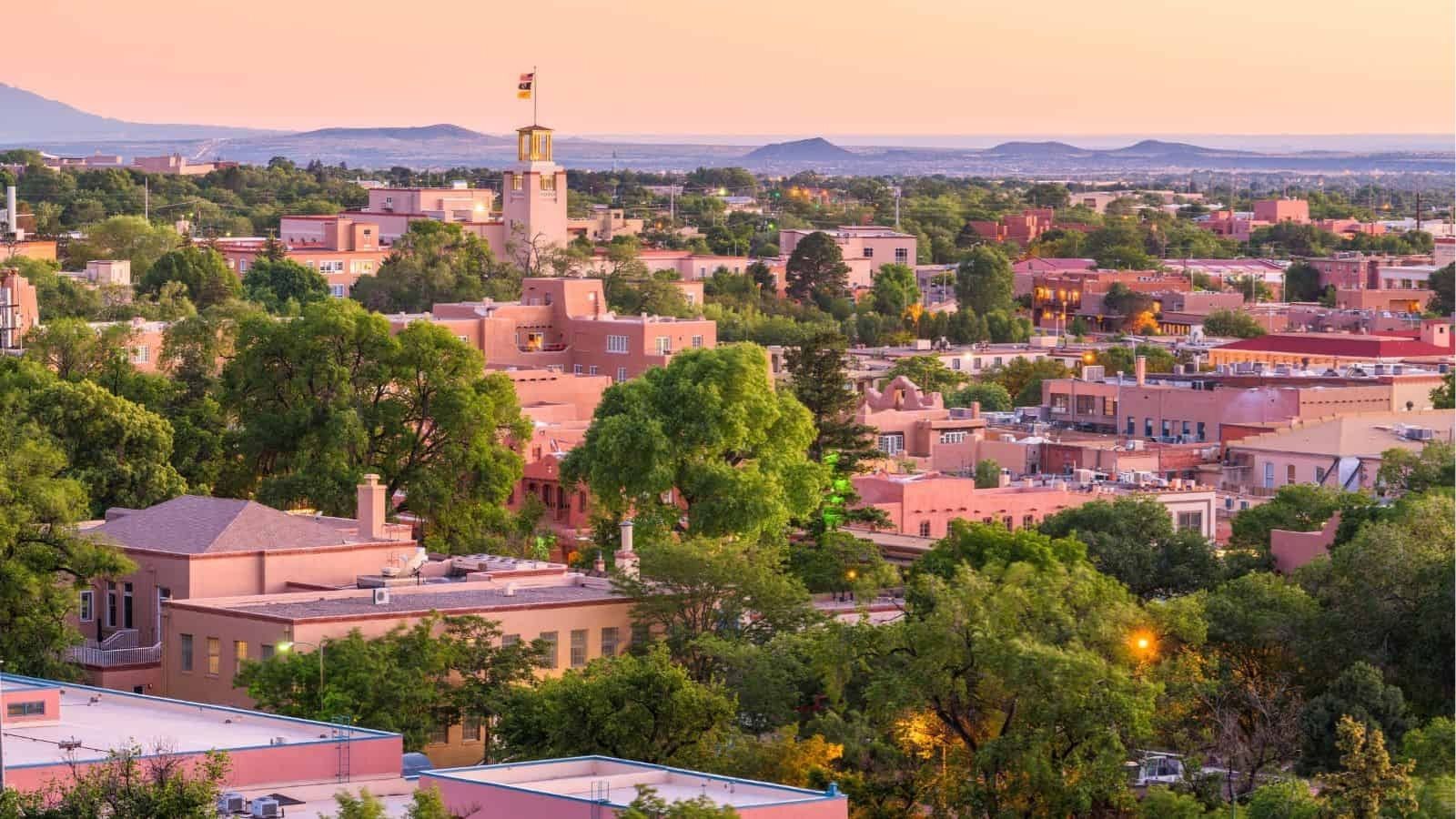
Mexico is often reduced to resort zones in public perception. Beyond those areas, colonial cities, mountain towns, and cultural centers reveal strong regional identity and daily rhythm. Infrastructure in major destinations is well developed, and food culture varies widely by region. While safety requires awareness, the travel experience feels broader and more layered than stereotypes suggest.
Why it feels different: Mexico offers depth far beyond its resort-focused image.
Germany
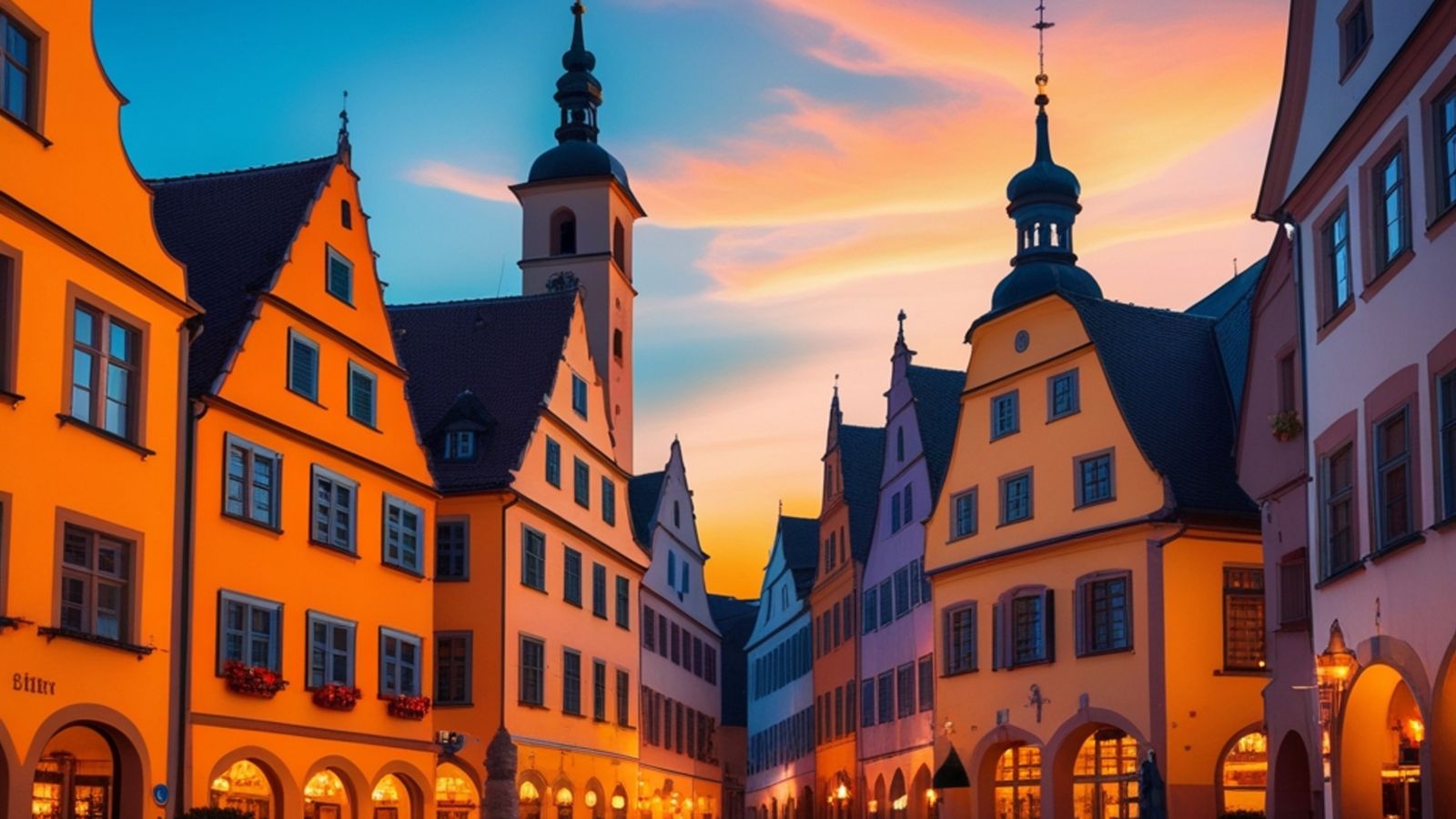
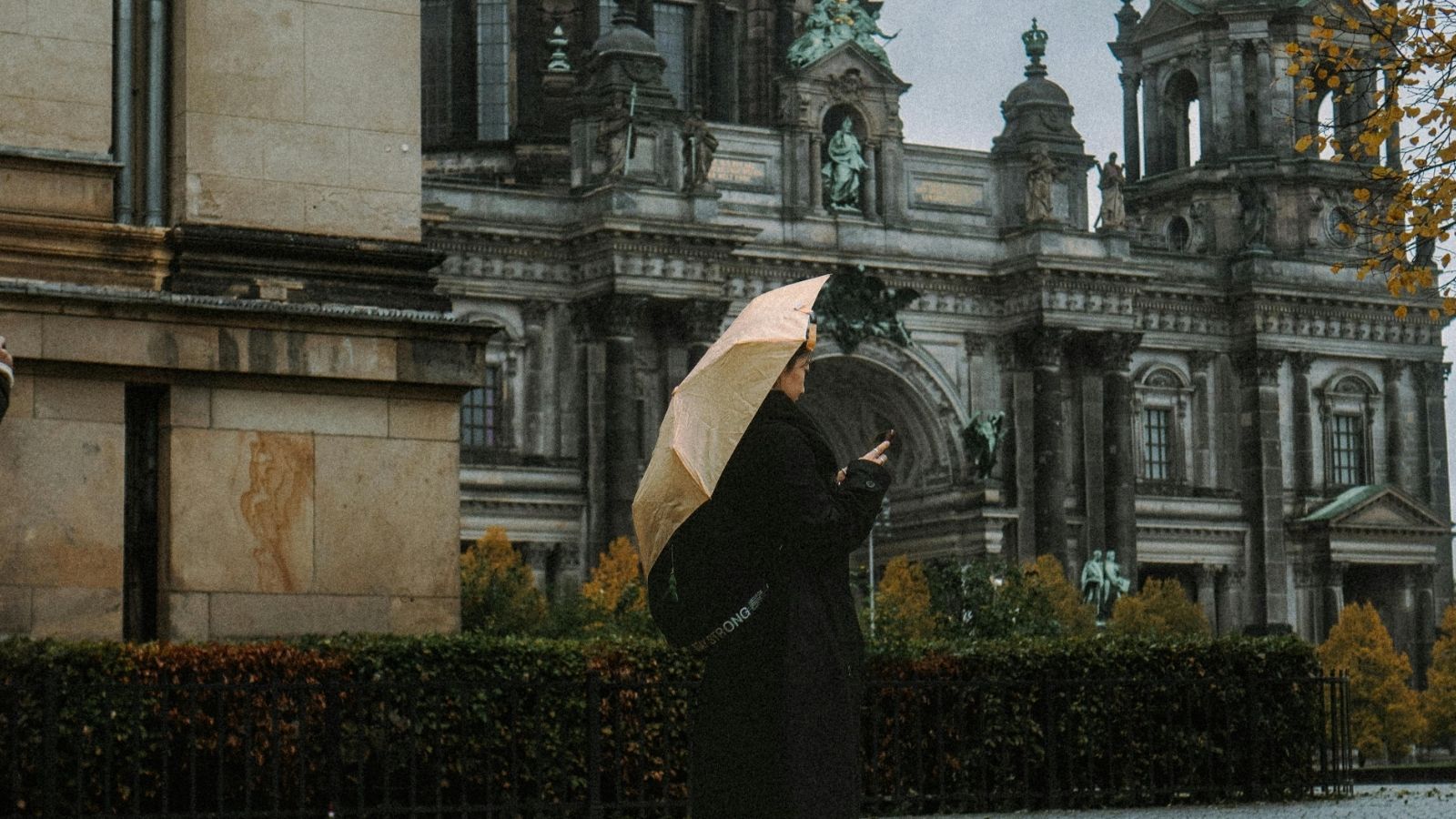
Germany is frequently described as formal and rigid. In reality, regional diversity shapes tone and pace. Bavarian towns feel relaxed, wine regions move slowly, and public spaces encourage long social evenings. Efficiency exists, but daily life feels grounded and approachable. Smaller cities often surprise visitors with calm neighborhoods and open green space.
Why it feels different: Structure does not eliminate warmth or regional character.
South Korea
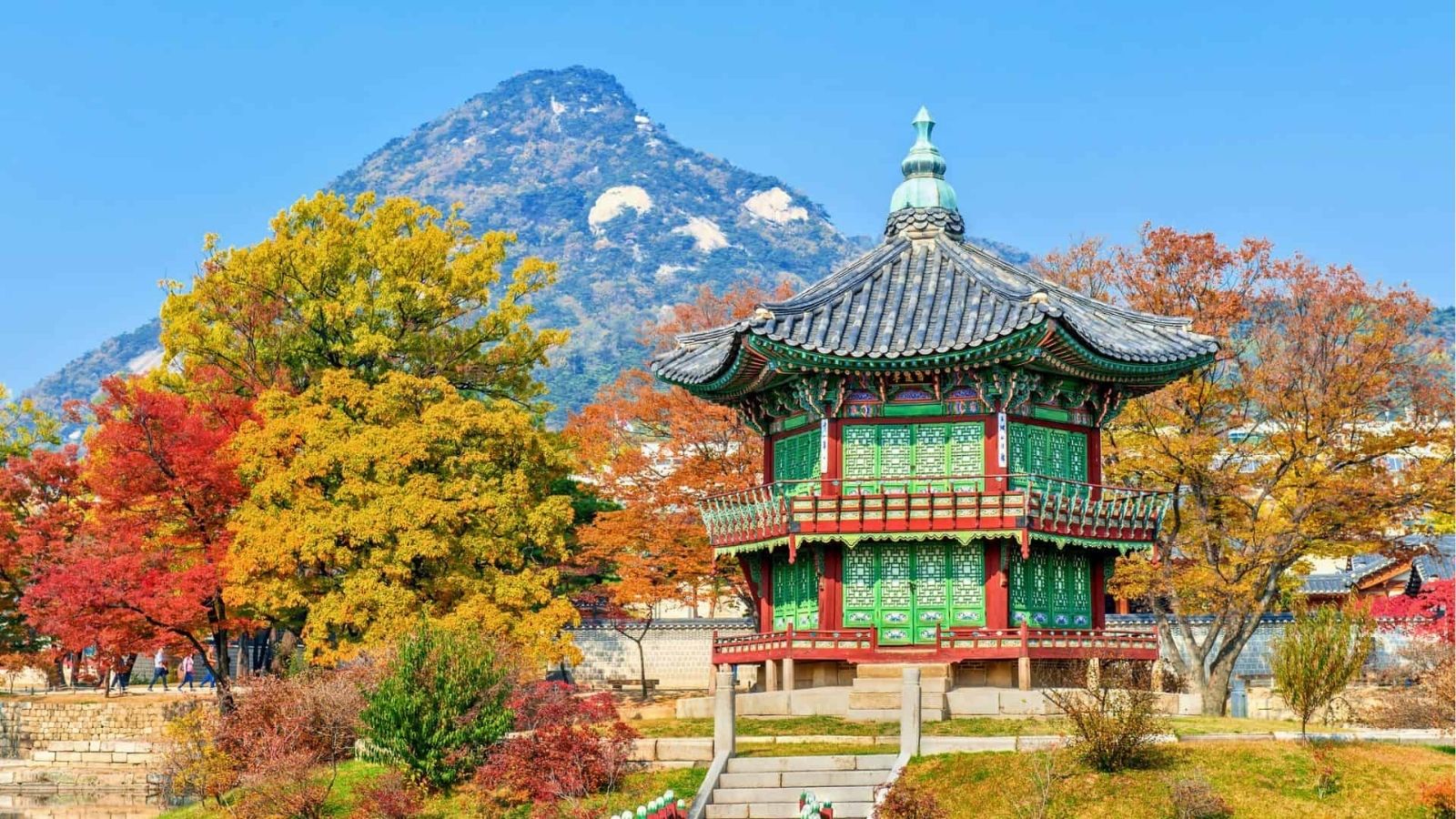
South Korea is often associated with fast-paced urban life. While Seoul moves quickly, coastal cities like Busan and smaller towns shift to a calmer rhythm. Traditional markets, mountain trails, and temple stays create space for slower travel. Infrastructure remains modern and efficient throughout.
Why it feels different: The country blends energy with pockets of stillness many do not expect.
Romania
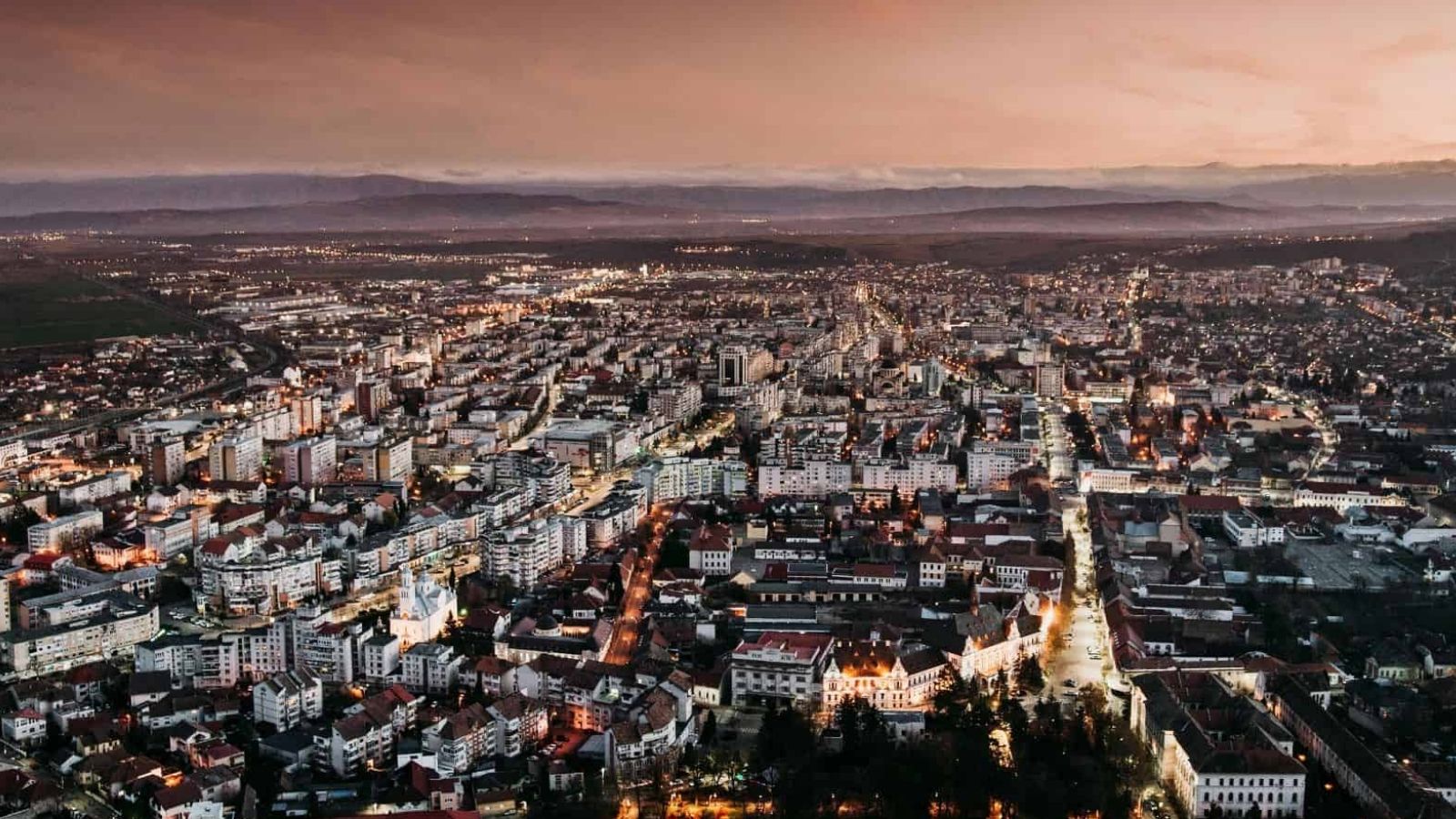
Romania sometimes carries outdated perceptions tied to its past. Today, cities like Cluj-Napoca and Brașov feel organized and walkable. Historic towns remain intact, and countryside regions support outdoor travel without heavy crowds. Costs are manageable compared to Western Europe.
Why it feels different: Romania offers architectural and natural depth that contradicts older assumptions.
Qatar
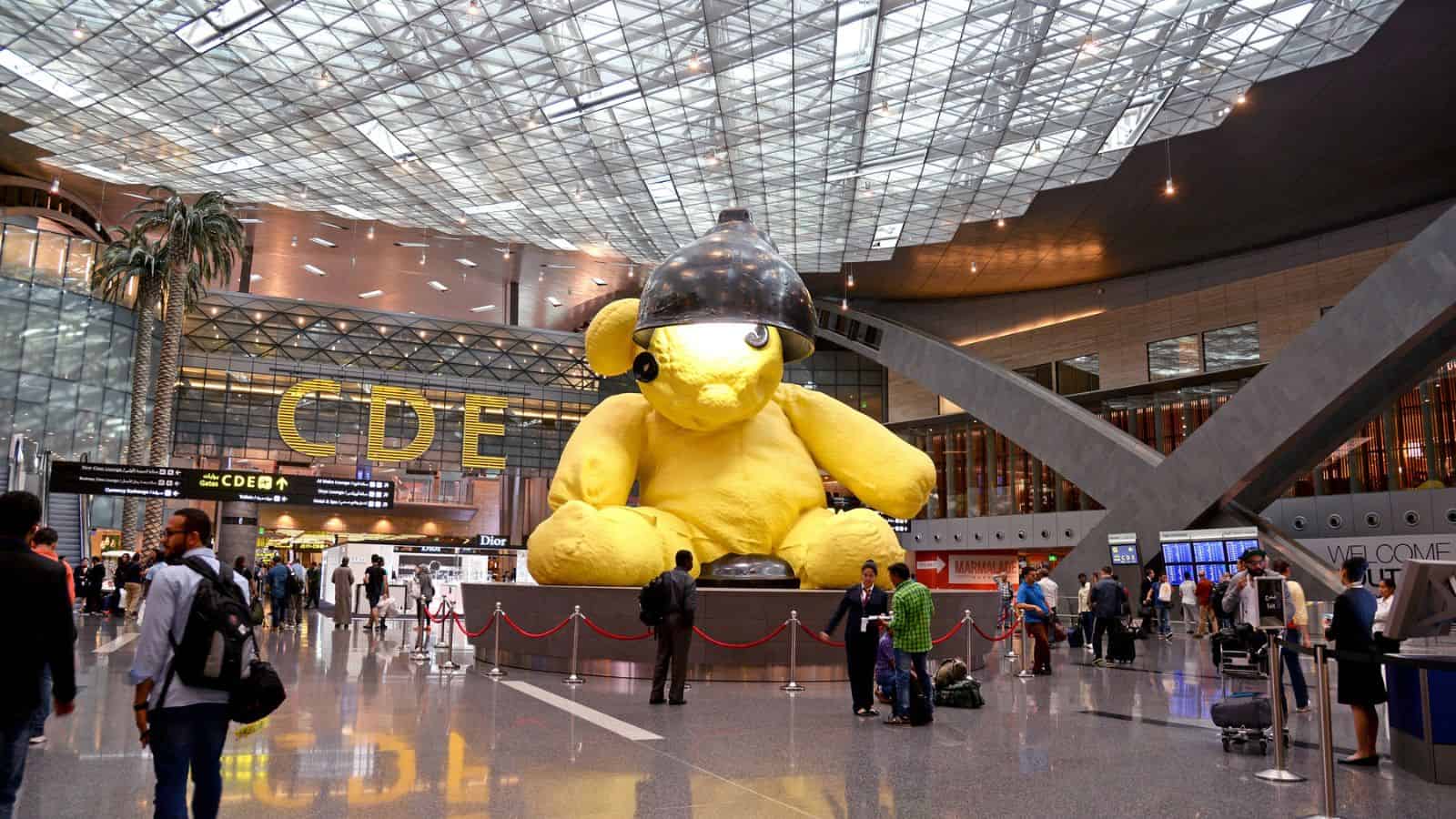
Qatar is often viewed solely through the lens of rapid development. While Doha’s skyline is modern, cultural institutions and preserved markets reveal strong heritage presence. Infrastructure is efficient, and travel logistics are simple within the capital. Beyond the city, desert landscapes shift the tone entirely.
Why it feels different: Tradition and contemporary development sit side by side.
Jordan
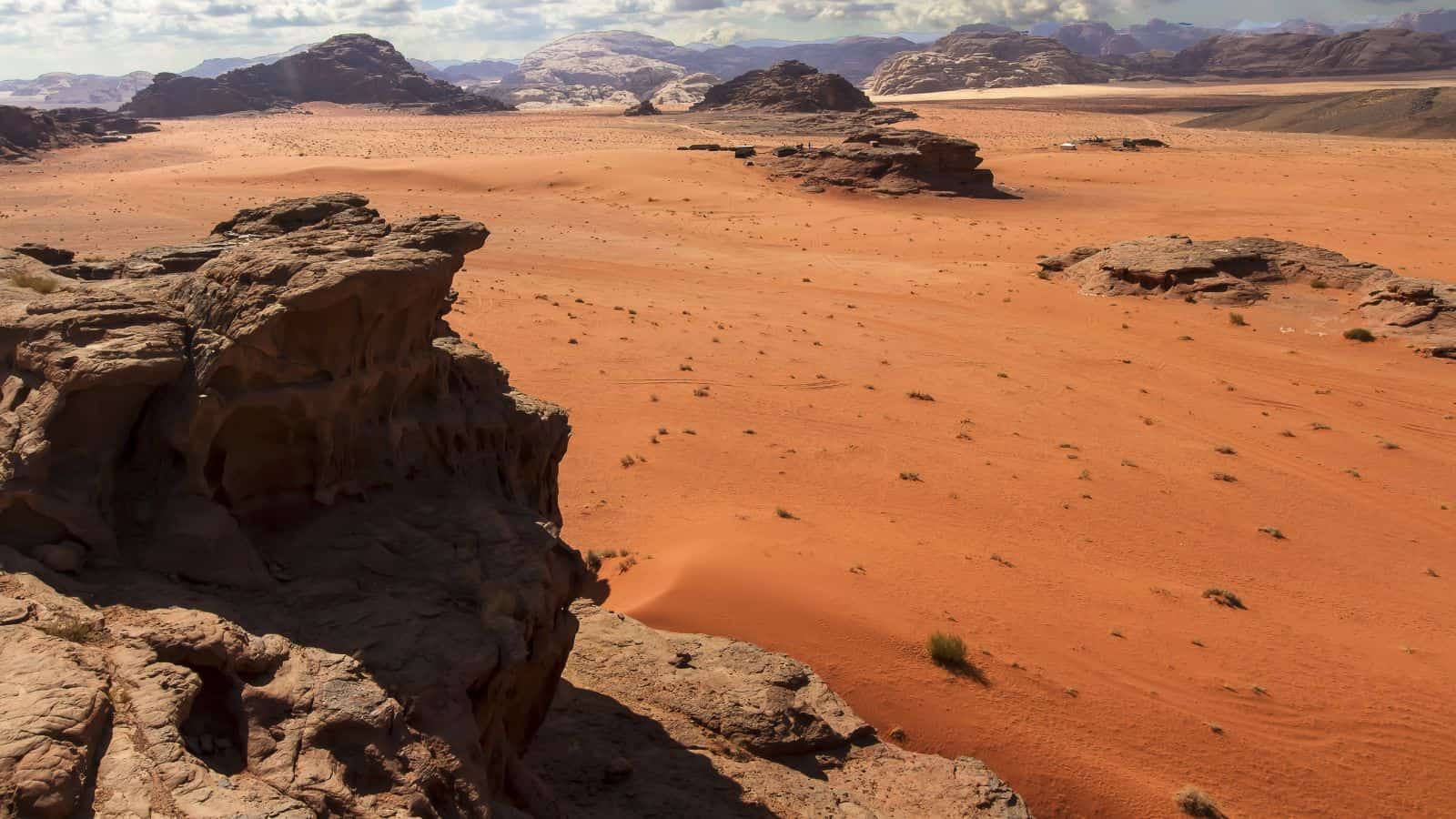
Jordan is sometimes perceived as difficult due to regional headlines. In practice, destinations like Petra and Wadi Rum are well organized and structured for visitors. Tourism services are established, and travel between major sites is straightforward. Hospitality plays a visible role in daily interactions.
Why it feels different: On-the-ground travel feels steadier than outside narratives imply.
10 Least-Visited Countries That Might Be the Trip of Your Life

Tired of fighting crowds at the Eiffel Tower or elbowing through Santorini’s sunset chaos? We get it. Sometimes the world’s most famous destinations feel more exhausting than enchanting. Here’s the thing: some of the most extraordinary places on Earth are the ones almost nobody visits. We’re talking about countries where you’ll have ancient ruins practically to yourself, where locals are genuinely thrilled to meet you, and where your travel stories will actually be original.
Learn more here: 10 Least-Visited Countries That Might Be the Trip of Your Life
11 Cheap Countries Popular With Backpackers

Backpacking isn’t just for solo travelers and twenty-somethings anymore. More and more couples are discovering that backpacking together is one of the most romantic and adventurous ways to travel. And the best part? It doesn’t have to drain your savings. Want amazing experiences, cultural immersion, and unforgettable memories without the luxury resort price tag? You’re in the right place.
Learn more here: 11 Cheap Countries Popular With Backpackers
