Airspace Restrictions Are Expanding Across Parts of the Middle East
Recent escalation of the war involving the United States, Israel, and Iran has triggered widespread airspace closures across the Middle East, disrupting global aviation far beyond the region itself.
Airspace in several countries like Iran, Iraq, Israel, Kuwait, Qatar, Bahrain, and the UAE has been closed or severely restricted in response to missile strikes and military activity tied to the conflict. These skies are normally busy corridors for international flights connecting Europe, Asia, Africa, and beyond.
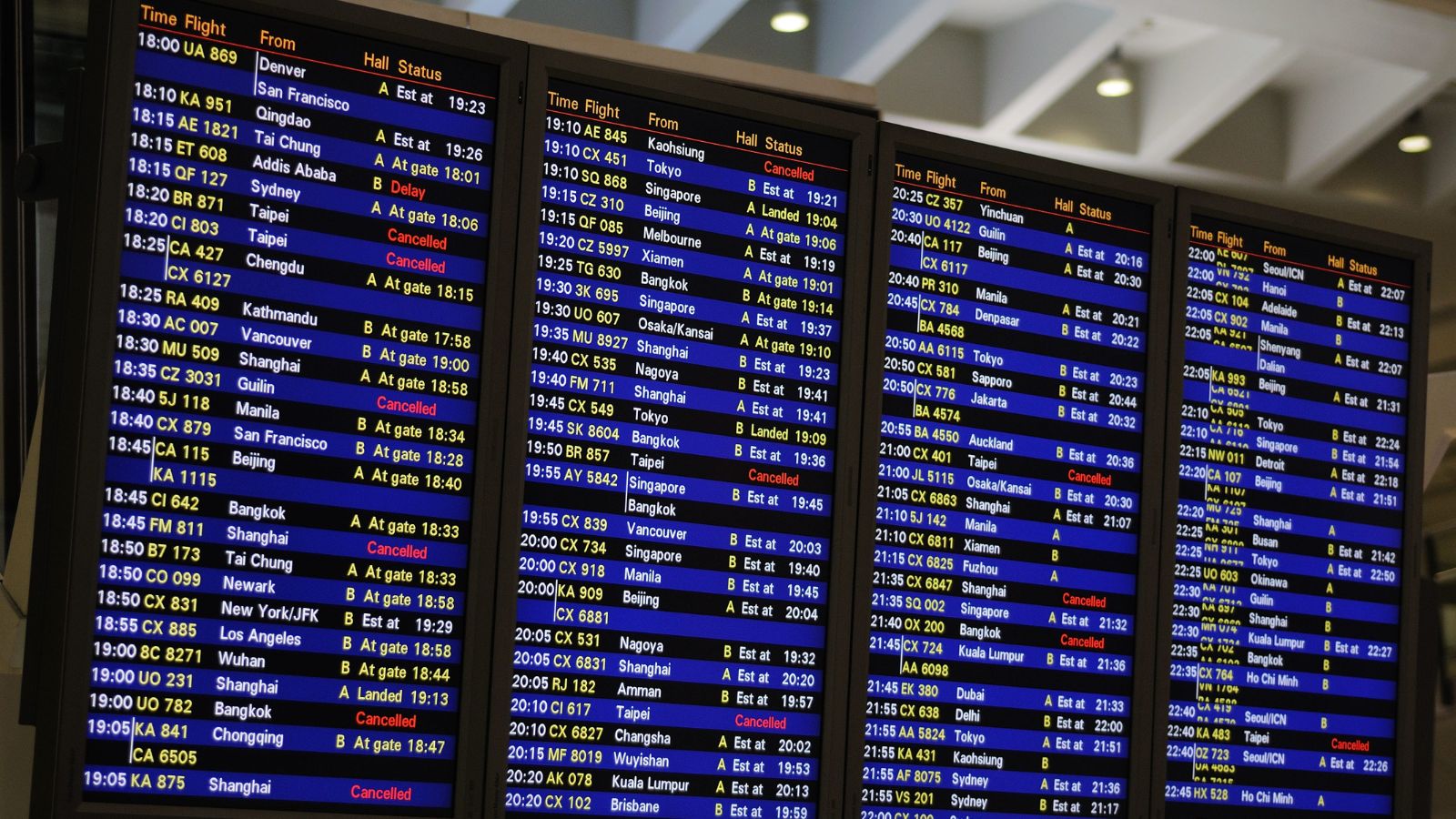
Major carriers have already felt the impact. Airlines such as Lufthansa, Air France, British Airways, Turkish Airlines, Emirates, and Qatar Airways have canceled flights to and from Middle Eastern hubs, while others are rerouting around affected airspace to maintain connections.
These flight adjustments are not isolated. More than 2,000 flights to and from Gulf-area airports were canceled in the early days of the conflict, including operations through Dubai, Abu Dhabi, and Doha, key global transit points.

What makes these developments especially noteworthy for international travel is that the disruptions extend beyond the immediate region.
Long-haul flight routes that normally cross Middle Eastern skies are being diverted, lengthening journey times and often adding fuel costs. Airlines now rely on alternative corridors through northern or southern routes, which increases flying distance and can push departure times later or expand layovers unexpectedly.
These changes affect travelers even if their final destination lies far from conflict zones. Passengers connecting through affected hubs may face cancellations, longer travel times, or the need to rebook through third or fourth cities. Governments and airlines are offering refund and flexible rebooking options as they navigate an evolving aviation landscape.

Insurance and risk considerations are shifting as well. Policies that cover disruptions due to geopolitical events factor in the likelihood of ongoing airspace volatility, potentially influencing available coverage for delays and rerouting.
Understanding this dynamic helps us prepare better plans. When airspace restrictions expand, flexibility becomes essential—choosing refundable tickets, building buffer time between connections, and monitoring flight alerts closely.
Major regional conflicts do not stay contained. Their effects reach our itineraries, schedules, and expectations. Staying informed and adaptable allows us to travel smarter, even when flight paths shift under changing skies.
