Travel Insurance Matters More During Periods of Geopolitical Tension
We booked the flight. We chose the hotel. We map the restaurants we want to try. Insurance is usually the last tab we open. Sometimes it is the one we close. Until the world shifts.
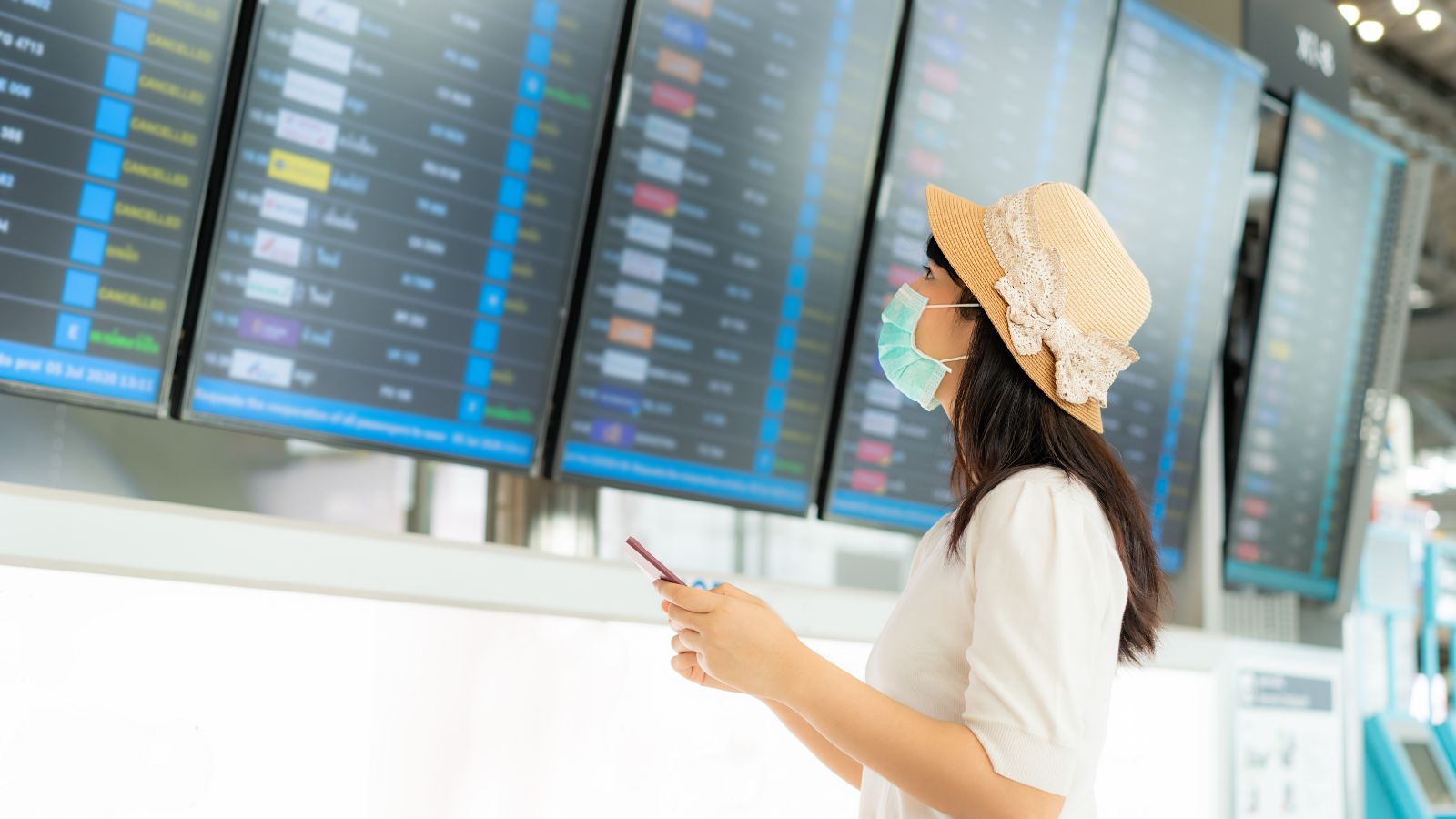
Geopolitical tension rarely announces itself politely. A headline appears. Airspace closes. A connecting city you were never planning to visit suddenly becomes the reason your flight disappears from the board. The destination may remain calm. The route does not.
That is when insurance stops feeling optional.

Most trips move forward without incident. That is what makes skipping coverage feel harmless. But instability does not always cancel a vacation outright. It complicates it. Delays stretch overnight. Connections vanish. Airlines reroute across longer corridors. One adjustment triggers another.
Without protection, those adjustments become personal expenses. Trip interruption coverage is not dramatic. It is practical. It reimburses unused hotel nights when you cannot arrive. It covers prepaid tours you miss because your inbound flight was grounded. It softens the financial impact of events you did not cause and could not predict.
Medical coverage matters differently during tense periods. Healthcare systems can feel strained when regions face uncertainty. Even in stable destinations, evacuation routes may change. Airlifts are costly under normal conditions. During instability, they become even more complex. Adequate evacuation limits are not something we think about until we need them.
Timing plays a quiet role. Insurance works best when purchased early. Waiting until a situation escalates can limit coverage. Policies often draw a line between unforeseen events and known risks. That line matters more than most travelers realize.

Reading the details feels tedious. It rarely inspires excitement. But within those paragraphs sit the protections that determine whether a disruption becomes a story or a setback. Insurance does not make travel fearless. It makes it steadier.
When tensions rise, uncertainty expands beyond borders. It reaches flight paths, schedules, and infrastructure. Coverage cannot prevent disruption. It can absorb its impact. We travel for perspective, for connection, for experience. Not for financial exposure.
During calm periods, insurance feels like paperwork. During geopolitical tension, it feels like preparation. And preparation has a quiet way of preserving peace of mind long before anything goes wrong.
