11 Underrated Countries Travelers Quietly Recommend
Some of the best travel advice does not come from guidebooks. It comes from quiet recommendations shared after a trip that exceeded expectations. These are countries travelers mention almost in passing, then quickly add that they would return without hesitation.
Underrated destinations often succeed because they do not feel overmanaged or overexposed. They offer strong infrastructure, welcoming atmospheres, and varied experiences without the intensity of constant crowds. For couples, that can translate into easier logistics and a pace that feels more natural.
Many of these countries are not unknown. They are simply overshadowed by nearby neighbors or more famous cities. That often means better value, shorter lines, and a chance to explore without feeling rushed. The experience feels balanced rather than overprogrammed.
We have looked at the places experienced travelers consistently recommend once the conversation turns practical. This list highlights 11 underrated countries travelers quietly recommend, especially for couples who want depth, ease, and the kind of trip people talk about long after returning home.
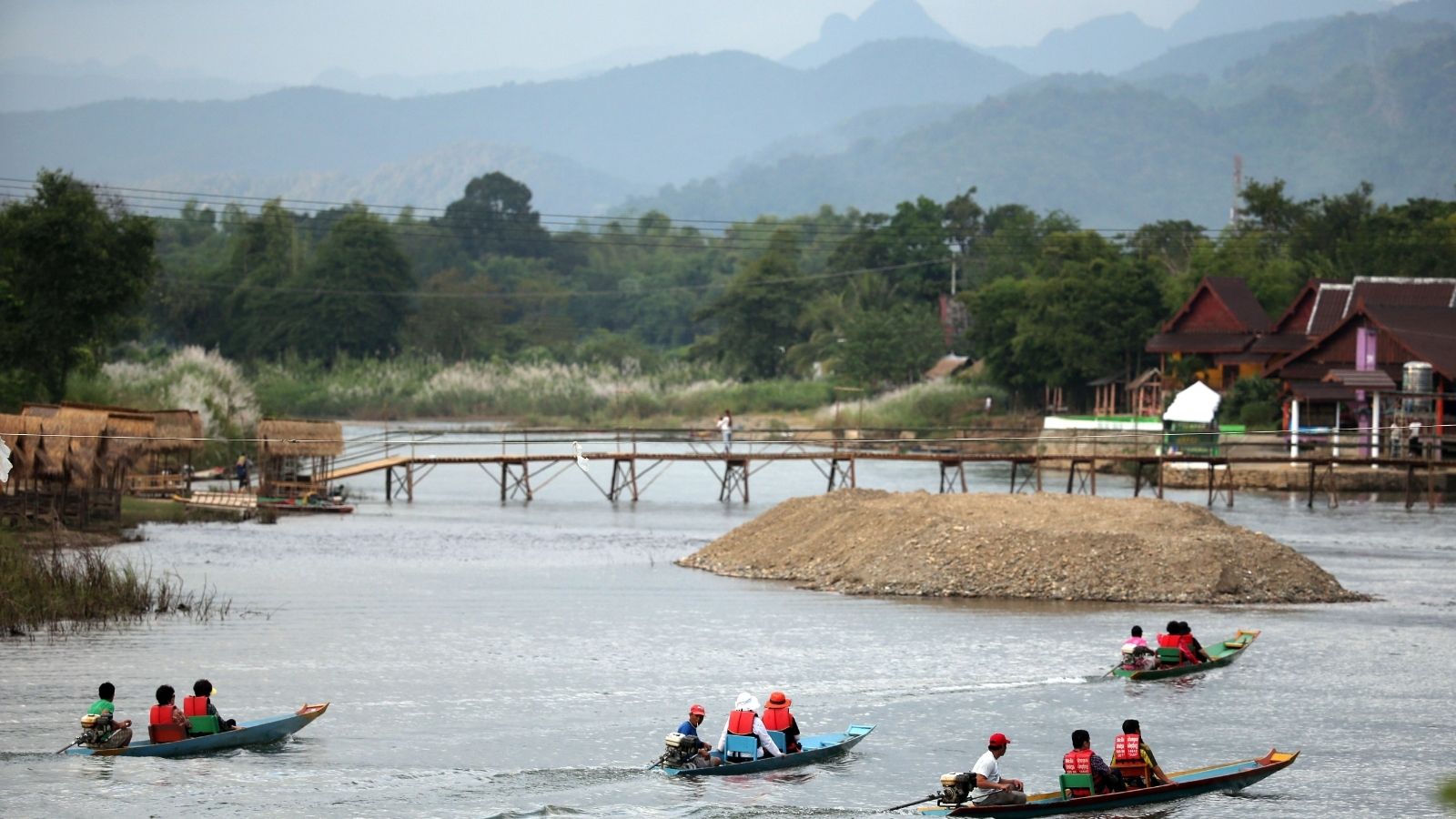
Slovenia
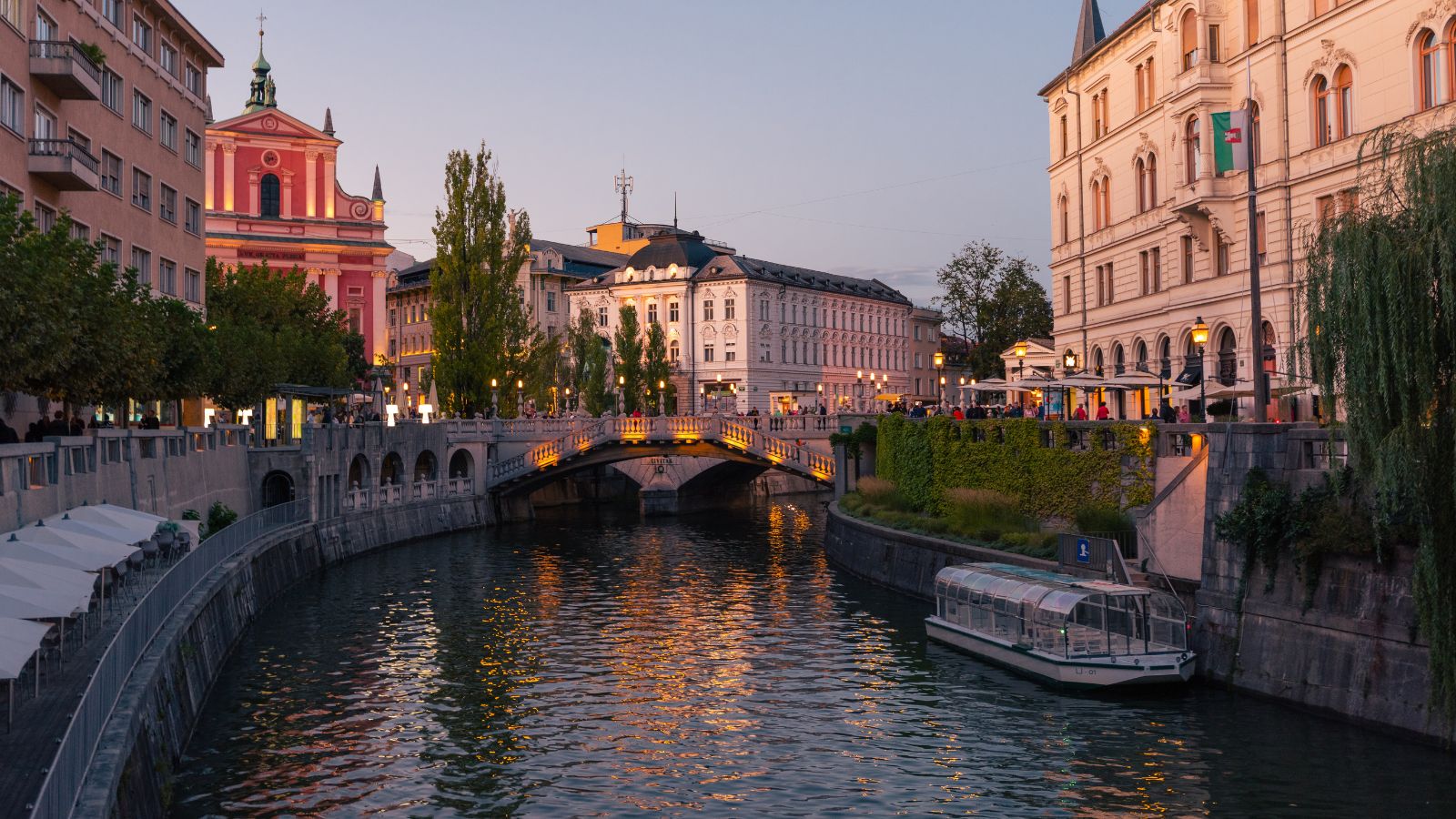
Slovenia often surprises travelers with how much fits into a compact footprint. Lake Bled, Ljubljana’s walkable center, alpine landscapes, and coastal towns sit within manageable driving distance of one another. Infrastructure is reliable, roads are well maintained, and English is widely spoken in tourism settings. Outdoor access feels immediate, whether hiking in Triglav National Park or exploring caves and rivers. Crowds remain lighter than in neighboring Italy or Austria, even in peak months.
Why travelers recommend it: Slovenia delivers variety without requiring long internal transfers.
Georgia
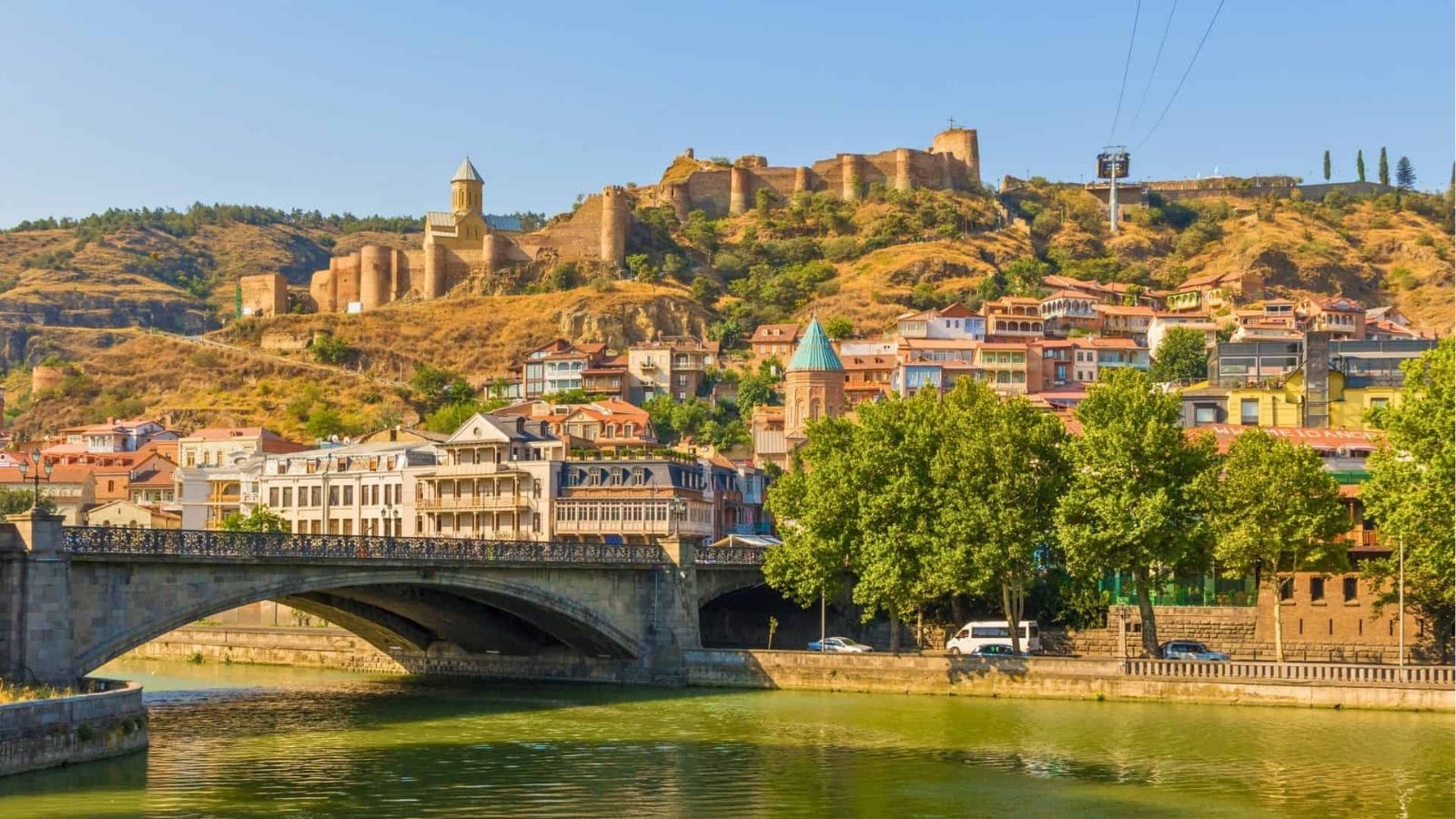
Georgia blends mountain scenery, historic architecture, and strong food culture into one approachable destination. Tbilisi’s old town feels layered but manageable, and regional travel opens access to wine regions and alpine villages. Hospitality plays a central role in daily life, and traditional meals stretch into long gatherings. Costs remain moderate compared to much of Europe. Transportation between major areas is straightforward, though rural travel requires planning.
Why travelers recommend it: Georgia pairs dramatic landscapes with grounded, welcoming traditions.
Albania
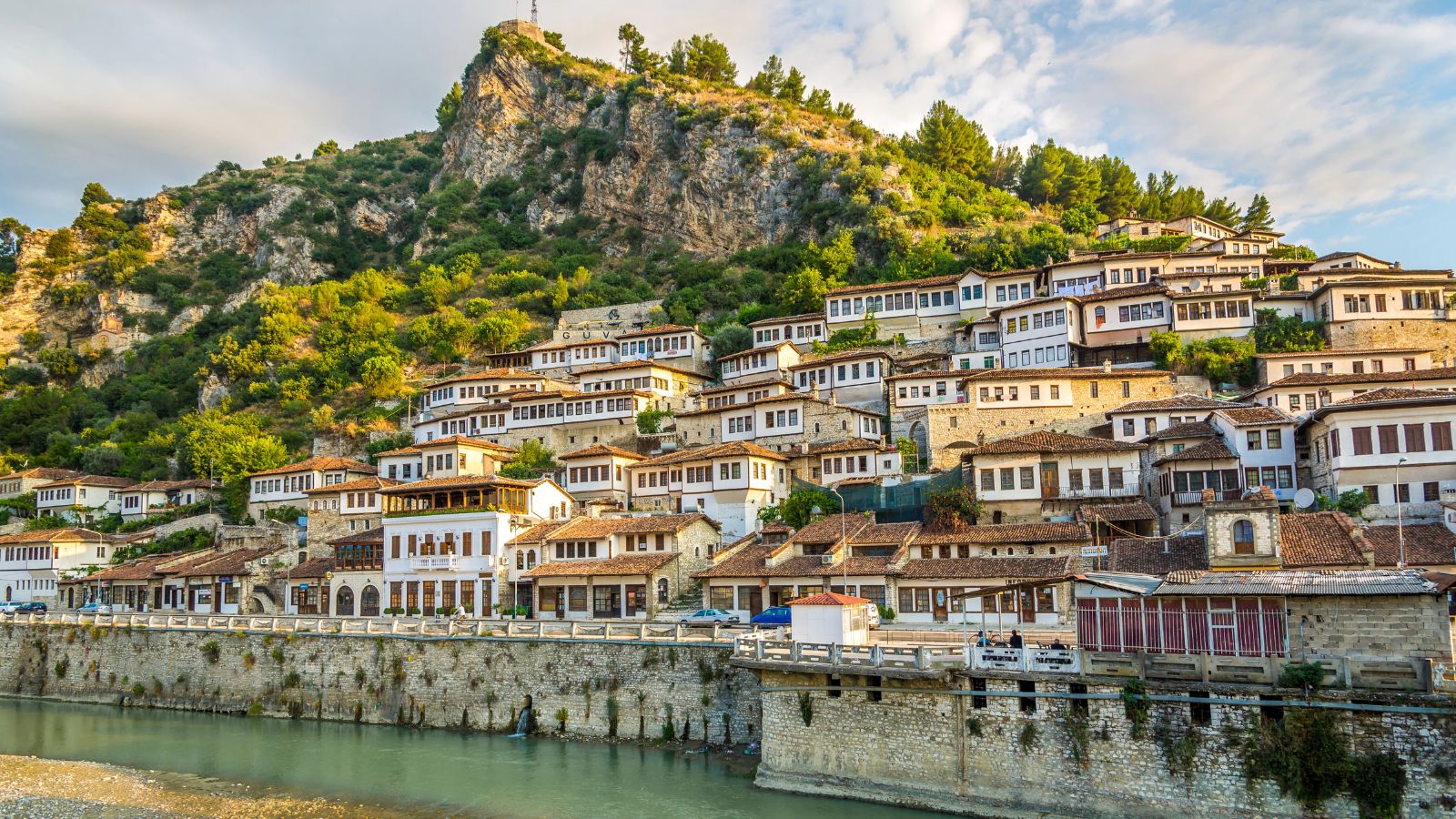
Albania offers Mediterranean coastline without the density found elsewhere along the Adriatic. The Albanian Riviera provides clear water and smaller towns that move at a slower pace. Inland, historic cities such as Berat and Gjirokastër maintain strong architectural character. Tourism infrastructure continues to develop, but pricing remains accessible. Roads have improved significantly, making self-drive itineraries realistic.
Why travelers recommend it: Albania combines coastal scenery and history at a more relaxed scale.
Uruguay
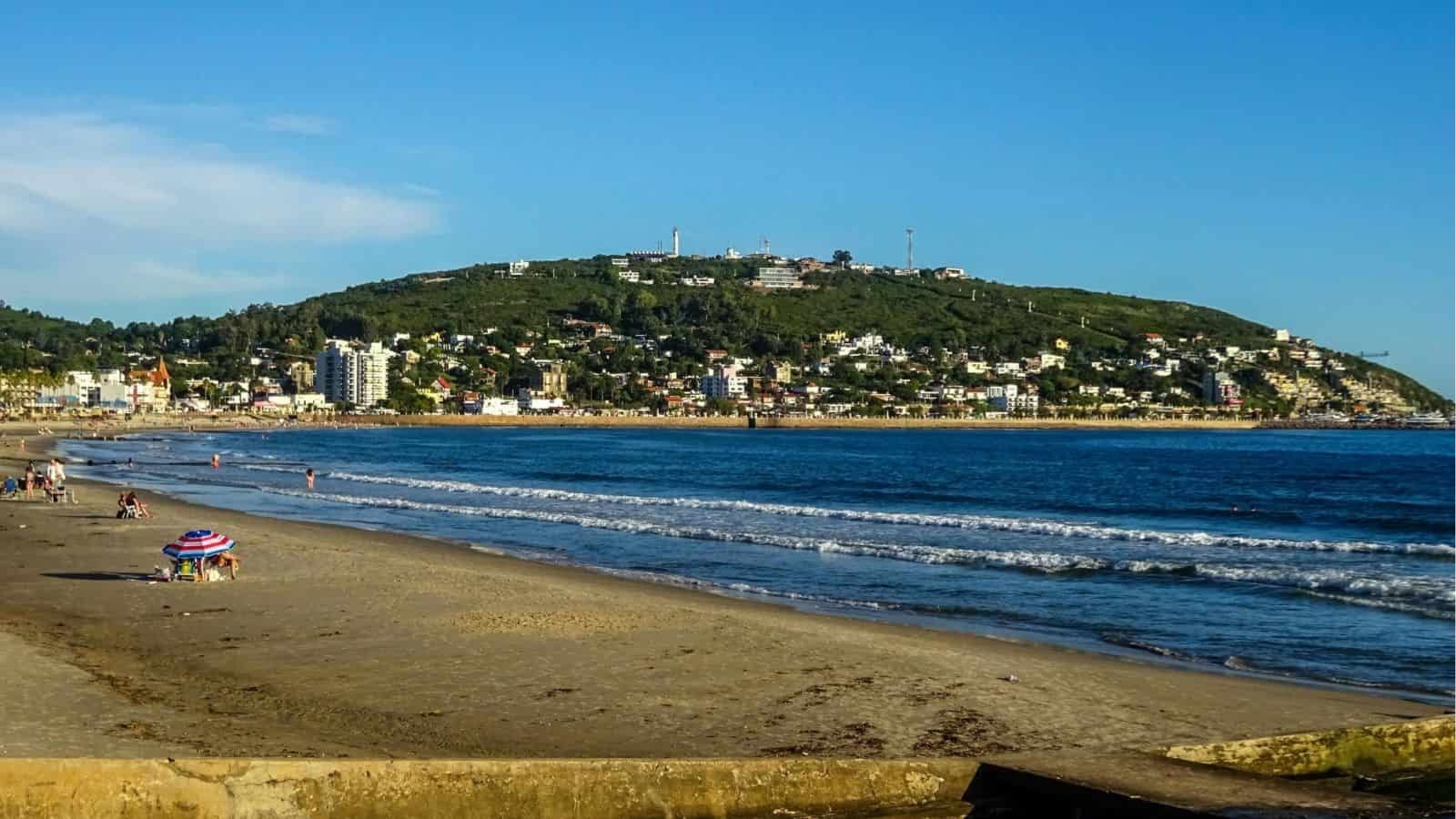
Uruguay feels steady rather than hurried. Montevideo and Colonia del Sacramento offer walkable centers, and coastal towns like Punta del Este shift the atmosphere without overwhelming visitors. The country’s scale makes multi-stop itineraries manageable within a short trip. Food culture centers on shared meals and open-air markets. Compared to neighboring destinations, tourism remains quieter and less commercialized.
Why travelers recommend it: Uruguay offers coastal access and urban life without heavy crowds.
Romania
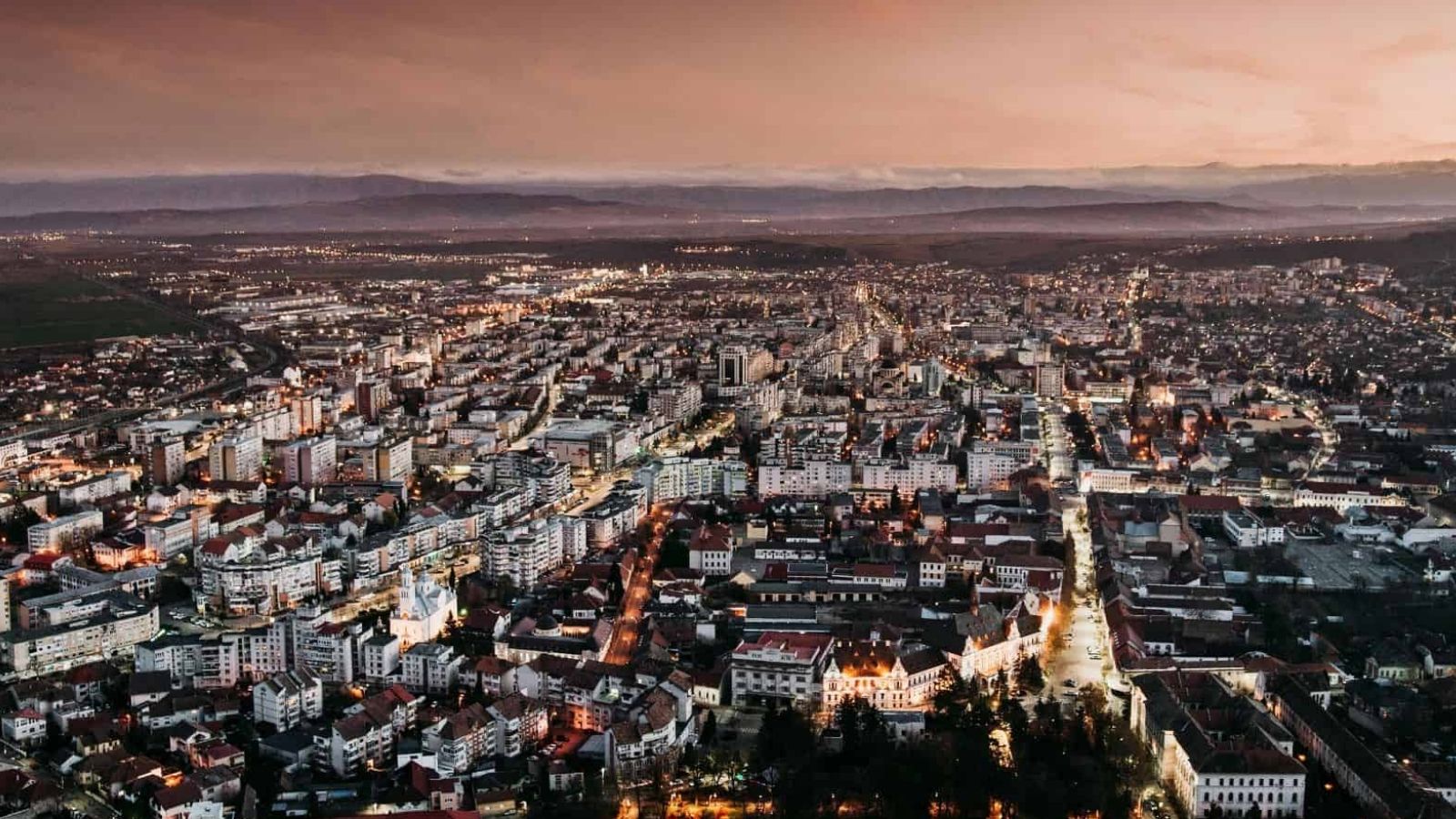
Romania blends mountain scenery, medieval towns, and rural landscapes into one varied itinerary. Transylvania’s historic centers remain walkable and visually intact, while the Carpathian Mountains support hiking and outdoor time. Costs are moderate compared to Western Europe, and visitor numbers stay manageable outside peak months. Transportation networks connect major cities efficiently, though rural areas require flexibility.
Why travelers recommend it: Romania delivers architectural depth and natural access without dense tourism pressure.
Oman
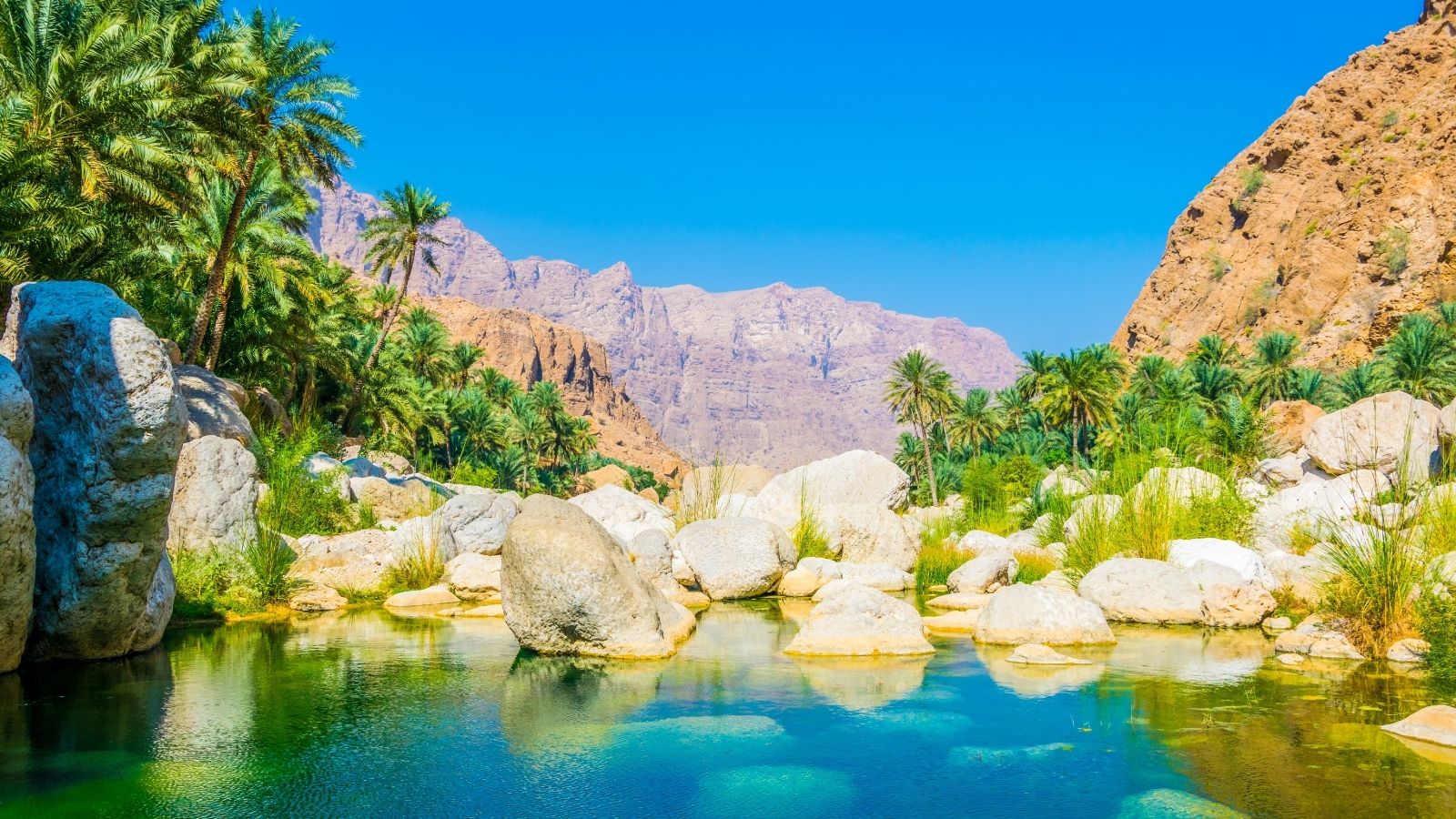
Oman combines desert landscapes, mountain villages, and a long coastline without large-scale tourism pressure. Muscat remains orderly and low-rise, preserving traditional architecture rather than dense development. Roads are well maintained, making self-drive itineraries practical across varied terrain. Wadis and desert camps offer access to nature without heavy infrastructure. Visitor numbers remain moderate compared to neighboring destinations.
Why travelers recommend it: Oman provides dramatic landscapes and cultural continuity without heavy crowds.
Laos
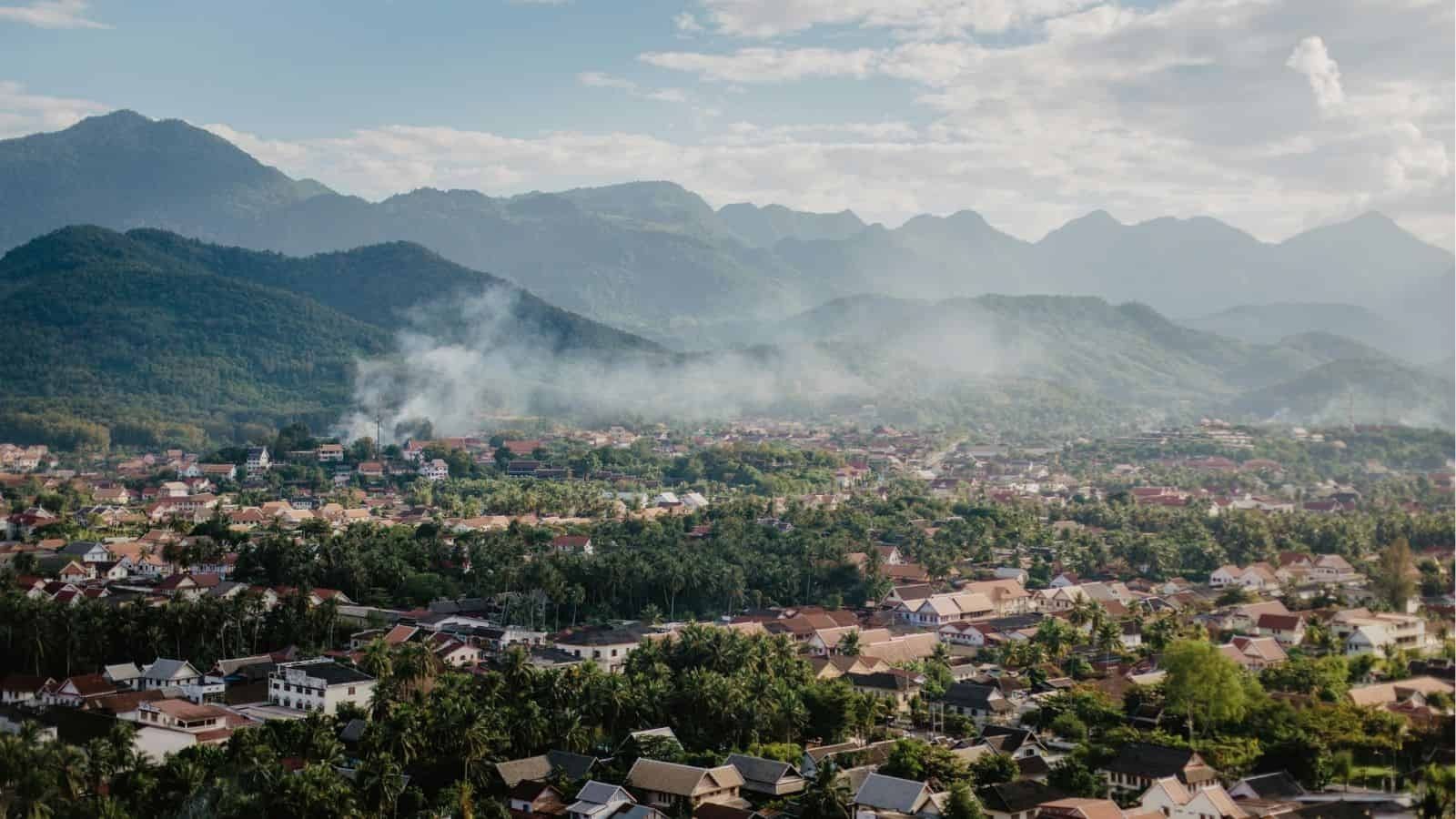
Laos moves at a slower pace than much of Southeast Asia. Luang Prabang blends riverfront scenery with preserved temples and a compact, walkable center. Daily life unfolds calmly, and tourism remains measured rather than dense. Costs are moderate, and regional travel by train or road connects major hubs. Rural areas maintain strong ties to traditional crafts and agriculture.
Why travelers recommend it: Laos offers cultural depth and river landscapes without rapid development.
Namibia
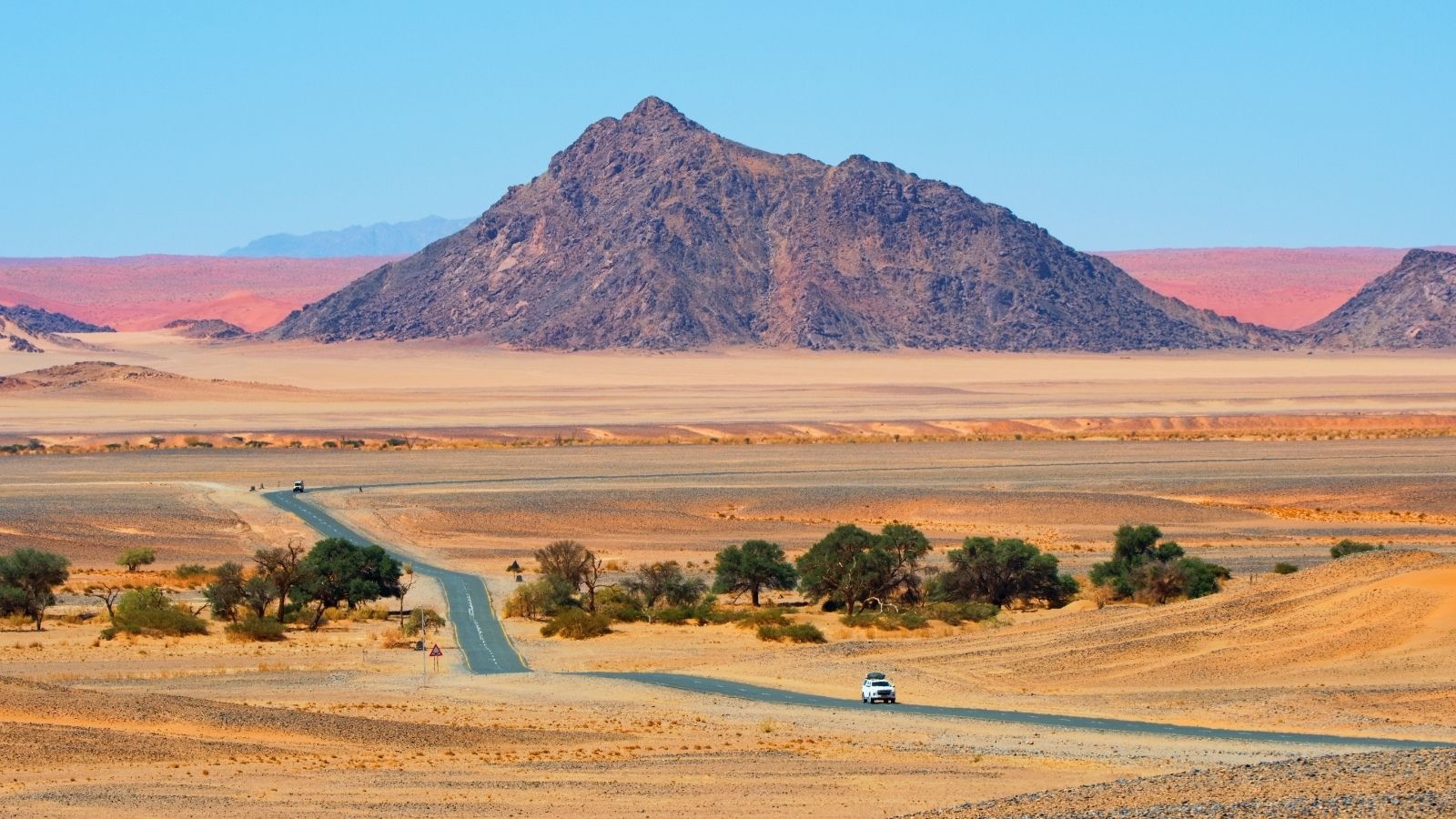
Namibia stands out for vast desert landscapes and low population density. National parks such as Etosha provide wildlife viewing without heavy vehicle congestion. The Namib Desert and coastal towns add contrast within manageable driving routes. Self-drive travel is common, supported by clear roads and structured park systems. Visitor numbers remain lower than in many African safari destinations.
Why travelers recommend it: Namibia combines open space and wildlife access without dense tourism infrastructure.
Estonia
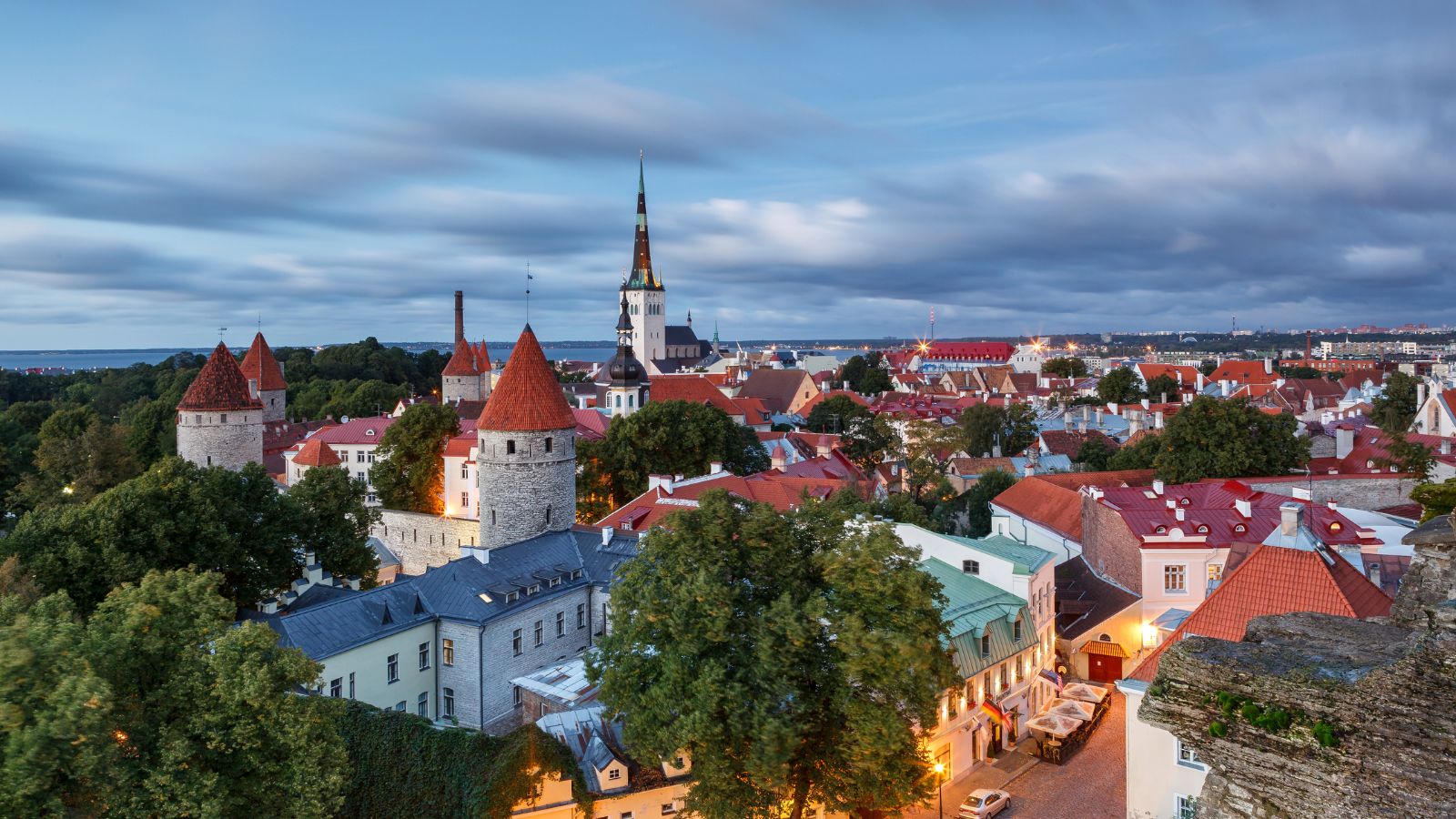
Estonia blends medieval architecture with modern digital infrastructure. Tallinn’s old town remains compact and easy to explore, while forests and coastline sit within short distance of the capital. Public services and transportation are efficient, and crowds are lighter than in much of Western Europe. Seasonal changes reshape the experience, especially during summer and winter markets.
Why travelers recommend it: Estonia offers historic depth paired with manageable scale.
Montenegro
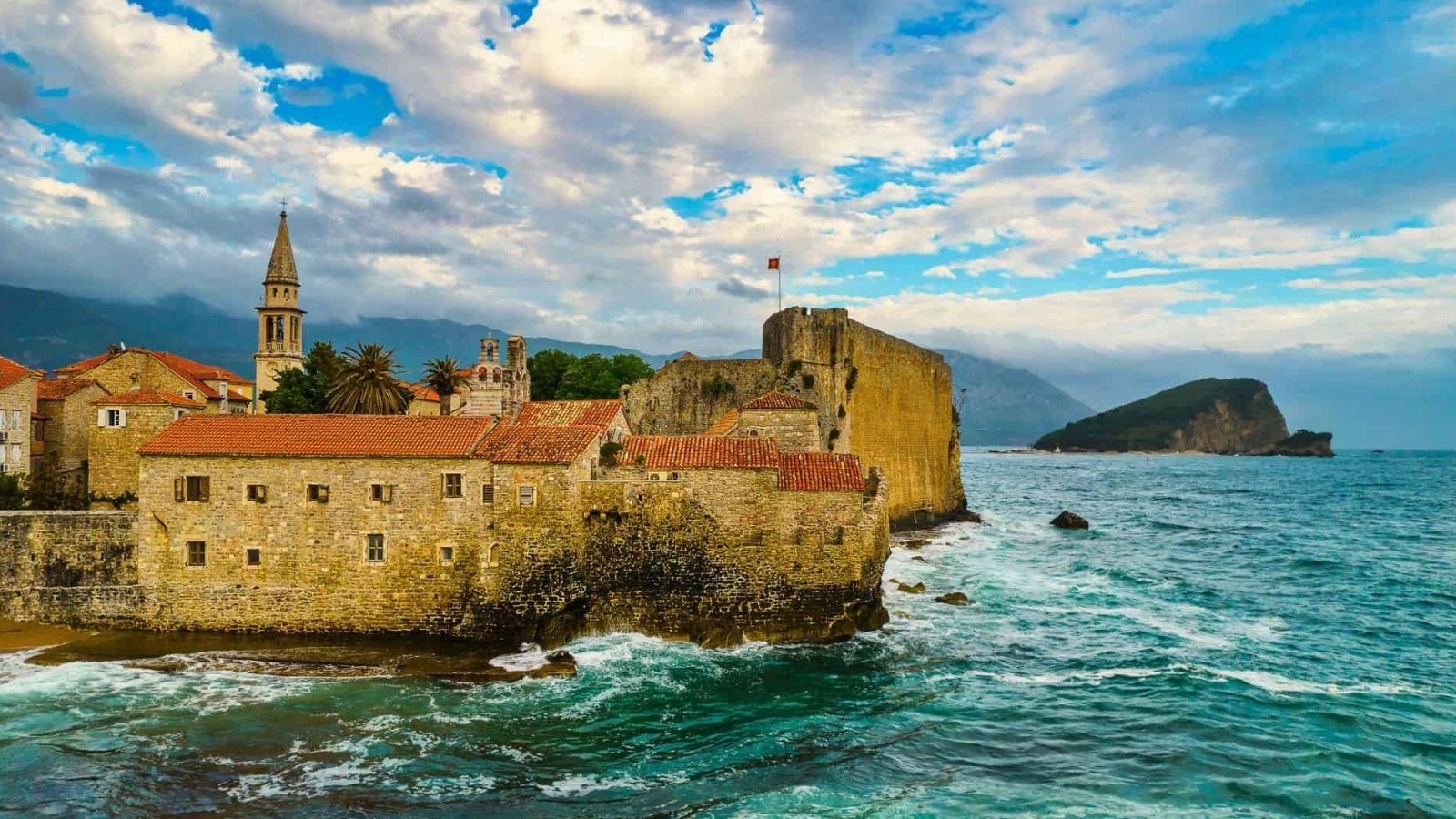
Montenegro provides Adriatic coastline and mountain scenery within a small geographic footprint. The Bay of Kotor delivers coastal views without the scale of neighboring Croatia. Inland, national parks and alpine terrain create contrast. Roads are improving, and short driving distances make multi-stop itineraries realistic. Tourism remains present but not overwhelming outside peak summer.
Why travelers recommend it: Montenegro delivers dramatic scenery in a compact, accessible format.
Bhutan
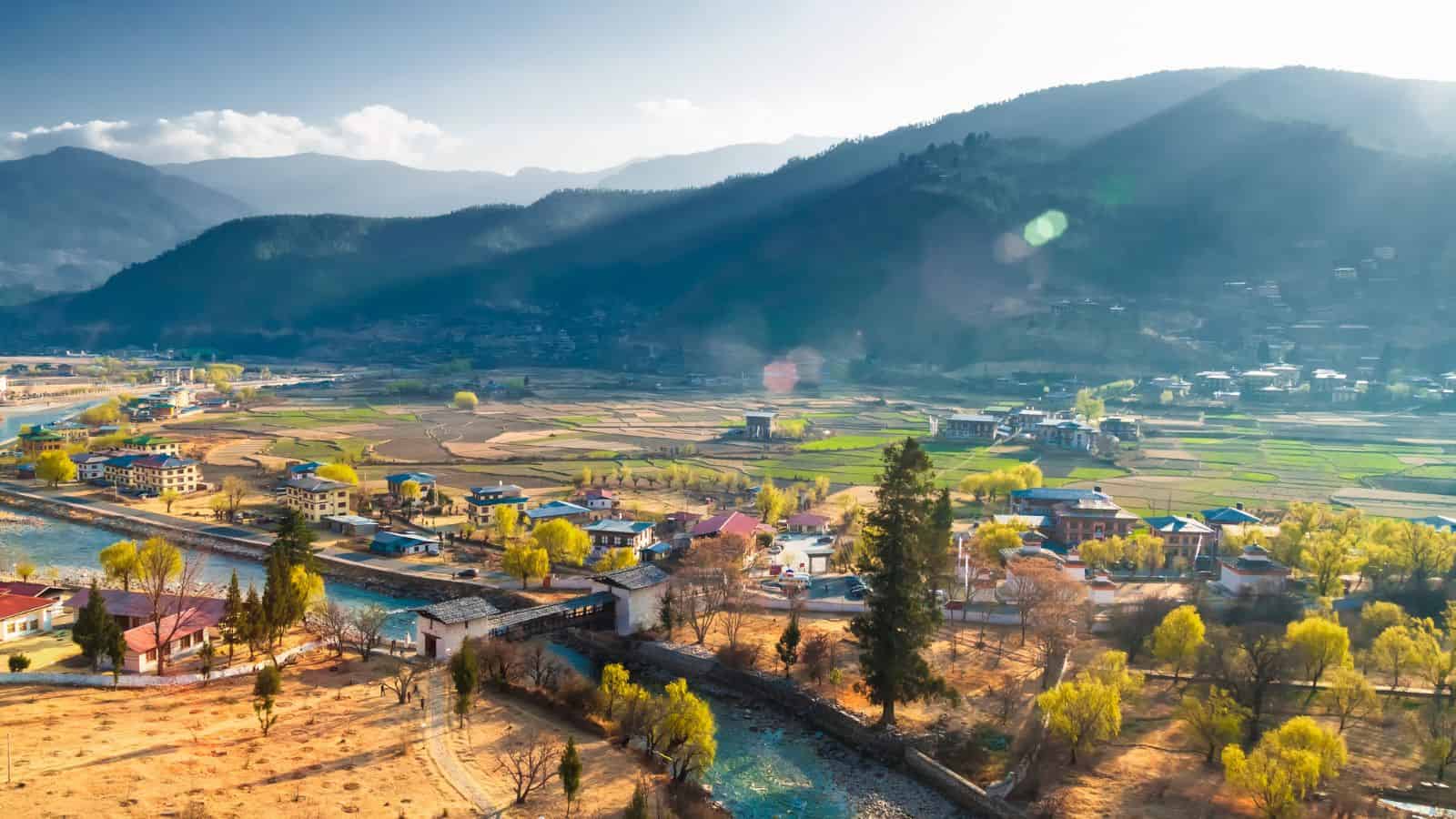
Bhutan structures tourism around sustainability and cultural preservation. Visitor numbers are regulated, which limits crowding and protects heritage sites. Monasteries remain active religious spaces rather than staged attractions. Mountain landscapes dominate much of the country, and guided travel keeps itineraries organized. While travel costs are higher due to policy structure, the experience remains measured and intentional.
Why travelers recommend it: Bhutan prioritizes cultural continuity and controlled tourism growth.
9 Countries You Should Go To If You Love International Culture
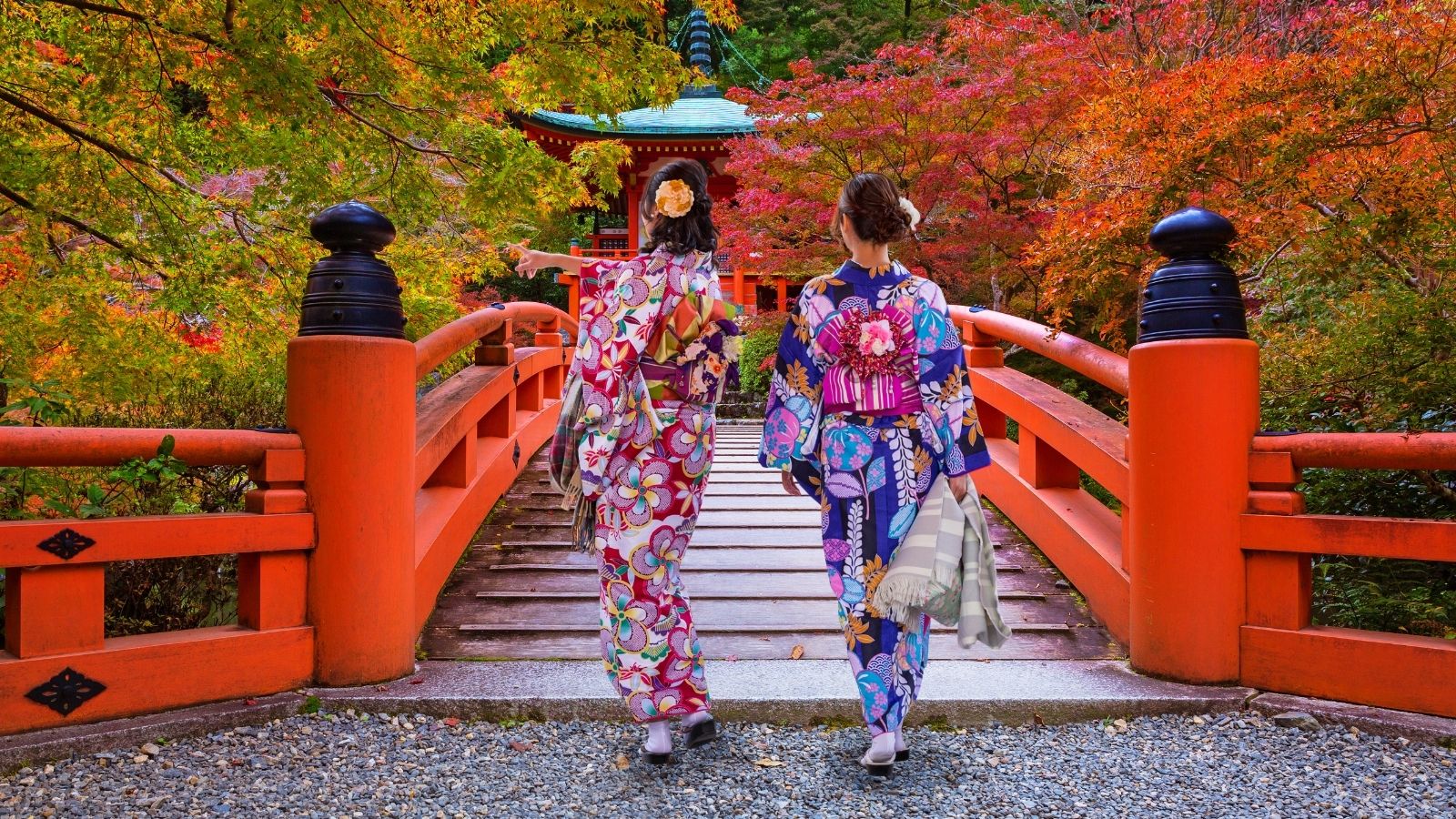
For many couples, travel is not just about scenery. It is about stepping into places where daily life feels distinctly different from home. Language, food traditions, architecture, and social norms all shape that experience in ways that go beyond sightseeing.
Learn more here: 9 Countries You Should Go To If You Love International Culture
10 American Landmarks That Tell Stories You Didn’t Hear in School

Most of us learned about a familiar set of landmarks in school. The same monuments, battlefields, and national icons tend to shape how we think about American history. Yet the country holds many significant places that rarely made it into textbooks.
Learn more here: 10 American Landmarks That Tell Stories You Didn’t Hear in School
