How Ship Layout Can Quietly Shape Your Cruise Experience
We spend time choosing the itinerary. The cabin category. The dining package.
What we rarely study is the ship’s layout. And yet, that blueprint quietly shapes the entire cruise. On a ship carrying thousands of passengers, movement matters. Elevators. Stairwells. Dining decks. Entertainment venues. Where your cabin sits in relation to all of it can influence how restful or rushed your days feel.
Midship cabins are often prized for stability. And for good reason. Being centered reduces the sensation of motion, especially in rougher seas. For travelers sensitive to movement, that placement can make the difference between comfort and queasiness.

But layout affects more than balance. Cabins directly below pool decks or buffet areas can carry early-morning scraping sounds as chairs are rearranged. Rooms near theaters may experience late-night foot traffic once shows end. And cabins close to elevator banks, while convenient, often mean constant hallway activity.
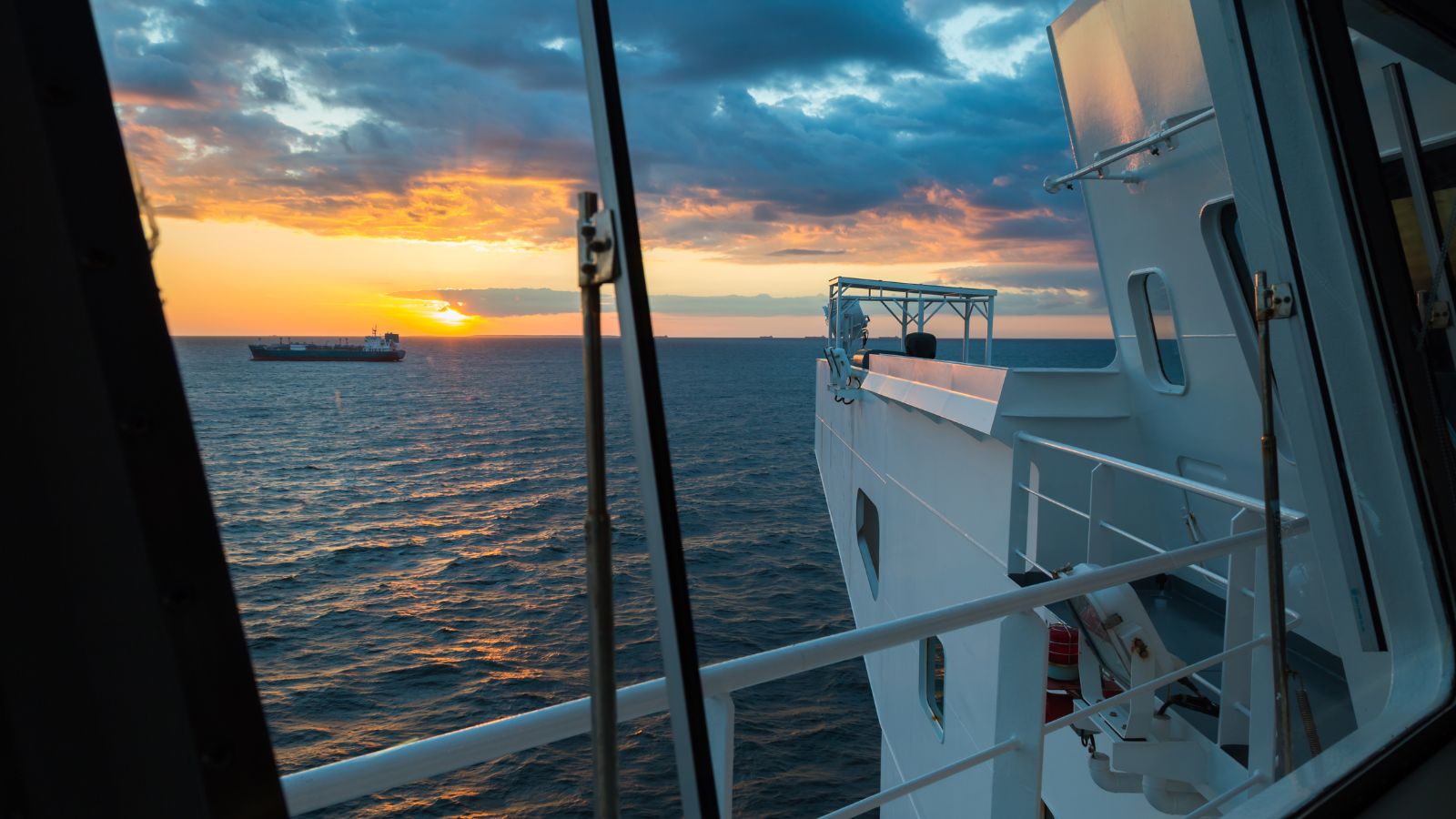
Vertical positioning matters too. Lower decks feel steadier but can sit closer to engine vibrations. Higher decks offer sweeping views but may sway more noticeably. Neither is automatically better. It depends on what we value most: stability, scenery, or proximity to amenities.
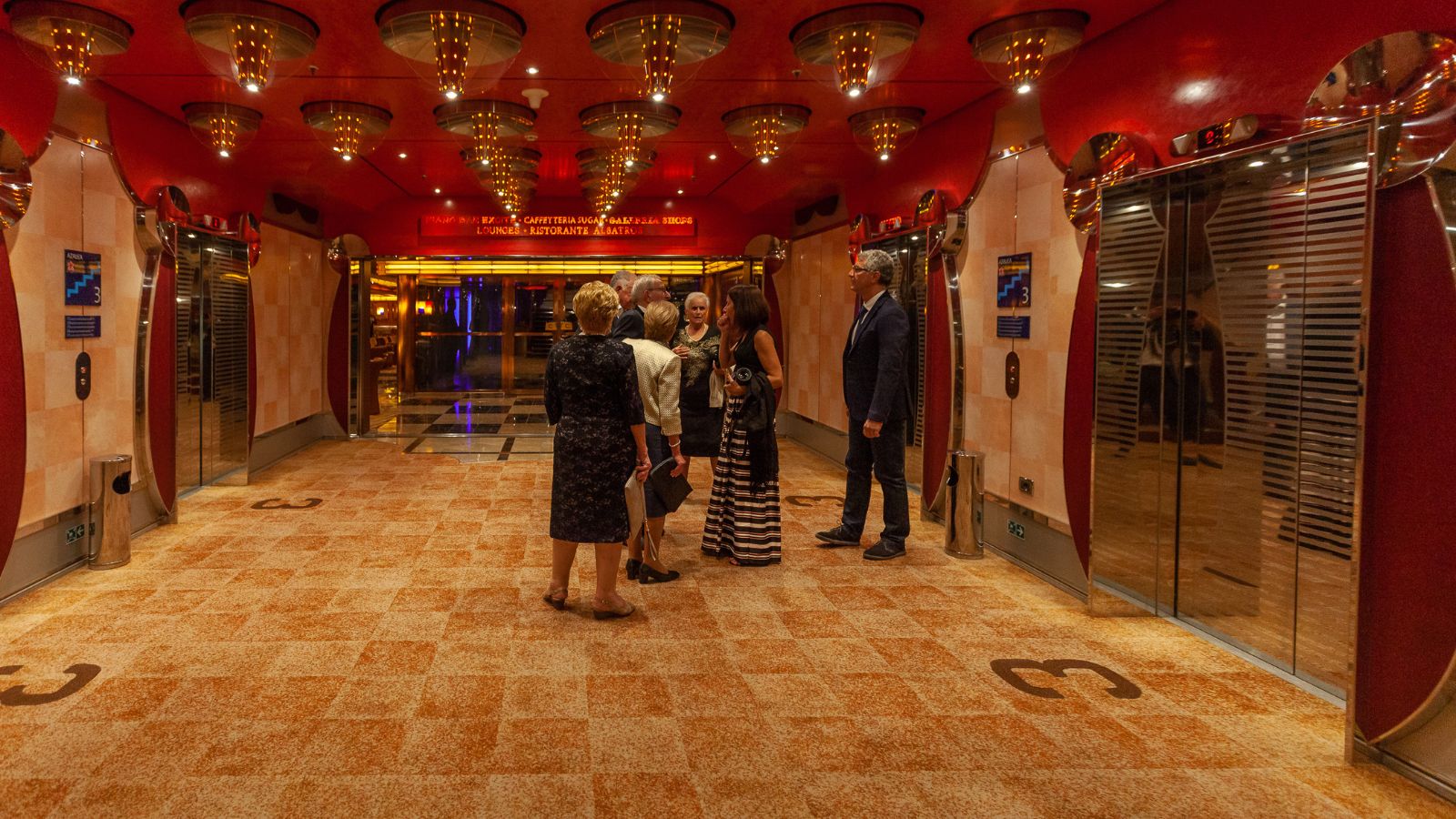
Then there is walking distance. On larger ships, a cabin at the very front or back may require long corridor walks multiple times a day. It seems minor at booking. By day four, it feels different. Convenience quietly becomes comfort.
Even dining experiences are shaped by layout. If specialty restaurants cluster on one deck while main dining sits several levels below, evenings involve more elevator waits and stair traffic than expected. During peak hours, this adds up.
We recommend reviewing the deck plan before finalizing a cabin. Look not only at price, but at what sits above, below, and beside the room. Identify high-traffic zones. Notice service areas. Consider how often you will travel between your cabin and favorite spaces.
A cruise ship is a floating city. Location works the same way it does on land. The cabin itself may look identical on paper. The experience rarely is.
When the layout supports smooth movement and quiet rest, the voyage feels effortless. And on the open sea, effortless is exactly what we want.
