5 Facts Visitors Should Know About Restaurant Culture in Europe
Dining in Europe often feels different from what many travelers expect. Restaurants follow traditions that emphasize conversation, pacing, and enjoying the moment rather than rushing through a meal. Visitors who understand a few of these cultural habits often find the experience much more enjoyable.
Here are five details that regularly surprise travelers when dining across Europe.
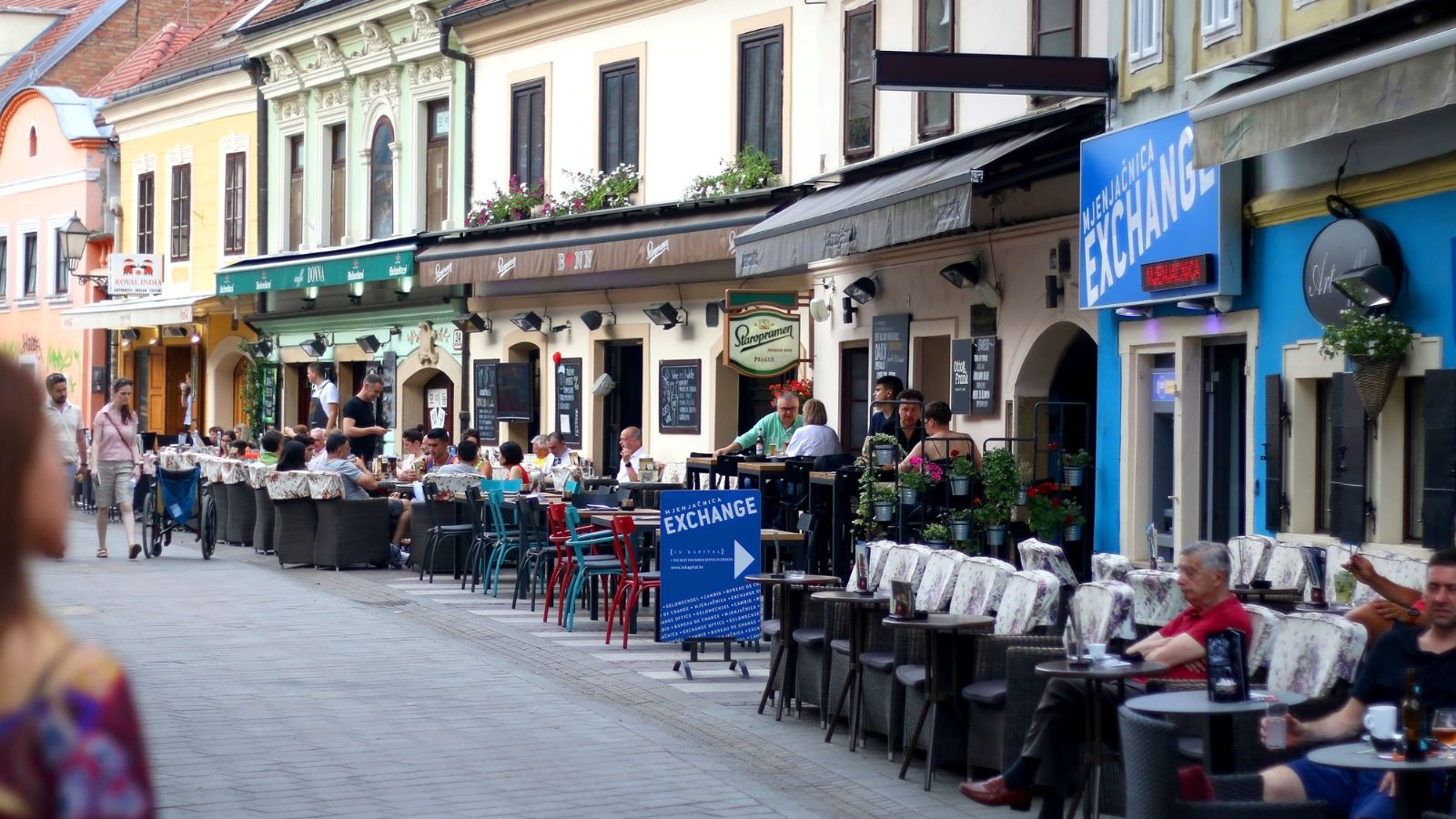
1. Meals Are Meant to Be Unhurried
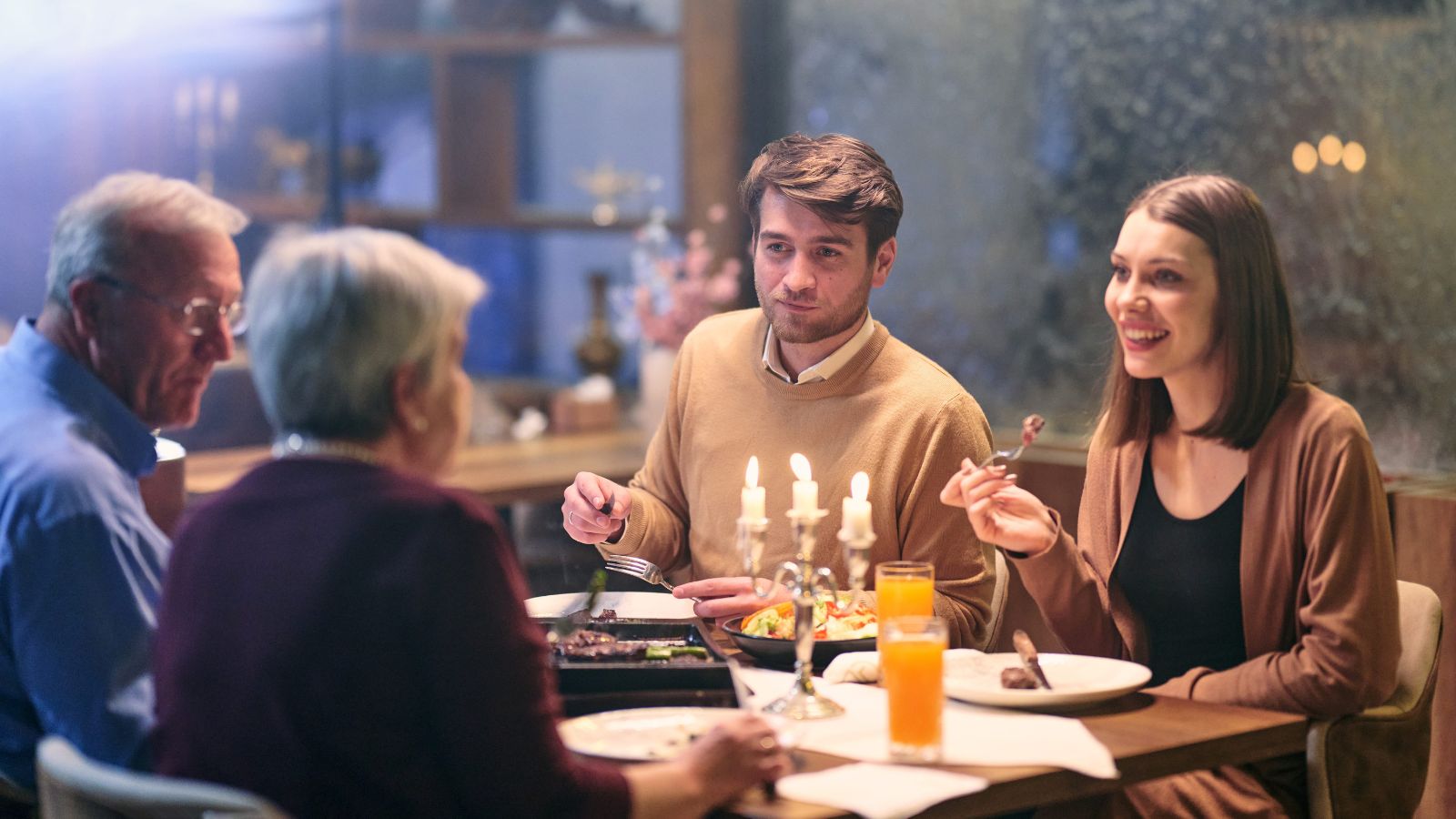
In many European countries, dining is treated as an experience rather than a quick stop between activities. Meals unfold slowly, giving people time to talk and relax.
In cities like Paris and Rome, it is normal for dinner to last well over an hour. Servers rarely rush guests or bring the check quickly because lingering at the table is part of the culture.
2. The Check Usually Comes Only When You Ask

One detail that surprises many visitors is that the bill rarely appears automatically.
In most restaurants across Europe, the server will wait until you request it. This custom signals that guests control the pace of their meal. Whether dining in Barcelona or Vienna, simply asking for the check lets the staff know you are ready to leave.
3. Tipping Practices Are Different
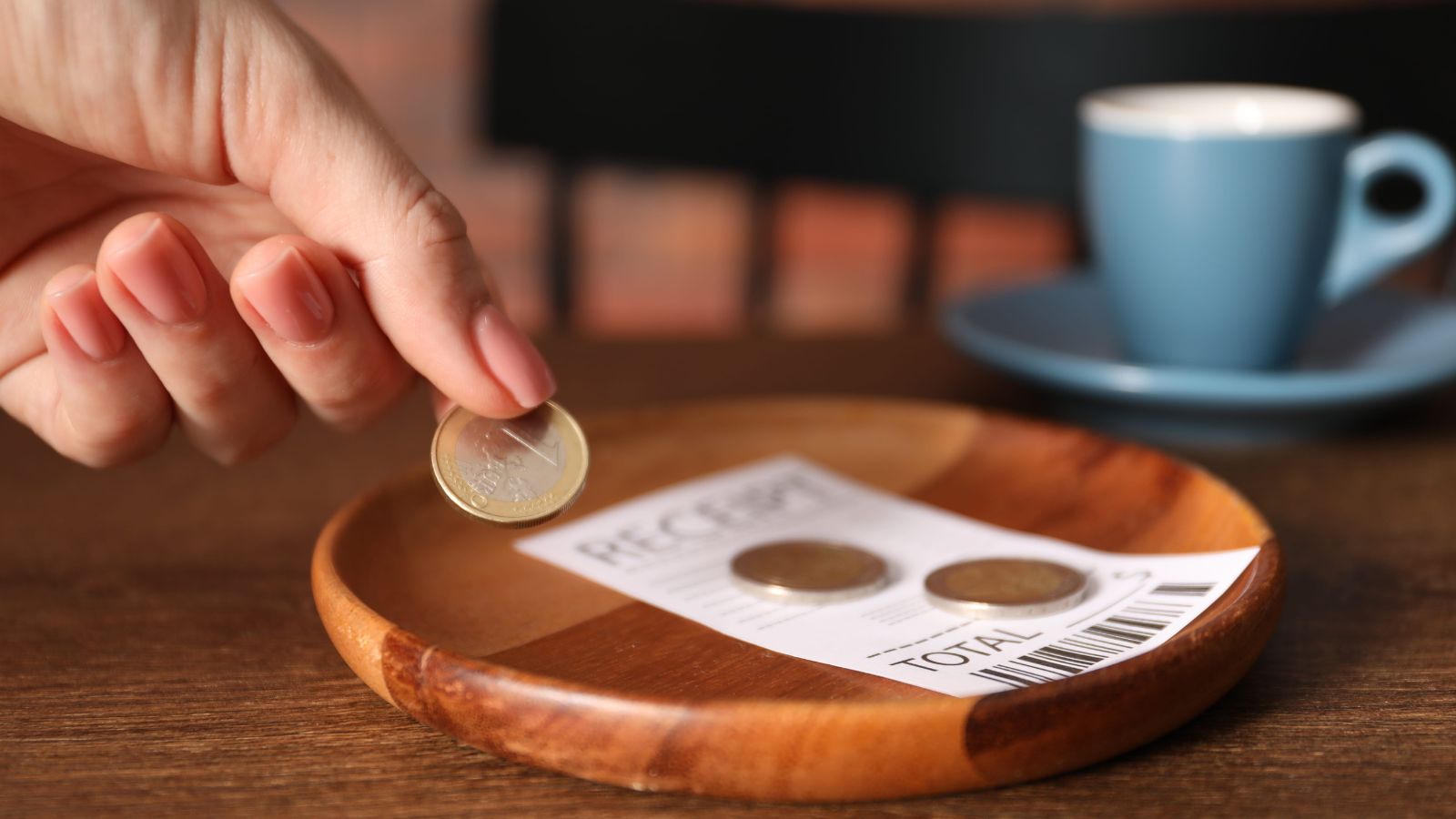
Tipping exists in many European countries, but it usually works differently than in other regions.
Service is often included in the price or built into menu pricing. Travelers dining in places like Amsterdam or Prague typically leave a small tip or round up the bill rather than adding a large percentage.
4. Dinner Often Starts Later
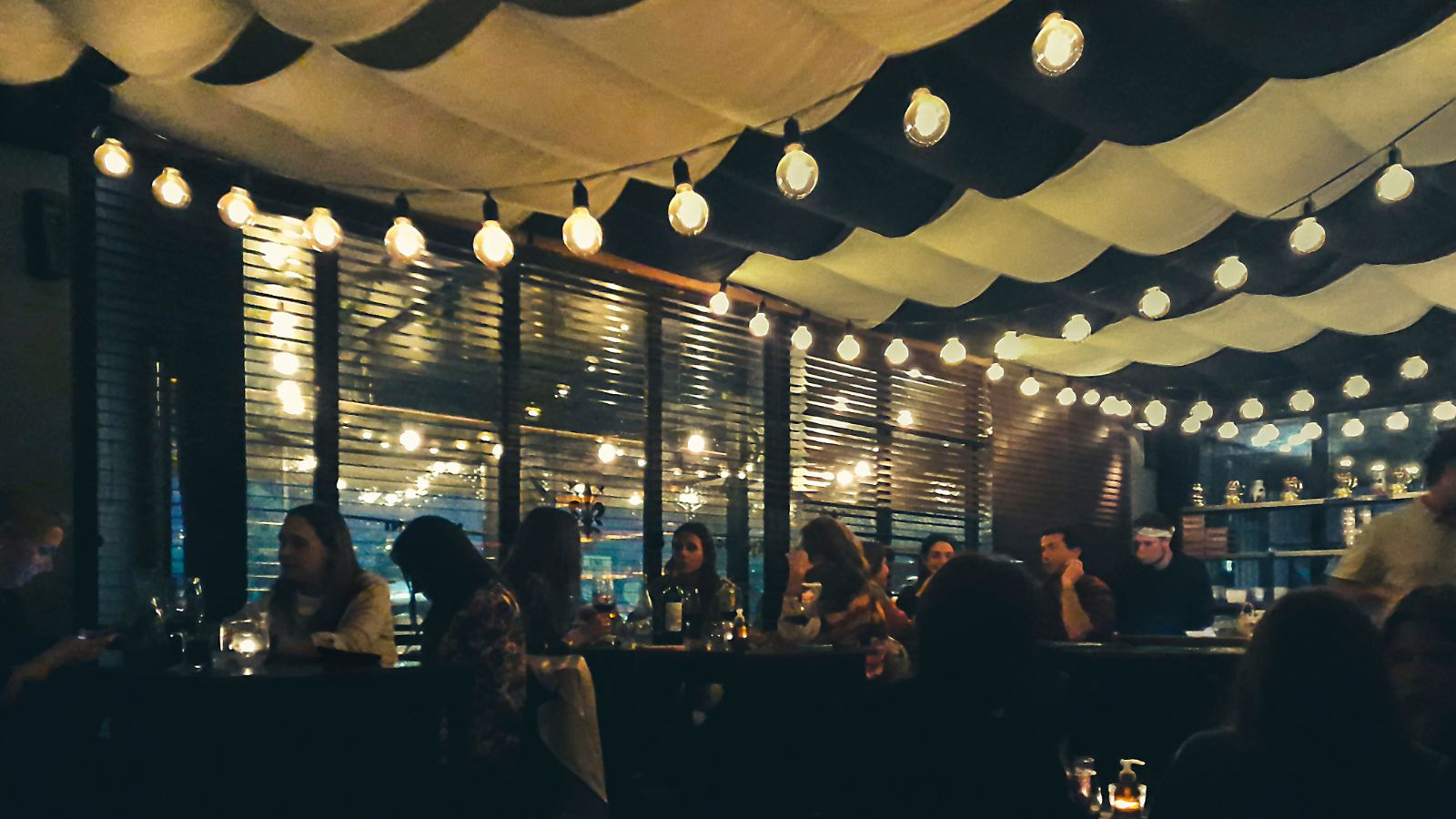
Visitors sometimes arrive at restaurants early in the evening and find the dining room nearly empty.
In countries such as Spain and Italy, dinner usually begins later than many travelers expect. Locals may not sit down to eat until 8:00 or even 9:00 in the evening.
5. Outdoor Seating Is Part of the Experience
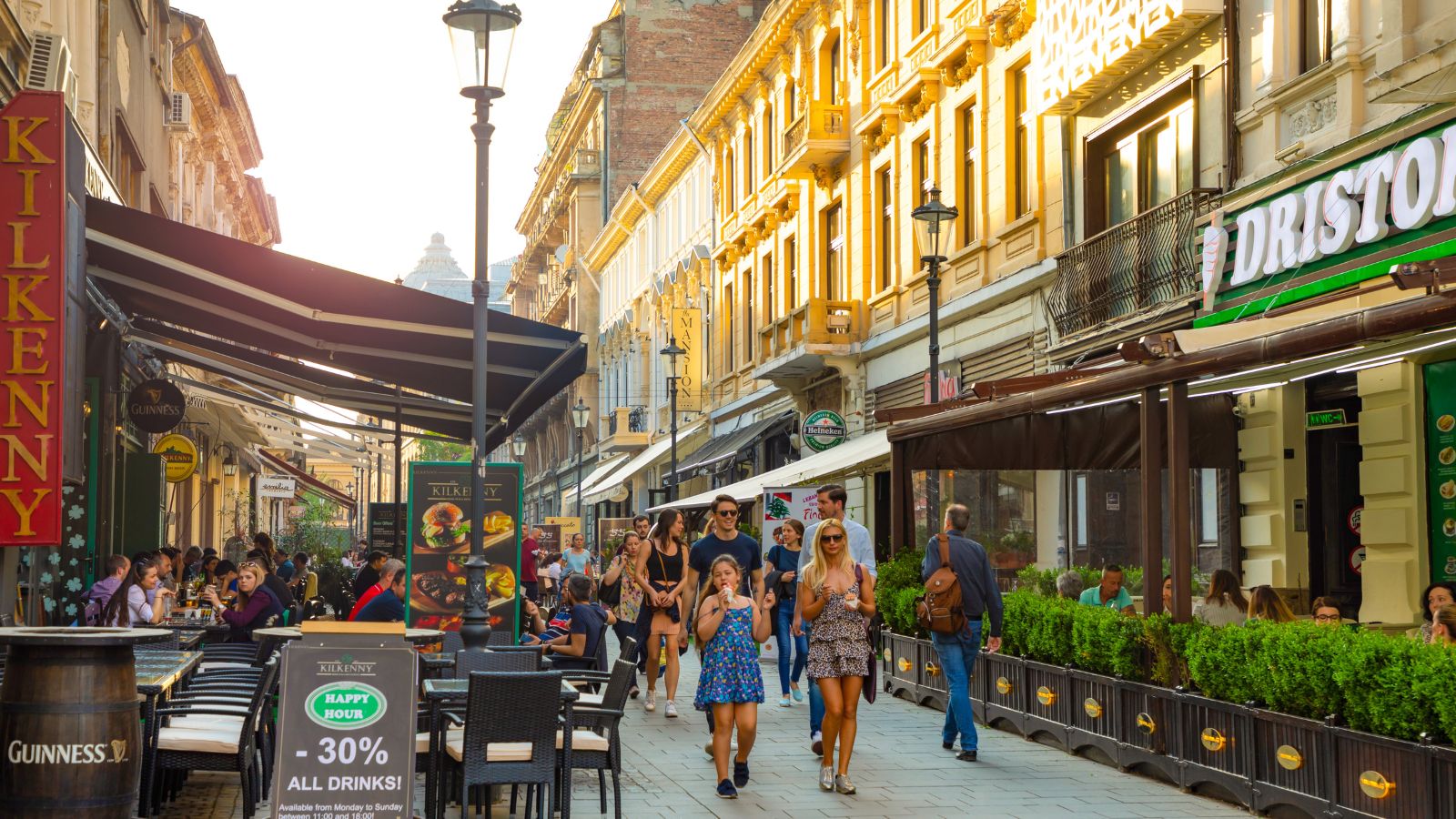
When the weather allows, outdoor dining becomes a central part of restaurant culture. Café terraces and sidewalk tables fill quickly throughout the day.
Cities like Florence and Lisbon are known for lively outdoor dining scenes where people gather to enjoy food, coffee, and conversation while watching the city pass by.
Dining Is Part of the Travel Experience
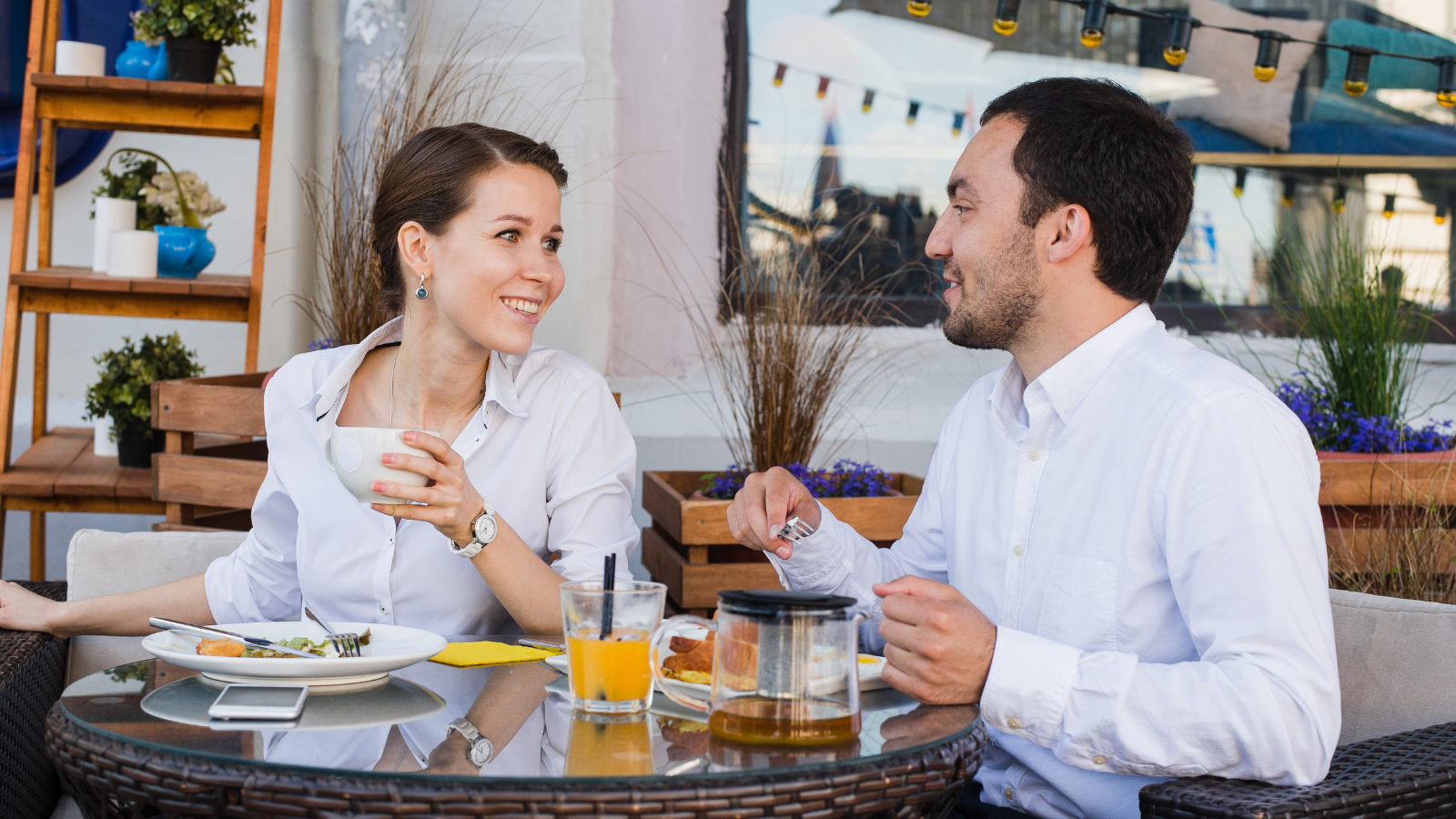
Restaurants in Europe are not just places to eat. They are spaces where daily life unfolds.
Understanding the relaxed pace, local customs, and small etiquette details allows travelers to settle into the rhythm of each destination. When visitors embrace that slower style of dining, the meal often becomes one of the most memorable parts of the journey.
