10 Breathtaking Destinations Being Overwhelmed by Visitors
Some destinations capture global attention because their landscapes or landmarks are genuinely extraordinary. Over time, that popularity can grow faster than the places themselves can comfortably handle. For couples planning a trip, the reality on the ground can feel very different from the images that first inspired the visit.
Overtourism shows up in several ways. Crowded viewpoints, long lines, restricted access, and rising prices can make simple experiences harder to enjoy. In some places, local communities and infrastructure are also under strain as visitor numbers continue to climb.
This does not mean these destinations have lost their appeal. Many remain remarkable and worth seeing with thoughtful timing and planning. Visiting in shoulder seasons, exploring nearby alternatives, or adjusting expectations can help travelers experience them more comfortably.
We have identified 10 breathtaking destinations being overwhelmed by visitors. These are places where popularity has grown rapidly, and where understanding the pressures ahead of time helps couples decide when and how to visit with greater awareness.
Venice, Italy
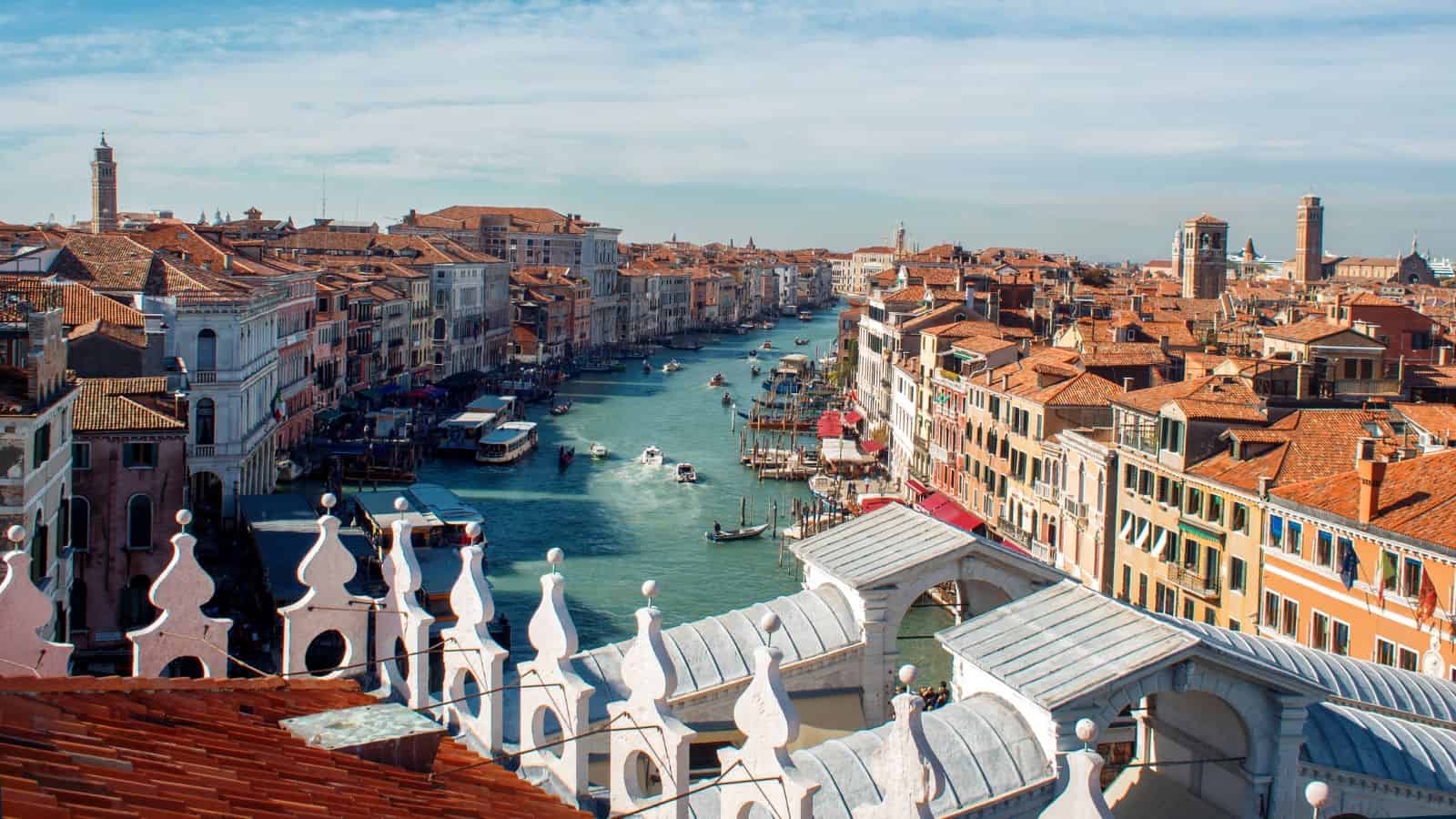
Venice has long pulled travelers in with its canals, historic buildings, and one-of-a-kind setting. But the city’s popularity has started to work against it. Large cruise ships have added pressure to fragile waterways, while packed bridges and narrow lanes can make daily life harder for residents. Short-term rentals have also pushed housing prices higher, making it more difficult for locals to remain in the historic center. In response, officials have introduced entry fees for some day visitors and moved to limit cruise ship access.
Takeaway: Venice still looks like a dream trip, but its growing crowds show how easily tourism can start to reshape a city.
Santorini, Greece
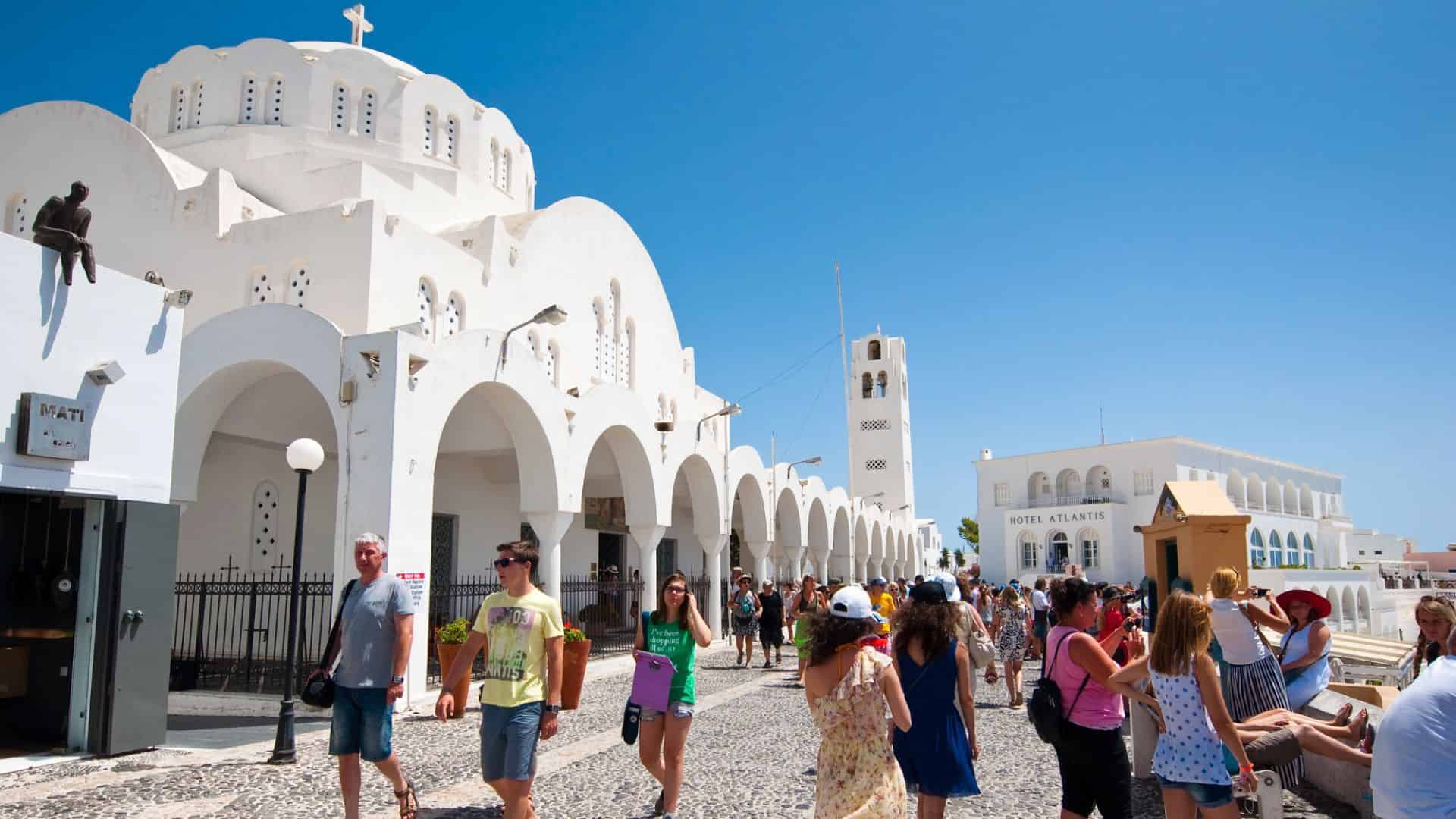
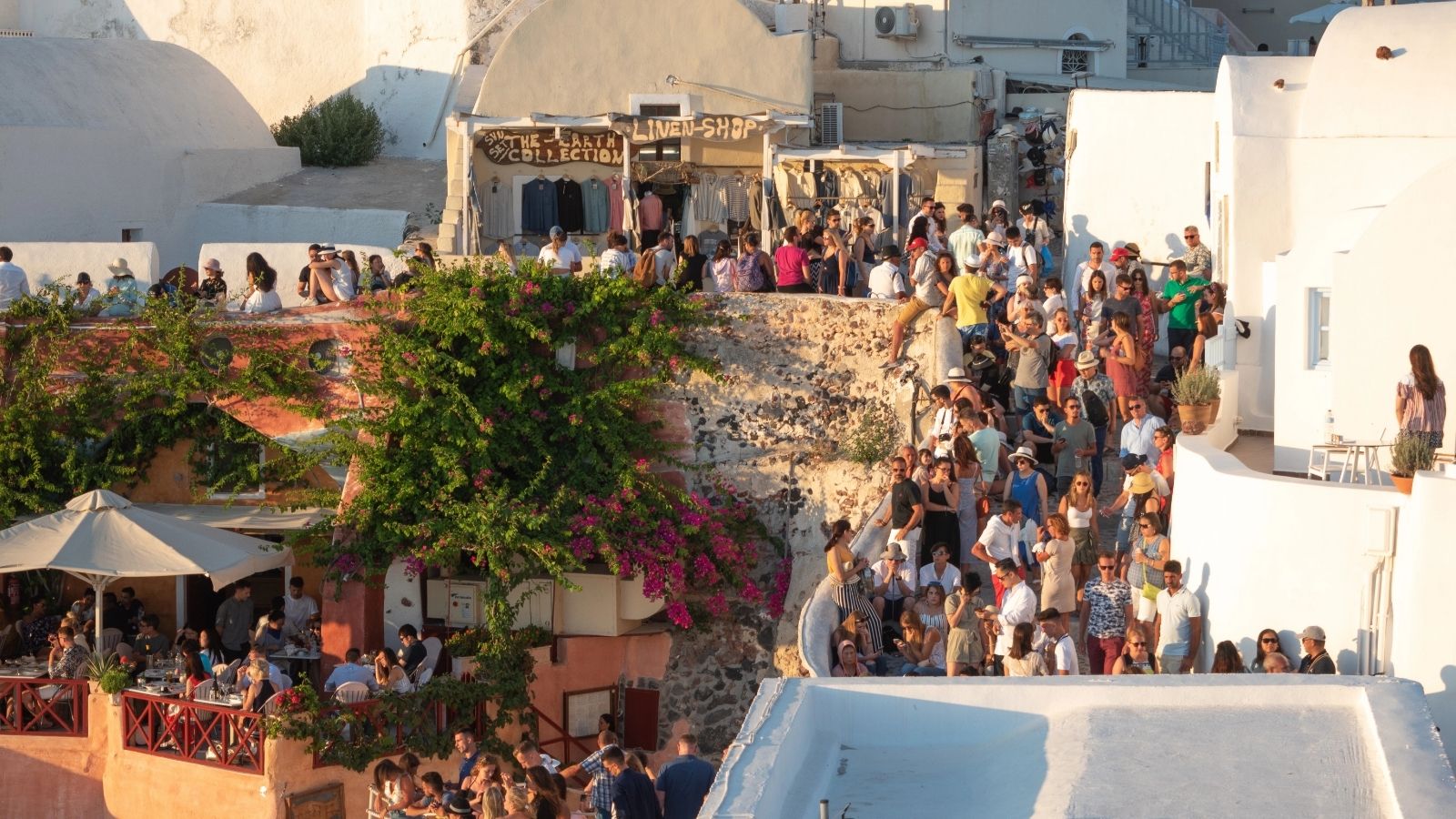
Santorini’s cliffside views and bright white villages have made it one of the most photographed places in Europe. That attention has come with a cost. Cruise passengers flood small towns in huge waves, crowding narrow streets and public spaces. The rush to build more hotels and rentals has strained water supplies, waste systems, and other local resources. Tourism supports the island’s economy, but many residents and officials are now weighing how much growth Santorini can realistically handle.
Takeaway: Santorini remains striking, but its popularity has made it harder for the island to keep pace with demand.
Machu Picchu, Peru
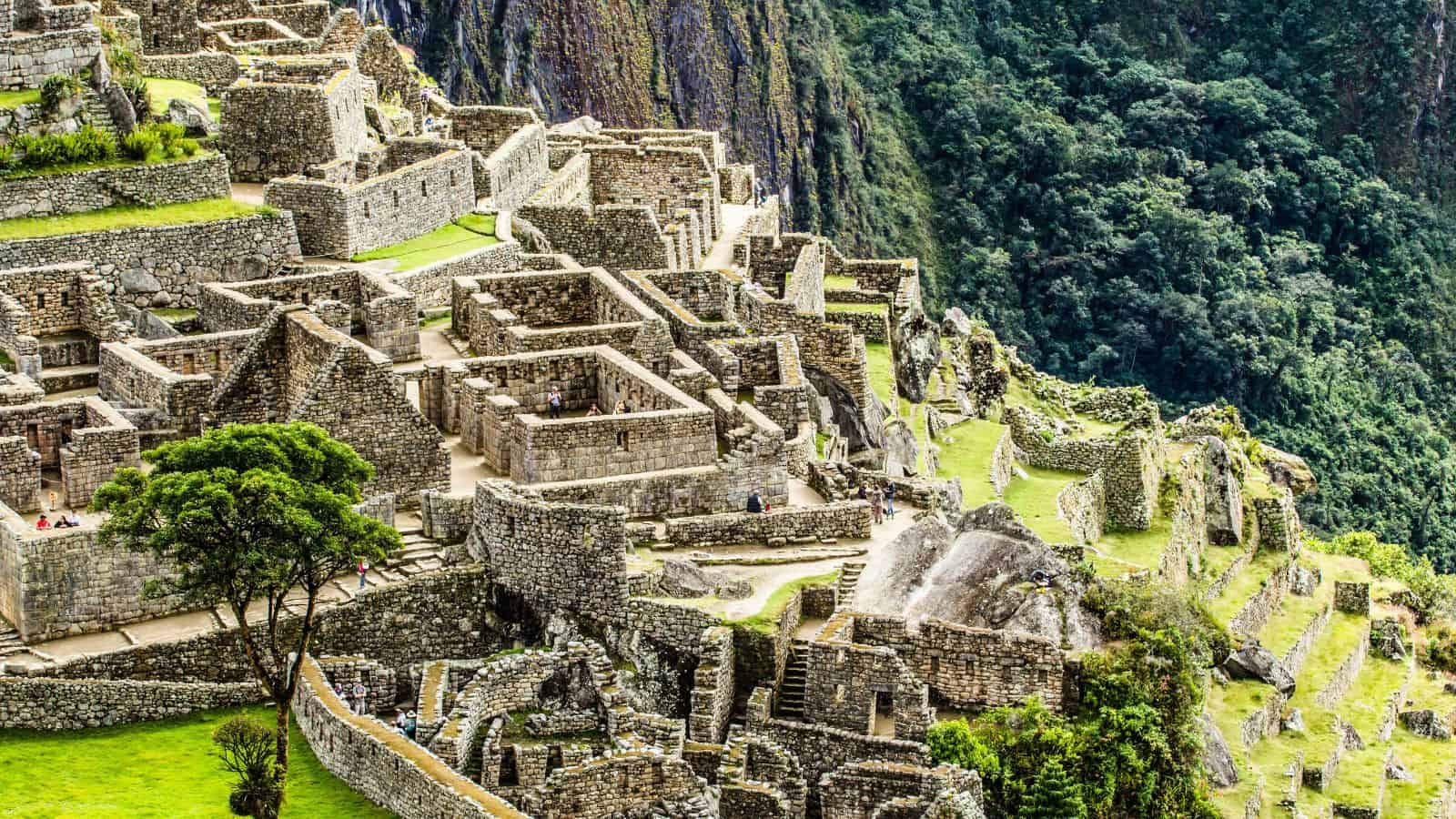
Machu Picchu is one of those places many travelers dream about for years, but that level of attention has made preservation harder. Constant foot traffic has worn down paths and surrounding areas, while rising visitor numbers have increased environmental pressure. Officials now use timed entry, daily caps, and set routes to better control movement through the site. Debates over nearby development continue as Peru tries to balance tourism access with long-term protection.
Takeaway: Machu Picchu’s fame has made it harder to protect the very history people come to see.
Kyoto, Japan
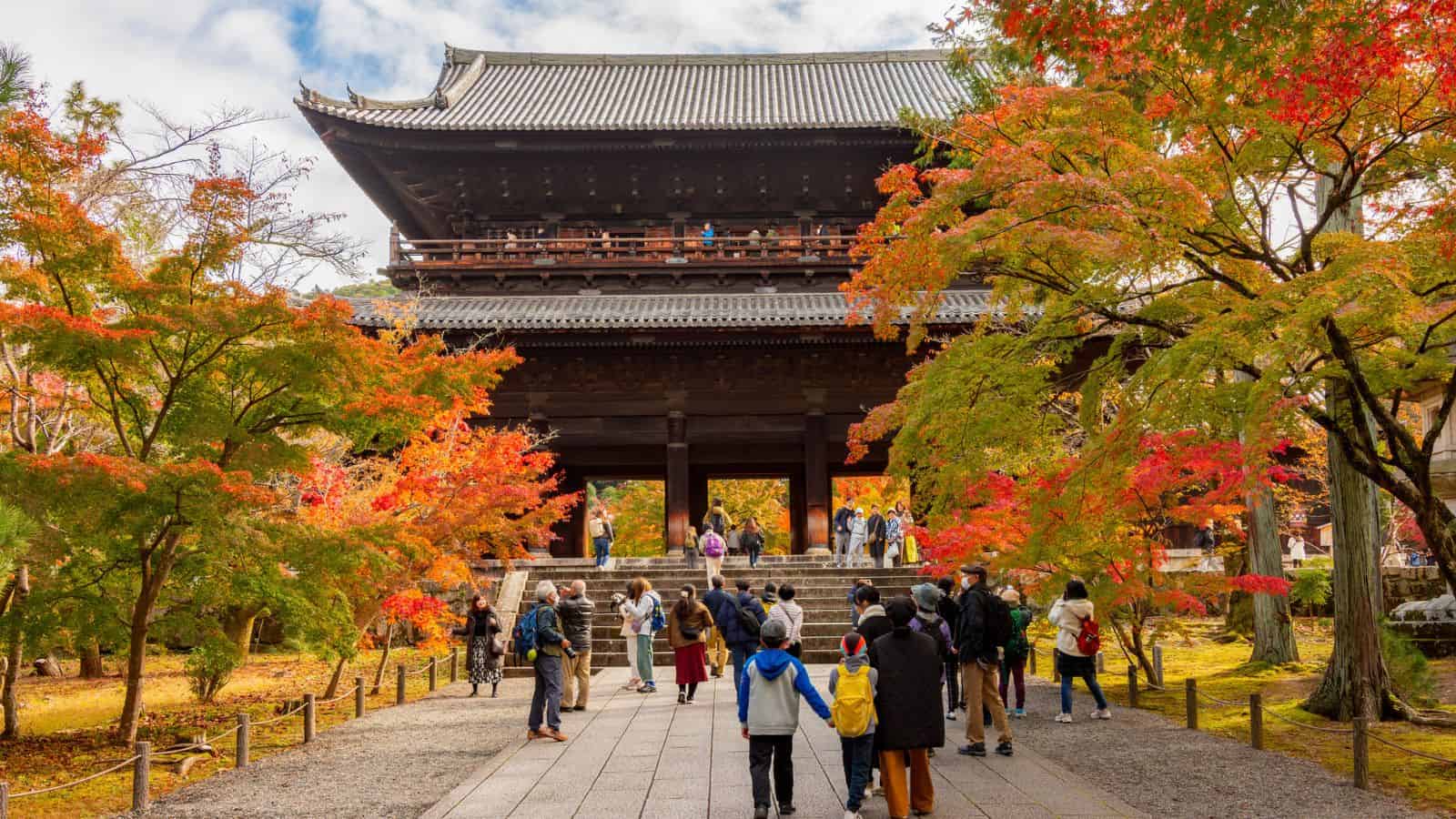
Kyoto is known for temples, traditional neighborhoods, and a slower, more reflective feel. In many parts of the city, that atmosphere has been harder to hold onto as visitor numbers have grown. Districts like Gion often become crowded with tourists trying to photograph every corner, and some behavior has crossed the line into disrespect, especially around geisha culture. Housing pressure from short-term rentals has added another layer of strain for locals. The city has responded with photography restrictions in certain areas and more reminders about respectful travel.
Takeaway: Kyoto still carries deep cultural value, but heavy tourism has changed the pace and feel of some of its most famous areas.
Bali, Indonesia
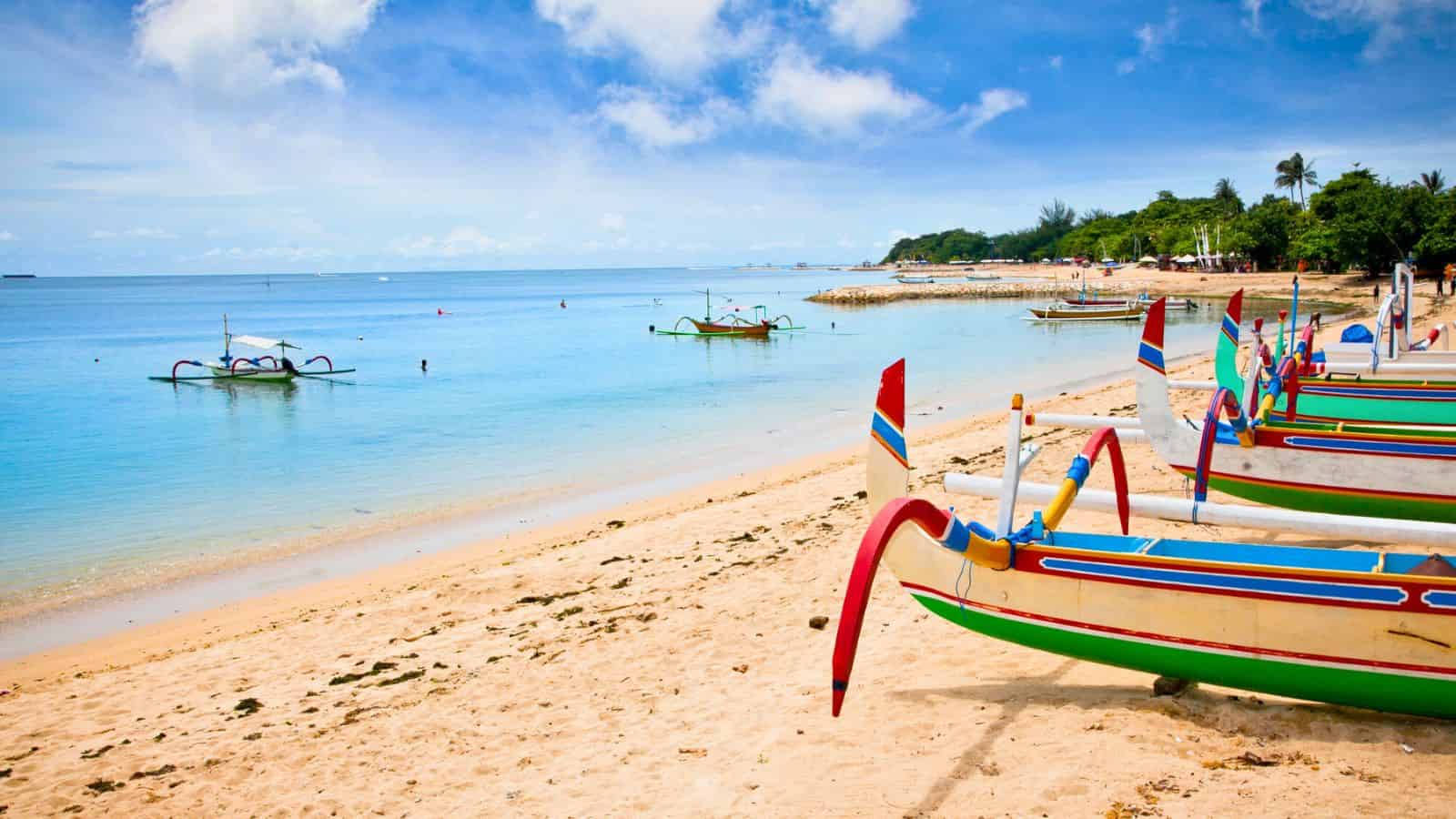
Bali’s beaches, temples, and rice terraces have made it a favorite for travelers looking for both scenery and culture. But rapid tourism growth has brought visible pressure. Resort development has reduced farmland in some areas, water use has climbed, and plastic waste remains a serious concern. Traffic has also become part of daily life in many parts of the island, making movement harder for residents and visitors alike. Local efforts to cut plastic use and support more responsible travel have helped, though the larger challenges remain.
Takeaway: Bali still draws huge interest, but its popularity has placed real pressure on the island’s land, roads, and resources.
Reykjavik and the Golden Circle, Iceland
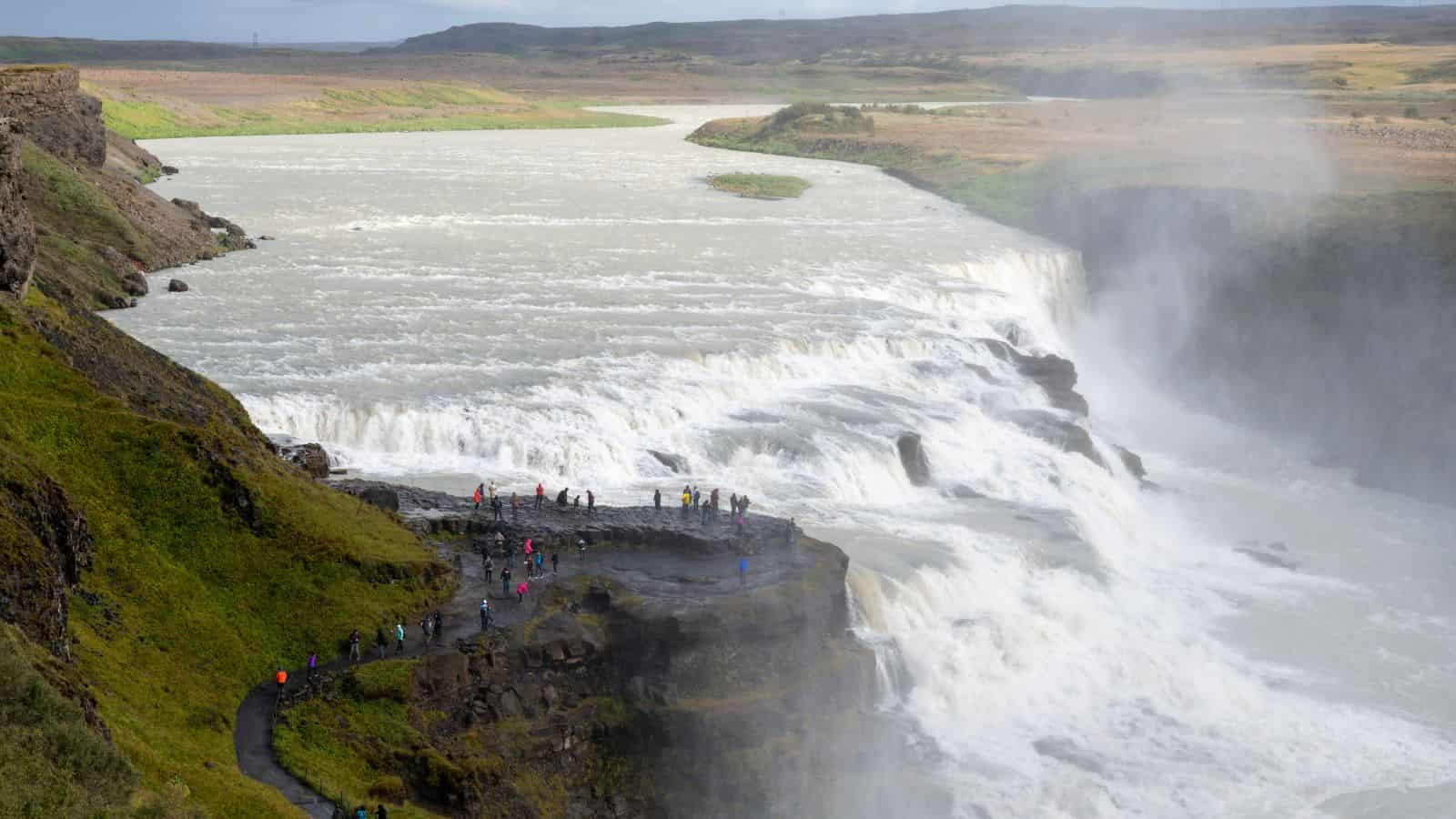
Iceland’s landscapes feel dramatic in a way that’s hard to forget, which helps explain why so many travelers now add it to their list. But the country’s most visited areas have felt the effects. Sites along the Golden Circle, including Thingvellir and Gullfoss, have dealt with erosion and wear from constant foot traffic. Reykjavik has also seen housing costs rise as short-term rentals take up more space in the market. Infrastructure such as roads, parking, and public facilities has had to catch up quickly.
Takeaway: Iceland’s popularity has brought more attention to its natural beauty, but also more pressure on places that were never built for nonstop volume.
Barcelona, Spain
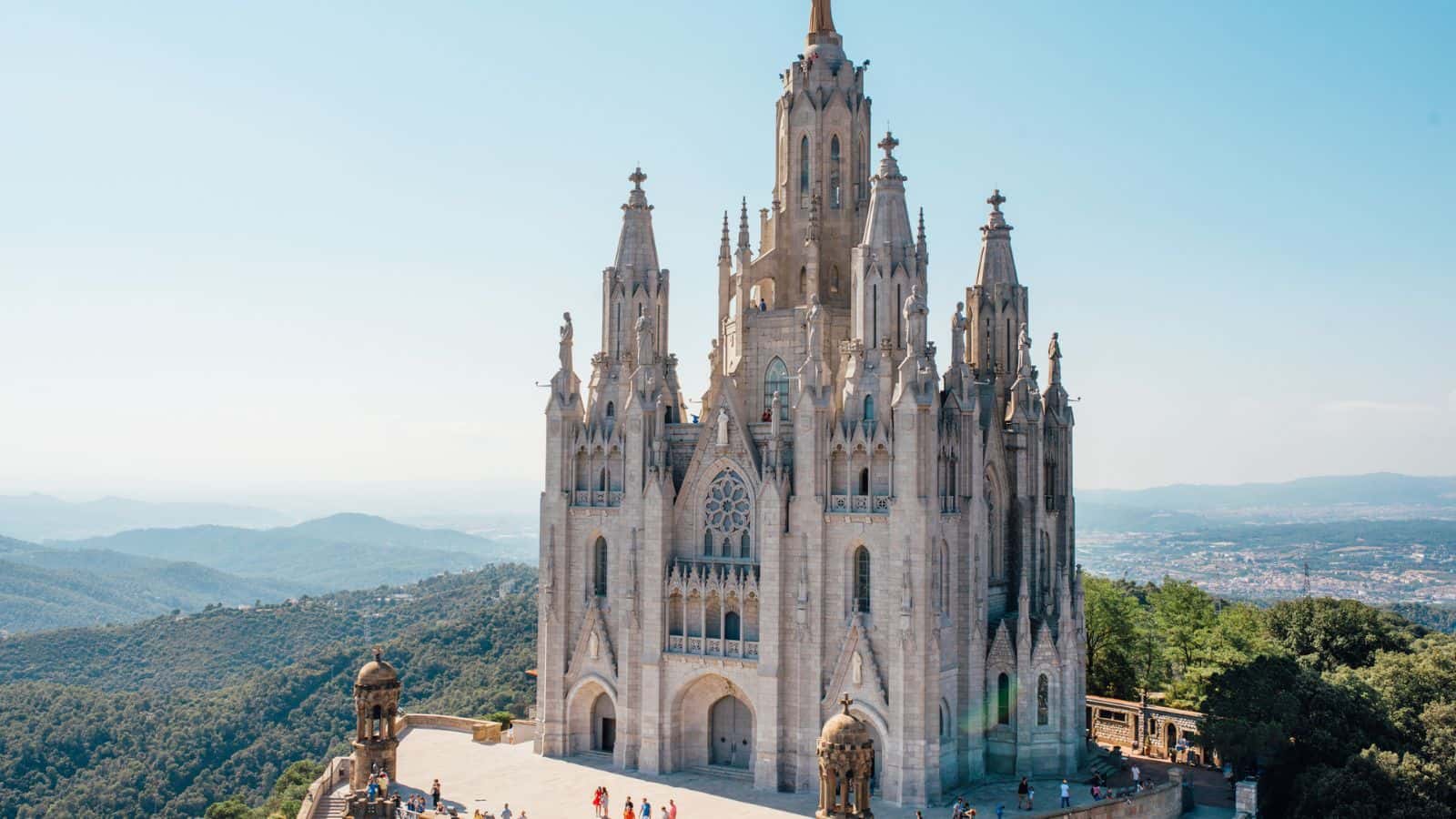
Barcelona continues to pull in visitors with its architecture, beach access, and city energy. At the same time, many residents have grown frustrated with the scale of tourism in their neighborhoods. Popular zones like La Rambla and the Gothic Quarter can feel packed for much of the year, while rent pressures linked to short-term rentals have changed who can afford to live in the city center. Noise, crowding, and the constant turnover of visitors have made daily life harder in some districts.
Takeaway: Barcelona remains one of Europe’s biggest draws, but local frustration shows what happens when tourism starts to outweigh livability.
Dubrovnik, Croatia
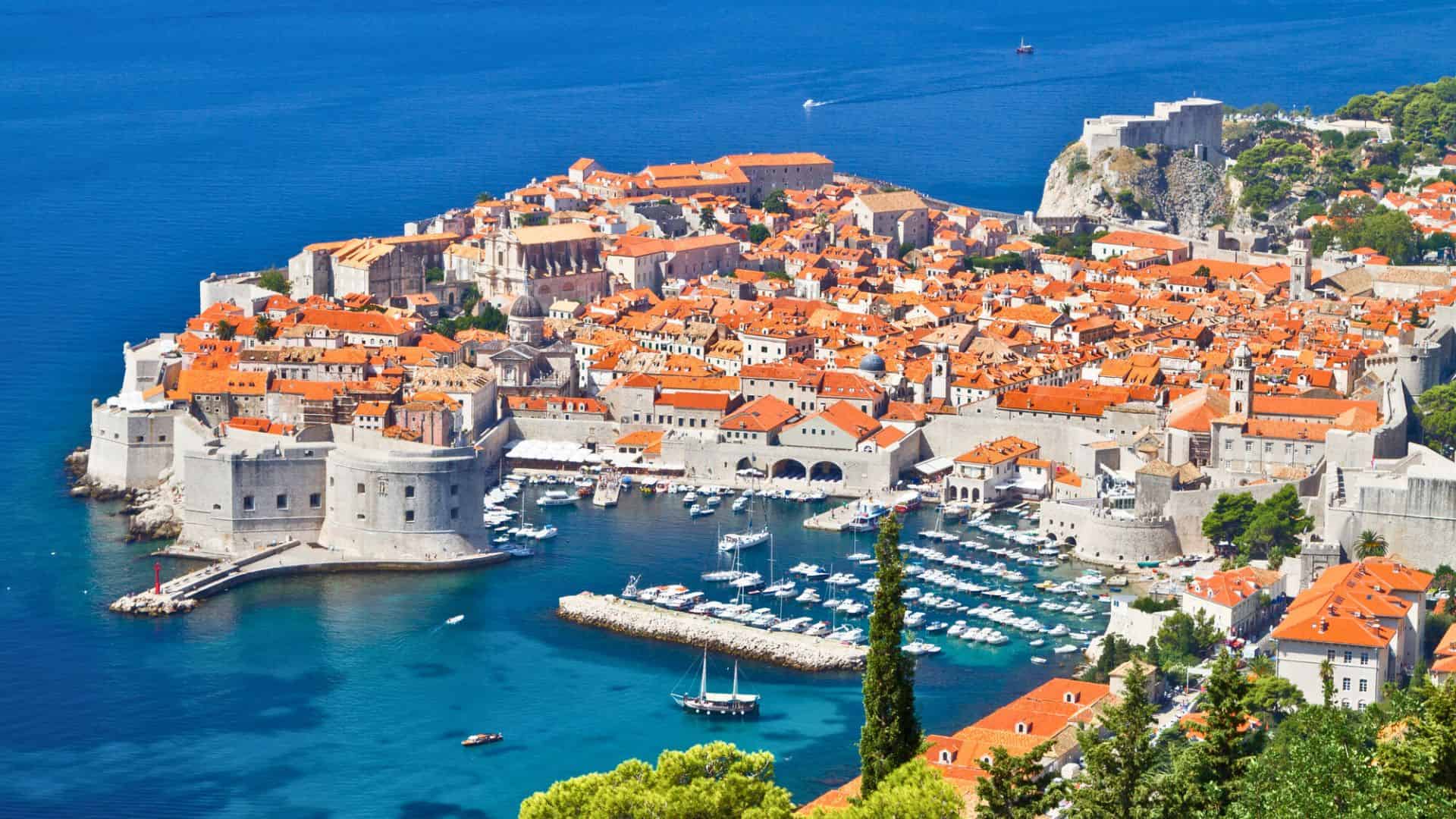
Dubrovnik’s walled Old Town and coastal setting have made it one of the Adriatic’s best-known destinations. Its rise in global attention brought even more tourism, especially from cruise traffic and film fans. The problem is that the historic center is compact, with narrow streets that fill quickly when several groups arrive at once. Residents have also seen local businesses shift toward souvenirs and tourist spending instead of daily needs. The city has responded with visitor caps and tighter cruise controls.
Takeaway: Dubrovnik’s beauty helped make it famous, but that same fame has tested the limits of its historic core.
Phuket, Thailand
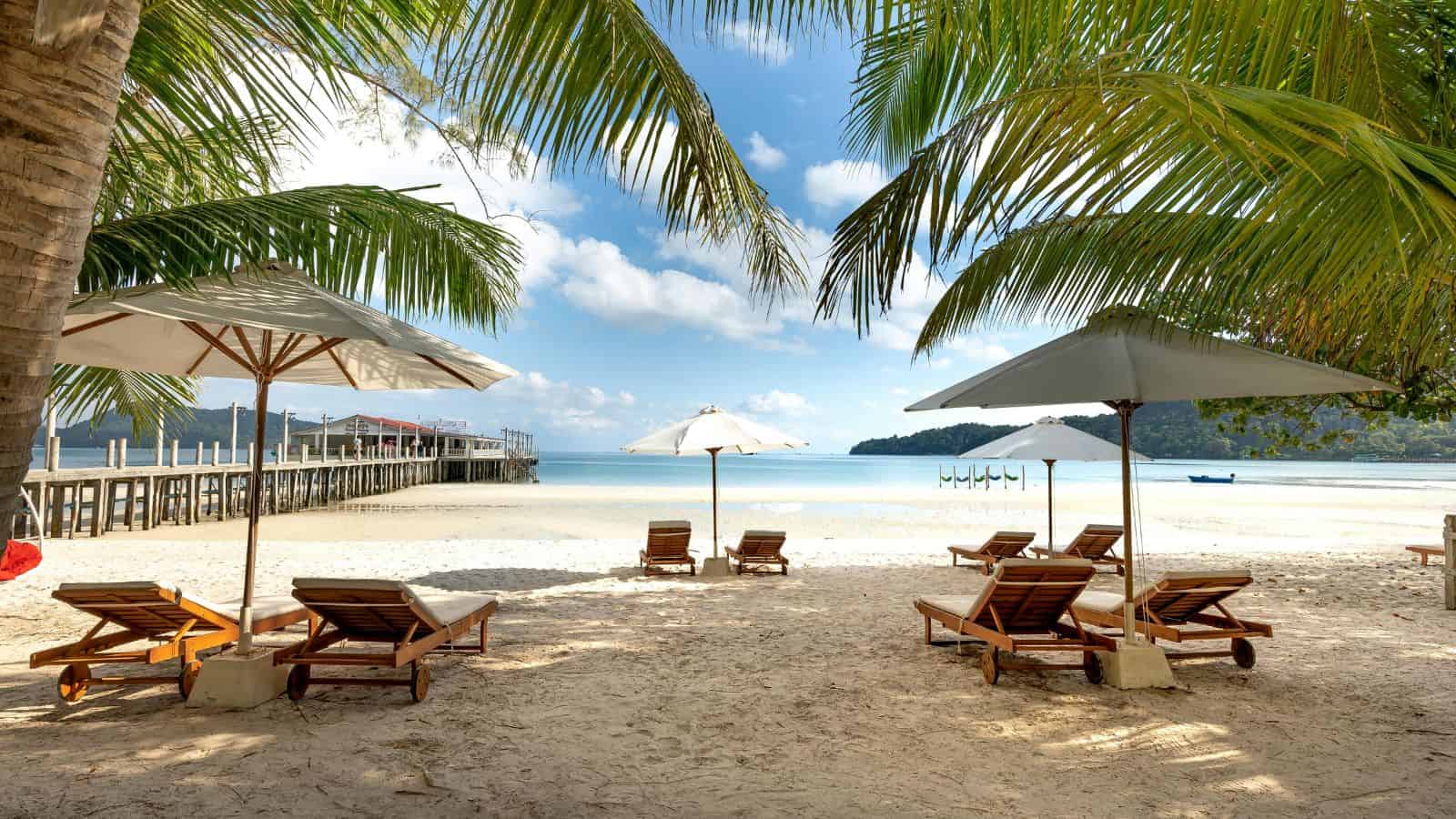
Phuket has become one of Thailand’s busiest tourism hubs thanks to its beaches, nightlife, and easy resort appeal. But the crowds have brought environmental strain, especially along the coast. Plastic waste, reef damage, and heavy boat traffic have affected nearby marine areas, while congestion and water demand have added to local concerns on land. Some beaches and nearby spots have faced temporary closures or added restrictions to help damaged ecosystems recover.
Takeaway: Phuket still attracts huge numbers, but the environmental cost has become harder to ignore.
Banff National Park, Canada
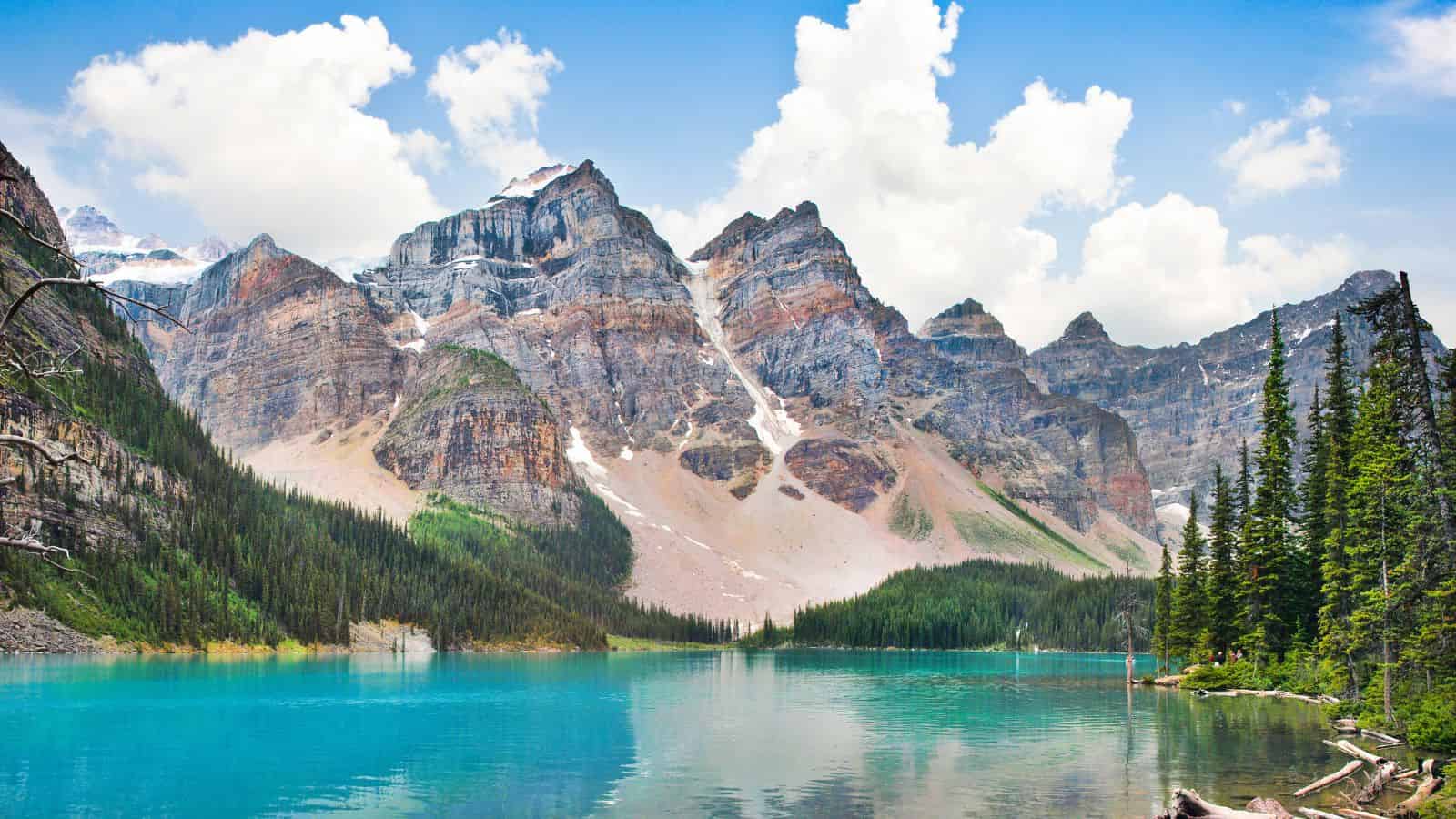
Banff’s mountain views, blue lakes, and hiking trails have made it one of Canada’s most visited natural destinations. That popularity has created growing pressure on trails, roads, parking, and wildlife habitats. During peak seasons, visitor numbers can overwhelm the area’s infrastructure, while repeated human contact can affect animal behavior in ways that put both wildlife and people at risk. Shuttle systems, trail upkeep, and stricter visitor guidance have become a bigger part of how the park is managed.
Takeaway: Banff still feels spectacular, but rising visitor numbers show how quickly even protected natural areas can be stretched.
10 Least-Visited Countries That Might Be the Trip of Your Life

Tired of fighting crowds at the Eiffel Tower or elbowing through Santorini’s sunset chaos? We get it. Sometimes the world’s most famous destinations feel more exhausting than enchanting. Here’s the thing: some of the most extraordinary places on Earth are the ones almost nobody visits. We’re talking about countries where you’ll have ancient ruins practically to yourself, where locals are genuinely thrilled to meet you, and where your travel stories will actually be original.
Learn more here: 10 Least-Visited Countries That Might Be the Trip of Your Life
11 Cheap Countries Popular With Backpackers

Backpacking isn’t just for solo travelers and twenty-somethings anymore. More and more couples are discovering that backpacking together is one of the most romantic and adventurous ways to travel. And the best part? It doesn’t have to drain your savings. Want amazing experiences, cultural immersion, and unforgettable memories without the luxury resort price tag? You’re in the right place.
Learn more here: 11 Cheap Countries Popular With Backpackers
