The First Guest Behavior Hotel Staff Notice Instantly
Check-in takes only a few minutes. A greeting, a reservation lookup, a key handed over. It feels routine. But in that short exchange, hotel staff often form their first impression of a guest. And it usually comes down to one simple thing.
How the guest communicates. Tone, eye contact, and basic courtesy stand out immediately. A calm greeting, a clear request, and a bit of patience create a noticeably different interaction than rushed or distracted communication.
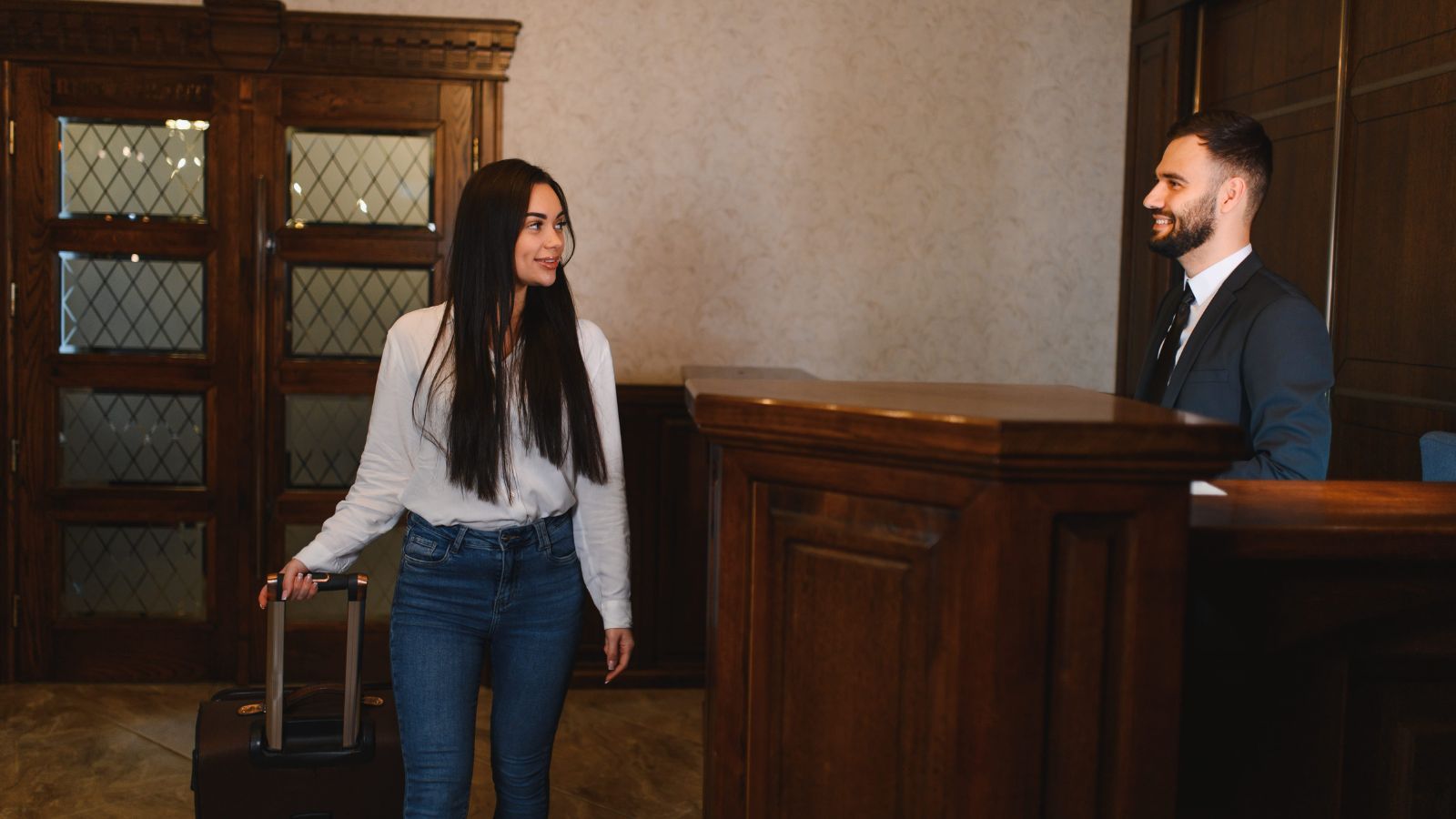
This first moment sets the tone. Hotels operate on constant movement. Guests are arriving, departing, asking questions, and making requests throughout the day. Staff members respond quickly, often managing multiple tasks at once. When a guest approaches with clarity and respect, the interaction becomes easier for everyone.
Service tends to follow that tone. Guests who communicate clearly are more likely to receive smoother assistance. Requests are understood faster. Recommendations become more thoughtful. Small details are easier to accommodate when the exchange begins on the right note.
The difference is subtle but consistent. In busy properties, especially in destinations like New York City or Paris, staff handle a steady flow of guests throughout the day. First impressions help them quickly understand how to approach each interaction.

A calm, respectful tone often leads to a more relaxed experience. This does not require anything formal.
Simple habits make the difference. Greeting staff, stating requests clearly, and allowing a moment for response create a smoother exchange. Even during busy check-in periods, these small actions stand out.
They also influence how issues are handled. Travel rarely goes perfectly. Room preferences, timing, or small concerns may need attention. Guests who communicate calmly often find solutions reached more quickly. The conversation stays focused on resolving the issue rather than reacting to it.

The interaction feels more productive. Experienced travelers understand this.
They treat check-in as the start of the stay, not just a transaction. A few seconds of thoughtful communication can shape how the rest of the experience unfolds.
Hotels are built on service, but service works best as a two-way exchange. When the first interaction is clear, calm, and respectful, everything that follows tends to feel easier. And that first impression often lasts longer than expected.
