The Best Airplane Seats for Staying Comfortable on Long Flights
Seat selection can feel like a small decision during booking. Most travelers focus on price, departure time, or airline, leaving seat choice as an afterthought.
Yet where we sit can quietly shape how we feel at the end of a flight. Some seats are simply less tiring than others.
Aisle seats are often the most practical choice for comfort over time. They allow easier movement, which matters on longer flights. Being able to stand, stretch, or walk briefly without disturbing others helps reduce stiffness and fatigue.
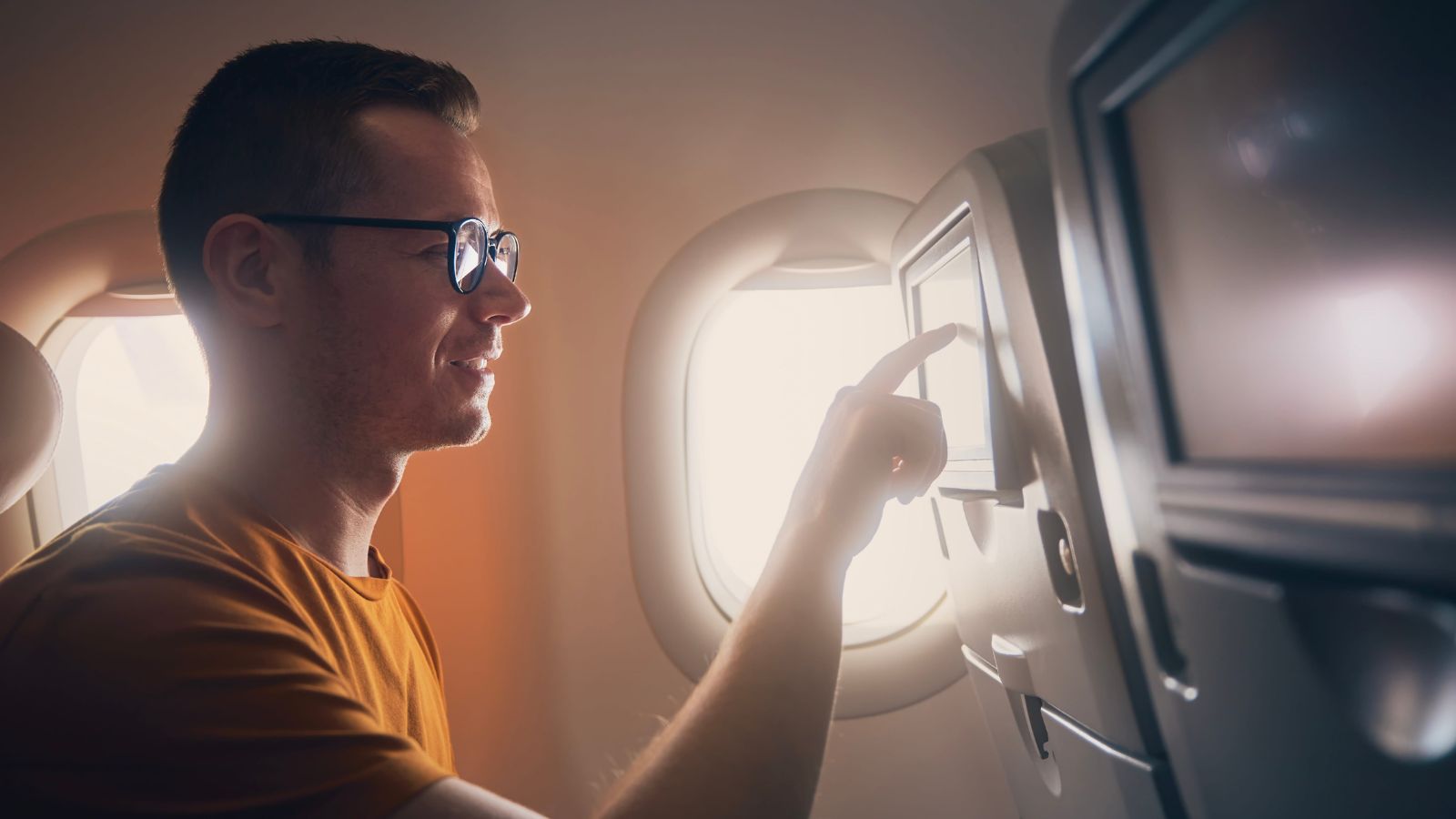
That freedom makes a noticeable difference. Window seats offer a different advantage. They provide a surface to lean against, which can make resting or sleeping easier. For travelers who plan to sleep during the flight, this added support can help maintain a more comfortable position.
The trade-off is limited mobility. Middle seats tend to be the most tiring. Limited space, restricted armrests, and less control over movement can make even shorter flights feel longer. For many travelers, this is the position they try to avoid whenever possible.
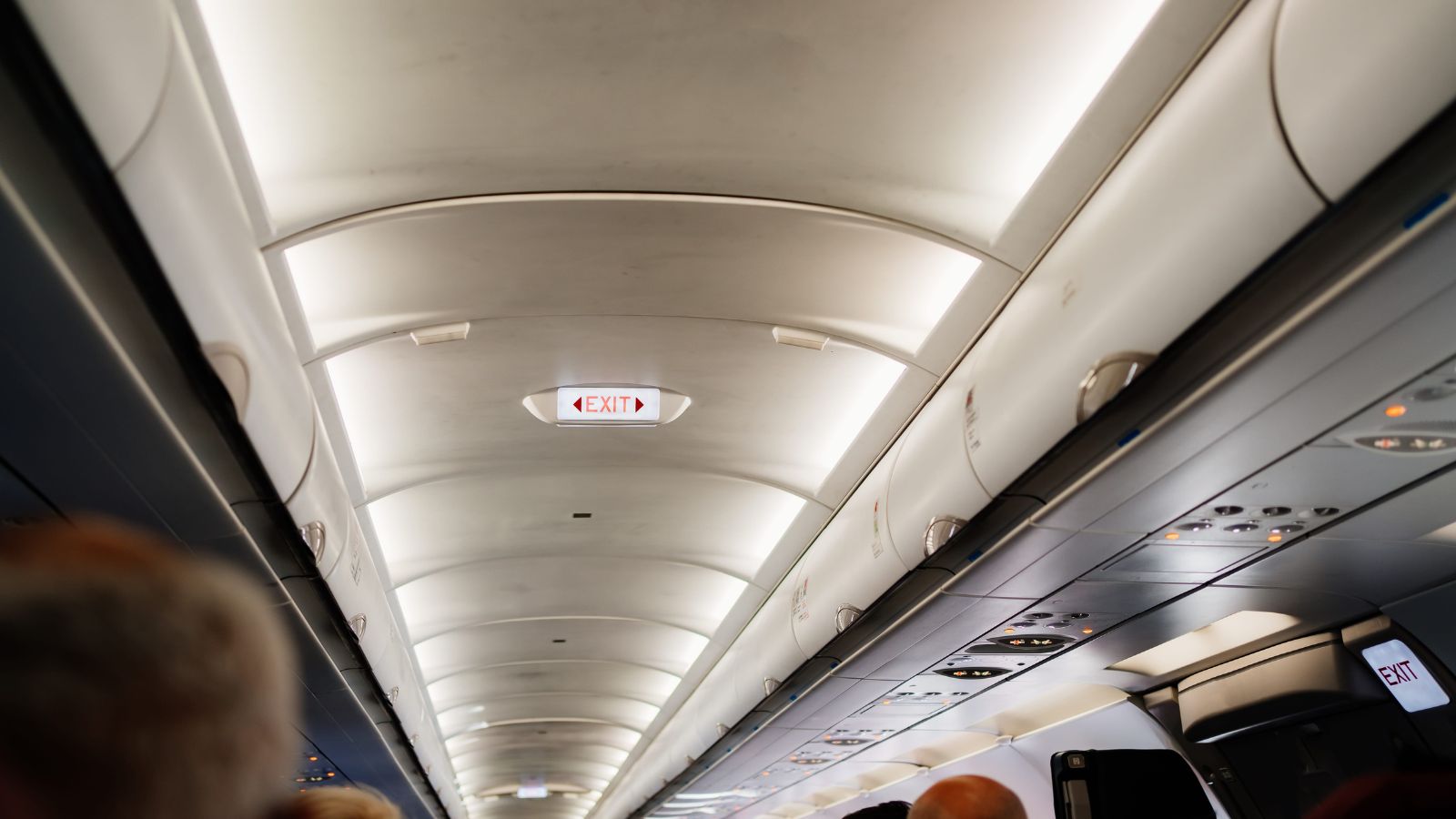
Seat location within the aircraft also matters. Seats near the wings usually experience less motion. This area is more stable during turbulence, which can make the flight feel smoother. A steadier ride often reduces physical strain and helps travelers feel less fatigued upon arrival.
Front sections of the cabin can also improve the experience. Passengers seated closer to the front often board earlier and exit faster. This reduces time spent standing in aisles and waiting after landing, which can add to overall fatigue, especially on long travel days.
Noise levels vary as well. Seats farther from engines, typically near the front of the aircraft, tend to be quieter. Lower noise can make resting easier and reduce the mental fatigue that builds over several hours in the air.
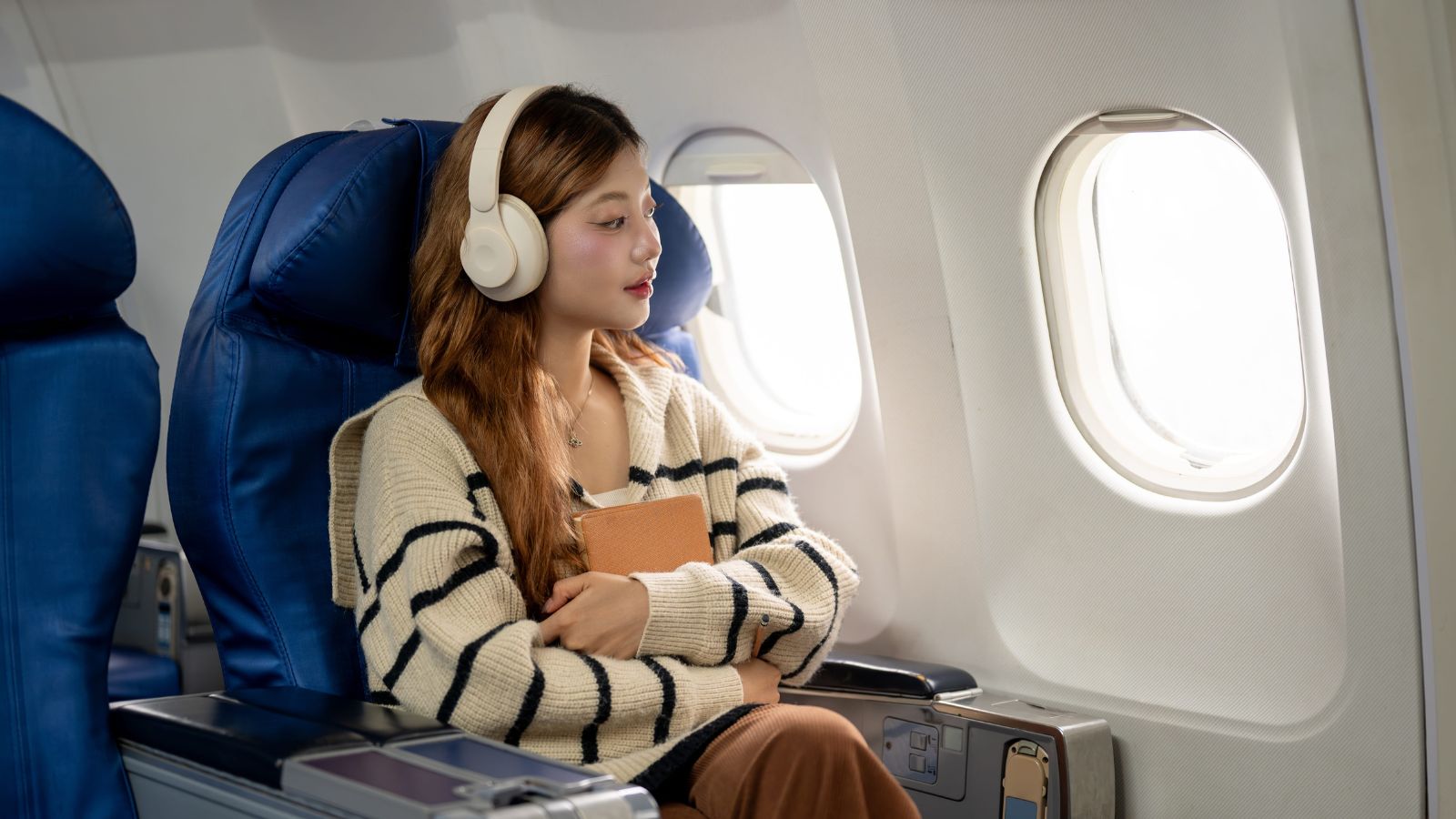
Experienced travelers think about these details in advance. They choose seats based on how they plan to spend the flight, resting, moving, or staying productive. A small adjustment in seat selection can lead to a noticeably different experience.
The goal is not just getting from one place to another. It is arriving feeling as refreshed as possible.
Choosing the right seat may seem minor during booking, but once the flight is underway, it becomes one of the most important factors shaping comfort.
And that choice often determines how the journey feels long after landing.
