12 Canadian Cities Where Getting Around on Foot Just Works
Walkability can shape how a trip feels from the moment you arrive. For many couples, being able to step outside and reach cafés, parks, shops, and transit without relying on a car makes travel more relaxed and flexible. It changes the pace of the day and reduces the need for constant planning.
In Canada, certain cities stand out for how naturally they support getting around on foot. Compact downtown cores, well-connected neighborhoods, and access to public transit make it easy to explore without driving. Sidewalks are well-maintained, routes are clearly marked, and key areas tend to be clustered in ways that favor walking.
For couples, this kind of environment allows for more spontaneous travel. Plans can shift easily, and time is spent experiencing a place rather than navigating it. That simplicity often leads to a more enjoyable and less stressful trip.
We have identified 12 Canadian cities where getting around on foot just works. These are places where walkability is built into the layout, helping couples move comfortably through neighborhoods and make the most of their time without needing a car.
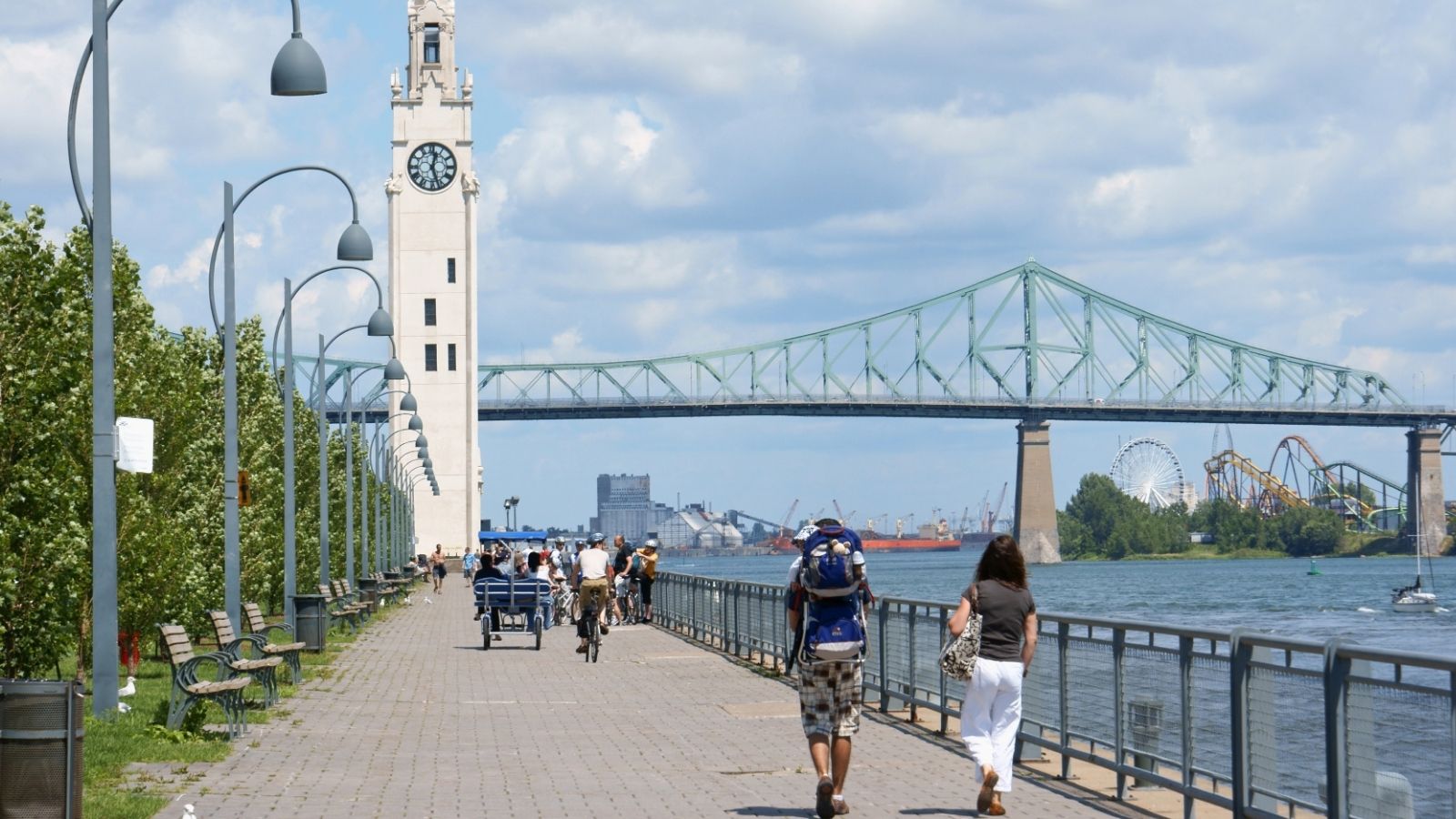
Montreal, Quebec

Montreal is one of the most walkable cities in Canada, especially in neighborhoods like Plateau-Mont-Royal and Old Montreal. Streets are compact, sidewalks are active, and daily essentials are often within a short distance. Public transit also fills in any gaps.
Takeaway: Montreal makes it easy to explore at your own pace without needing a car.
Quebec City, Quebec

Quebec City’s Old Town is built for walking, with narrow streets, historic squares, and short distances between major sights. While some areas are hilly, most of what visitors want to see is close together.
Takeaway: Quebec City works best when you slow down and explore on foot.
Victoria, British Columbia

Victoria’s downtown core is compact and easy to navigate. Shops, restaurants, and waterfront paths are all within walking distance, making it simple to move around without relying on transportation.
Takeaway: Victoria keeps things close, which makes walking the easiest way to get around.
Vancouver, British Columbia

Vancouver’s downtown and surrounding neighborhoods are highly walkable, with clear layouts and well-maintained sidewalks. Areas like Yaletown and the West End connect easily to parks and waterfront paths.
Takeaway: Vancouver combines walkability with scenic routes that make getting around part of the experience.
Toronto, Ontario (Downtown Core)

While Toronto as a whole is large, the downtown core is very walkable. Neighborhoods like Kensington Market, Queen Street West, and the Distillery District are close enough to explore on foot, with transit nearby when needed.
Takeaway: Toronto becomes much easier to navigate once you focus on walkable pockets.
Halifax, Nova Scotia

Halifax’s waterfront and downtown areas are compact, making it easy to walk between attractions, restaurants, and historic sites. The harborfront boardwalk connects many of the city’s highlights.
Takeaway: Halifax feels manageable and easy to explore without needing a car.
St. John’s, Newfoundland and Labrador

St. John’s offers a walkable downtown with colorful streets and nearby viewpoints. While some hills can be steep, many of the main attractions are within walking distance of each other.
Takeaway: St. John’s rewards walkers who don’t mind a bit of elevation.
Ottawa, Ontario

Ottawa’s downtown is designed with accessibility in mind. Major landmarks like Parliament Hill, the ByWard Market, and the Rideau Canal are all within walking distance, especially during warmer months.
Takeaway: Ottawa keeps its key sights close together, making walking a practical choice.
Calgary, Alberta (Downtown)

Calgary’s downtown core is connected by a network of walkways and plus-15 indoor paths, making it easier to move around even in colder weather. Streets are organized and straightforward to navigate.
Takeaway: Calgary makes walking workable year-round, even when conditions aren’t ideal.
Winnipeg, Manitoba (The Exchange District)

Winnipeg’s Exchange District is one of its most walkable areas, with historic buildings, restaurants, and cultural spaces clustered together. While the broader city is more spread out, this neighborhood is easy to explore on foot.
Takeaway: Winnipeg works best for walking when you stay within its more compact districts.
Charlottetown, Prince Edward Island

Charlottetown’s small size makes it naturally walkable. Shops, restaurants, and waterfront areas are all close together, and the pace is relaxed enough to explore comfortably on foot.
Takeaway: Charlottetown is easy to navigate simply because everything is close by.
Whitehorse, Yukon

Whitehorse may be remote, but its downtown area is compact and easy to walk. Key spots, including shops and local attractions, are within short distances of each other.
Takeaway: Whitehorse keeps things simple, with a layout that supports easy walking.
10 Countries That Get Work-Life Balance Right

Work-life balance means different things to different couples. For some, it is shorter workweeks and generous vacation time. For others, it is reliable public services, manageable commutes, and a culture that respects time away from work. In certain countries, that balance is built into daily life rather than treated as a luxury.
Learn more here: 10 Countries That Get Work-Life Balance Right
10 U.S. States for People Who Love Walkable Cities

Walkability shapes how a trip or relocation feels day-to-day. For many couples, being able to step outside and reach restaurants, parks, shops, and transit without getting in a car changes everything. It affects pace, connection to a place, and even how much planning is required.
Learn more here: 10 U.S. States for People Who Love Walkable Cities
