11 Countries Where Visitors Rarely Feel Disoriented
Feeling disoriented can shape a trip more than travelers expect. Unfamiliar systems, language barriers, and unclear layouts can turn simple tasks into ongoing challenges. For many couples, that sense of confusion can affect confidence and slow down the overall experience.
Some countries naturally reduce that friction. Clear signage, organized transportation, and consistent infrastructure make it easier to understand how things work from the start. When navigation feels intuitive, couples spend less time figuring things out and more time enjoying where they are.
Familiar patterns also help. Widely accepted payment methods, predictable schedules, and accessible information allow travelers to adjust quickly, even in a new environment. That early sense of clarity often sets the tone for the rest of the trip.
We have identified 11 countries where visitors rarely feel disoriented. These are places where systems are easy to follow and daily routines make sense quickly, helping couples move through their trip with confidence and less stress from the moment they arrive.

Japan

Japan is known for its clear systems and strong organization, which help visitors stay oriented even in large cities. Train stations are well marked, signage often includes English, and routines are predictable once learned. Clean streets and consistent layouts also reduce confusion when moving between neighborhoods or cities.
Takeaway: Japan feels structured in a way that helps visitors stay on track quickly.
Canada

Canada offers a familiar environment for many travelers, especially those used to North American systems. Cities are easy to navigate, signage is clear, and English is widely spoken. Public transportation and road systems follow straightforward patterns, which reduces the chance of feeling lost.
Takeaway: Canada feels easy to adjust to without needing much time to figure things out.
Germany
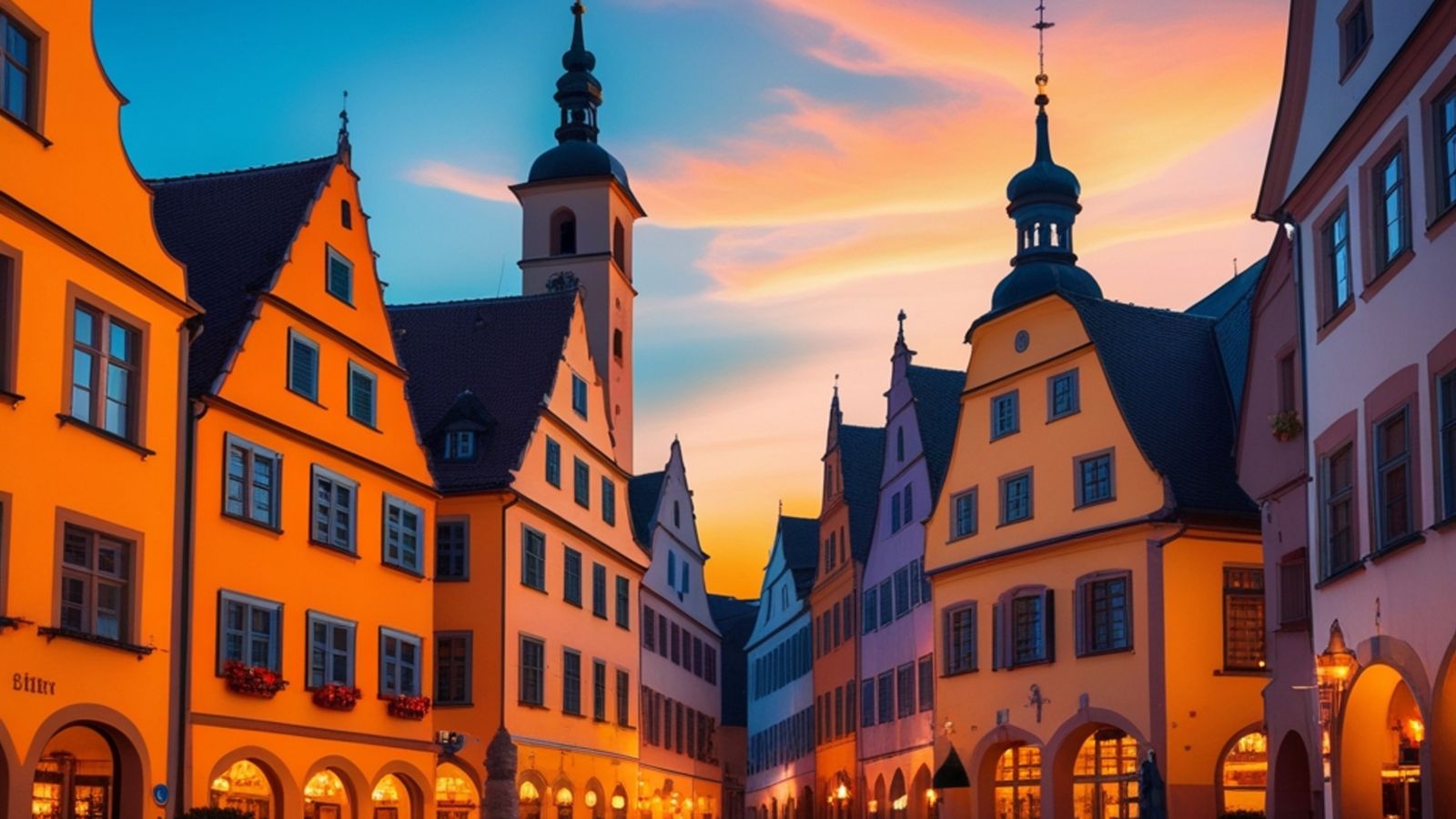
Germany’s emphasis on efficiency and organization helps visitors stay oriented. Transportation networks are clearly mapped, schedules are reliable, and cities follow logical layouts. Even when moving between regions, systems remain consistent, which makes planning and navigation more manageable.
Takeaway: Germany keeps things predictable, which helps visitors stay confident while traveling.
Netherlands
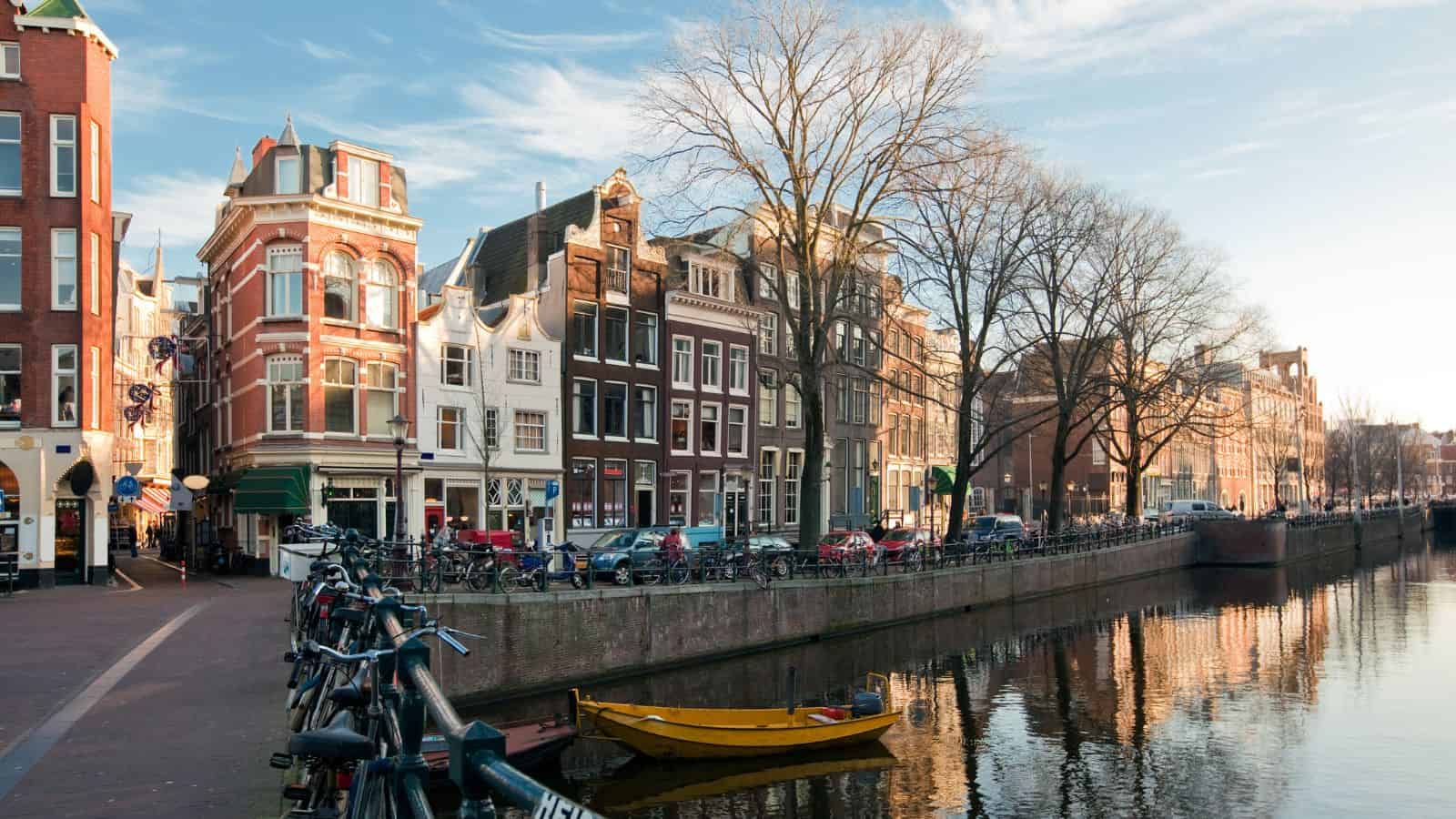
The Netherlands is compact and well connected, making it easier to understand how places relate to each other. Cities are walkable, bike-friendly, and supported by reliable trains. English is widely spoken, and signage is easy to follow.
Takeaway: The Netherlands feels manageable because distances and systems stay simple.
Singapore
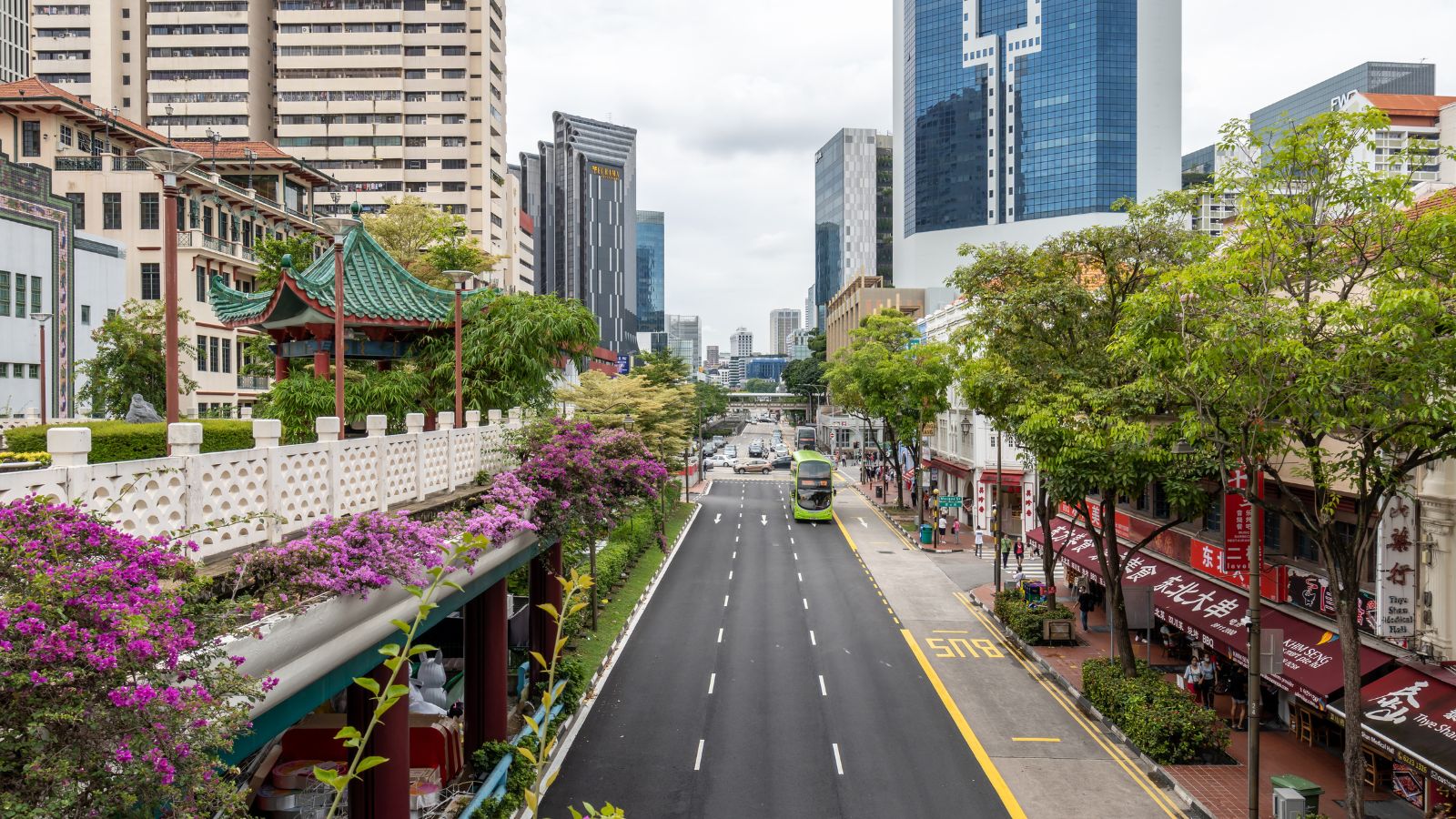
Singapore is known for its order and clarity. Public transportation is easy to use, streets are well labeled, and English is one of the main languages used. The city’s layout is structured, which helps visitors navigate without confusion.
Takeaway: Singapore removes many of the common challenges that make travel feel disorienting.
Australia

Australia combines familiar systems with a relaxed pace, which helps visitors adjust quickly. Cities are well organized, English is the primary language, and transportation options are easy to understand. Even when traveling between regions, the structure stays consistent.
Takeaway: Australia feels approachable because systems remain familiar and easy to follow.
Ireland

Ireland offers a straightforward travel experience, especially for English-speaking visitors. Road signs, transportation, and daily interactions are easy to understand. Cities and towns are manageable in size, which reduces the chance of feeling overwhelmed.
Takeaway: Ireland feels comfortable because it keeps things simple and easy to navigate.
New Zealand
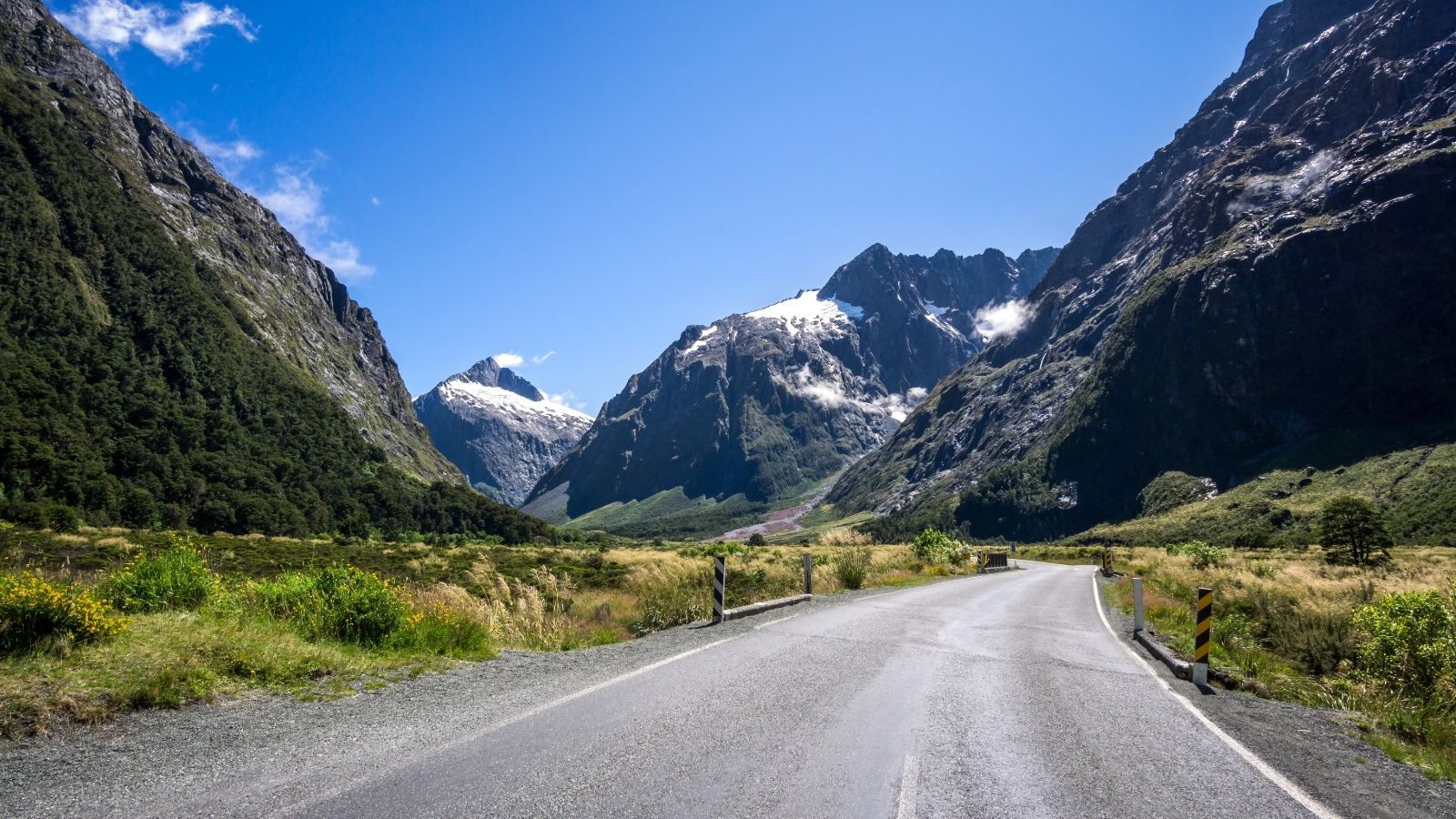
New Zealand is easy to move through thanks to its clear road systems and manageable towns. English is widely spoken, and services are consistent across regions. The pace is steady, which gives visitors time to adjust without pressure.
Takeaway: New Zealand supports a travel style that feels calm and easy to follow.
Denmark
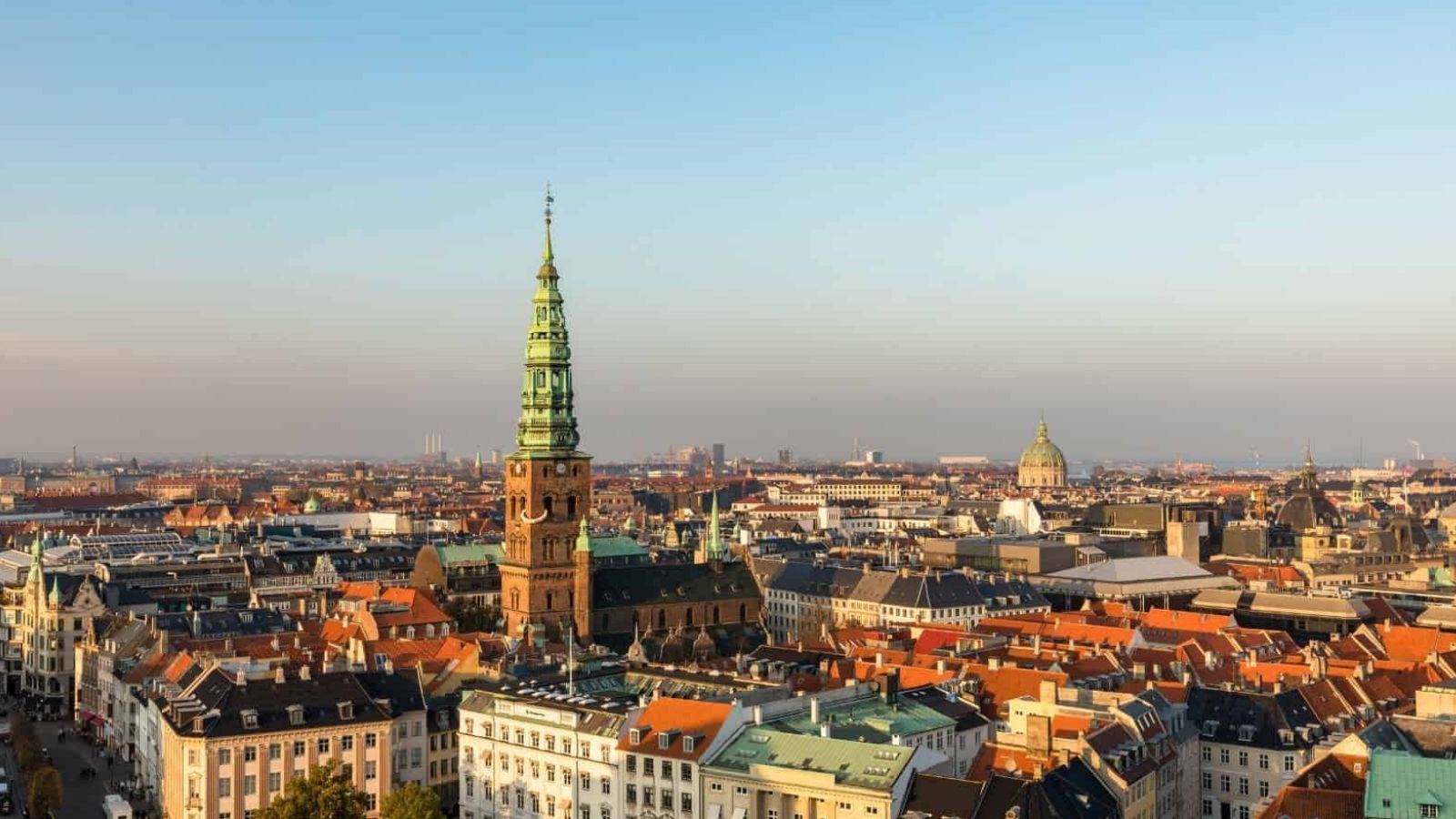
Denmark’s cities are well planned, with clear layouts and strong public transportation. Copenhagen in particular is easy to navigate by foot, bike, or train. English is widely spoken, and daily routines feel structured but not rushed.
Takeaway: Denmark feels organized in a way that makes moving around simple.
Switzerland
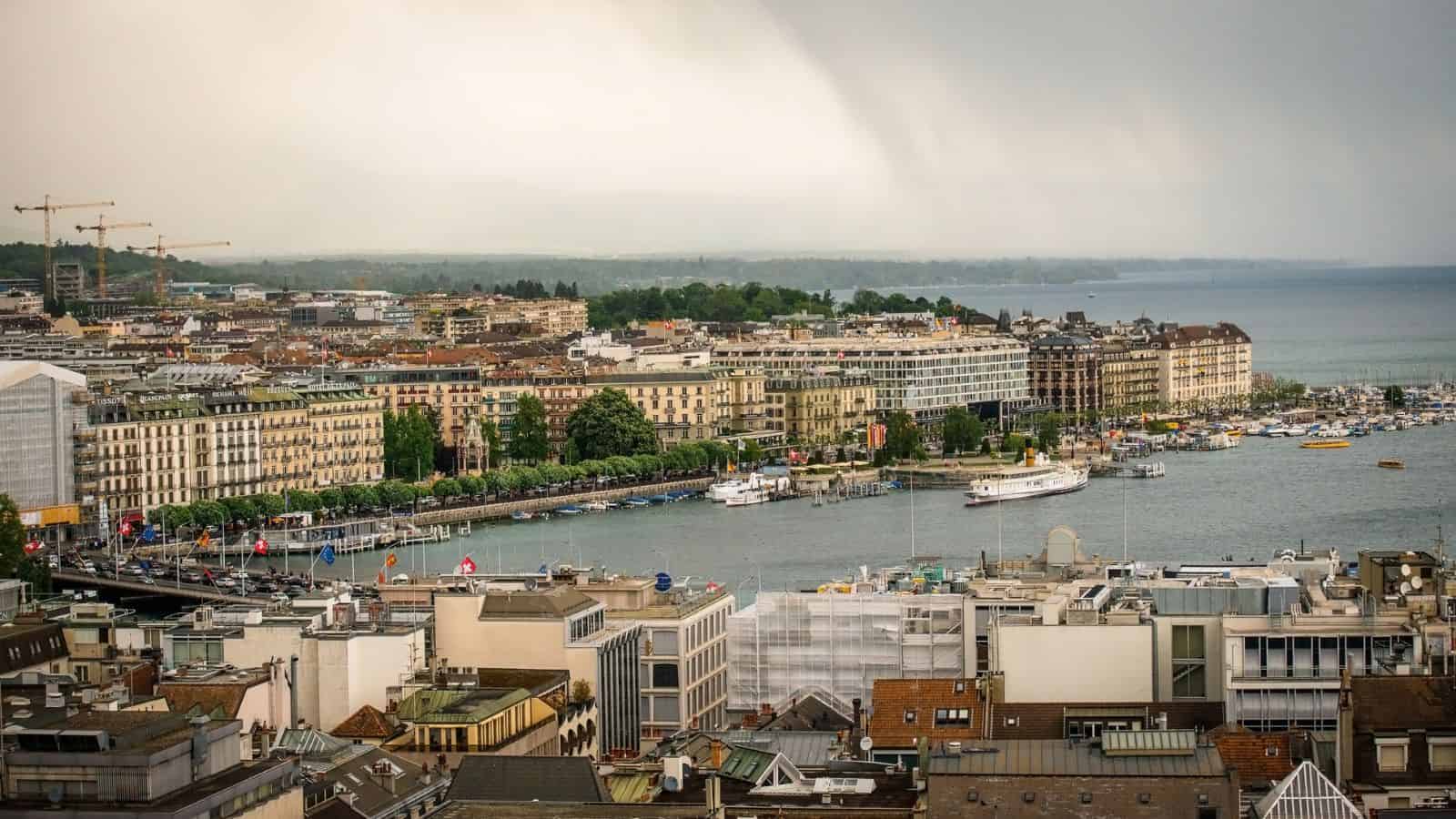
Switzerland is known for precise systems and strong infrastructure. Trains run on schedule, signage is clear, and cities are easy to understand. Even when moving between regions with different languages, the overall structure stays consistent.
Takeaway: Switzerland feels reliable, which helps visitors stay oriented.
Portugal

Portugal offers a balance of structure and ease. Cities are walkable, public transportation is accessible, and English is commonly spoken in many areas. The pace is manageable, which helps visitors settle in without feeling rushed.
Takeaway: Portugal feels approachable because it combines simplicity with a slower pace.
11 Destinations Where Tourist Taxes Add Up Fast

Tourist taxes are easy to underestimate when planning a trip. They often appear as small nightly charges or add-ons that feel insignificant at first glance. The reality is that in some destinations, these fees accumulate quickly, especially for couples staying multiple nights or moving between cities.
Learn more here: 11 Destinations Where Tourist Taxes Add Up Fast
9 Places Where Travel Fees Catch Americans Off Guard

Travel budgets often look solid until the extra charges start piling up. Many Americans plan carefully for flights and hotels, then get caught off guard by fees that appear only after arrival. These costs are rarely hidden. They are simply easy to overlook when focusing on the basics.
Learn more here: 9 Places Where Travel Fees Catch Americans Off Guard
