11 Countries Where Transitions Between Cities Feel Different
Moving between cities can shape a trip as much as the destinations themselves. In some countries, transitions feel seamless, with similar layouts, infrastructure, and routines from one place to the next. In others, each city introduces a noticeable shift in atmosphere, pace, and daily life.
These differences can come from regional culture, geography, or how cities have developed over time. Language variations, local customs, architecture, and even transportation systems can change from one stop to another. For couples, that contrast can either feel exciting or require a bit more adjustment between destinations.
Planning multi-city travel in these countries often means allowing extra time to adapt. What works in one location may not translate directly to the next. Understanding those shifts ahead of time helps reduce friction and keeps the experience enjoyable.
We have identified 11 countries where transitions between cities feel different. These are places where variety defines the journey, and where couples can expect each stop to offer a distinct experience rather than a continuation of the last.
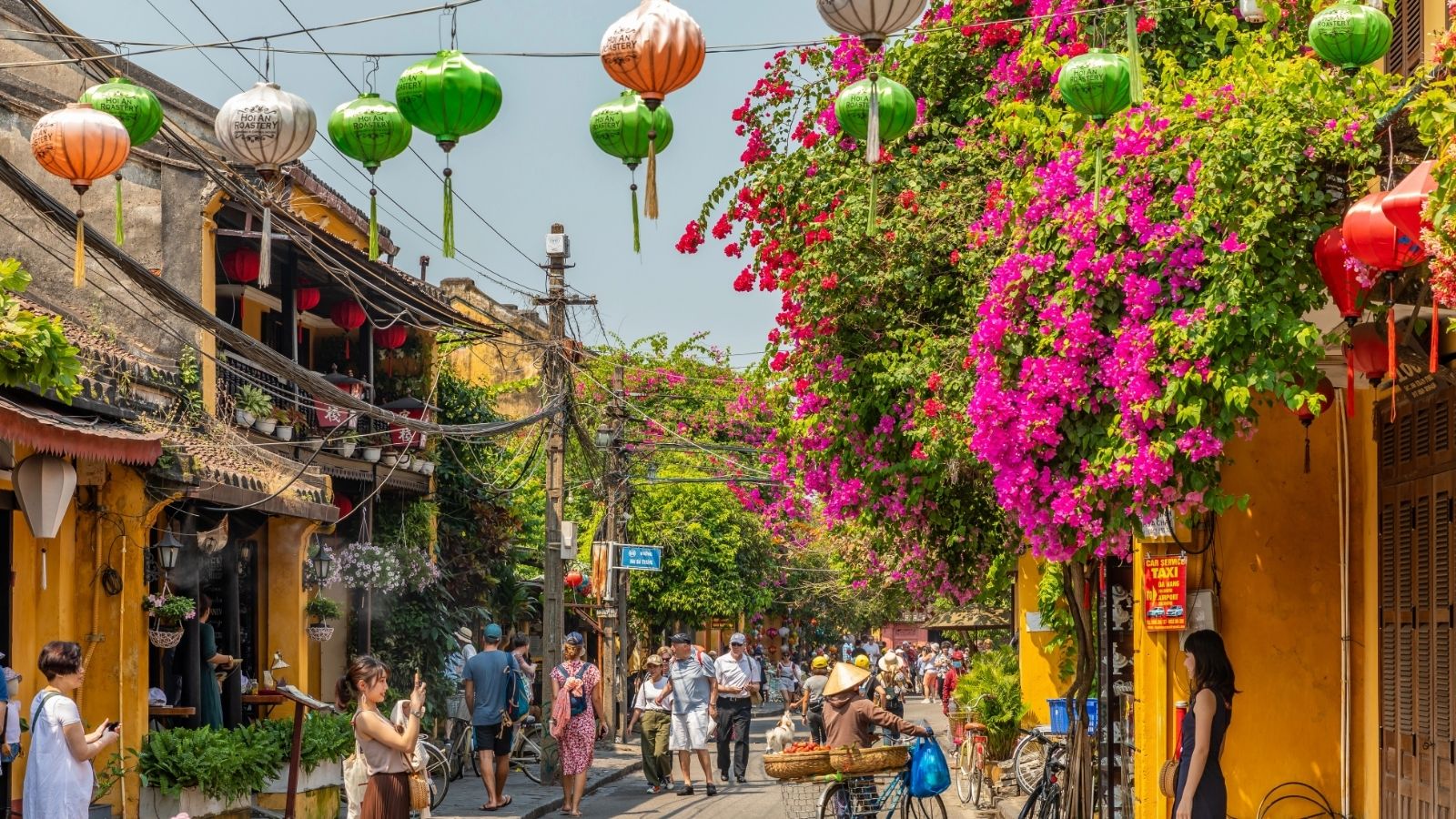
Italy
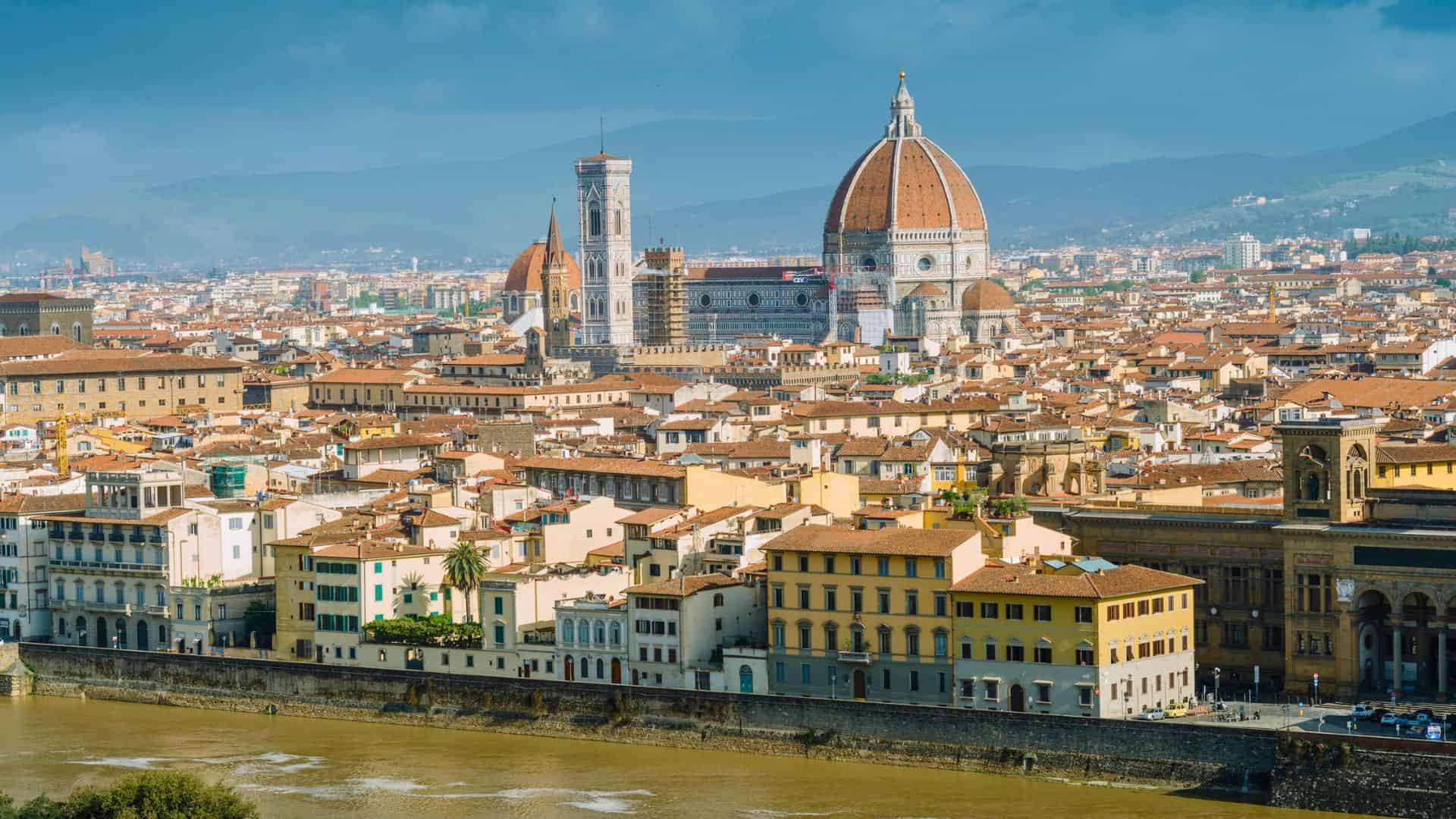
Italy is known for how much its regions differ from one another. Moving from Milan to Florence to Naples, visitors notice changes in food, pace, and daily routines. Even accents and local customs shift, which makes each stop feel distinct rather than part of a single experience.
Takeaway: Italy keeps travel interesting by making every city feel like its own world.
Spain

Spain offers noticeable differences between cities like Barcelona, Madrid, and Seville. Language variations, food traditions, and daily schedules can change from one region to another. The atmosphere shifts as well, from coastal energy to inland routines.
Takeaway: Spain feels varied, with each city offering a different rhythm and identity.
Japan
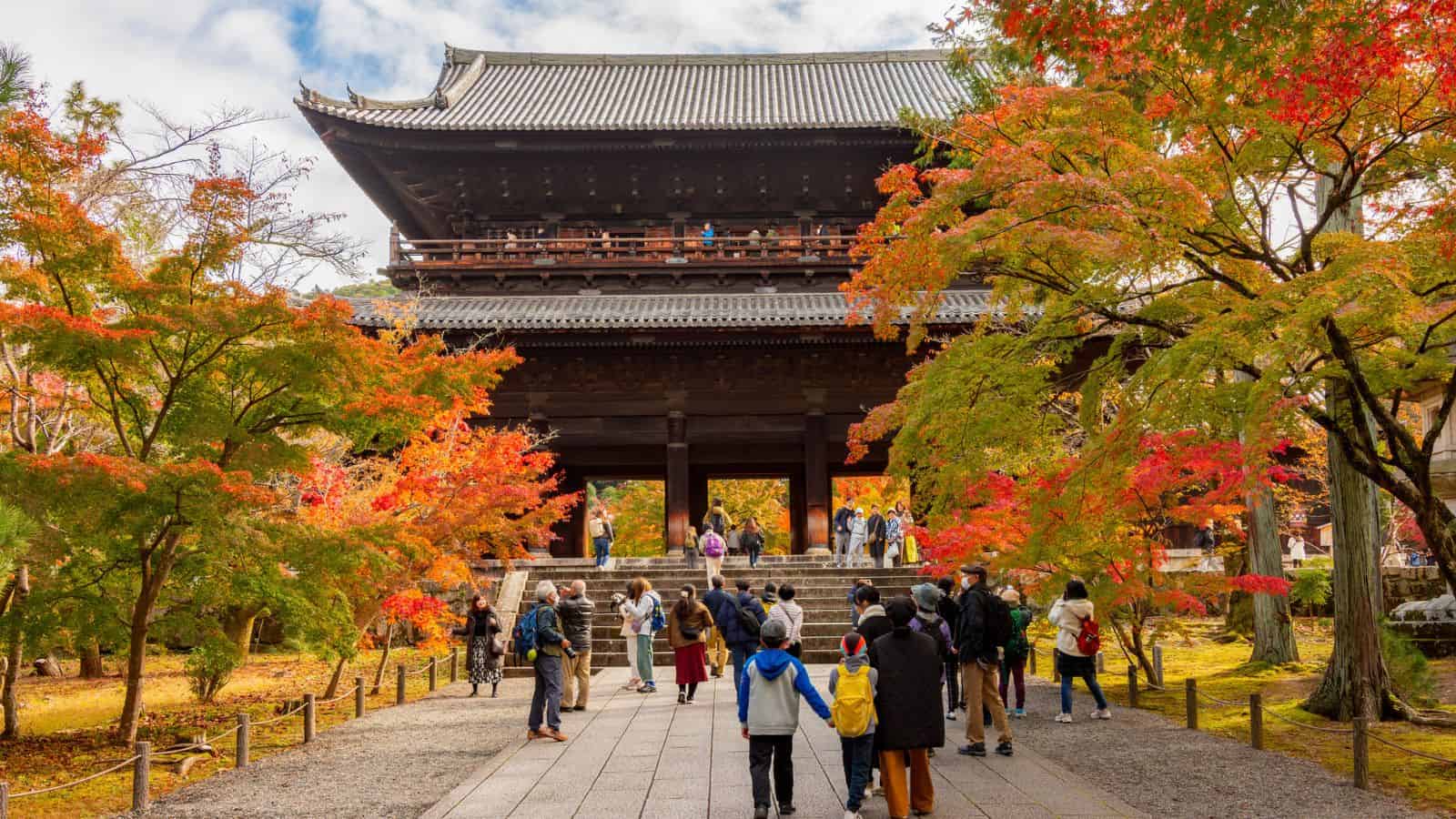
Japan may feel consistent in structure, but each city has its own personality. Tokyo moves quickly, Kyoto feels more traditional, and Osaka leans toward a more relaxed, food-focused atmosphere. The differences are clear without being disorienting.
Takeaway: Japan balances familiarity with distinct city identities.
Germany
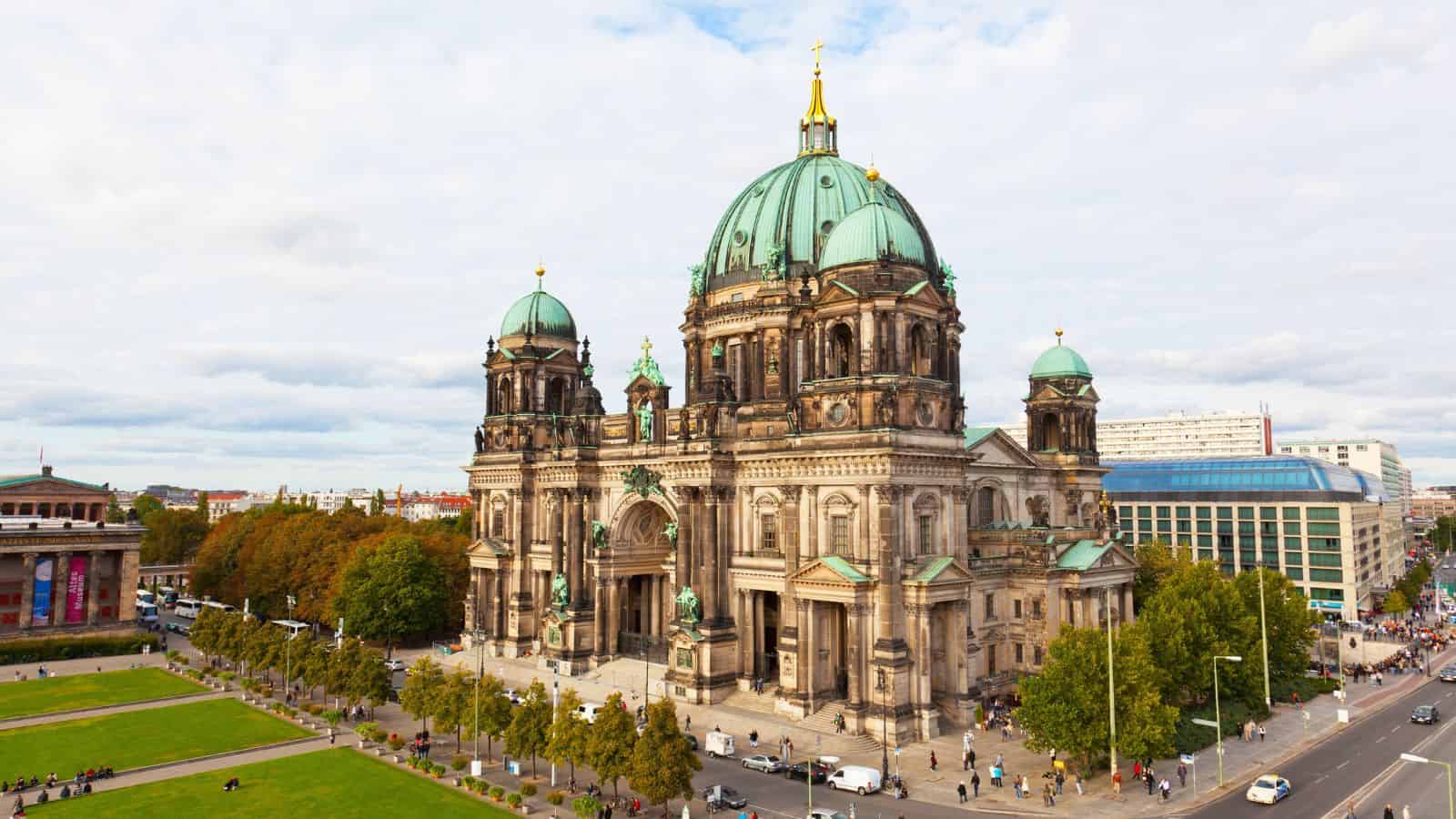
Germany’s cities reflect different histories and regional identities. Berlin feels creative and fast-moving, while Munich leans more traditional and structured. Hamburg adds a port-city atmosphere, which creates another shift in tone.
Takeaway: Germany shows how regional identity can shape each city differently.
Mexico

Mexico’s cities vary widely in pace and environment. Mexico City feels large and busy, while places like Oaxaca or Mérida offer a slower pace and stronger local traditions. Climate and geography also influence how each place feels.
Takeaway: Mexico’s diversity makes each city experience feel separate from the last.
India
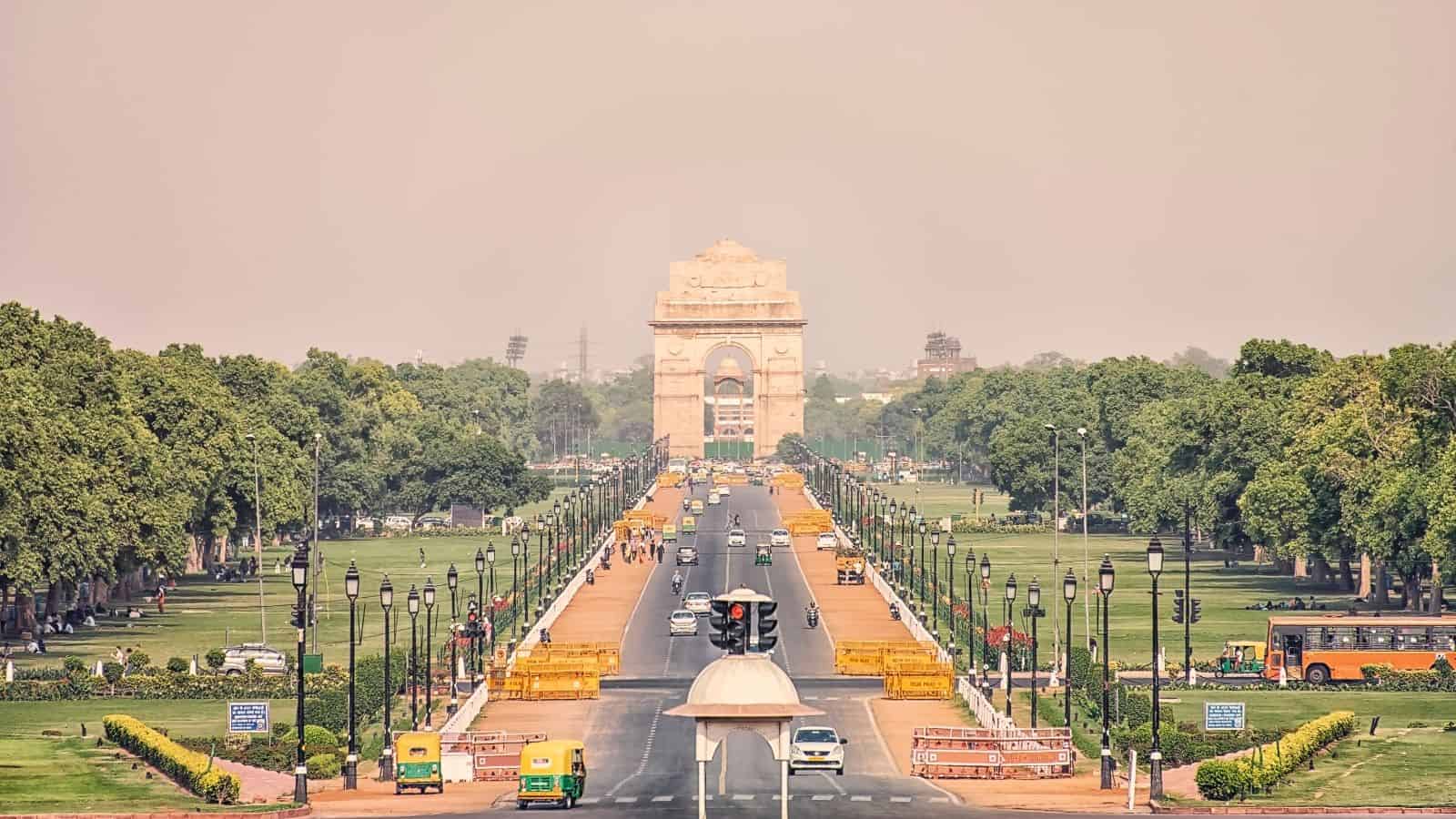
India presents strong contrasts between cities, often within short distances. Delhi, Mumbai, and Jaipur all differ in pace, layout, and atmosphere. Cultural practices, language use, and daily routines shift noticeably, which can feel like entering a different setting each time.
Takeaway: India delivers constant change between cities, keeping travel dynamic.
Turkey
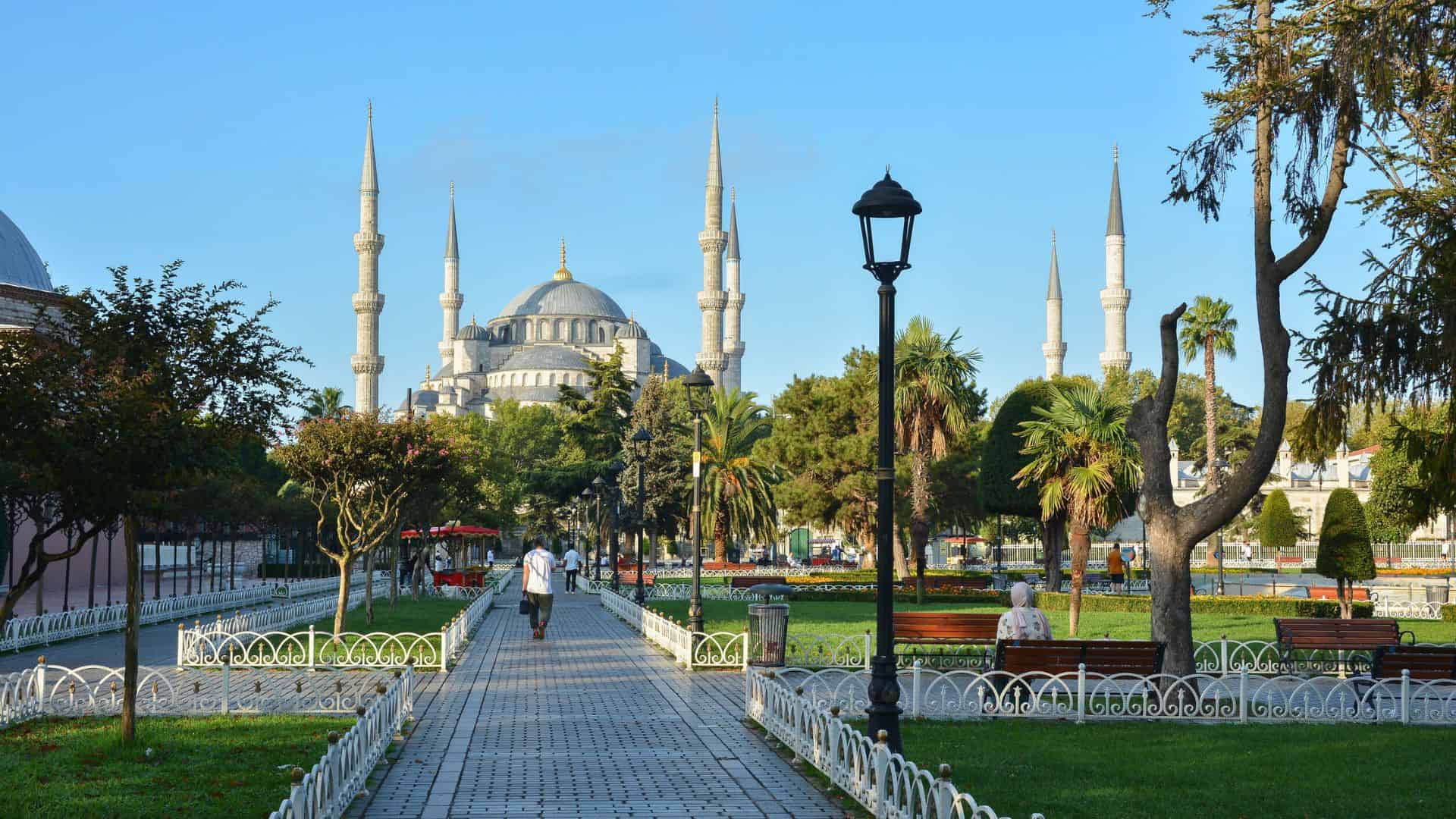
Turkey bridges Europe and Asia, and that shows in its cities. Istanbul feels busy and layered, while places like Cappadocia or Izmir offer a different pace and landscape. Food, culture, and daily routines shift across regions.
Takeaway: Turkey’s position between regions shapes how different each city feels.
Vietnam
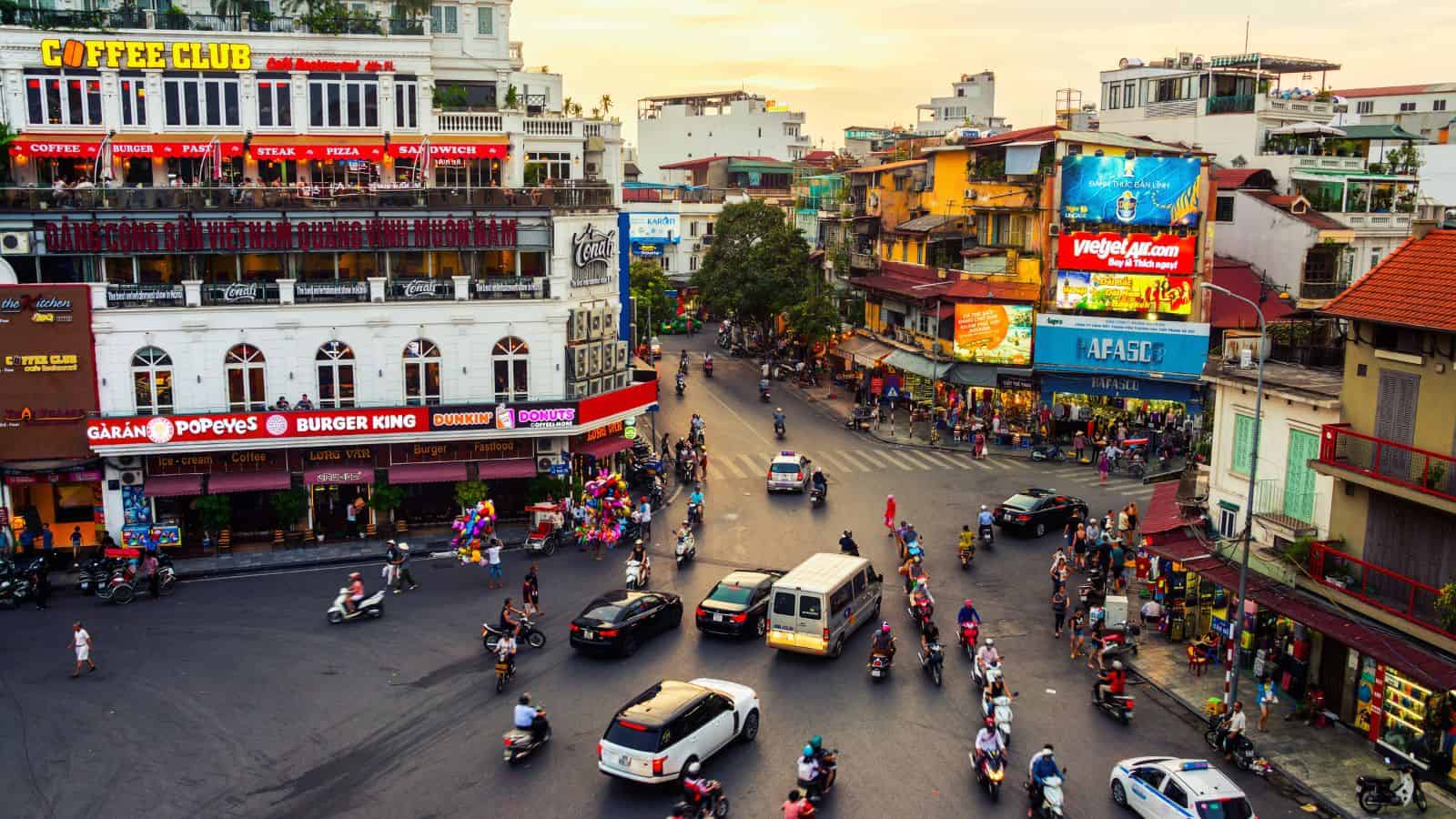
Vietnam changes noticeably from north to south. Hanoi has a more traditional feel, while Ho Chi Minh City moves faster and feels more modern. Central cities like Da Nang create another shift in pace and environment.
Takeaway: Vietnam’s regional differences are easy to notice as you travel.
Morocco
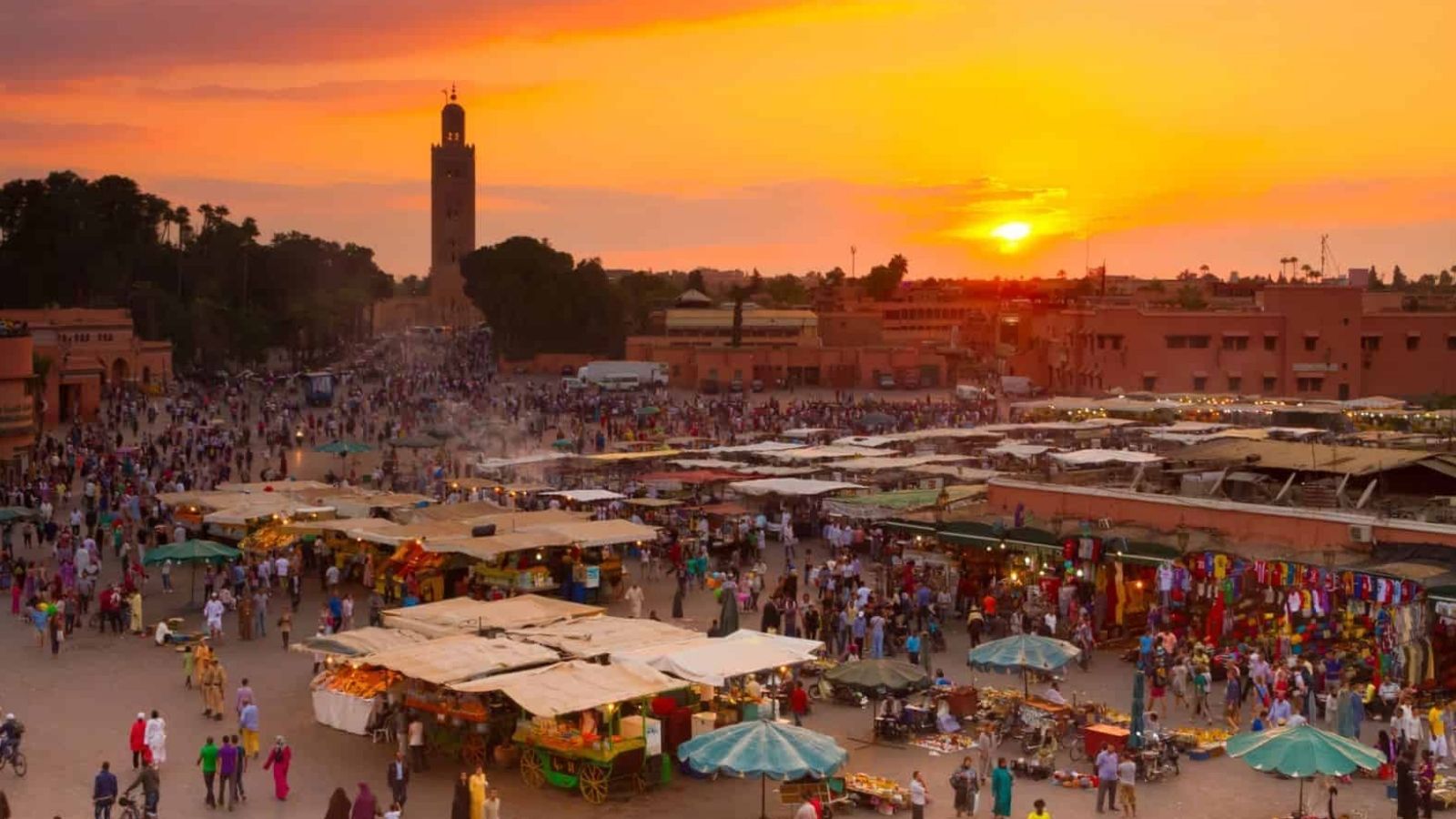
Morocco’s cities vary in both layout and atmosphere. Marrakech feels intense and busy, while Chefchaouen offers a quieter, more relaxed environment. Coastal cities bring yet another change in pace.
Takeaway: Morocco’s cities feel distinct, often requiring a reset between stops.
United States
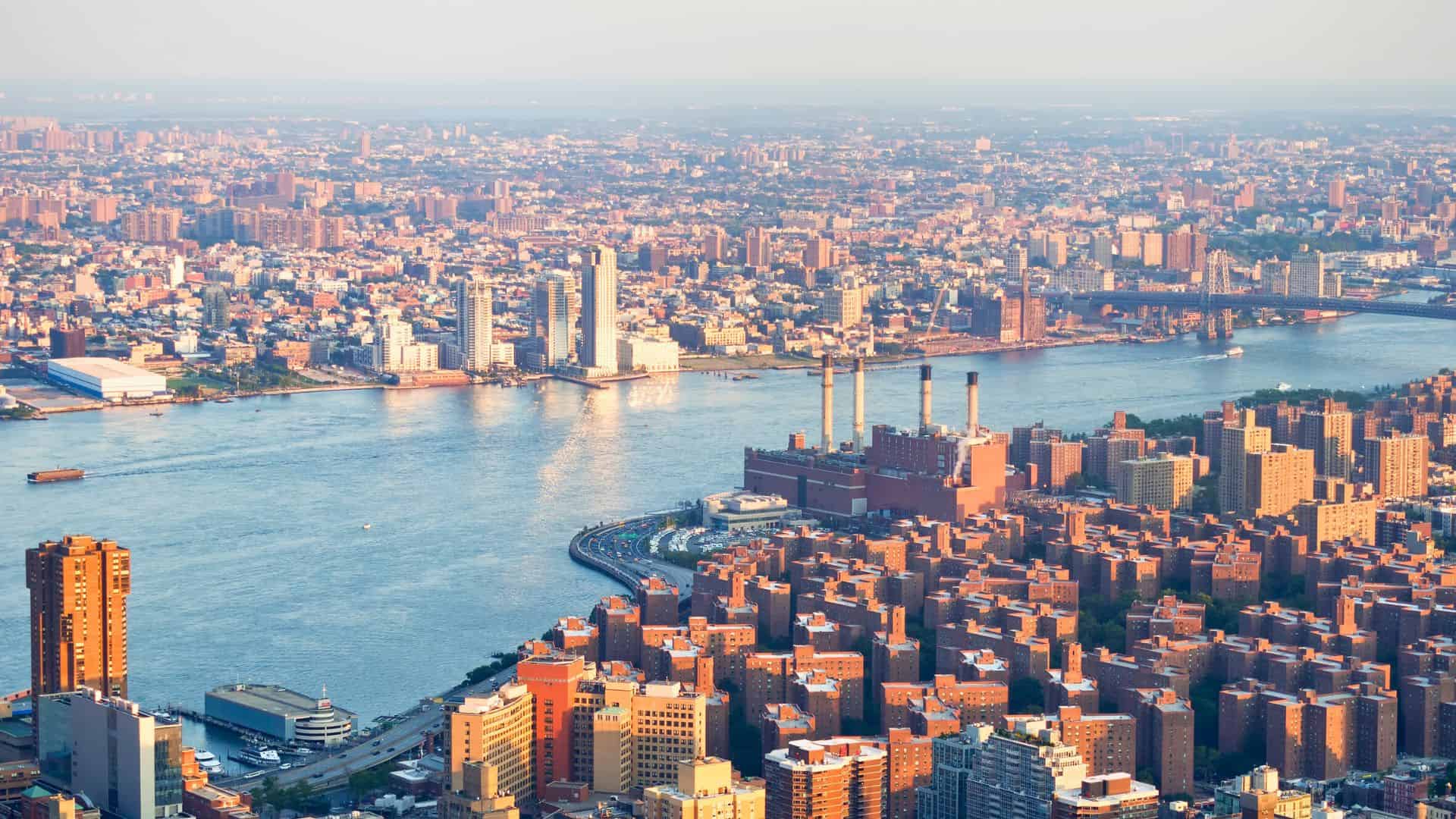
The United States covers a large geographic area, which leads to noticeable differences between cities. New York, Los Angeles, and Chicago all feel distinct in pace, layout, and culture. Regional identity plays a strong role in shaping each location.
Takeaway: The U.S. feels varied, with cities that rarely feel interchangeable.
Australia
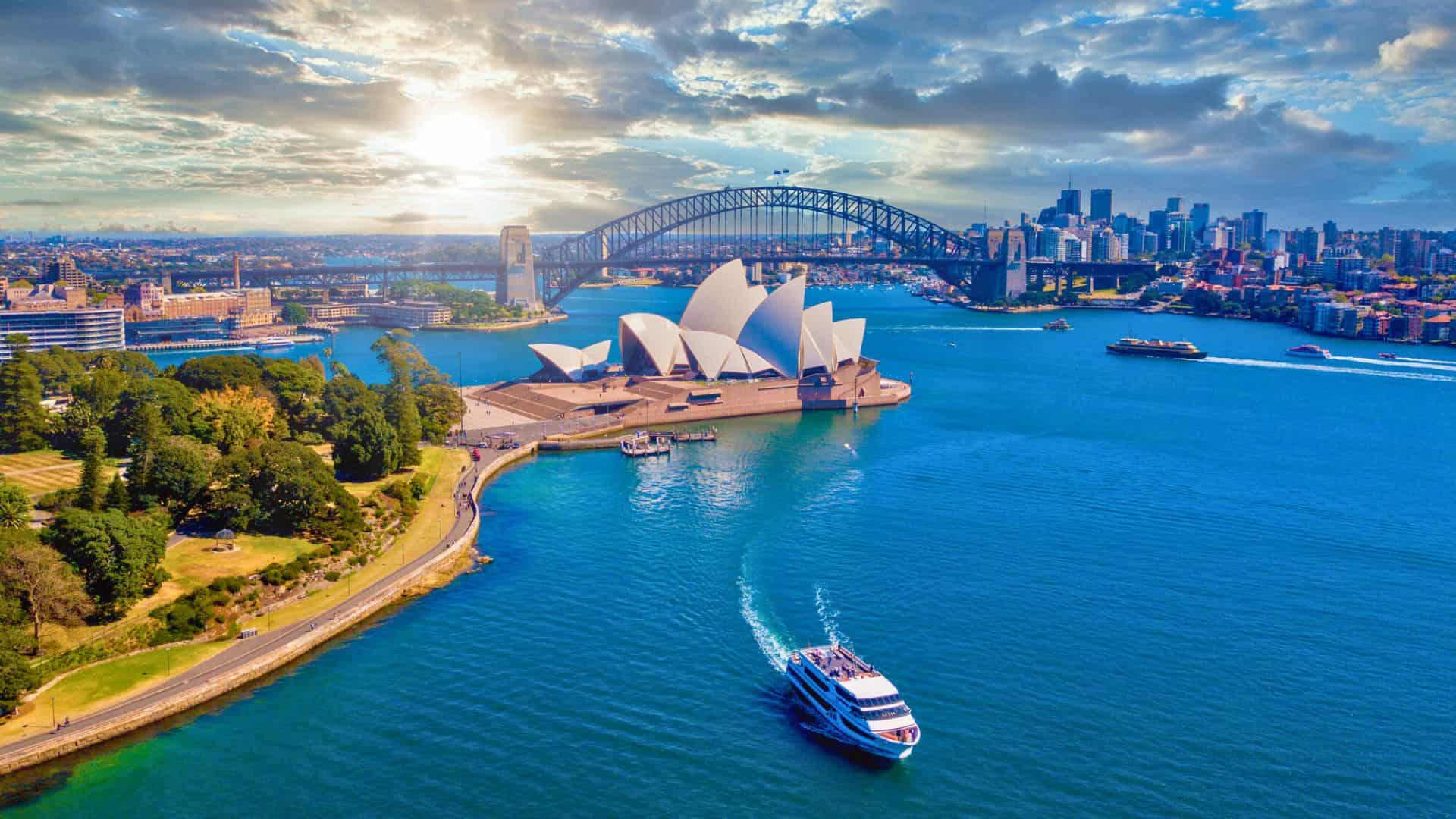
Australia’s major cities differ in atmosphere despite shared systems. Sydney feels fast-paced and coastal, while Melbourne leans toward a slower, culture-focused experience. Brisbane adds another shift with its warmer climate and outdoor lifestyle.
Takeaway: Australia keeps a consistent structure while allowing each city to feel different.
11 Places Couples Choose When They Want a Simple Getaway

Planning a getaway does not always mean building a full itinerary. Many couples reach a point where the goal is simply to step away, reset, and spend time together without overthinking each detail. The challenge is finding places where that kind of trip feels easy from the start.
Learn more here: 11 Places Couples Choose When They Want a Simple Getaway
9 Most Expensive Places to Live In Around the World

Cost of living varies widely across the world, and in some cities, expenses rise far beyond what many couples expect. Housing, transportation, healthcare, and everyday essentials can combine to create financial pressure even for high earners. Understanding where costs are highest helps put global living comparisons into perspective.
Learn more here: 9 Most Expensive Places to Live In Around the World
