11 Travel Habits That Have Stuck Around Longer Than Expected
Travel habits tend to evolve with changing technology, trends, and expectations. Yet some behaviors persist long after their original purpose has faded. For many couples, these habits shape how trips are planned and experienced, often without being questioned.
Some of these routines still serve a purpose. Others continue out of familiarity, even when better options exist. From how people book flights to how they pack, move through airports, or structure itineraries, these patterns influence both convenience and stress levels.
Understanding which habits still make sense and which ones create unnecessary friction can improve the overall travel experience. Small adjustments often lead to smoother trips, better use of time, and fewer avoidable frustrations.
We have identified 11 travel habits that have stuck around longer than expected. These are common practices travelers continue to follow, along with a closer look at whether they still support efficient, well planned trips for couples today.

Packing Carry-On Only
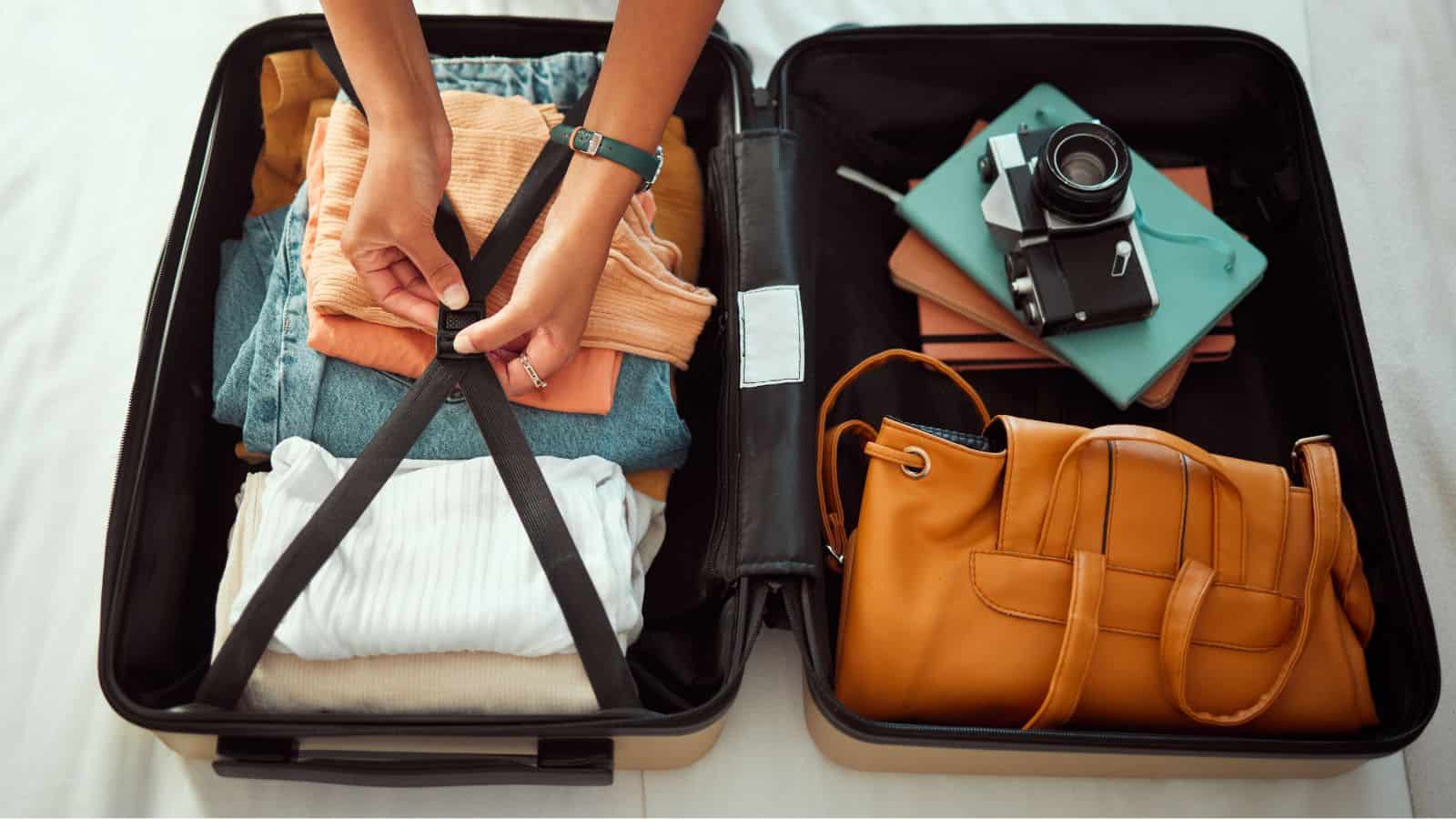
Many travelers now stick to carry-on-only trips to avoid baggage fees, delays, and lost luggage. What started as a workaround has become a preference, especially for shorter trips or multi-city itineraries. It simplifies airport time and makes moving between destinations easier without waiting at baggage claim.
Takeaway: Traveling lighter continues to save time and reduce stress.
Booking Trips Earlier Than Before
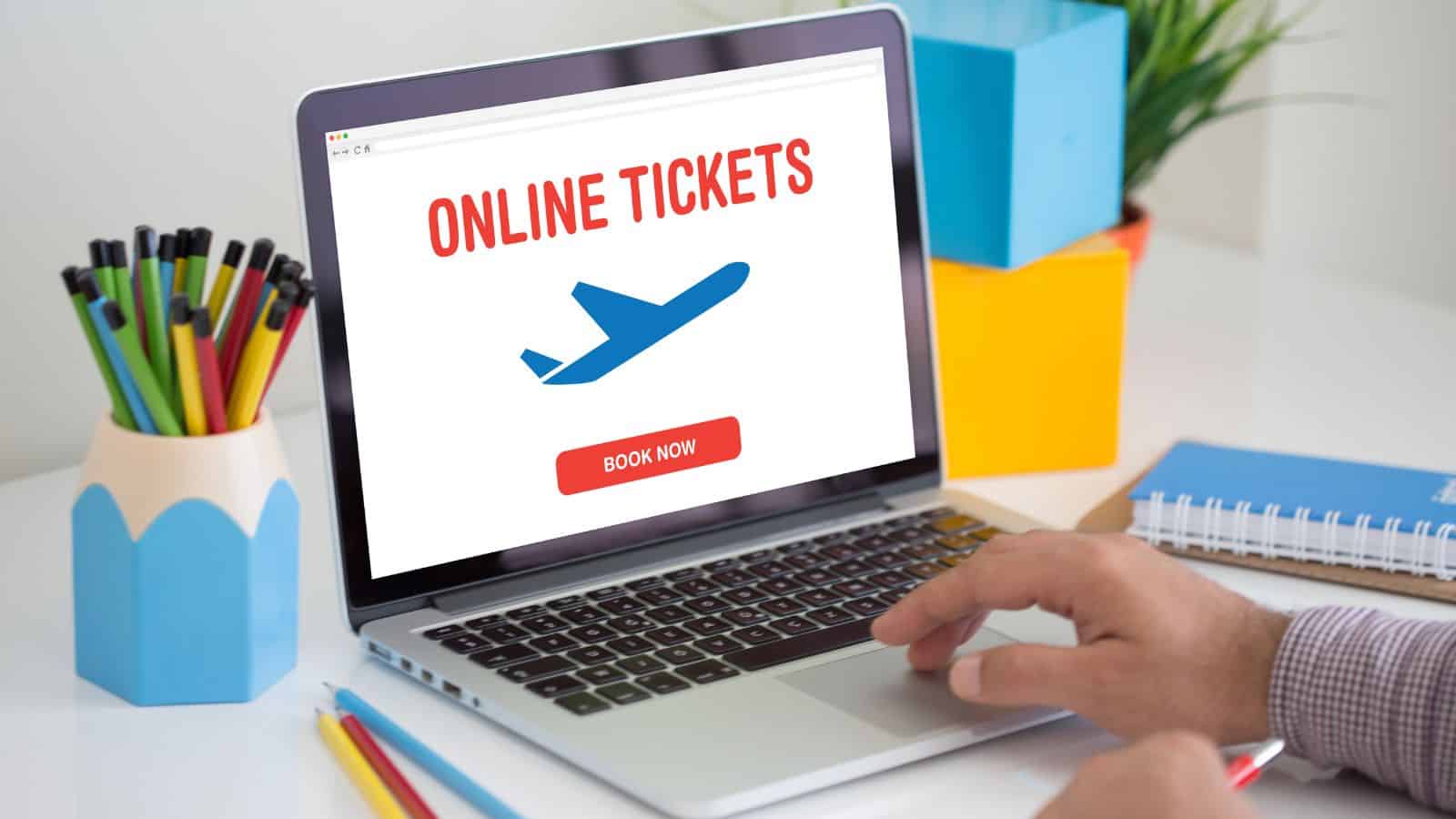
Travelers increasingly book flights and accommodations earlier to secure better prices and availability. With demand changing quickly, waiting too long can limit options or raise costs. Planning ahead has become a regular part of trip preparation rather than something optional.
Takeaway: Early booking helps avoid last-minute price increases and fewer choices.
Building in Extra Buffer Time

Adding extra time between flights, activities, and travel days has become more common. Travelers are more cautious about tight schedules due to delays and unexpected changes. This approach helps reduce pressure and makes the overall experience feel more manageable.
Takeaway: Flexible timing prevents small disruptions from turning into bigger problems.
Relying on Mobile Boarding Passes and Apps

Digital tools have replaced many paper documents, with boarding passes, tickets, and itineraries stored on phones. Airline and travel apps also provide real-time updates, making it easier to adjust plans on the go. This shift has streamlined how travelers manage logistics.
Takeaway: Keeping everything on your phone makes travel smoother and easier to track.
Choosing Accommodations With Flexible Policies

Flexible booking options have become a priority for many travelers. Free cancellation or easy modifications allow for changes without added stress. This approach adds a level of security when plans shift unexpectedly or when schedules are uncertain.
Takeaway: Flexibility in bookings helps protect your plans when changes happen.
Traveling During Shoulder Seasons
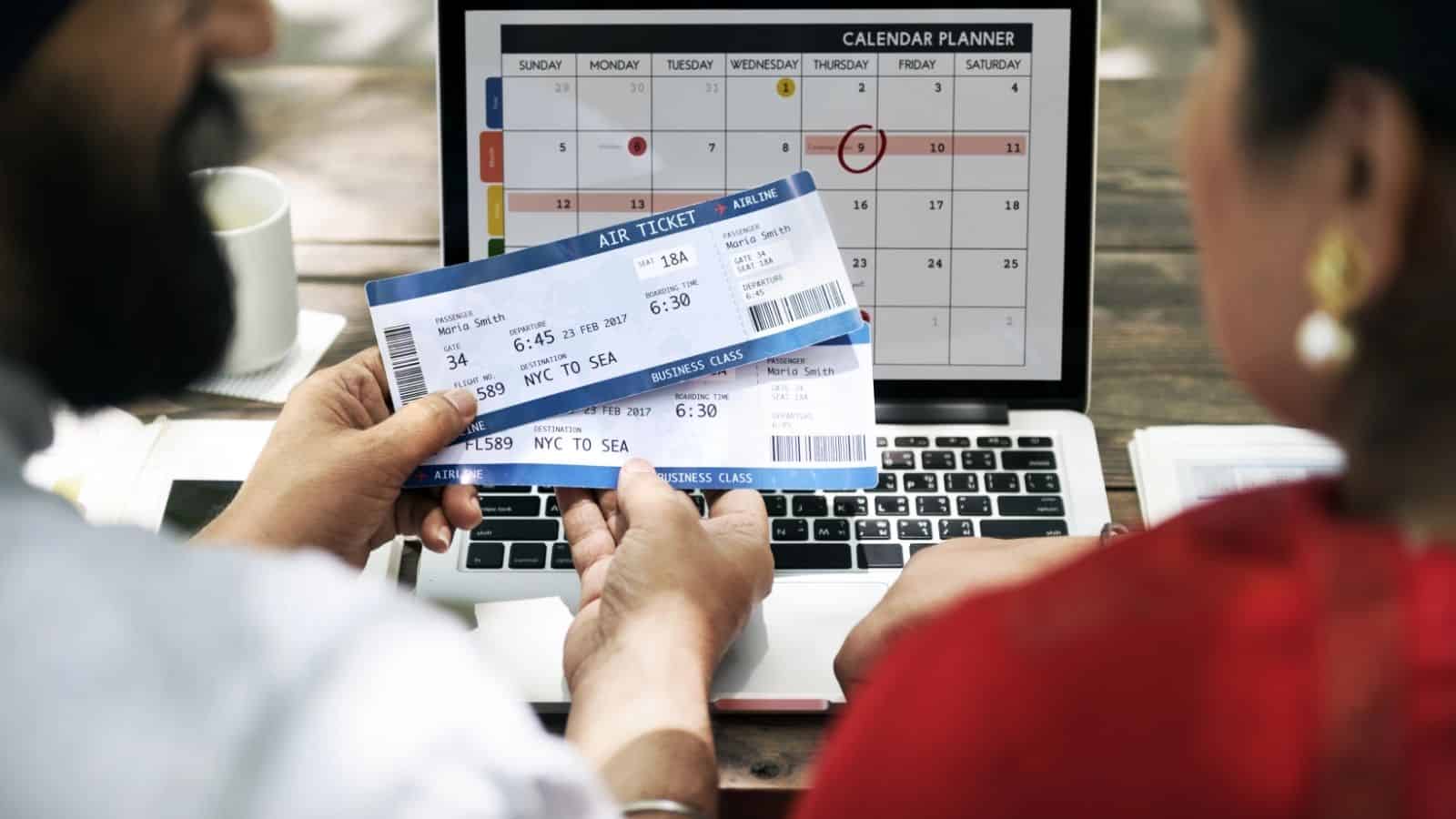
More travelers now choose shoulder seasons instead of peak travel times. This helps avoid large crowds and high prices while still enjoying good weather in many destinations. The overall experience often feels calmer and more manageable.
Takeaway: Traveling slightly off-peak can improve both cost and comfort.
Using Contactless Payments Everywhere Possible
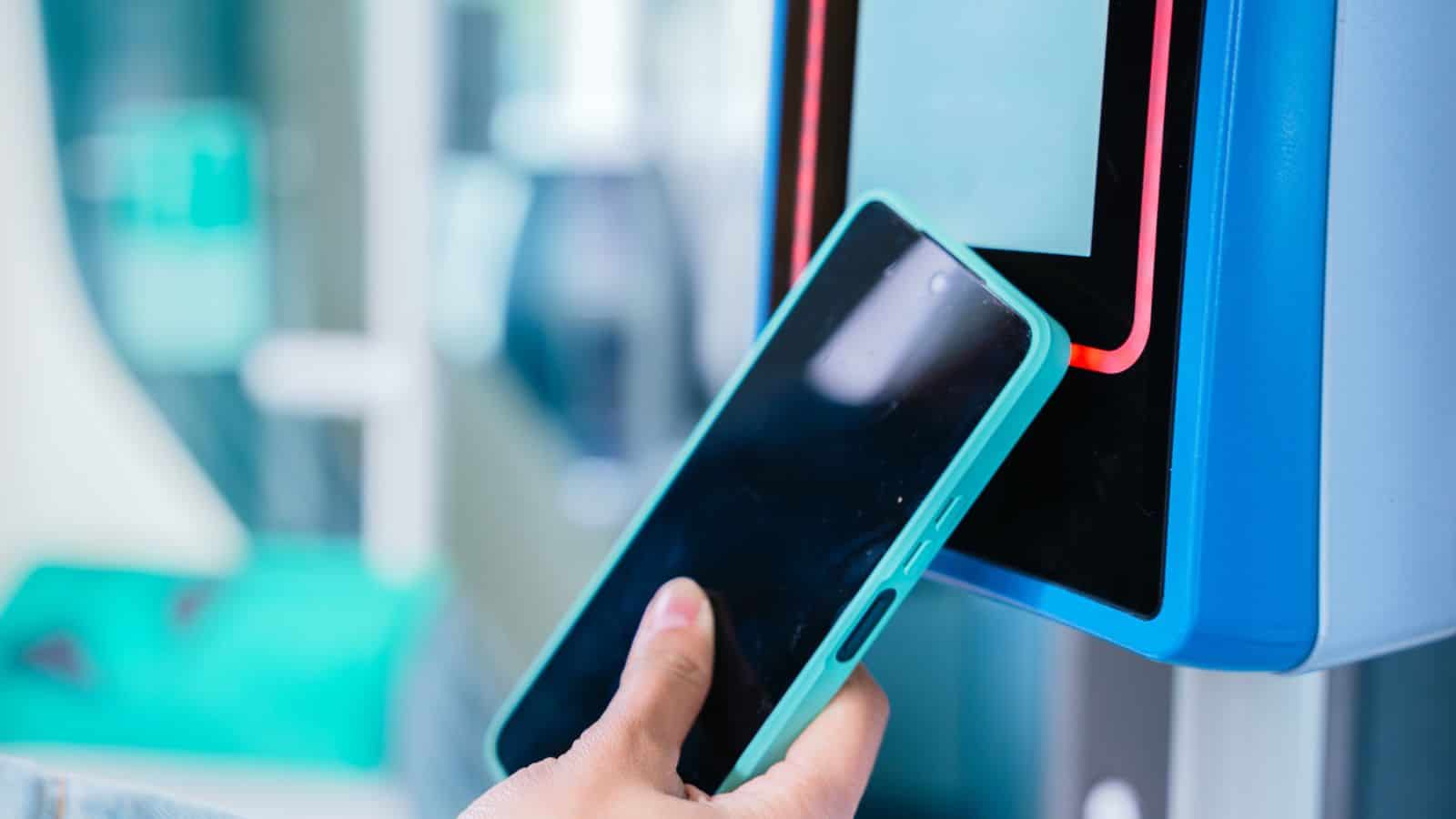
Contactless cards and mobile payments have become widely used for everyday travel spending. They reduce the need to carry cash and make transactions quicker, especially in cities where tap-to-pay is common. This habit adds convenience to daily purchases.
Takeaway: Contactless payments make spending faster and easier to manage.
Researching Neighborhoods Before Booking

Travelers now spend more time choosing where to stay based on neighborhoods rather than just price. Location affects walkability, safety, and access to transportation and food. This extra step helps shape the overall travel experience in a meaningful way.
Takeaway: Picking the right neighborhood can improve your entire trip.
Blending Work and Travel

Remote work has made it easier to combine travel with work responsibilities. Many travelers extend trips or add extra days, creating a more flexible schedule. This approach allows for deeper experiences without fully disconnecting from daily commitments.
Takeaway: Mixing work and travel makes longer, more flexible trips possible.
Checking Entry Requirements More Carefully

Travelers are more aware of entry rules, including visas, documentation, and health requirements. Even as restrictions ease, checking requirements ahead of time has become routine. This reduces the risk of last-minute issues at airports or borders.
Takeaway: Double-checking requirements helps avoid unexpected travel disruptions.
Prioritizing Travel Insurance
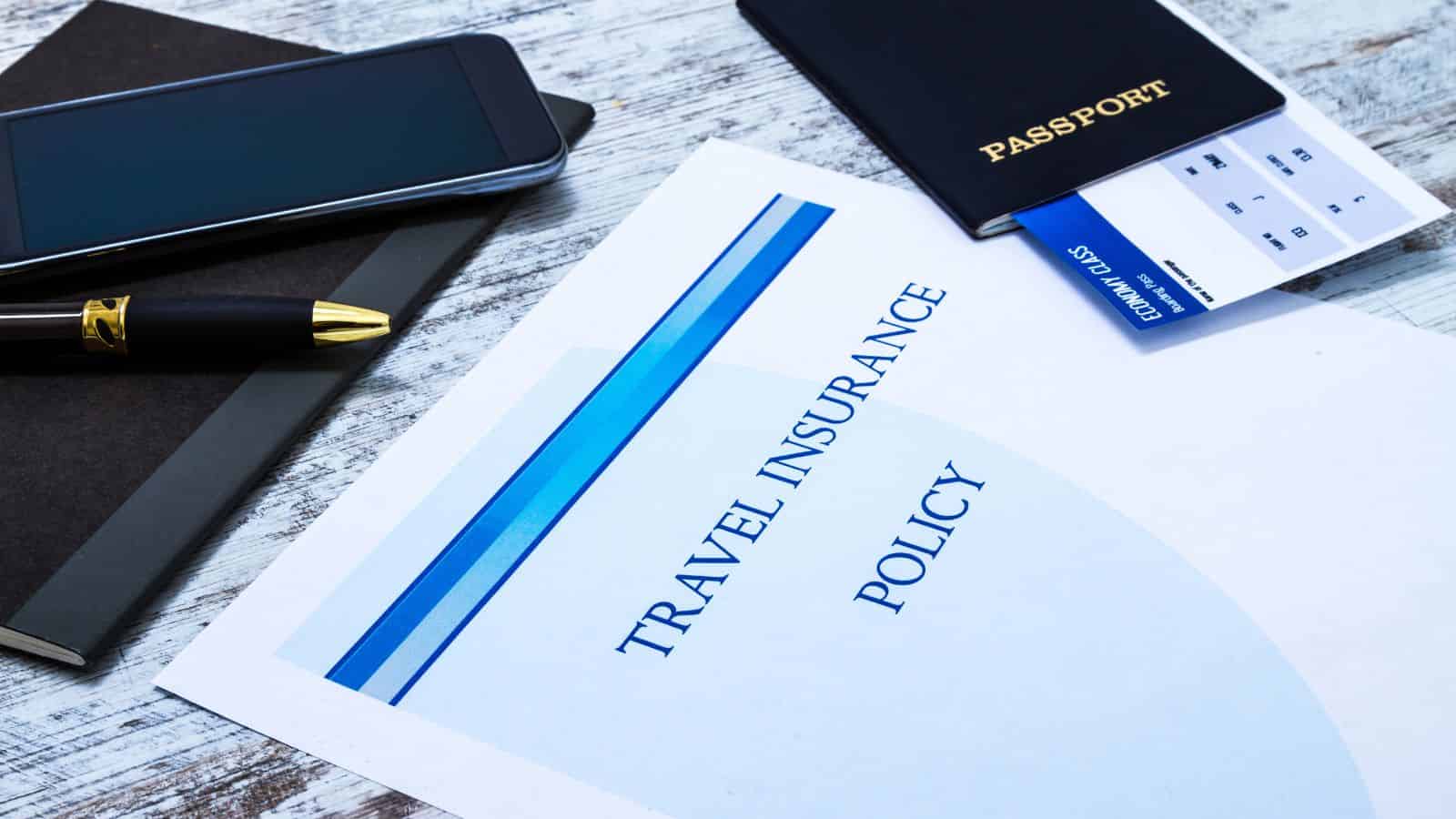
Travel insurance has become a more common part of planning, especially for international trips. Coverage for cancellations, delays, and emergencies adds reassurance. Many travelers now include it as a standard step rather than an optional extra.
Takeaway: Travel insurance offers added protection when plans don’t go as expected.
10 Countries Where Tourists Stay Longer Because It Costs Less

Travel plans often start with a set number of days. In some countries, that timeline quietly stretches once travelers realize how far their budget goes. Lower daily costs make it easier to extend a stay without sacrificing comfort or experiences.
Learn more here: 10 Countries Where Tourists Stay Longer Because It Costs Less
9 Countries Where Food and Transportation Stay Affordable
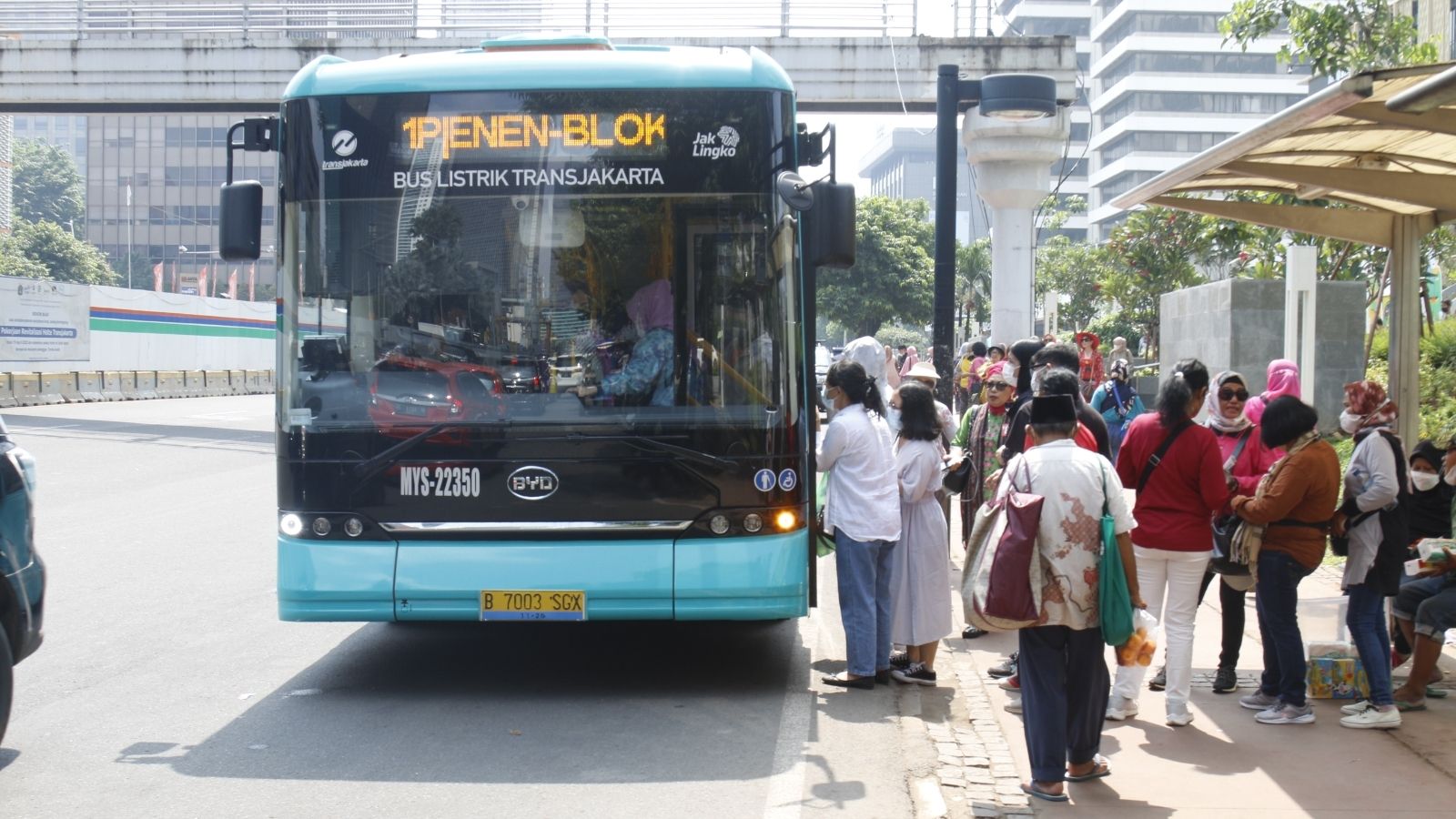
Daily costs can shape a trip more than airfare or accommodations. For many couples, the expenses that add up fastest are meals and getting around. When both are priced reasonably, it becomes much easier to plan a trip that feels comfortable from start to finish.
Learn more here: 9 Countries Where Food and Transportation Stay Affordable
