A Colorful Harbor Town That Tells Canada’s Maritime Story
Along Canada’s Atlantic coast, where fishing boats still bob against wooden docks and salt air carries the scent of the sea, Lunenburg, Nova Scotia, stands out in vivid color. With its bright waterfront buildings and historic harbor, this small town doesn’t just look picturesque, it tells the story of Canada’s maritime roots in a way that feels lived-in rather than staged.
Lunenburg is a UNESCO World Heritage Site, recognized for being one of the best-preserved examples of a planned British colonial settlement in North America. The town’s grid layout, established in 1753, still shapes the streets today. Walking uphill from the harbor, we pass wooden homes painted in bold blues, reds, and yellows colors traditionally used by fishermen who mixed leftover ship paint to brighten their houses.
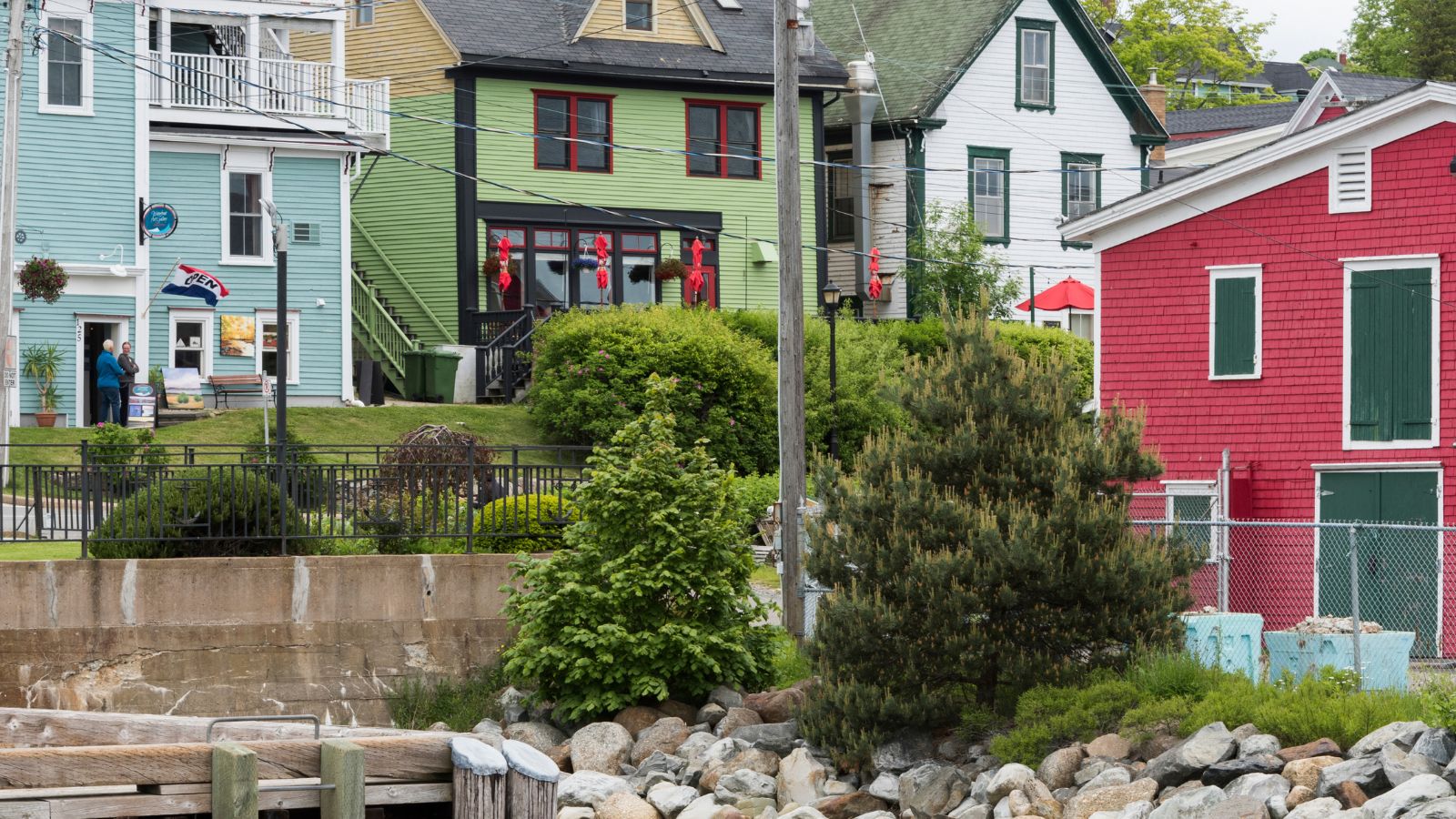
The harbor remains the town’s heartbeat. Fishing and shipbuilding built Lunenburg’s identity, and that legacy continues. The Bluenose II, a replica of Canada’s famed racing schooner and national symbol, often docked here. Seeing its tall masts rise above the waterfront connects past and present in a single glance.
What makes Lunenburg compelling isn’t just preservation, it’s continuity. Lobster traps stack along wharves. Seafood restaurants serve the day’s catch. Small museums and interpretive centers explain the Atlantic cod fishery, privateering, and the risks sailors once faced on unpredictable seas. The stories aren’t abstract; they’re tied directly to the boats and buildings in view.
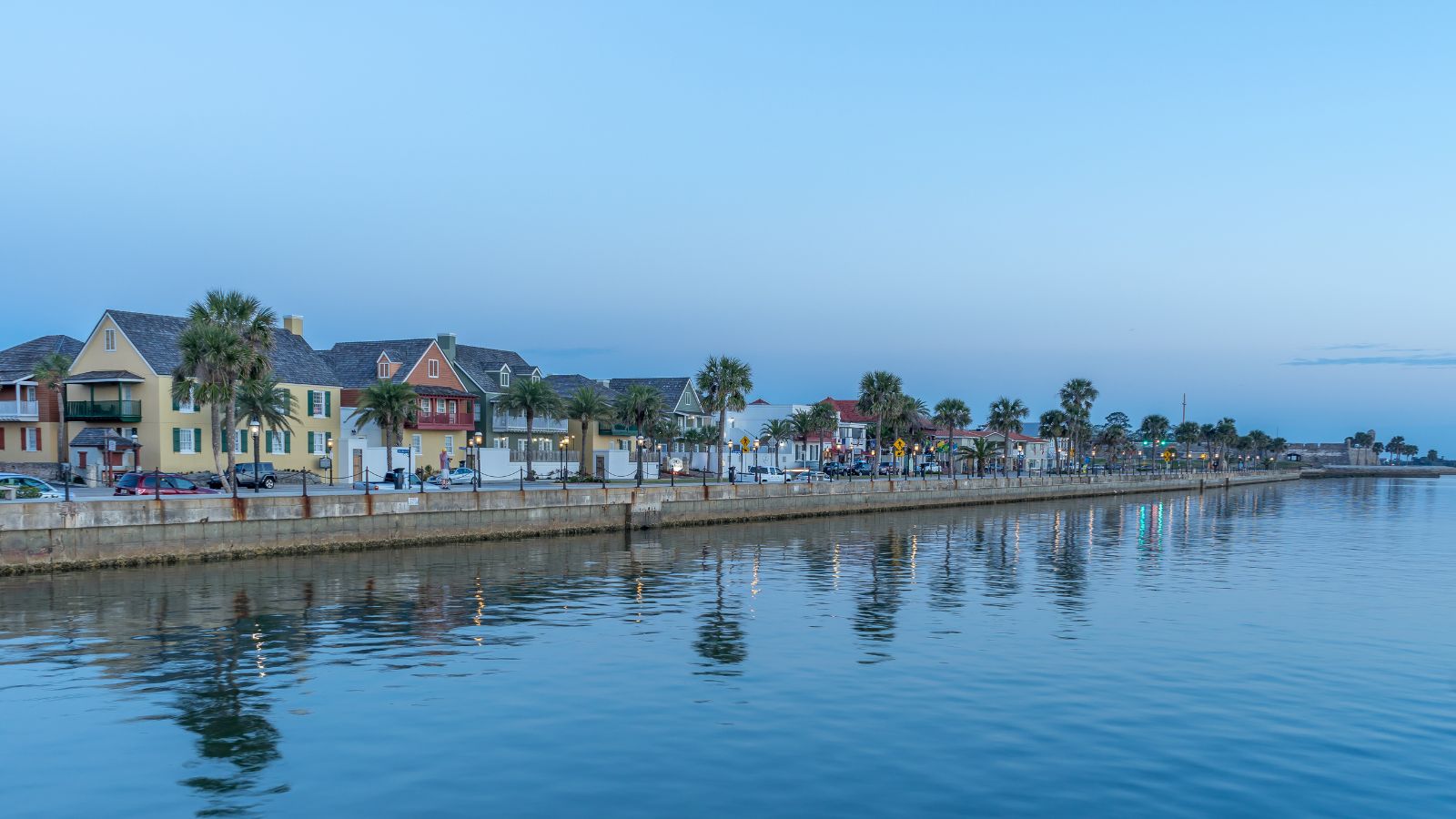
St. John’s Anglican Church, one of the largest wooden churches in North America, anchors the skyline with its distinctive architecture. From higher vantage points, the harbor curves into the Atlantic, reminding us how geography shaped every chapter of the town’s development.
Lunenburg doesn’t overwhelm with size or spectacle. Instead, it invites us to slow down and notice details the creak of dock planks, the weathered shingles, the rhythm of tides. In doing so, it offers something more lasting than a photo opportunity.
This colorful harbor town captures Canada’s maritime story not as a relic of the past, but as an identity still carried by the sea.
