Asheville Has a Way of Surprising First-Time Visitors
Some towns make a good first impression. Asheville often goes further. First-time visitors regularly arrive expecting a pleasant stop and leave surprised by how much the town offers in one compact place. The reaction is not about hype. It is about range.
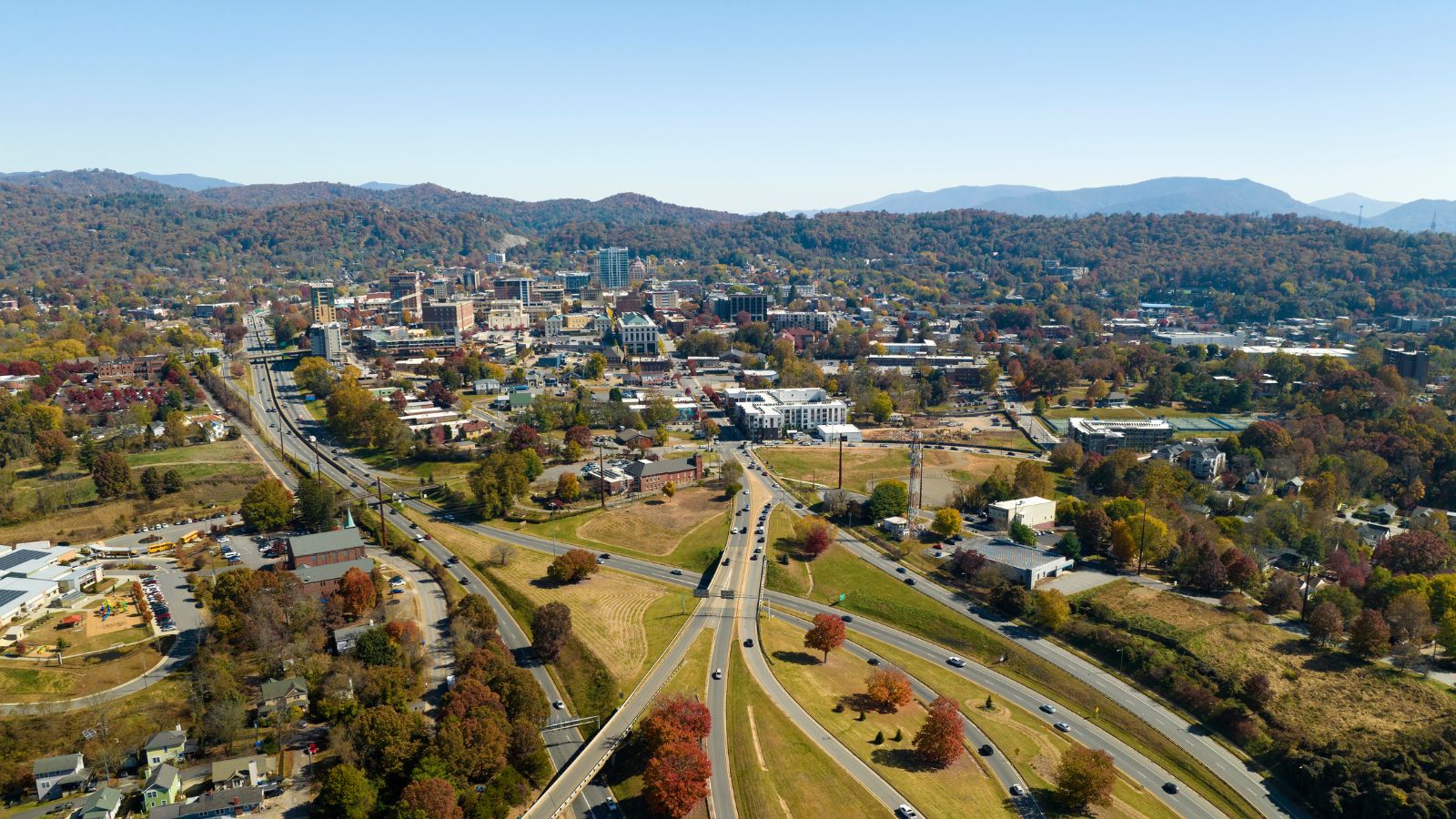
We see this response because Asheville, North Carolina, combines experiences that usually require multiple destinations. Within a short distance, visitors find a walkable downtown, a strong food scene, historic architecture, easy access to nature, and a pace that feels relaxed rather than crowded. For many travelers, especially older ones, that combination is unexpected.
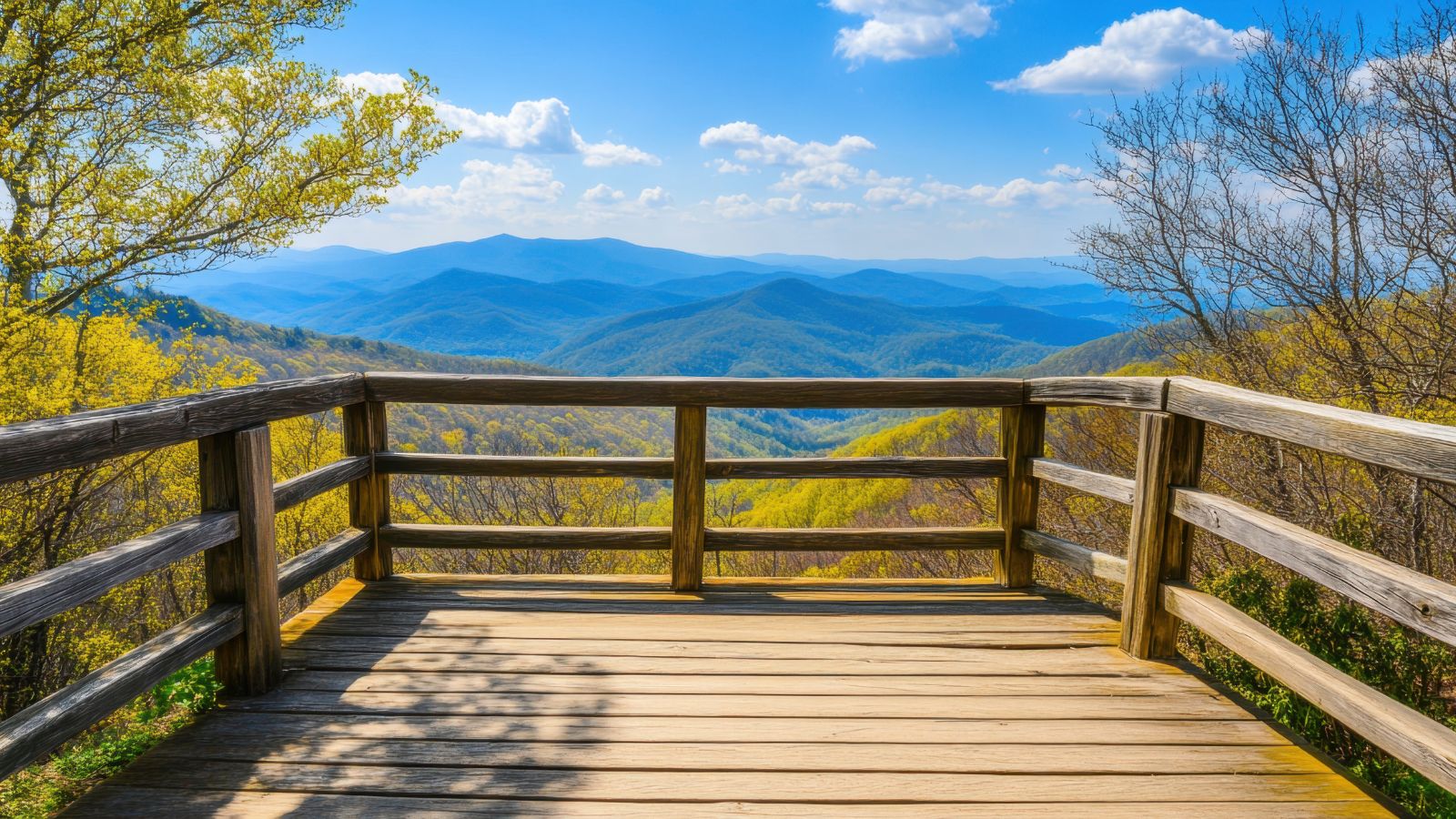
The town’s setting plays a central role. Asheville sits in the Blue Ridge Mountains, giving visitors immediate access to scenic drives, overlooks, and well-maintained trails. The Blue Ridge Parkway begins just minutes from downtown, allowing travelers to experience mountain views without committing to long hikes or demanding excursions. Nature feels present, not remote.
At the same time, Asheville’s downtown stands on its own. Streets are compact and easy to navigate. Independent shops, galleries, and cafés line the core area, making it possible to explore without a car. The city supports walking and lingering, which encourages visitors to slow down and stay longer in each place.
We also notice how food shapes the experience. Asheville has built a reputation for quality dining that goes beyond expectations for a town its size. Local restaurants emphasize regional ingredients and straightforward menus. Meals feel thoughtful without feeling formal, which appeals to travelers who value comfort as much as flavor.
History adds another layer. The presence of landmarks like the Biltmore Estate provides cultural depth, while nearby neighborhoods reflect preserved architecture and long-standing local character. Visitors do not feel like they are choosing between nature and culture. Both are accessible in the same day.
Crowds rarely dominate the experience. Even during busy seasons, Asheville spreads visitors across downtown, nearby towns, and outdoor areas. This balance prevents the sense of congestion that often surprises first-time visitors elsewhere.

We see how expectations shift by the end of the trip. Travelers realize they did not need to choose between activities. They could enjoy scenery, food, history, and rest without constant transitions.
Asheville surprises not because it tries to impress, but because it quietly offers more than expected. For first-time visitors, that depth turns a short visit into a strong reason to return.
