Border Issues Dual Citizens Should Prepare For
Holding two passports can feel like a travel advantage. Dual citizens often assume they’ll enjoy more flexibility at borders, fewer visa hassles, and smoother entry overall. In many cases, that’s true but dual citizenship also comes with specific border rules that can catch travelers off guard if they aren’t prepared.
The most common issue involves which passport to use, and when. Many countries require citizens to enter and exit using that country’s passport. If a traveler holds citizenship in the destination country but arrives using a foreign passport, border officials may question why the local passport wasn’t used. This can lead to delays, additional screening, or instructions to correct the issue before future travel.
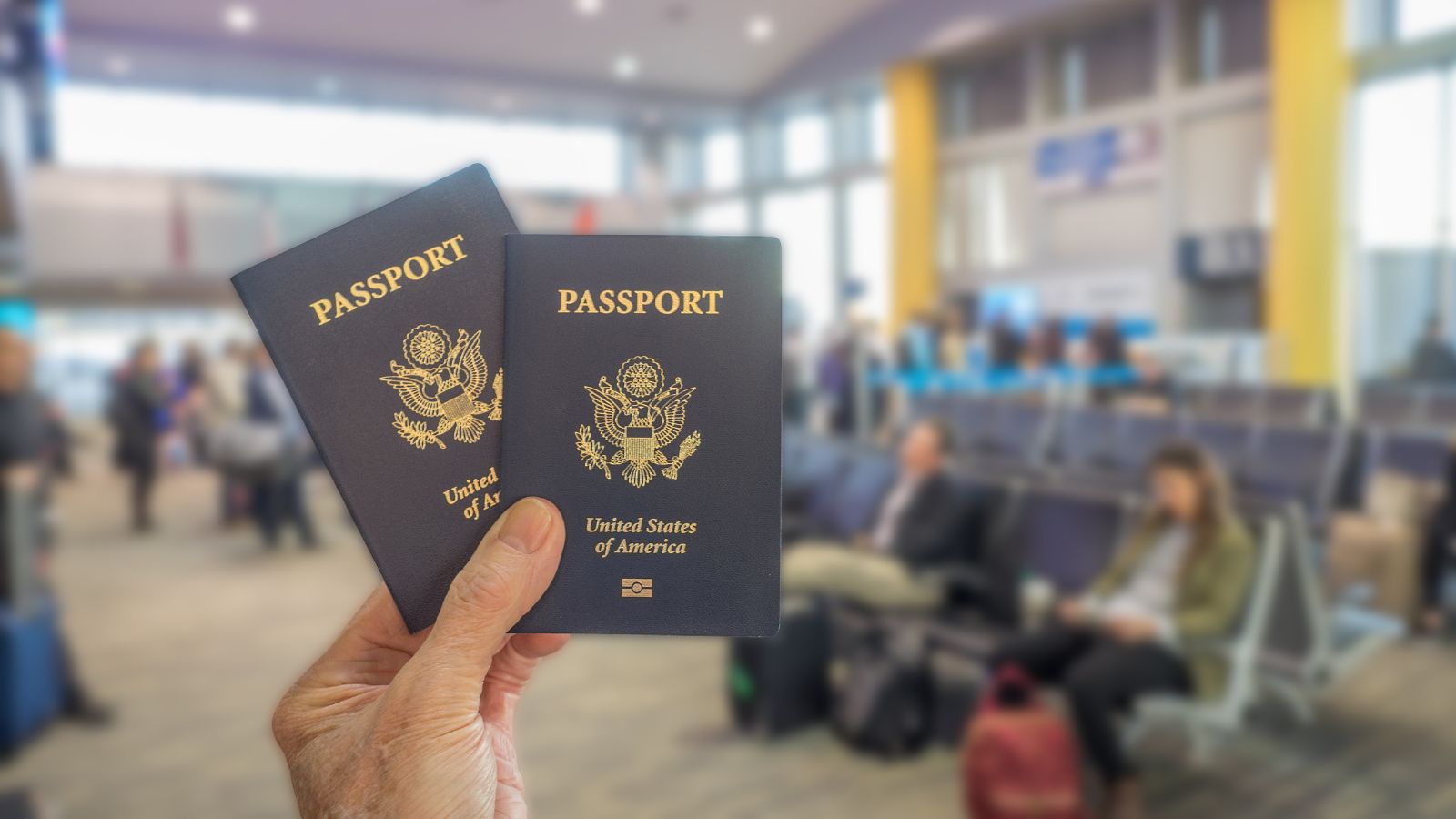
Airlines can complicate this further. At check-in, airlines verify documents based on destination entry rules. If the wrong passport is presented, travelers may be flagged for missing visas even if another passport in their possession would have avoided the requirement. This is why dual citizens sometimes face confusion before they even reach immigration.
Another challenge involves inconsistent records. Border systems track entries and exits by passport number. Switching passports mid-trip without understanding the implications can create gaps in travel history. In some cases, a traveler may appear to have overstayed or entered without properly exiting, simply because different passports were used at different points.

Military service, tax obligations, or residency requirements can also surface unexpectedly. Some countries enforce citizen-specific rules that don’t apply to foreign visitors. A traveler entering as a citizen may be subject to obligations they weren’t anticipating, even if they normally live abroad. Entering on the wrong passport can change how a traveler is classified at the border.
Name differences between passports can add another layer of complexity. Variations in surnames, middle names, or spelling may seem minor but can trigger questions during immigration checks. Border officers look for consistency, and discrepancies often require explanation.
What surprises many travelers is that dual citizenship doesn’t mean border rules disappear, it means they multiply. Each passport comes with its own rights and responsibilities, and border officials expect travelers to understand which applies in each situation.
We think dual citizens benefit most from planning document use before booking flights. Knowing which passport to present at check-in, departure, and arrival helps prevent confusion and delays. Dual citizenship is a powerful travel asset, but only when travelers understand how borders expect them to use it.
