Cabin Crew Wish More Passengers Understood This
Smooth flights rarely happen by accident. They happen when we understand how the cabin actually works. Aircraft doors close on a strict timeline. Once closed, every minute in the air is scheduled. When we board, prepare, and sit on time, we protect that schedule. When we linger in the aisle or rearrange bags overhead, we delay dozens of people behind us.
Space is limited. Overhead bins fill quickly. We place smaller items under the seat in front of us when possible. We keep essentials within reach before we sit down. This prevents standing up repeatedly once boarding is complete.
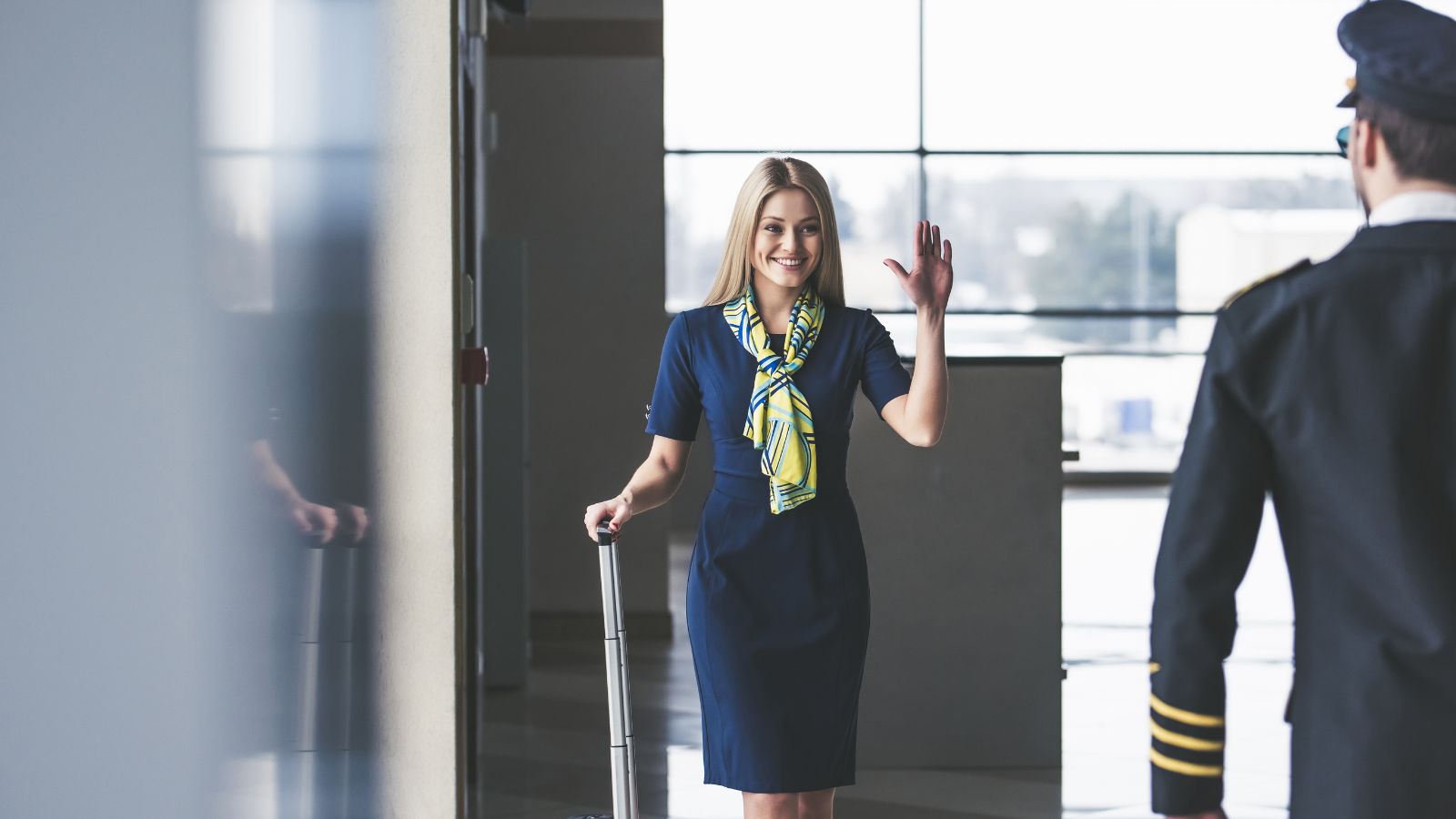
Cabin crew is responsible for safety first. Service comes second. When instructions are given, they are not suggestions. They are requirements tied to federal regulations and emergency procedures. Listening the first time speeds everything up.
Call buttons matter. We use them when we truly need assistance, not as a convenience shortcut. During turbulence or final approach, the crew must remain seated. Patience during these moments keeps everyone safer.
Volume carries in a confined cabin. Conversations, phone speakers, and video audio affect more than our row. We use headphones. We lower our voices. Courtesy improves the shared environment instantly.
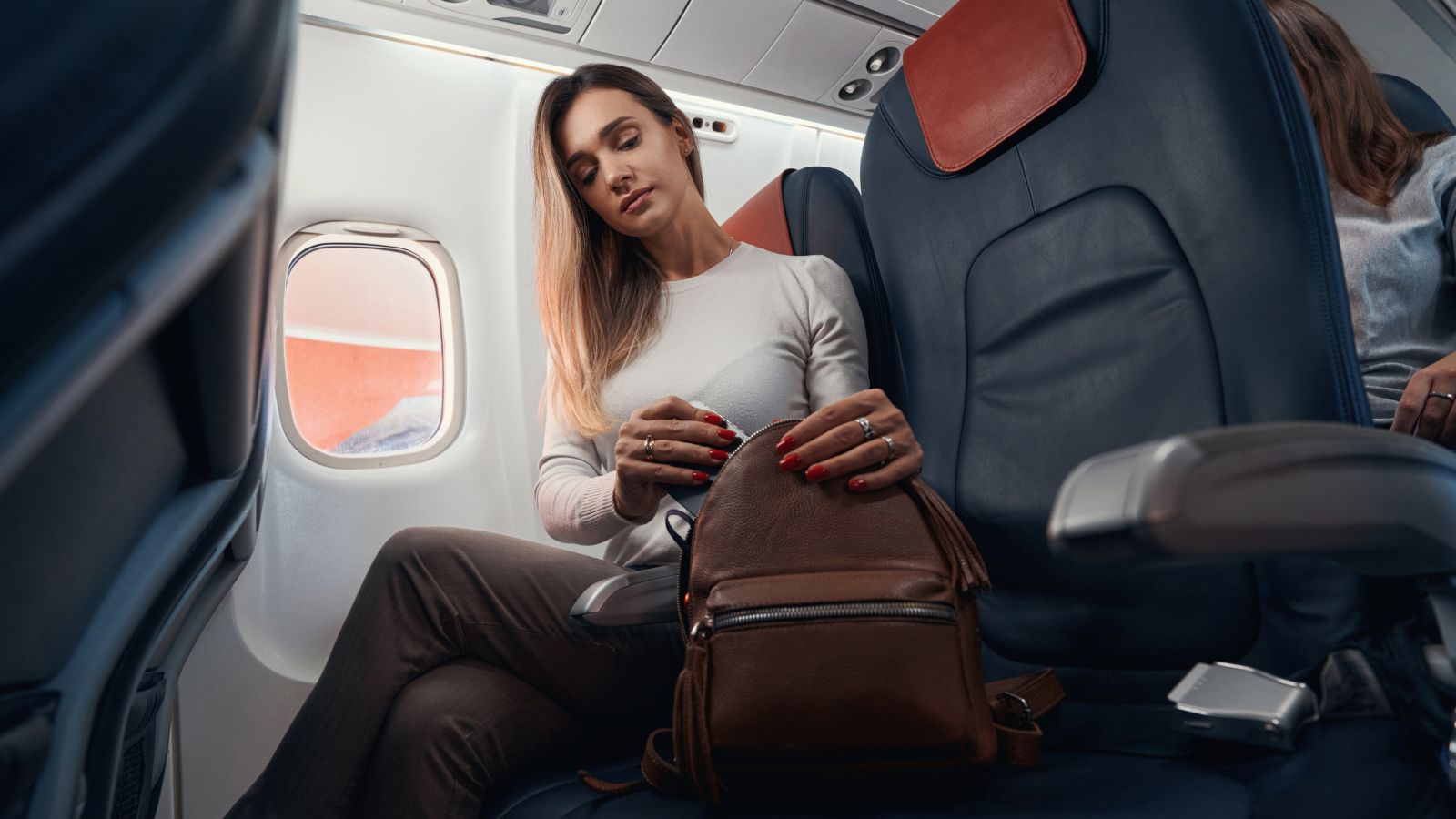
Body language also communicates. Moving calmly. Following directions without debate. Making eye contact when spoken to. These signals tell the crew we are cooperative. Cooperative cabins feel smoother for everyone. Hydration and mobility matter more after 50. We drink water regularly. We stretch gently when the seatbelt sign is off. We take short walks on longer flights. These habits reduce stiffness and fatigue upon arrival.
We also plan connections realistically. Tight connections create unnecessary stress. When we allow reasonable transfer time, we reduce pressure on ourselves and the crew.
Most importantly, we remember this is a shared space. Hundreds of strangers are traveling together in close quarters. Small gestures make a difference. Letting someone into the aisle. Offering a simple thank you.
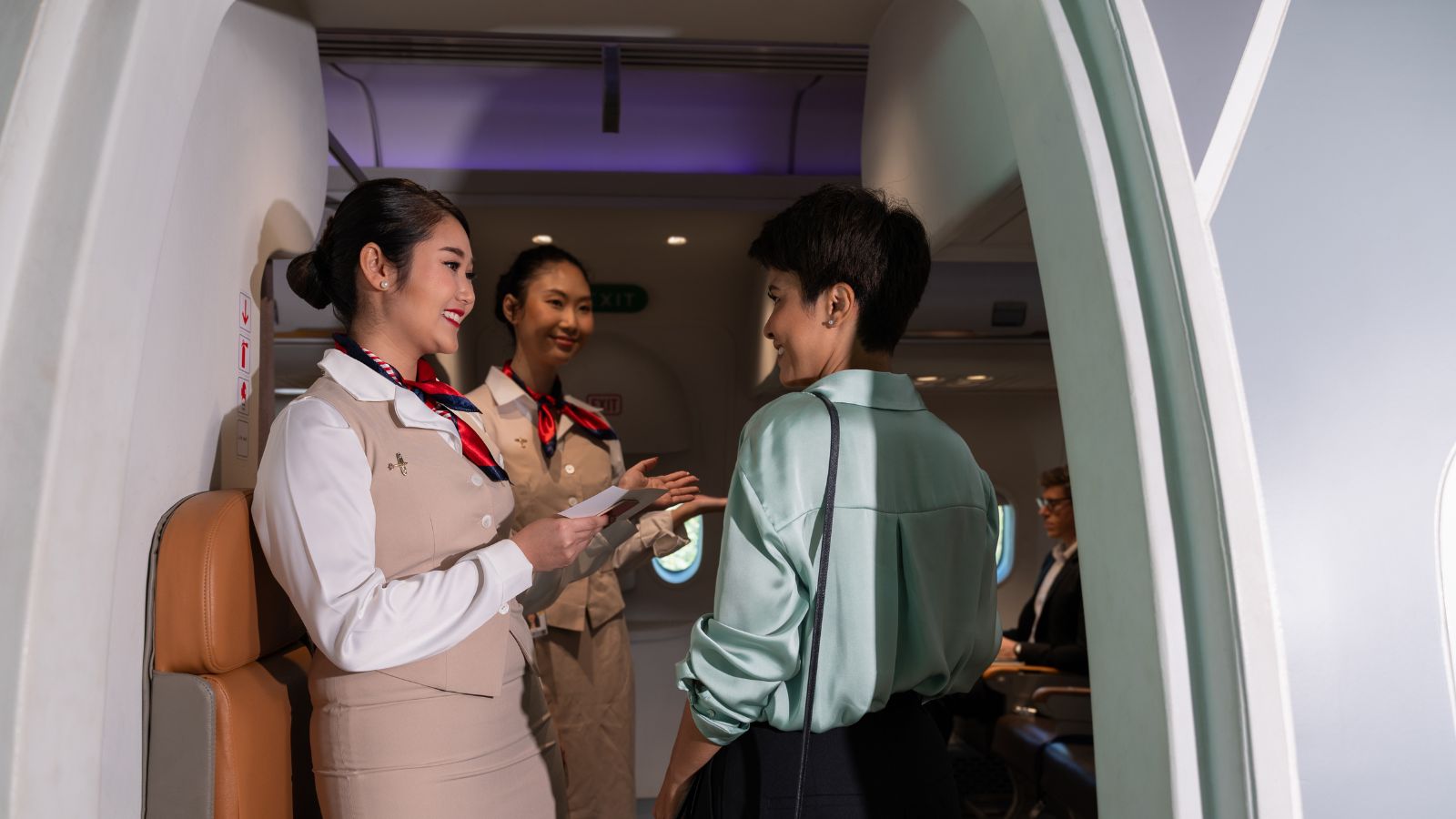
Being ready when our row is called. Cabin crew notice these habits. They notice preparation. They notice patience. They notice respect. Flights feel shorter when cooperation is high. They feel longer when tension rises.
Understanding how the system works benefits us most of all. We arrive calmer. We conserve energy. We protect the tone of the entire trip. Travel after 50 should feel steady and intentional. When we support the cabin’s flow, the journey becomes part of the pleasure, not an obstacle.
