Charleston’s Historic Heart Can Turn a Simple Walk Into a History Lesson
In some cities, history is something we schedule time to see. In Charleston, South Carolina, it’s something we quite literally walk through. What begins as a casual stroll through the Historic District quickly becomes an open-air lesson in architecture, culture, and layered American history without ever stepping inside a museum.
The city’s historic heart is compact and remarkably preserved, which means we don’t have to look far to see centuries unfolding side by side. Cobblestone streets, pastel antebellum homes, wrought-iron gates, and church steeples rising above palm trees create a streetscape that feels cinematic. But these details aren’t staged, they’re lived-in pieces of a city that dates back to 1670.
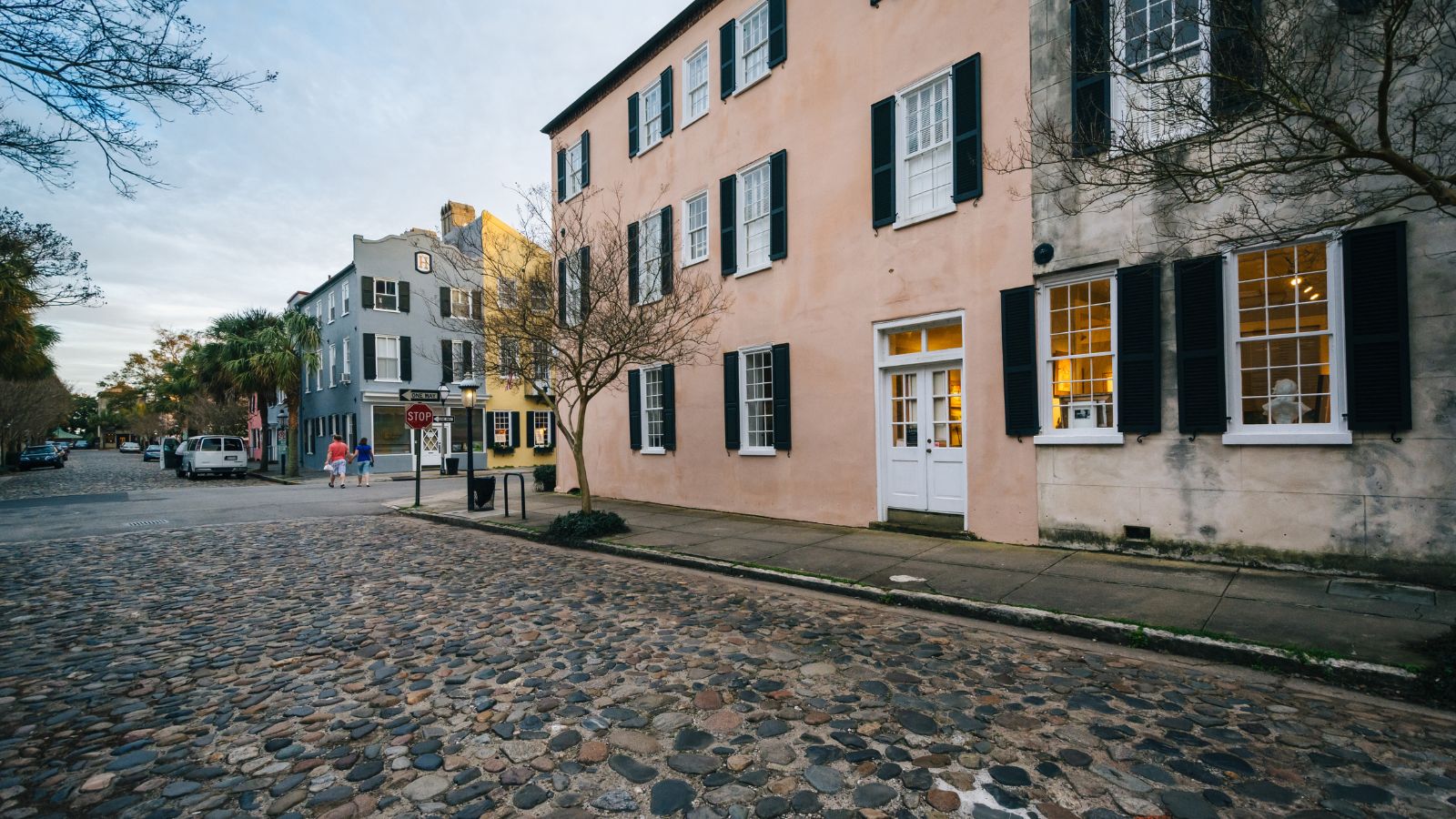
Walking along Rainbow Row, for example, isn’t just about admiring colorful Georgian facades. These homes survived earthquakes, wars, and economic shifts before being restored in the 20th century. The Battery and White Point Garden offer sweeping harbor views, but they also stand near grand mansions built from wealth tied to Charleston’s complicated colonial past. Every block carries context.
Church spires punctuate the skyline, which is why Charleston is often called the Holy City. St. Michael’s Church, dating to the 1750s, has witnessed Revolutionary War cannon fire and Civil War turmoil. Even the narrow side streets like the famously tight Philadelphia Alley hold stories of duels, merchants, and everyday colonial life.
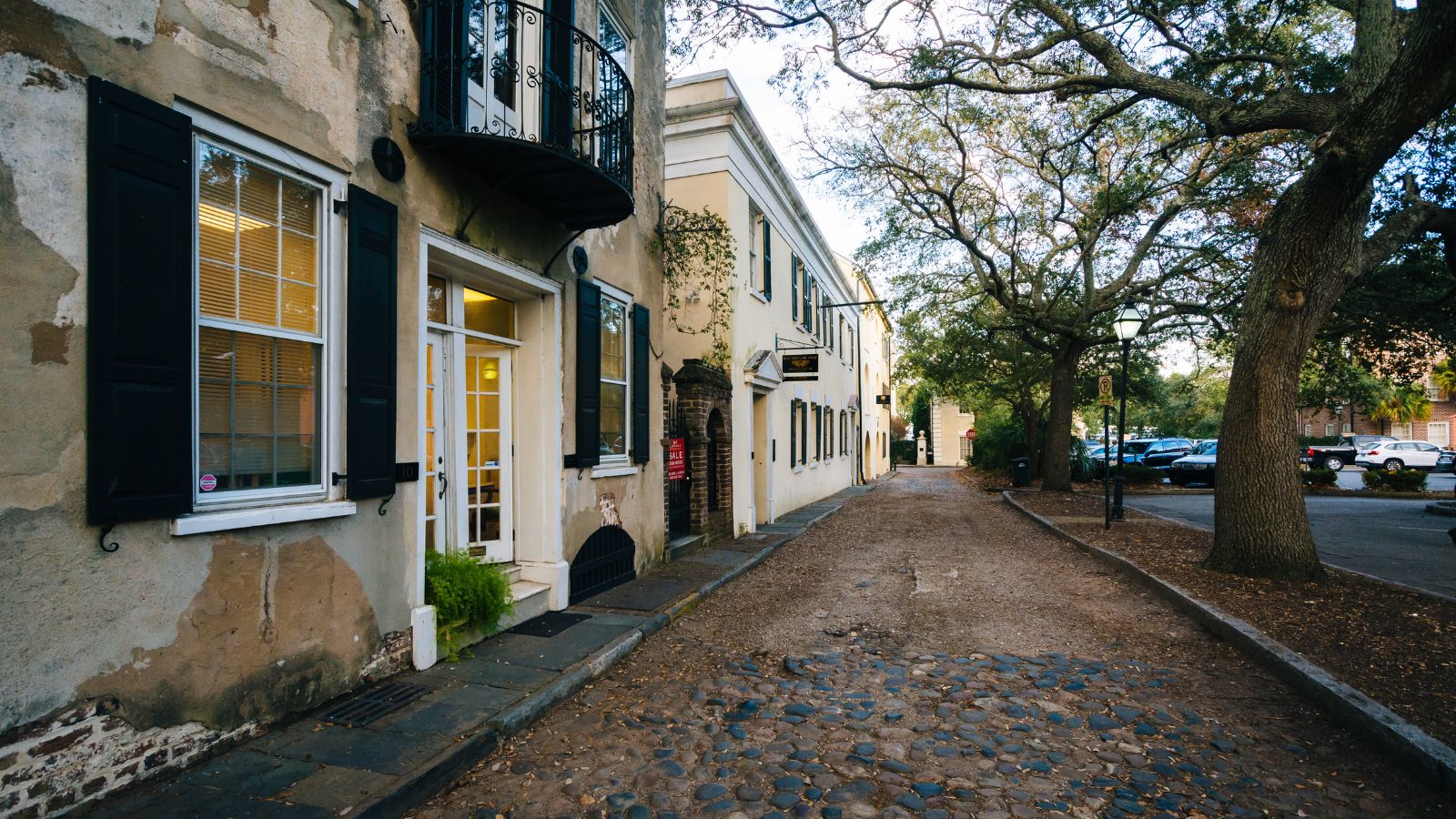
What makes Charleston different is how accessible the history feels. We don’t need a formal tour to absorb it, though guided walks certainly deepen the experience. Plaques, preserved facades, and the simple act of moving slowly through the district allow us to connect the dots naturally. The scale encourages exploration on foot, and that pace mirrors the way stories unfold.
At the same time, Charleston doesn’t shy away from harder history. Sites connected to the transatlantic slave trade and Gullah Geechee culture remind us that the city’s beauty exists alongside a complex and painful past. That duality adds depth to what might otherwise feel like a picturesque backdrop.
In Charleston’s historic heart, even an unplanned afternoon walk can become an education. The streets don’t just lead somewhere, but they quietly teach us where we’ve been.
