Choosing Restaurants Abroad Without Falling Into Tourist Traps
Eating out is one of the simplest ways to experience a new place but it’s also where many travelers feel most disappointed. Tourist-heavy areas are filled with restaurants that look inviting yet deliver forgettable food at inflated prices. Learning how to choose where to eat abroad can make the difference between a meal that feels meaningful and one that feels like a missed opportunity.
Tourist traps often share a few signs. Menus translated into many languages, photos of every dish, and staff calling out to passersby are common clues. These restaurants rely on volume rather than repeat local customers. That doesn’t automatically mean the food will be bad, but it often means the experience is designed for convenience, not quality.
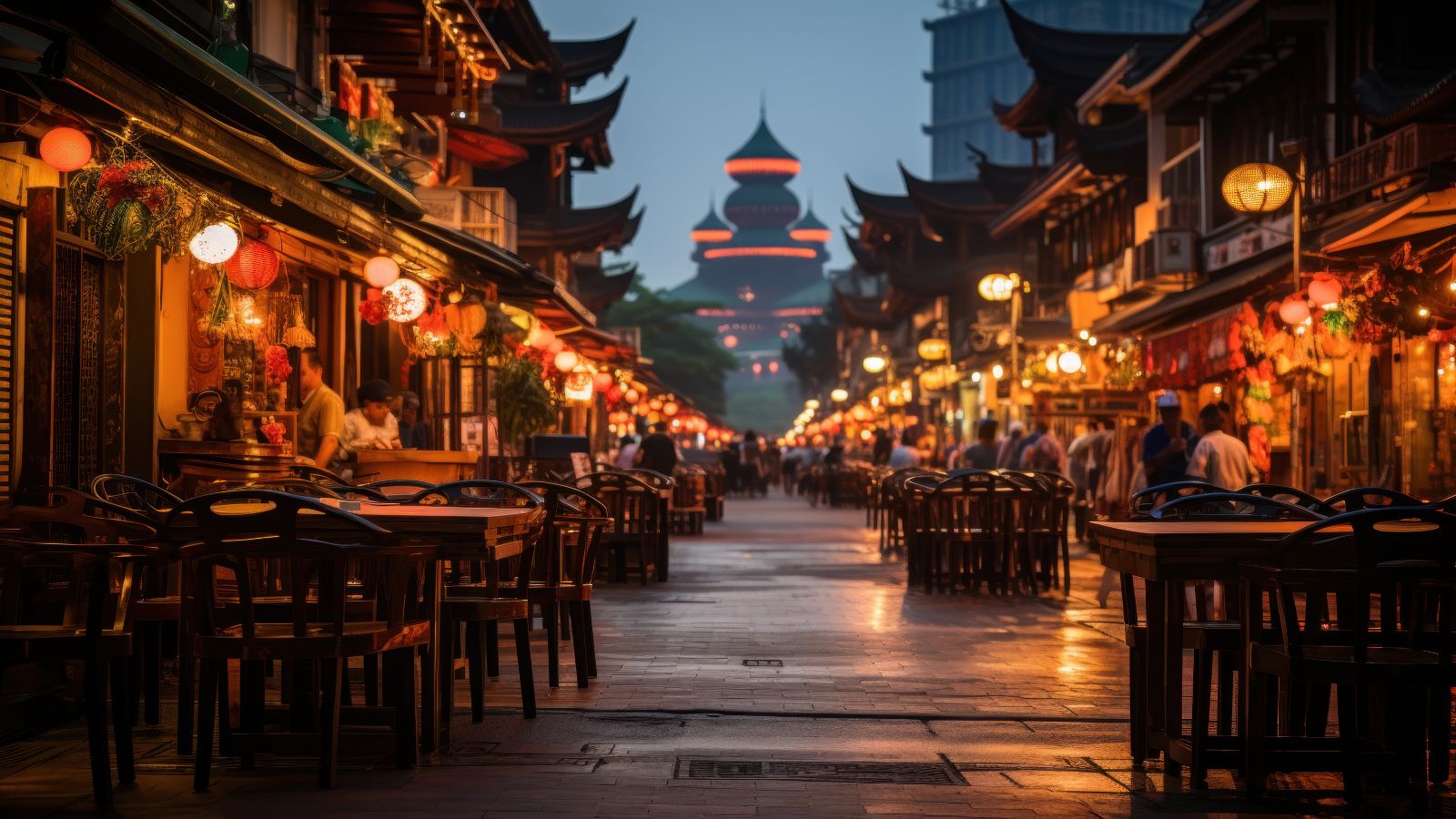
Location plays a major role. Restaurants clustered directly next to famous landmarks tend to cater to short-term visitors. Walking just a few blocks away can lead to places that locals actually frequent. These spots may look quieter or less polished, but they often reflect everyday eating habits rather than tourist expectations.
Timing can be just as revealing. Dining at local meal times increases the chances of finding restaurants serving their regular menus instead of all-day tourist fare. A room filled with local voices is usually a good sign. It suggests the restaurant depends on nearby residents, not just foot traffic.
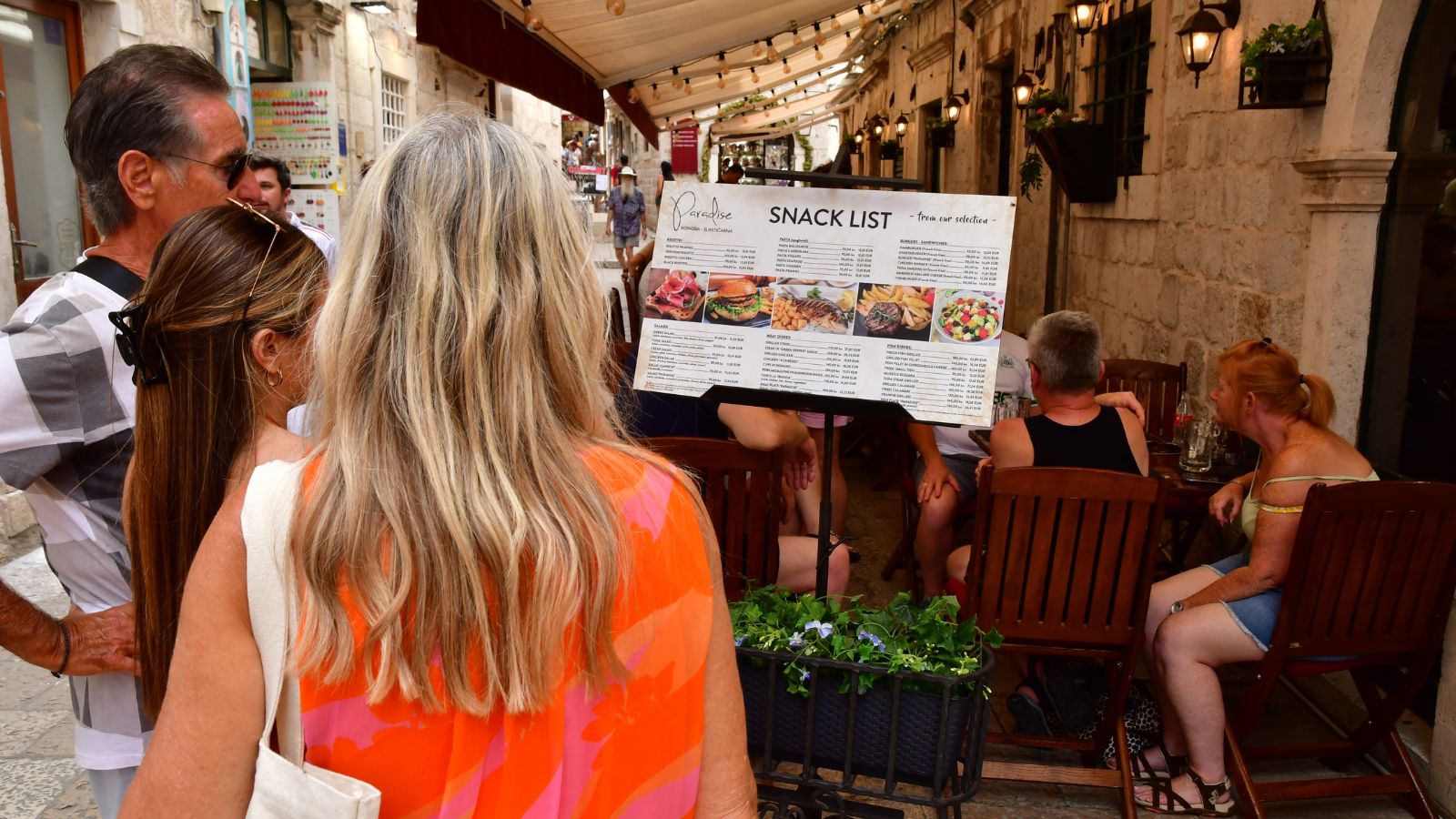
Another helpful habit is paying attention to how menus are written. Shorter menus often indicate a focus on a few well-made dishes. Long menus covering many cuisines can be a red flag, especially in smaller kitchens. Specializing usually means the kitchen knows what it’s doing.
What travelers sometimes forget is that avoiding tourist traps doesn’t require chasing perfection. It’s about alignment, choosing places that match how people in that city actually eat. A simple, crowded café can be more rewarding than a beautifully marketed restaurant aimed at visitors.

We think the best dining experiences abroad come from curiosity rather than urgency. Taking a little time to observe surroundings, step away from main attractions, and follow local rhythms often leads to meals that feel more connected to the place. Food doesn’t need to be famous to be memorable, it just needs to belong.
