Couples Often Book Romantic Dinners at This Time and Servers Say It’s a Mistake
Many couples plan romantic dinners with the best intentions, believing that a popular dining hour will create the perfect atmosphere. Yet servers consistently point out that one specific time choice often works against romance instead of enhancing it. The issue is not the restaurant, the menu, or even the company, it is booking during the peak dinner rush.
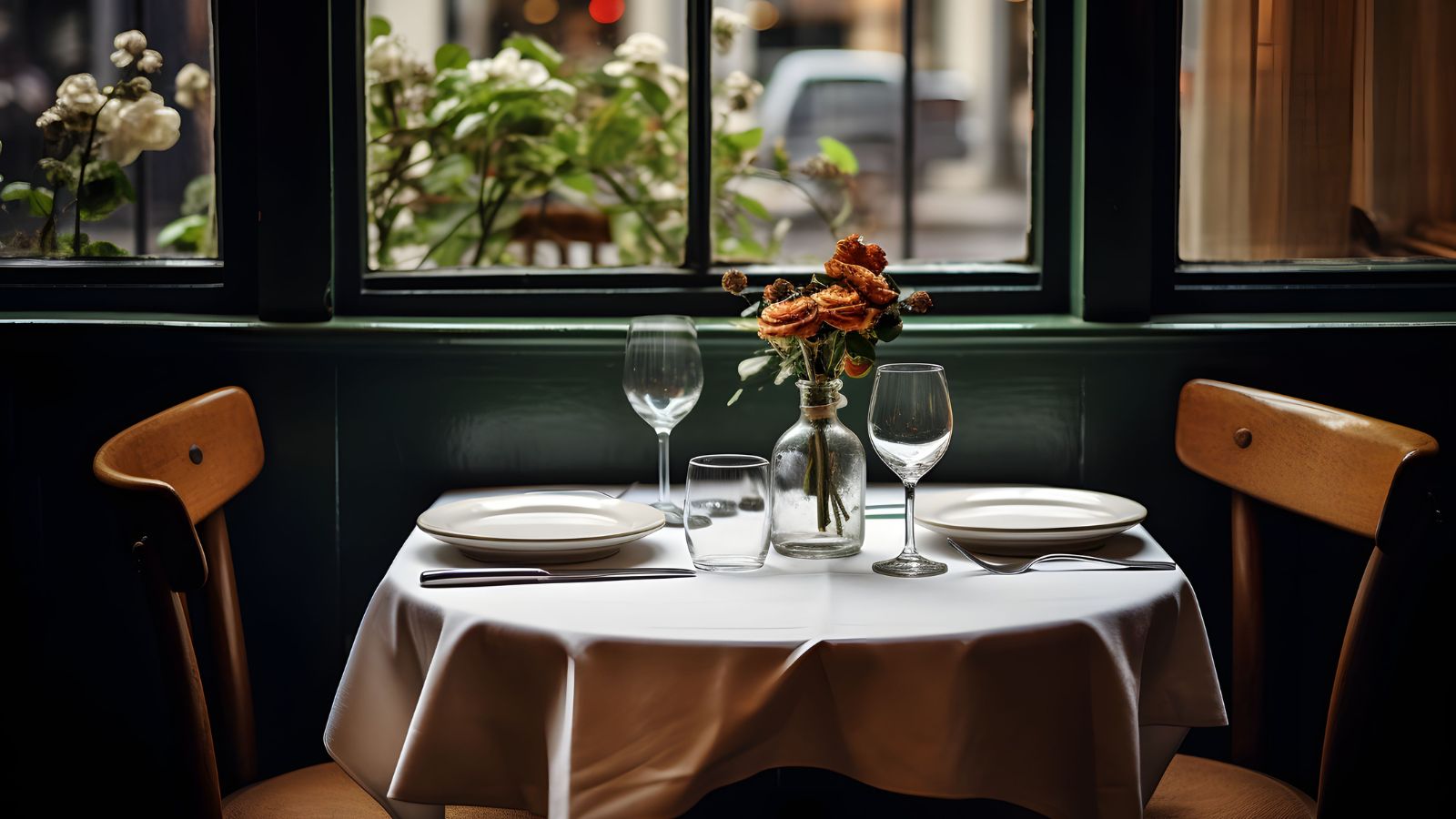
In busy dining cities the most commonly chosen romantic reservation time is between 7:00 and 8:00 p.m. On paper, this sounds ideal. In reality, it is when restaurants are at their loudest, fastest, and most crowded. Servers are juggling full sections, kitchens are pushing out high volumes of orders, and the overall energy is focused on efficiency rather than intimacy.
We feel the effects almost immediately. Tables are packed closely together. Conversations blend into background noise. Servers move quickly, checking in less often and with less time to linger. Even excellent service can feel rushed simply because demand is at its highest. For couples hoping to relax, connect, and enjoy unhurried moments, the environment works against them.
This timing also affects the pacing of the meal. During peak hours, courses arrive quickly to keep tables turning. There is little space between appetizers and entrées, and dessert may feel like an afterthought. Romance thrives on pausing time to talk, laugh, and settle into the moment. When a dinner moves too fast, it can feel transactional rather than special.
The kitchen experience matters as well. At peak times, chefs are focused on consistency and speed. Dishes are prepared well, but there is less flexibility for customization or special requests. That candlelit request by the window or a slower coursed-out meal is harder to accommodate when every table is full.
What servers often suggest instead is simple, shift the timing. Early reservations around 5:30 or 6:00 p.m., or later seatings after 8:30, offer a noticeably different experience. Dining rooms are calmer. Staff have more time to engage. Meals unfold at a more natural pace. In romantic destinations, these quieter hours often coincide with softer lighting and a more relaxed mood.
The mistake is not choosing a nice restaurant. It is choosing the busiest moment and expecting intimacy to survive it. Romance depends as much on atmosphere and timing as it does on food.
When we plan romantic dinners, thinking beyond convention makes a difference. By avoiding peak hours, we give the evening room to breathe and that space is often what turns a meal into a memory.
