Dining Etiquette Rules Travelers Often Learn the Hard Way
Food is often where travelers feel most relaxed and that’s exactly why dining etiquette mistakes happen so easily abroad. What feels polite or normal at home can carry a very different meaning elsewhere. Many travelers only realize this after an awkward moment at the table, when a small habit suddenly feels out of place.
One of the most common surprises is how hands, utensils, and posture are used. In some cultures, eating with hands is expected for certain dishes, while in others it’s considered improper. The opposite can also be true: reaching for cutlery when hands are customary can mark someone as unfamiliar with local norms. Even where utensils are used, which hand holds what and when can matter more than travelers expect.
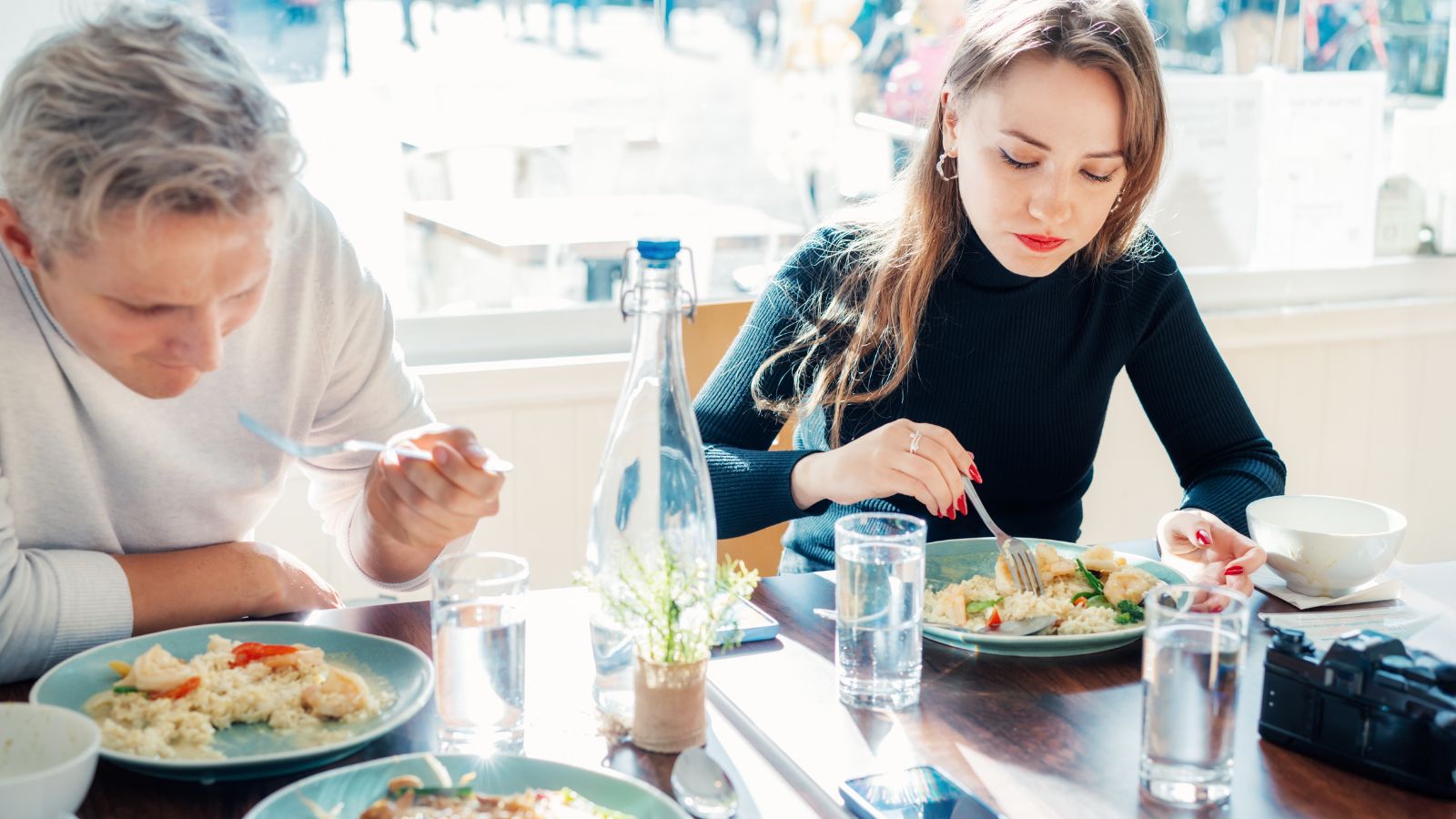
Noise at the table is another area of confusion. Slurping noodles, for example, is polite and even complimentary in some countries, signaling enjoyment. In others, it’s seen as rude. The same goes for finishing everything on the plate versus leaving a small amount behind. These signals can communicate appreciation or discomfort depending on where you are.
Timing also plays a role in etiquette. Starting to eat before others are served, asking for the check too quickly, or lingering too long after a meal can send unintended messages. In some cultures, meals are meant to be unhurried social events. In others, efficiency is valued. Travelers who don’t recognize this rhythm may feel rushed or worry they’re overstaying their welcome.
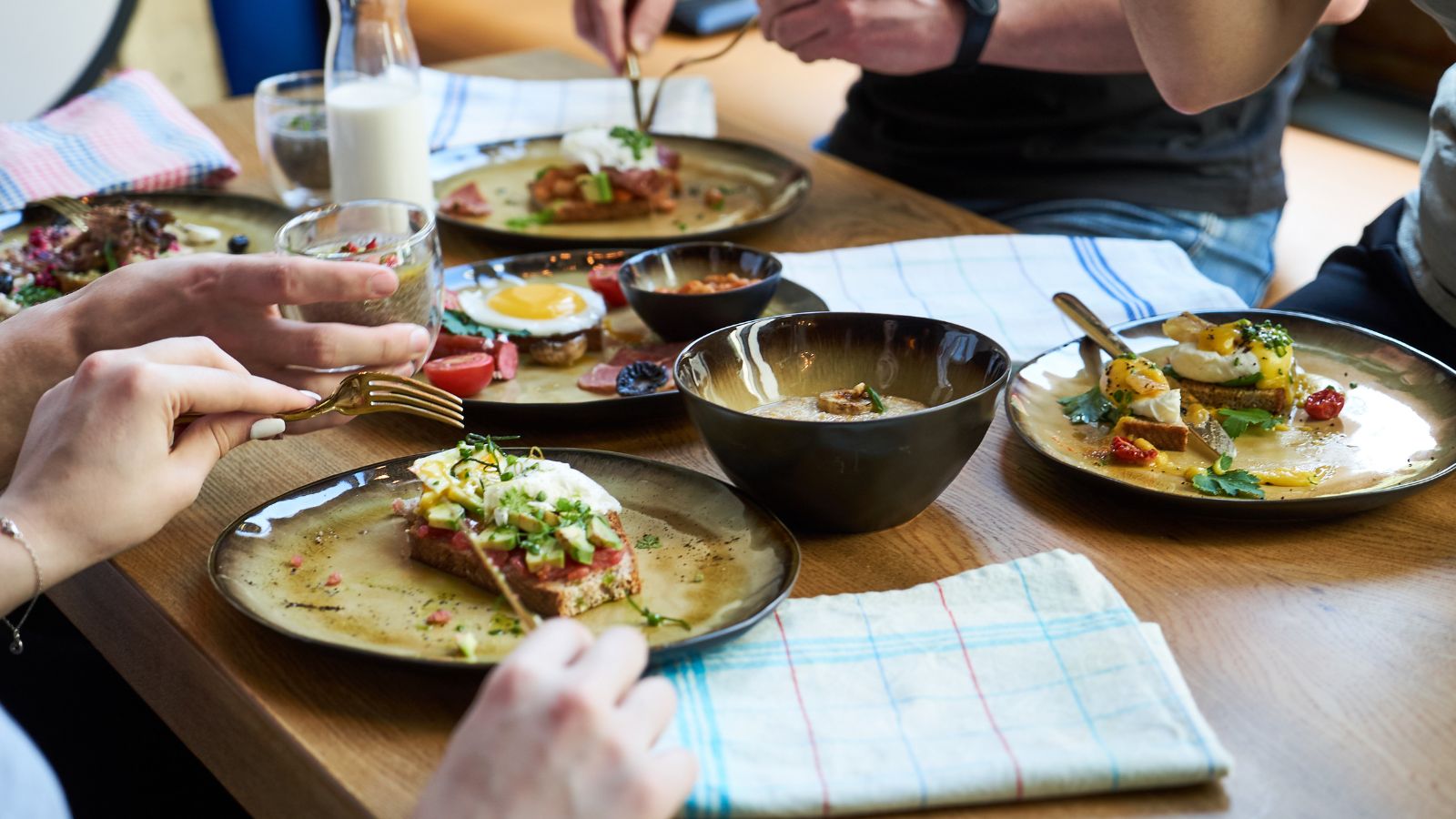
Tipping practices cause frequent misunderstandings as well. In some places, tipping is expected and carefully calculated. In others, it can be unnecessary or even awkward. Travelers who apply their home habits universally may either offend or overpay without realizing it.
What makes these rules tricky is that they’re rarely explained outright. Locals grow up absorbing them, while visitors are expected to observe and adapt. Restaurants in tourist areas may be more forgiving, but stepping outside those spaces often reveals expectations more clearly.
The good news is that most etiquette mistakes are met with understanding, not judgment. Curiosity and attentiveness go a long way. Watching how others eat, following their pace, and asking polite questions can quickly bridge gaps.
We think dining etiquette matters because meals are shared spaces, not just transactions. Understanding local table manners shows respect for the culture and the people serving the food. When travelers adjust even a little, meals become more comfortable, more connected, and far more memorable for the right reasons.
