Dining Hours That Surprise First-Time Travelers
For many first-time international travelers, hunger is what reveals cultural differences most quickly. We step out expecting lunch or dinner to be available, only to find restaurants closed, kitchens quiet, or staff telling us to come back later. Dining hours abroad often follow local rhythms rather than tourist expectations, and that mismatch can be surprising.
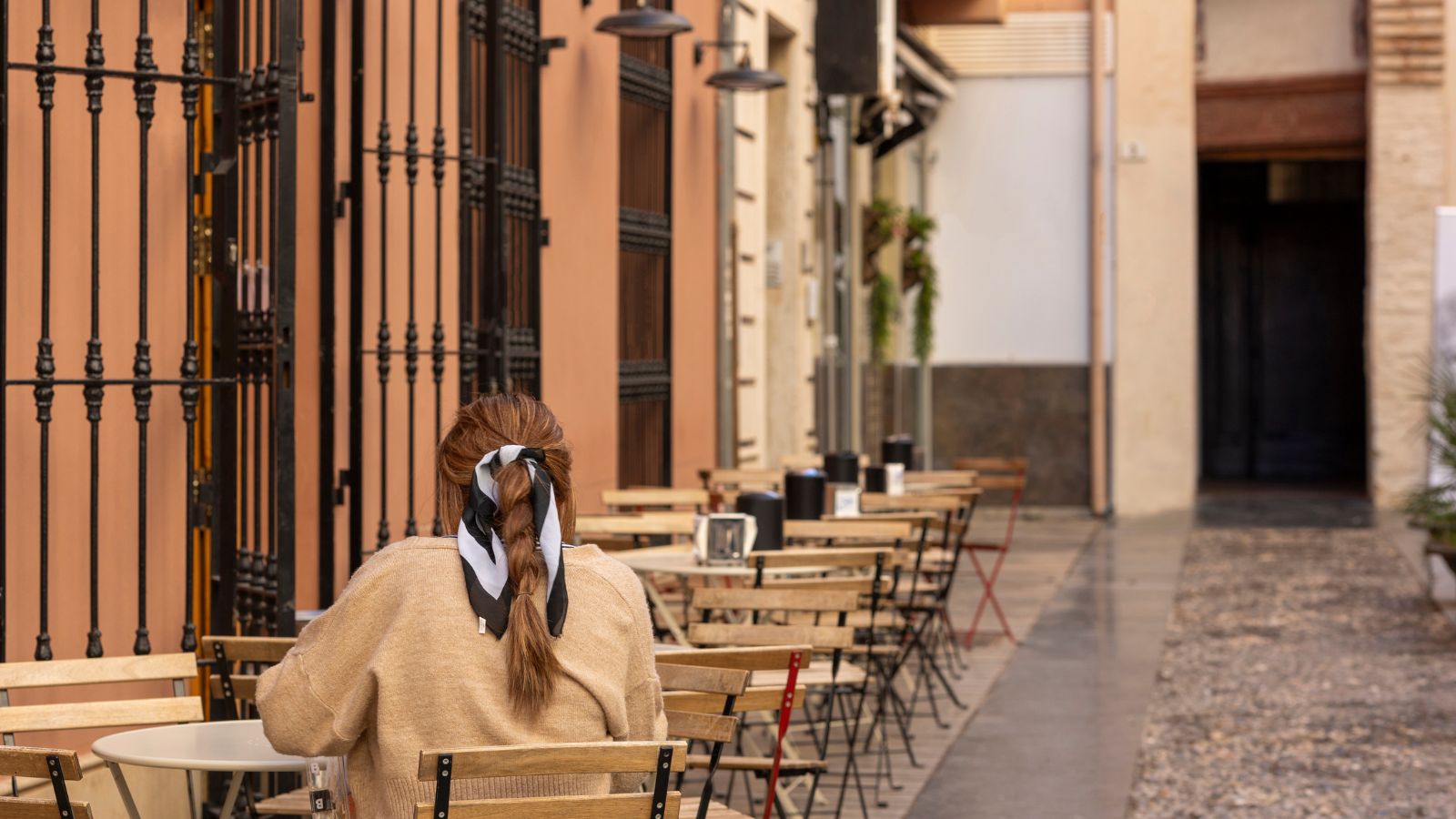
In some countries, lunch is the main meal of the day and is served during a narrow window, often early afternoon. Restaurants may close completely afterward, sometimes for several hours. Travelers who assume all-day service can find themselves searching for food at what feels like a normal time, only to realize they’ve missed it. Dinner, meanwhile, may not start until much later in the evening, well after sunset.
These schedules aren’t random. They’re shaped by work patterns, climate, and tradition. In warmer regions, eating later avoids the heat of the day. In places with strong family-centered cultures, meal times are fixed and respected. Restaurants cater to locals who already know the routine, not to visitors arriving on unfamiliar schedules.
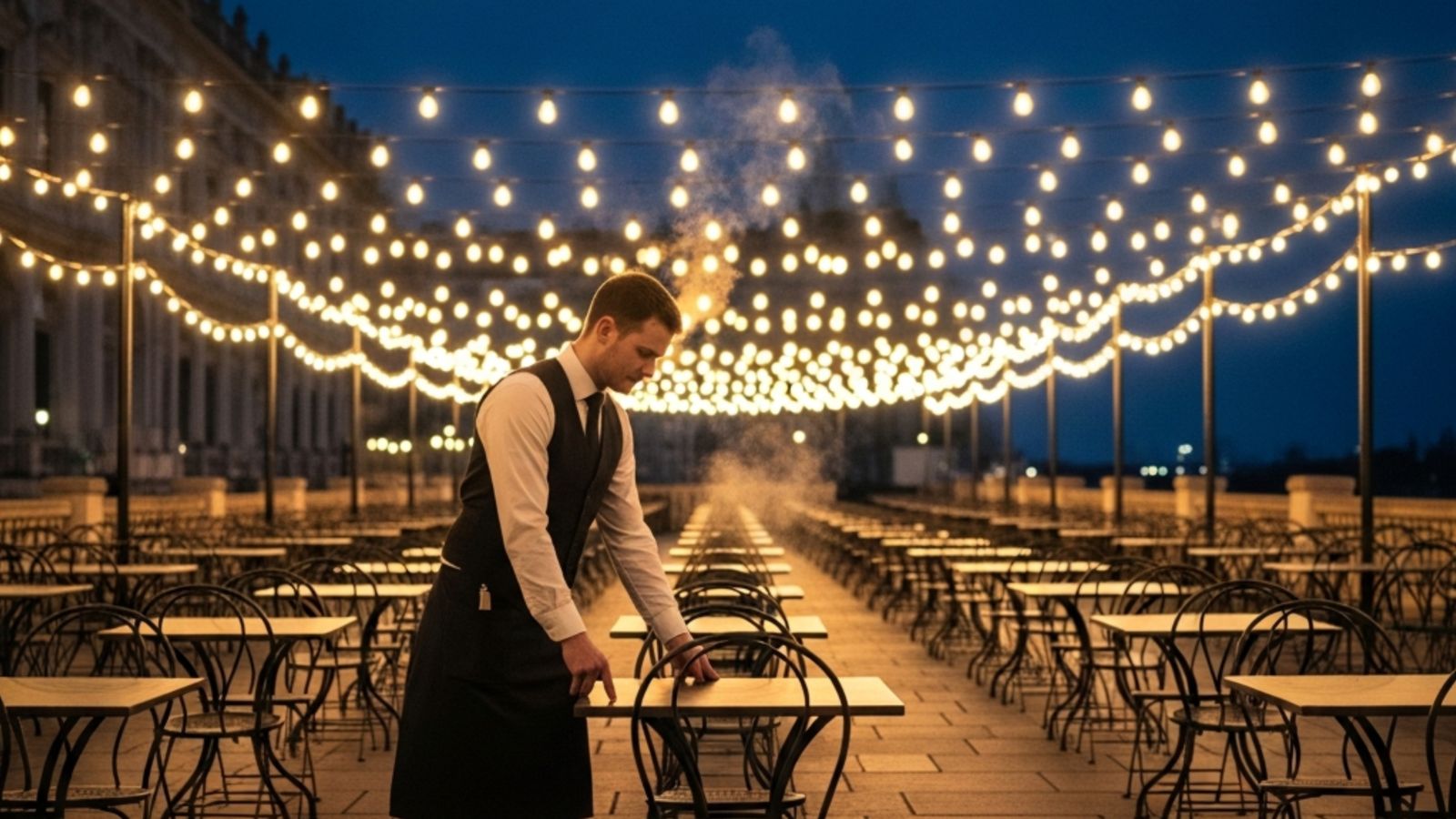
What catches travelers off guard is how firm these hours can be. A restaurant that opens at 7 p.m. may not seat anyone at 6:45, no matter how empty it looks. Kitchens may close before the posted closing time, stopping food service while drinks continue. For travelers used to flexible hours, this can feel inconvenient or even unwelcoming, when it’s simply standard practice.
Dining hours also affect planning more than people expect. Sightseeing schedules, transportation, and energy levels all tie into when food is available. Travelers who skip meals unintentionally often end up tired or frustrated, which can color the rest of the day. A small snack or an adjusted schedule can make a big difference.
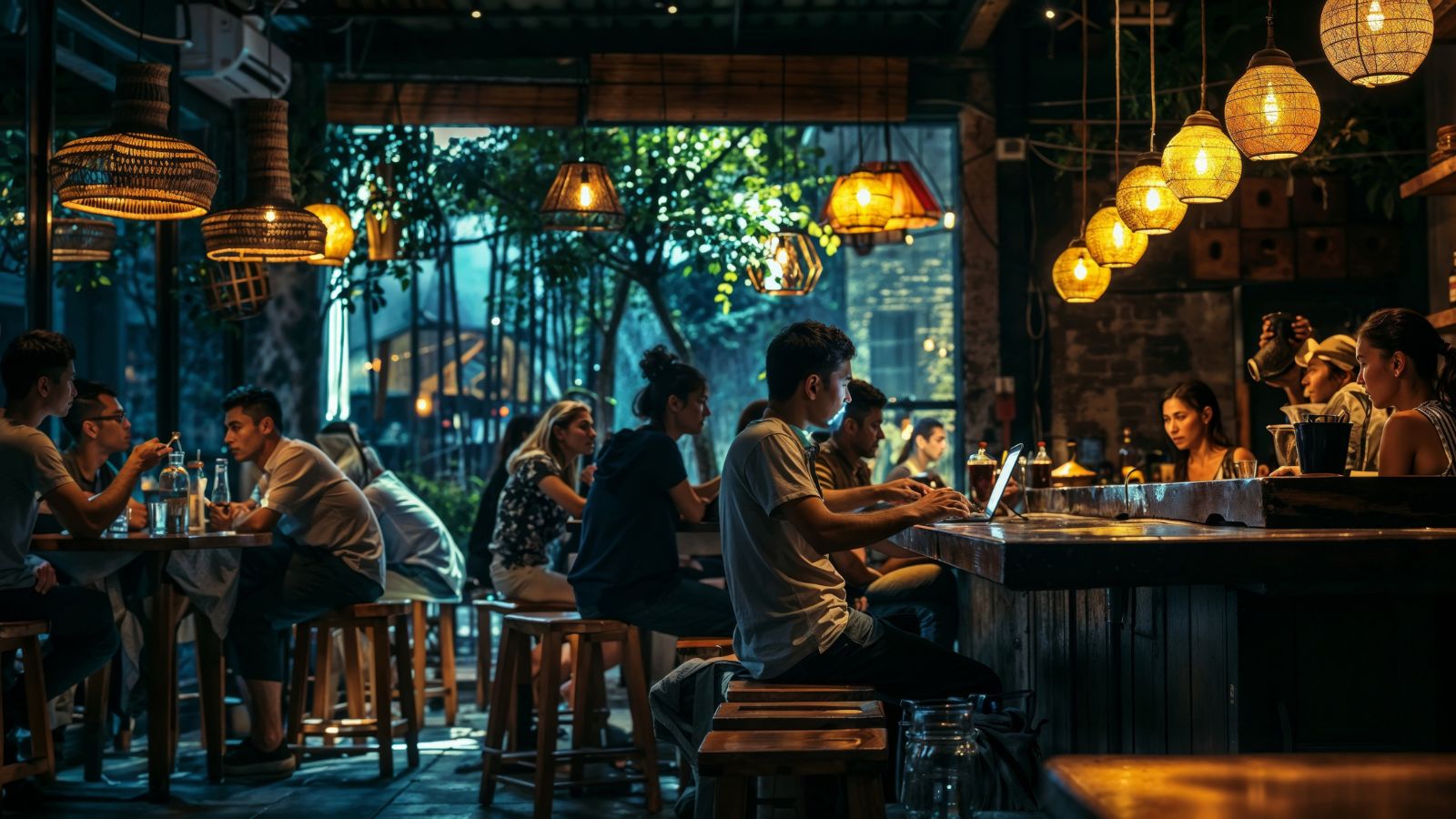
There’s also a social element. Eating when locals eat often leads to better experiences. Restaurants are livelier, menus reflect daily specials, and service feels more natural. Arriving outside normal hours can mean limited choices or rushed meals that don’t reflect the destination’s food culture.
We think understanding dining hours is one of the simplest ways to make travel smoother. Checking typical meal times before arrival helps set realistic expectations and prevents unnecessary stress. When travelers adjust their routines to local schedules, food stops being a logistical problem and becomes what it should be part of understanding how a place truly lives.
