Doctors Warn Travelers About This Surprisingly Risky Travel Habit
Travel can feel exciting, freeing, and full of new experiences. But there’s one small habit many of us fall into while moving through airports, train stations, and tourist spots that quietly increases our chances of getting sick. Doctors say it’s not the airplane air or even the hotel room that causes the most trouble. It’s something we do without even noticing: touching our faces with unwashed hands.
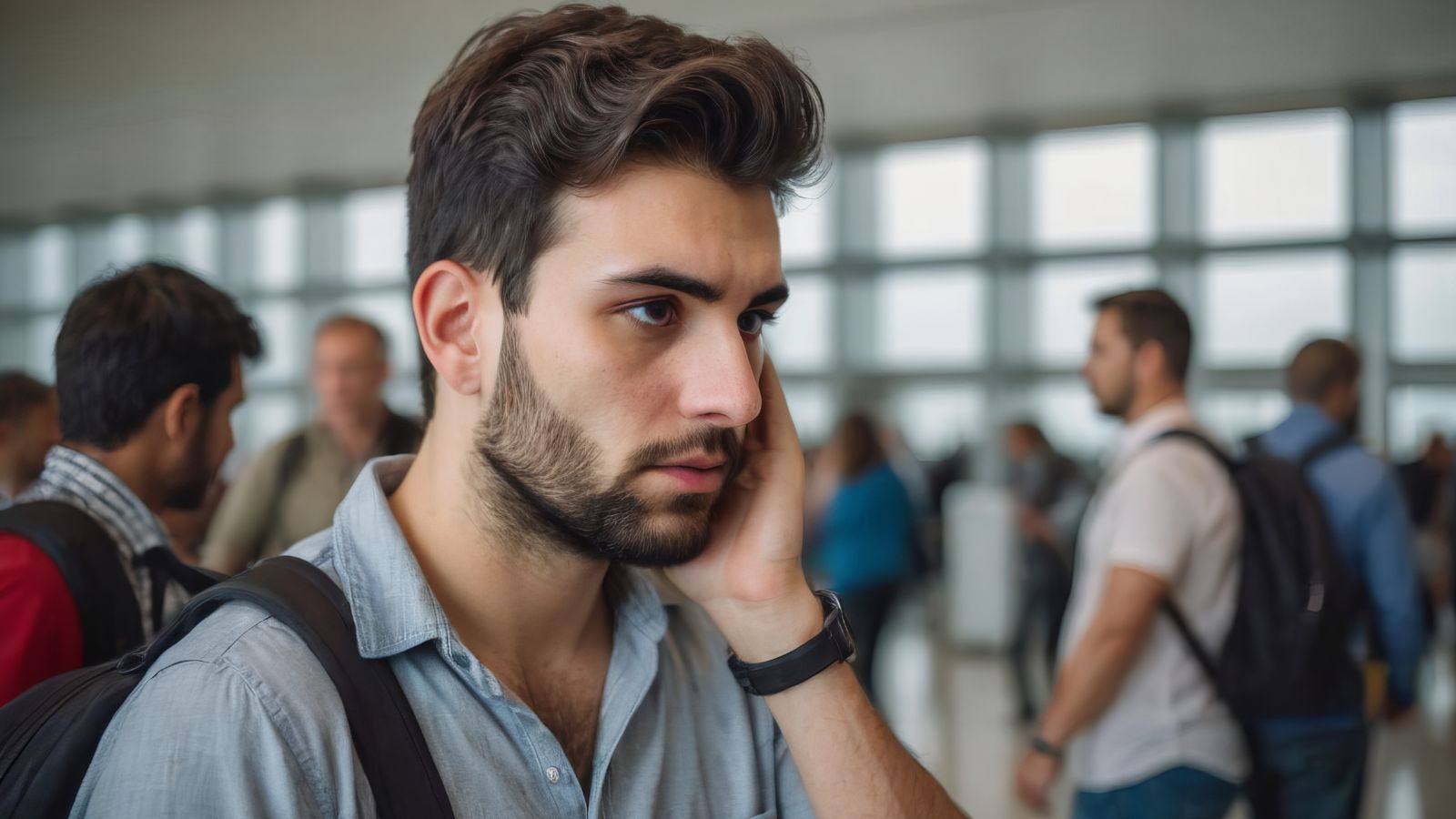
From check-in kiosks to security bins, boarding passes, seatbelt buckles, and restroom door handles, travel days are filled with high-touch surfaces. Each one can carry germs left behind by hundreds or even thousands of other people. The risky part happens afterward. We rub our eyes, scratch our nose, adjust our lips, or rest our chin in our hands. That simple movement gives germs a direct path into the body through the eyes, nose, or mouth.
Doctors often point out that respiratory and stomach viruses spread easily this way. We may think we are being careful because we are not near anyone who looks sick, but germs do not need a visible cough or sneeze to spread. All it takes is contact with a contaminated surface and then our own face. Travel makes this more likely because we are in crowded places, often tired, distracted, and out of our usual routines.
Airports in particular create the perfect environment for this habit. We juggle luggage, phones, snacks, and documents, leaving little time to think about hand hygiene. On flights, we touch tray tables, armrests, and overhead bins, then eat or touch our faces without washing up. Even on road trips, gas pumps, rest stops, and fast-food counters add to the chain of contact.
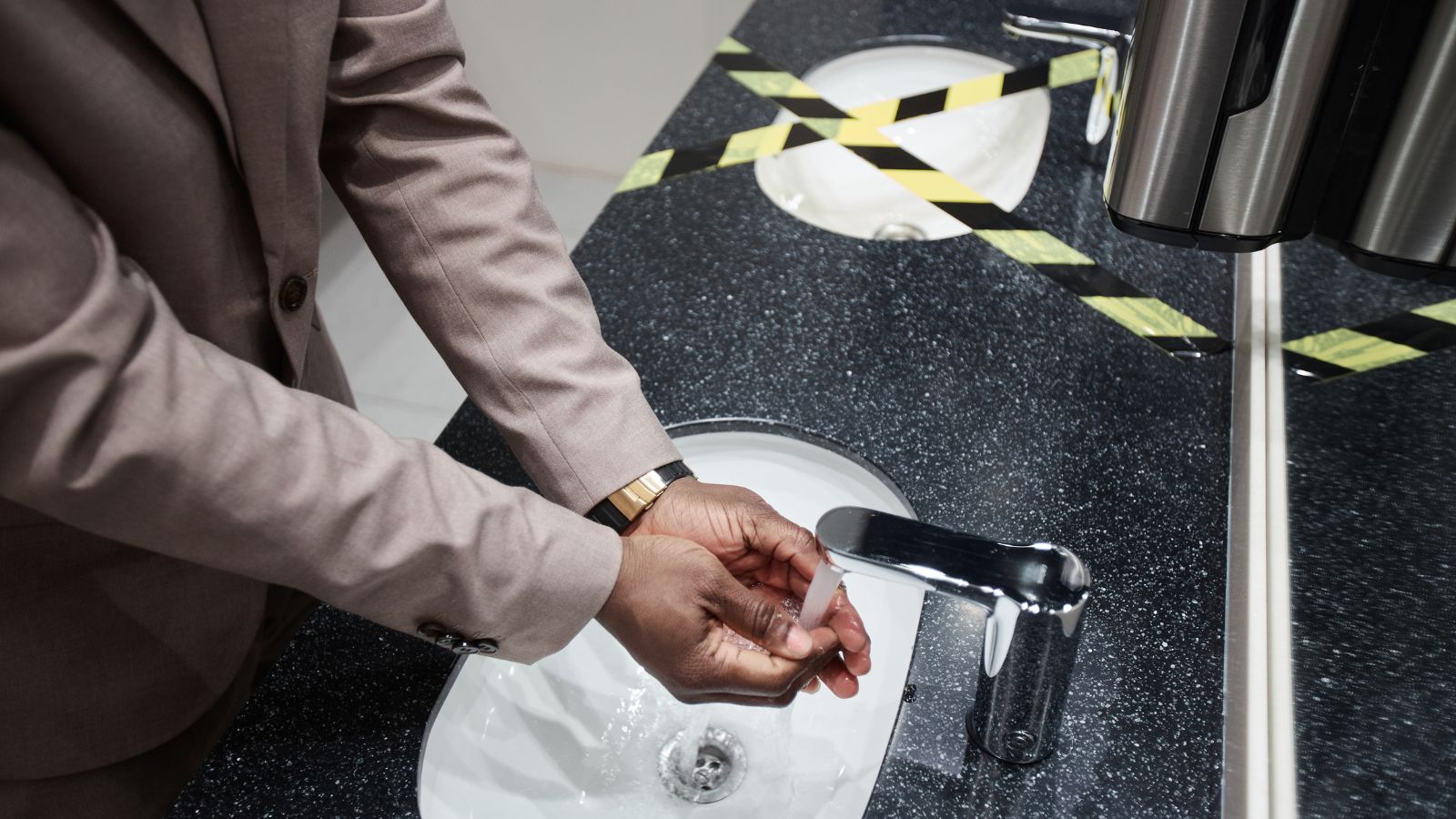
The reason this habit matters so much is simple: our hands are the bridge between the outside world and our immune system. When we travel, that bridge gets a lot more traffic. Being mindful about washing hands with soap, using hand sanitizer after high-contact areas, and avoiding unnecessary face touching can significantly lower our risk.
Travel will always involve some exposure to germs. But when we understand how easily illness can spread through our own small, unconscious habits, we can make simple changes that keep our trips focused on memories—not recovery days back home.
