Expanding Conflicts Are Disrupting Global Travel More Than Many Realize
Closed airspace. Rerouted flights. Sudden cancellations. Expanding regional conflicts are no longer distant headlines. They are quietly reshaping global travel patterns.
Even if you are not visiting a conflict zone, your itinerary may still pass through one.
Modern aviation depends on predictable corridors. The Middle East, for example, sits at the crossroads of Europe, Asia, and Africa. When tensions escalate and countries restrict or close their airspace, airlines are forced to adjust immediately. Routes that once flew straight across the region now divert north or south. Distance increases. Flight time stretches. Costs rise.
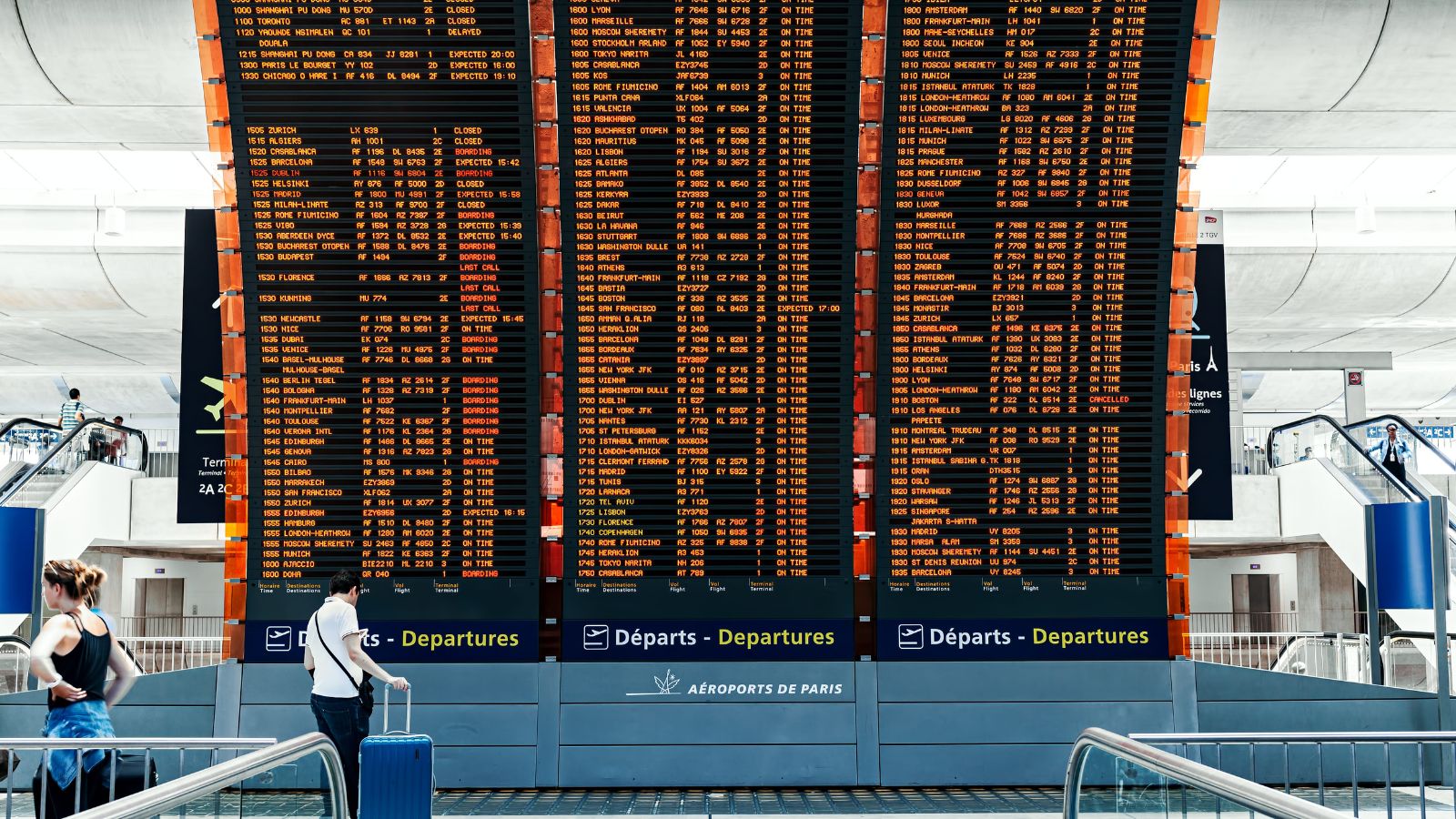
We see travelers caught off guard by this shift. A trip to Southeast Asia suddenly includes a longer layover in Europe. A nonstop flight becomes a one-stop. Departure times change days before takeoff. None of this reflects instability at the final destination. It reflects instability in the skies between.
The impact compounds quickly. Longer routes require more fuel. More fuel influences pricing. Aircraft rotations change, which affects seat assignments and upgrade lists. Crews time out. Replacement aircraft are used. What feels like a small routing adjustment creates a chain reaction across global networks.
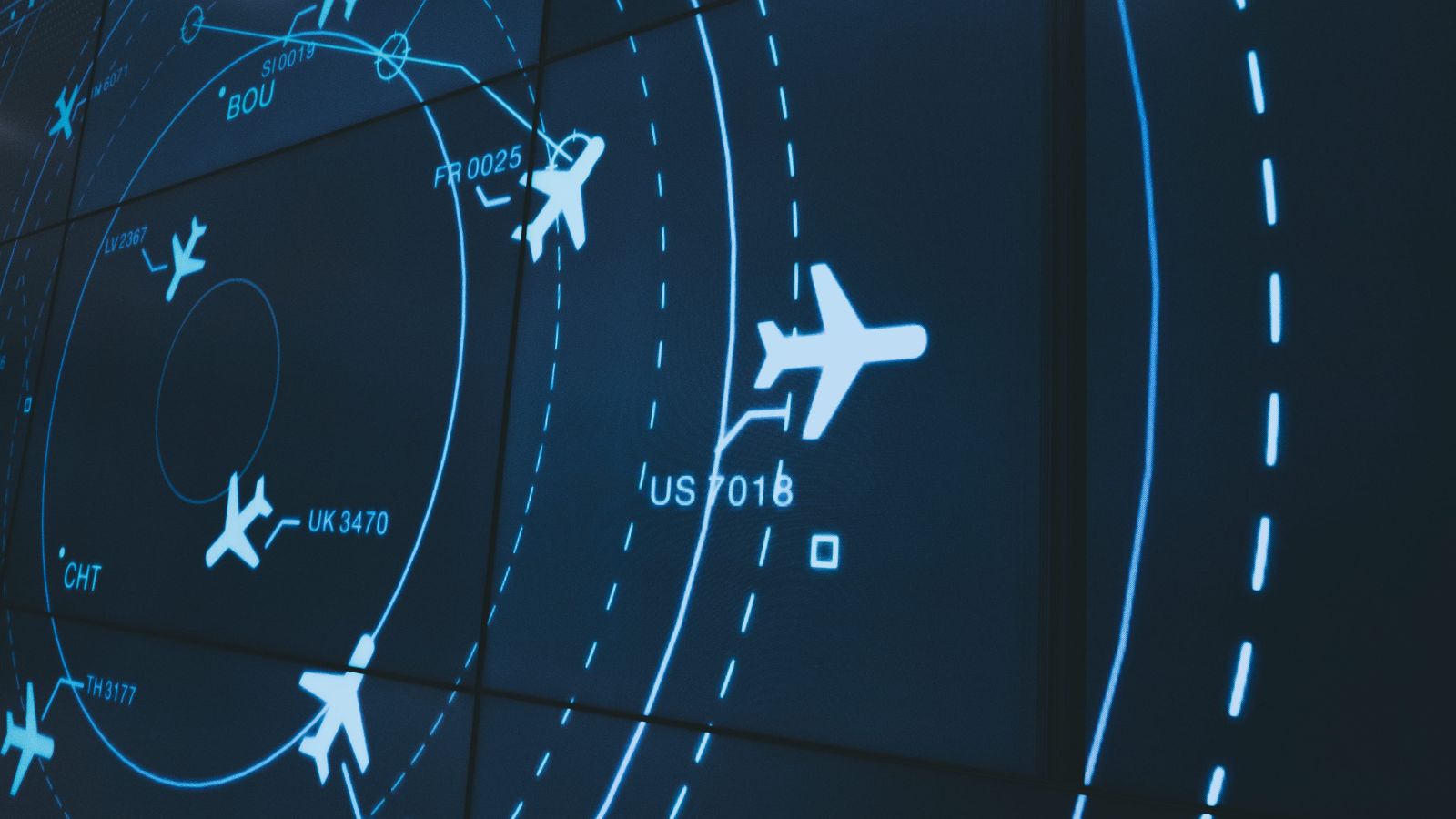
Connections are where stress builds. Tight transfer windows become risky when inbound flights are extended. Missed connections increase. Overnight rebookings follow. Travelers who built ambitious itineraries with minimal buffers feel the strain first.
We recommend one adjustment.
Plan for flexibility when global tensions rise. Choose longer layovers instead of tight connections. Avoid the last flight of the day on complex routes. Consider refundable or changeable fares when traveling across heavily trafficked corridors. Monitor your airline’s updates in the week before departure.

Airspace restrictions are implemented for safety. They are protective measures. But they change how the world moves. The key insight is simple. Conflict does not have to be your destination to affect your journey. It only has to sit along the route.
When regional tensions expand, the smartest travelers adapt their expectations before disruption forces them to. Global travel still works. It simply requires more awareness. And awareness, more than speed, is what keeps a trip steady
