Flight Attendants Notice This Habit Before You Even Sit Down
Before passengers reach their seats, flight attendants are already observing subtle cues. Not to judge but to anticipate. One habit stands out immediately: how travelers enter the aircraft.
Cabin crew quickly notice whether someone boards with awareness or urgency. Do they pause to check their seat number before blocking the aisle? Do they step aside to let others pass? Or do they stop abruptly, creating a bottleneck while searching through a bag?
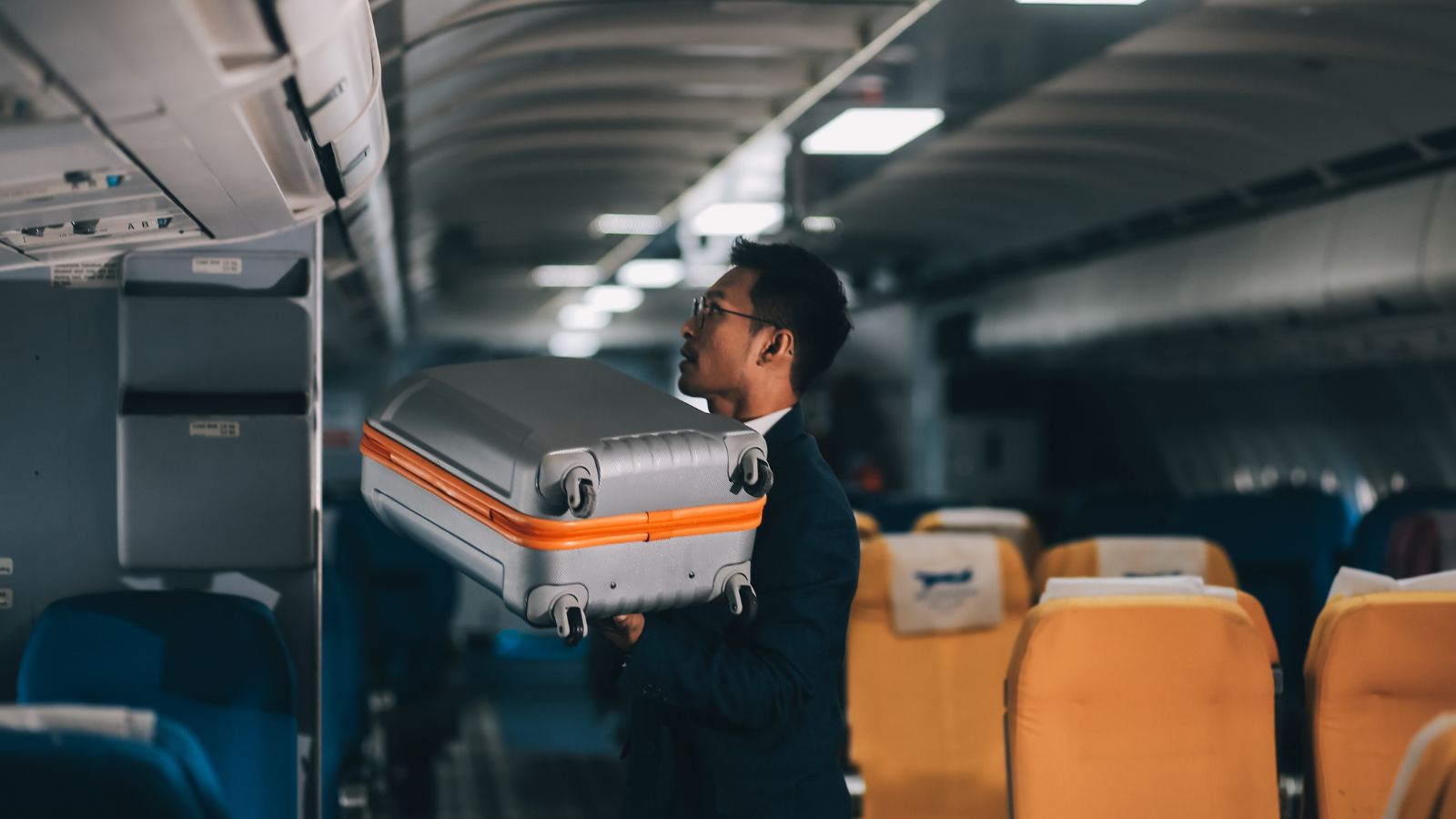
Spatial awareness matters more than people realize. Aircraft aisles are narrow, overhead bin space is limited, and boarding operates on tight timing. A passenger who keeps belongings organized and moves with intention reduces friction for everyone. One who fumbles at the last second increases tension across several rows.
Another habit crew notice is tone. A simple greeting like eye contact, a nod, or a quiet hello signals cooperation. It sets a respectful tone before any request is made. Flight attendants interact with hundreds of people in compressed time windows. Early courtesy is memorable.
Preparation is also visible. Passengers who have boarding passes ready, headphones untangled, and essential items accessible board smoothly. Those who wait until the aisle to reorganize bags create delays that ripple backward. Body language communicates mood.
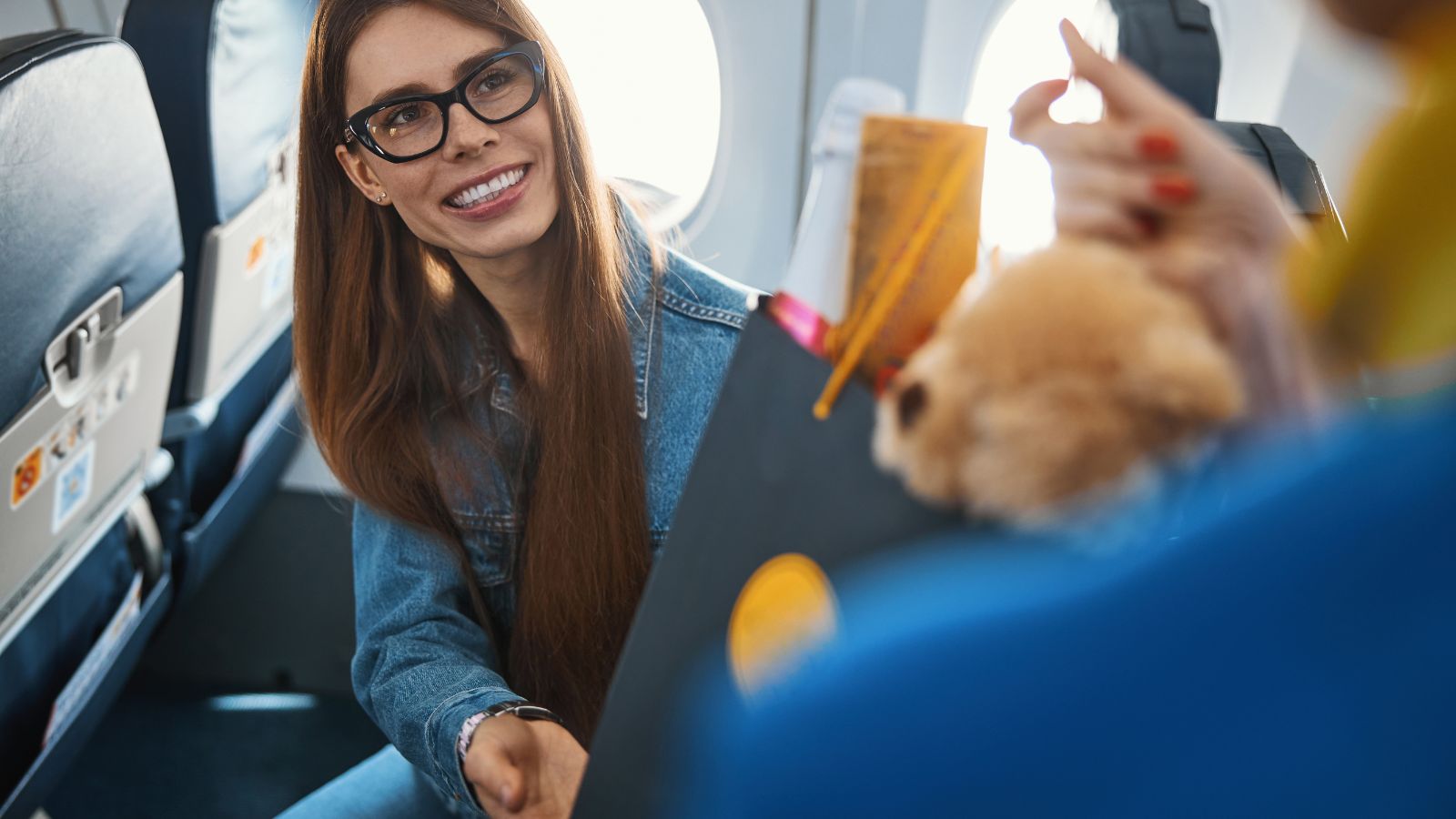
If someone boards already flustered, breathing quickly, speaking sharply, and moving impatiently, it suggests they may need reassurance or assistance later. Calm entry often predicts a calmer flight. None of this is about perfection. It is about predictability and flow.
Flight attendants are trained to scan quickly for potential needs: families requiring extra time, anxious flyers, tight connections, or medical concerns. Small habits help them prioritize support effectively.
Boarding is the first shared moment inside a confined space. How each person enters contributes to the collective atmosphere.
The interesting part is that the most positively noticed habit is the simplest, awareness. Moving efficiently, acknowledging others, and settling in without rush quietly improves the experience for everyone on board. Before you even sit down, you help shape the tone of the cabin.
