Heavy Carry-Ons Slow Down Boarding More Than Most Passengers Realize
Before the first announcement finishes echoing through the gate, we can already tell which flights will feel rushed. It is not the weather. It is not the route. More often, it is how much people are carrying onboard.
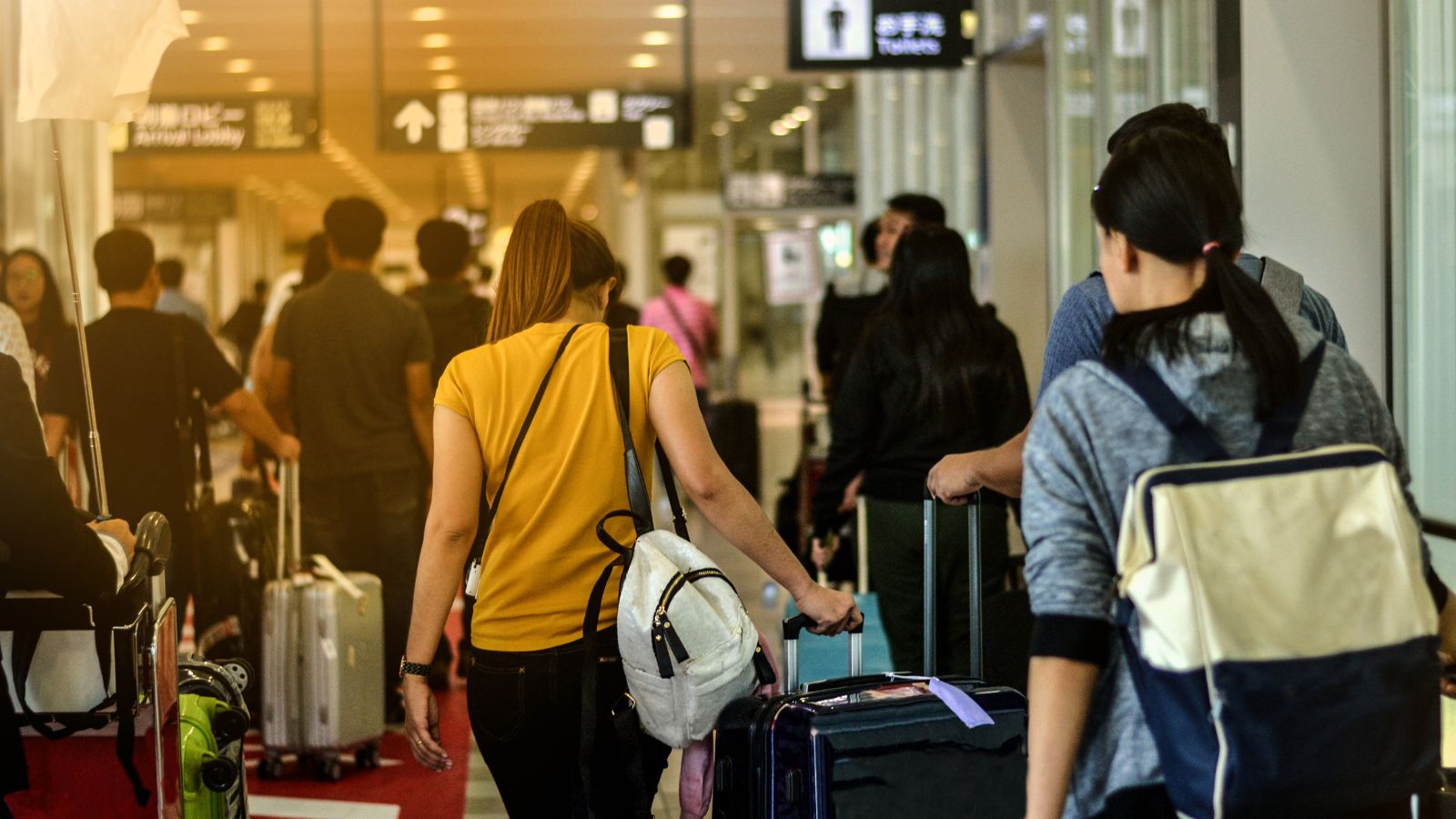
On U.S. domestic flights, especially those using narrow-body aircraft like the Boeing 737 or Airbus A320, cabin space is limited by design. Overhead bins are shared, not assigned. When passengers board with multiple bulky carry-ons, the impact is immediate. Aisles slow. Bins fill unevenly. Boarding time stretches longer than planned.
We see the same pattern across major U.S. airports. Heavy packers often underestimate how quickly bins reach capacity. Searching for space several rows away forces passengers to move against the flow. This creates backups that affect everyone behind them. These delays are small individually, but together they can push departures off schedule.
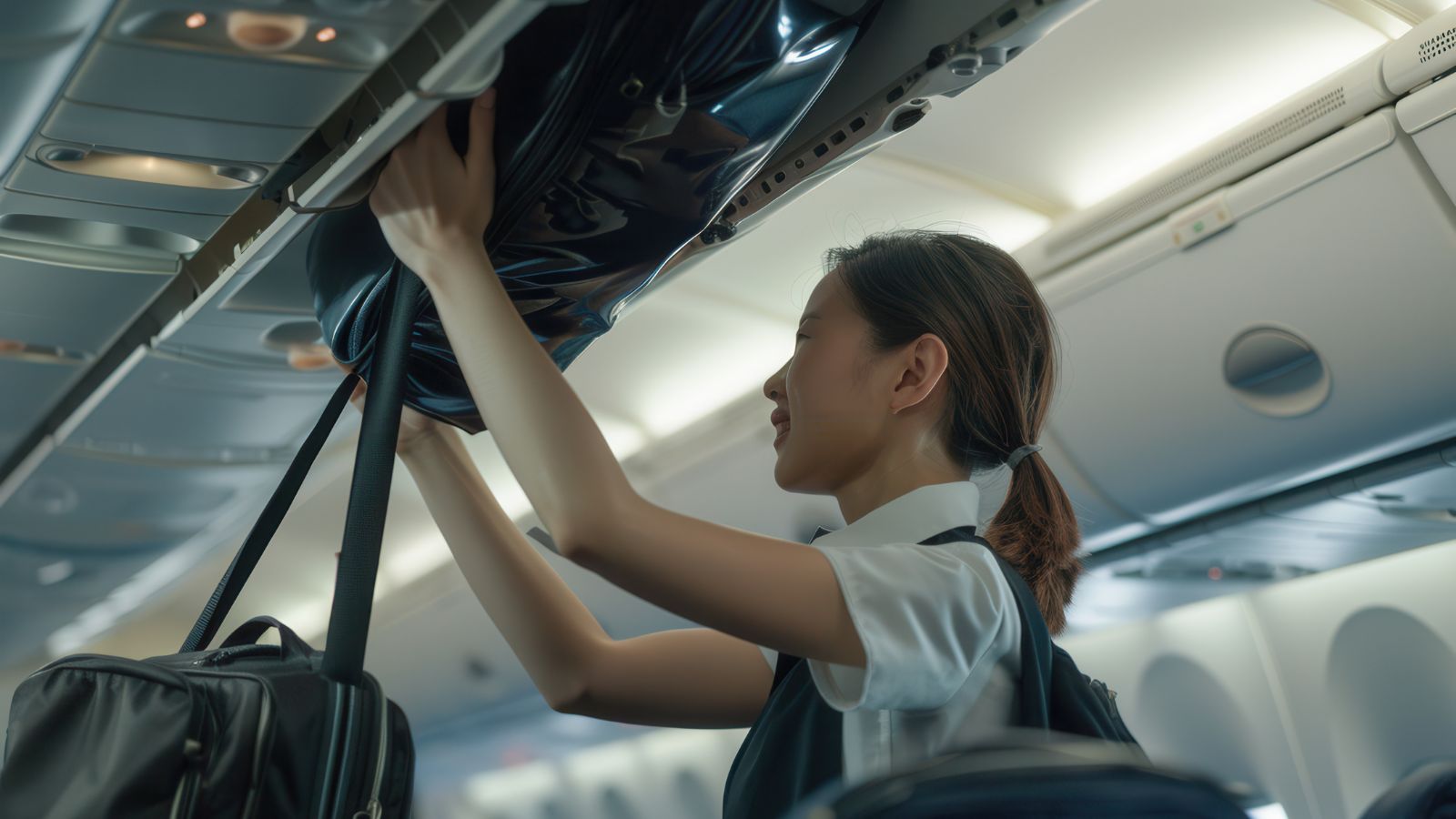
Weight is only part of the issue. Accessibility matters more. Large bags that must be rotated, rearranged, or compressed take time. When passengers need help lifting or repositioning items, crew members are pulled away from safety checks and assistance for others. The cabin becomes reactive instead of orderly.
Another overlooked detail is retrieval. Heavy bags stored far from assigned seats slow deplaning later. Passengers wait. Aisles clog again. Tight connections become harder to make. What felt like convenience during packing becomes friction at arrival.
We also notice how heavy packing affects comfort. Passengers surrounded by overstuffed bags often shift repeatedly during boarding, reopening bins and standing in the aisle. This increases movement during a critical phase when crews are trying to complete final checks efficiently.
What heavy packers often do not realize is that crews are not judging volume. We are anticipating flow. Flights run best when carry-ons are compact, easy to lift, and stored quickly. Smaller bags placed correctly help the entire cabin move as one.
The most helpful adjustment is simple. Choose one manageable carry-on. Keep essentials accessible. Accept that overhead space is shared and limited. On U.S. domestic routes, especially short-haul flights, less onboard luggage almost always leads to a smoother experience.
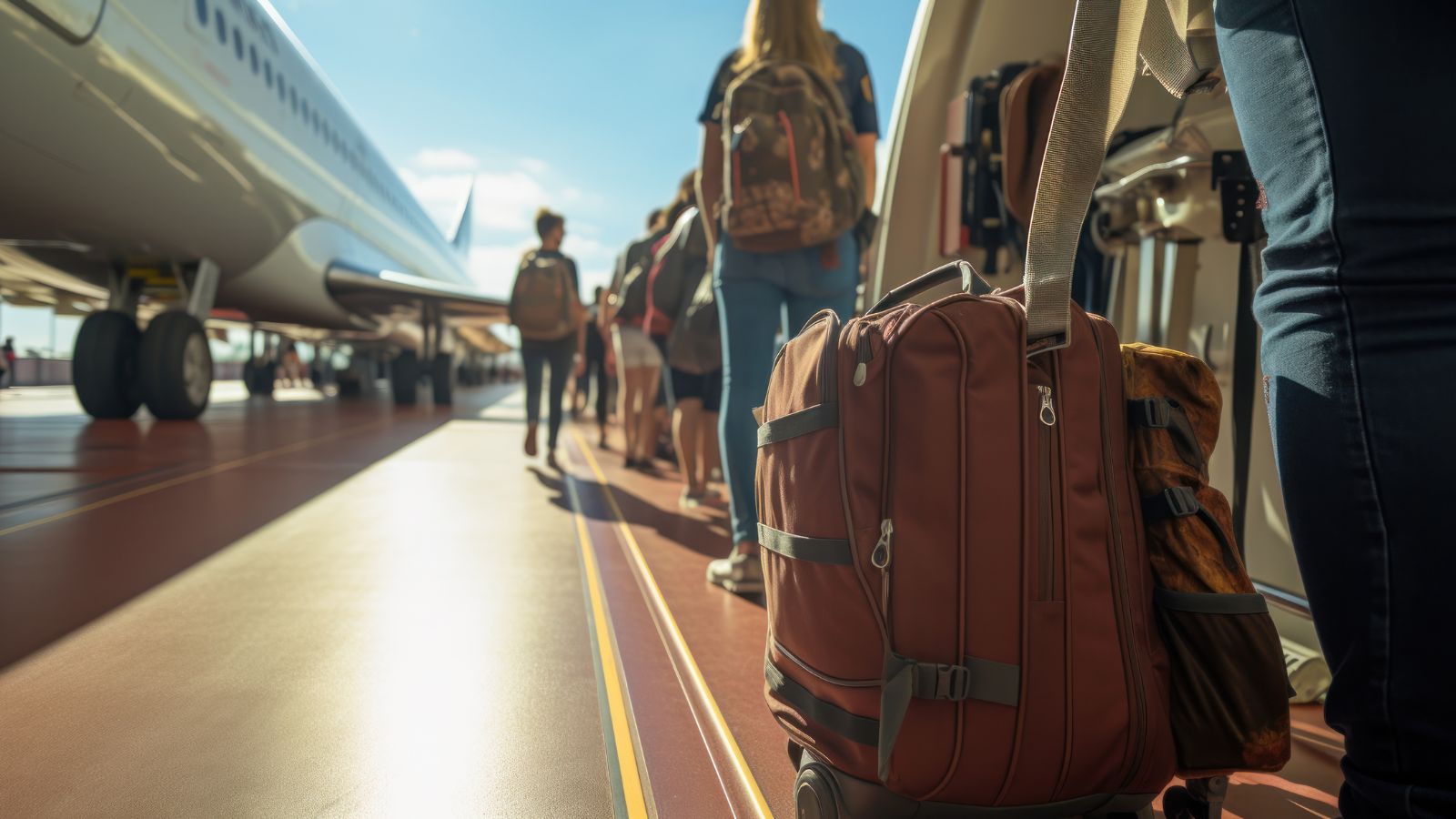
What flight crews wish heavy packers knew before boarding is not about packing less for the trip. It is about carrying less into the cabin. When passengers lighten what they bring onboard, flights depart calmer, move faster, and feel more comfortable for everyone involved.
