High Ratings Raise Expectations Few Restaurants Can Match
A near perfect rating can be more dangerous than a low one. When a restaurant holds glowing reviews across every platform, anticipation builds long before the first bite. The higher the score, the higher the expectation. And expectation is powerful. Ratings shape perception before we even walk in.
When we book a place with thousands of five star reviews, we arrive ready to evaluate. We look for excellence in every detail. The greeting. The timing. The texture of the food. Minor delays or small imperfections stand out more sharply because the standard has already been set so high.
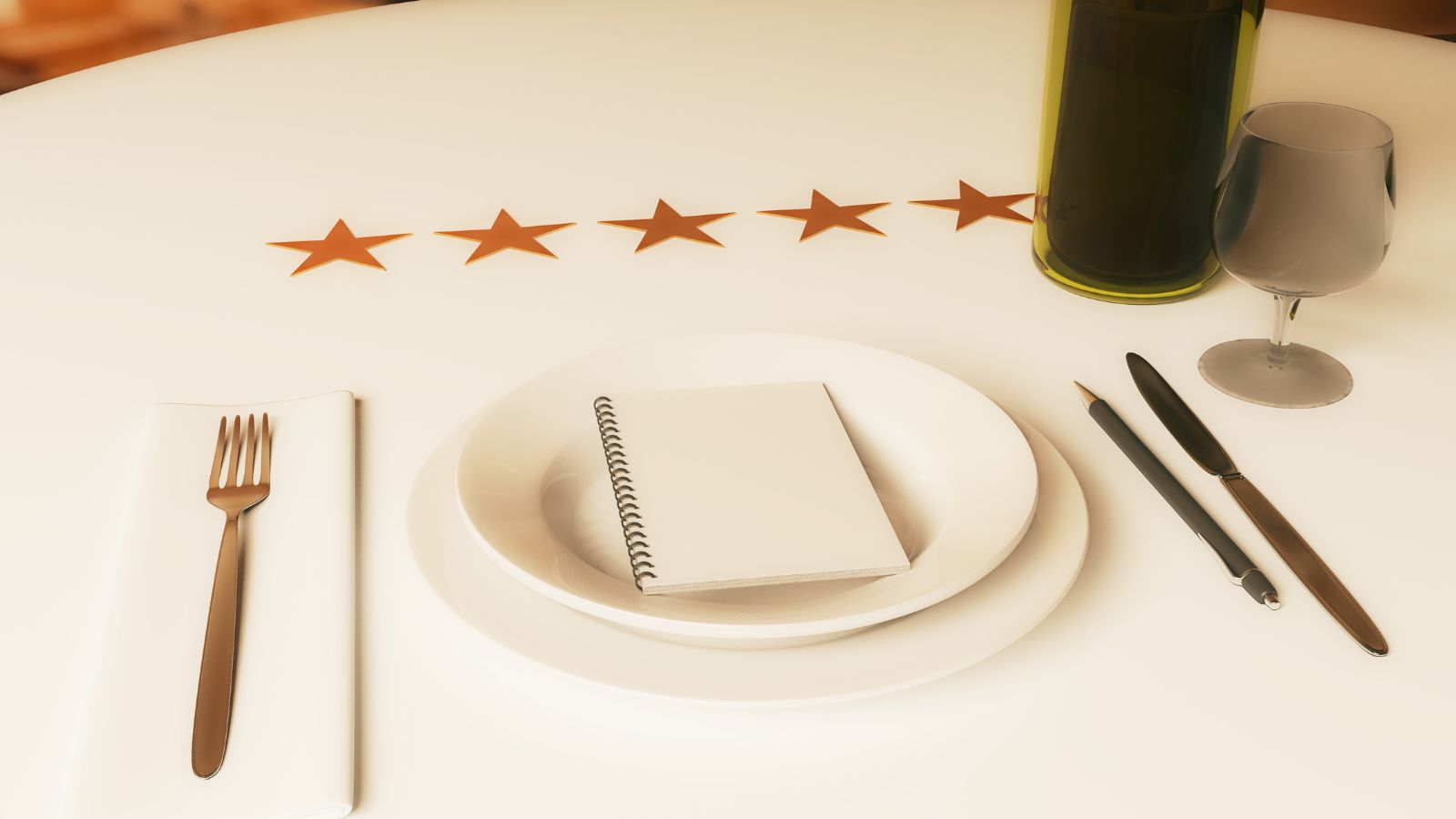
No restaurant operates flawlessly every night. Staffing shifts. Ingredient quality varies. Dining rooms fluctuate in volume and mood. Even the most respected kitchens have off moments. Yet when ratings suggest perfection, normal human variation can feel like failure.
There is also the issue of scale. Extremely high ratings often attract larger crowds. Popularity increases demand. With demand comes pressure. Tables turn faster. Service tightens. Staff focus on efficiency. The very acclaim that built the reputation can subtly erode the intimacy that earned it.

Psychology plays a quiet role as well. When we expect extraordinary, we subconsciously search for proof. Instead of relaxing into the experience, we assess it. Was it worth the hype. Did it exceed the ranking. That mental checklist can interfere with simple enjoyment.
Interestingly, restaurants with strong but not flawless ratings often deliver more satisfaction. Expectations feel realistic. We arrive open rather than critical. Surprises feel positive rather than overdue. The evening unfolds naturally instead of competitively.

Experienced travelers read reviews differently. They scan for consistency rather than perfection. They look for recent feedback. They note comments about service tone and atmosphere, not just star counts. A balanced profile often signals authenticity. Dining while traveling should complement the rhythm of the trip. When expectations are calibrated thoughtfully, the experience feels lighter. The goal is not to confirm a ranking. It is to enjoy a meal.
High ratings attract attention. Balanced expectations protect satisfaction. When we focus less on the number and more on the environment, service style, and fit for the moment, we increase the chance of leaving the table content rather than critical.
