How a Nearby Conflict Can Affect Your Trip Even If You’re Not Visiting It
You might not be heading to a conflict zone. Yet recent world events have reminded us that modern travel is interconnected. What happens in one region can ripple far beyond its borders. Recent conflicts in Europe and the Middle East are a clear example of how global instability can shape travel experiences everywhere.
In early 2026, an escalation between major powers led to missile strikes, airspace closures, and widespread disruptions across the Middle East and nearby regions. Flights to and through major aviation hubs were canceled or rerouted as national airlines suspended service and governments closed airspace amid rising tensions.
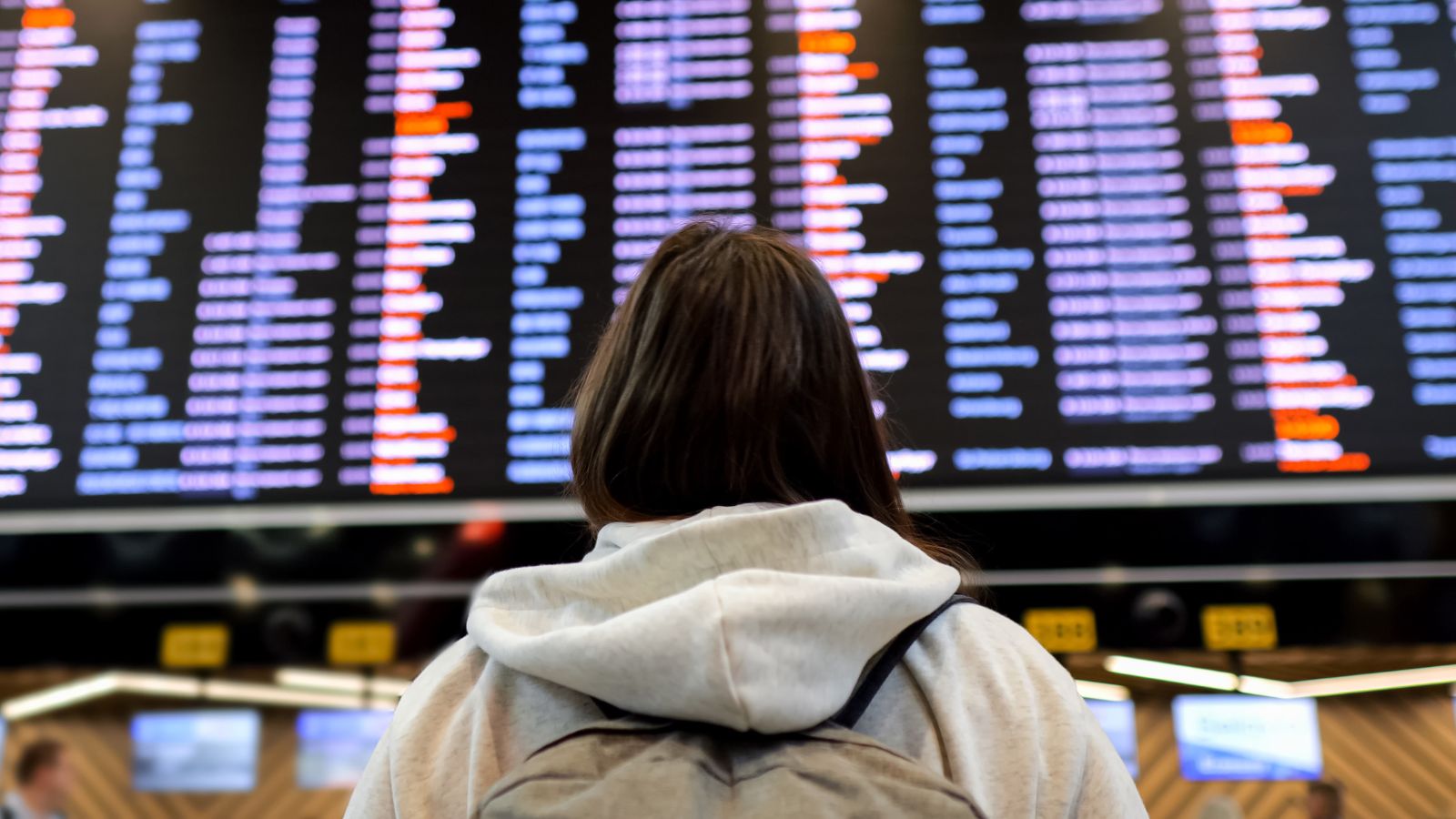
Even if your vacation is thousands of miles away, these effects can reach you. Airlines rely on major transit points to connect destinations around the world. When a key hub like Dubai, Abu Dhabi, or Doha shuts or restricts flights for safety, schedules everywhere shift. Routes lengthen. Layovers extend. Ticket costs can rise. What looked like a straightforward itinerary can suddenly involve extra stops or unexpected overnight stays.
There’s also a broader economic impact. Conflicts that disrupt shipping routes or energy supplies can influence fuel costs globally. Higher fuel surcharges often appear on international and even regional flights. Airlines may adjust schedules to optimize fuel efficiency, affecting departure times and available connections. These shifts can make travel logistics less predictable even when the destination itself is peaceful.

Travel insurance is another area where nearby conflicts make a difference. Policies generally have exclusions for known or active conflict zones. When governments issue travel advisories for an entire region, even if your trip doesn’t enter the affected country, insurance coverage terms may change. This can impact refunds, medical coverage, or evacuation benefits. Always double-check policy language if a nearby conflict exists, even if you’re not visiting that specific location.
Security screenings can tighten as well. Airports around the world often adjust their protocols in response to elevated global risk levels. That may mean longer waits, enhanced baggage checks, or additional documentation requests. These measures are intended to protect travelers, but they do add time and effort to the journey.

The bottom line is this: global conflict does not stay contained.
Ripples reach air routes, costs, insurance terms, and security procedures. Staying informed and flexible keeps your travel plans resilient. Before booking or departing, check advisories, talk with your airline, and review insurance coverage carefully.
A peaceful destination can still face indirect effects from a nearby conflict. Anticipating them protects both your time and your peace of mind.
