How Food in Cancun Differs Between Resorts and the City
Food in Cancun often gets described as one thing, easy, abundant, and predictable. But that description only really applies to resorts. Once we step outside them, the food experience changes in ways many travelers don’t expect. Understanding the difference helps set expectations and shapes how satisfying meals feel throughout the trip.
Resort food is built around convenience and consistency. Menus are designed to please a wide range of tastes, move quickly, and avoid surprises. We’ll often see familiar dishes, international staples, and toned-down versions of Mexican classics. This isn’t a flaw, it’s intentional. Resorts aim to make dining effortless, especially for travelers who don’t want to think too hard about meals.
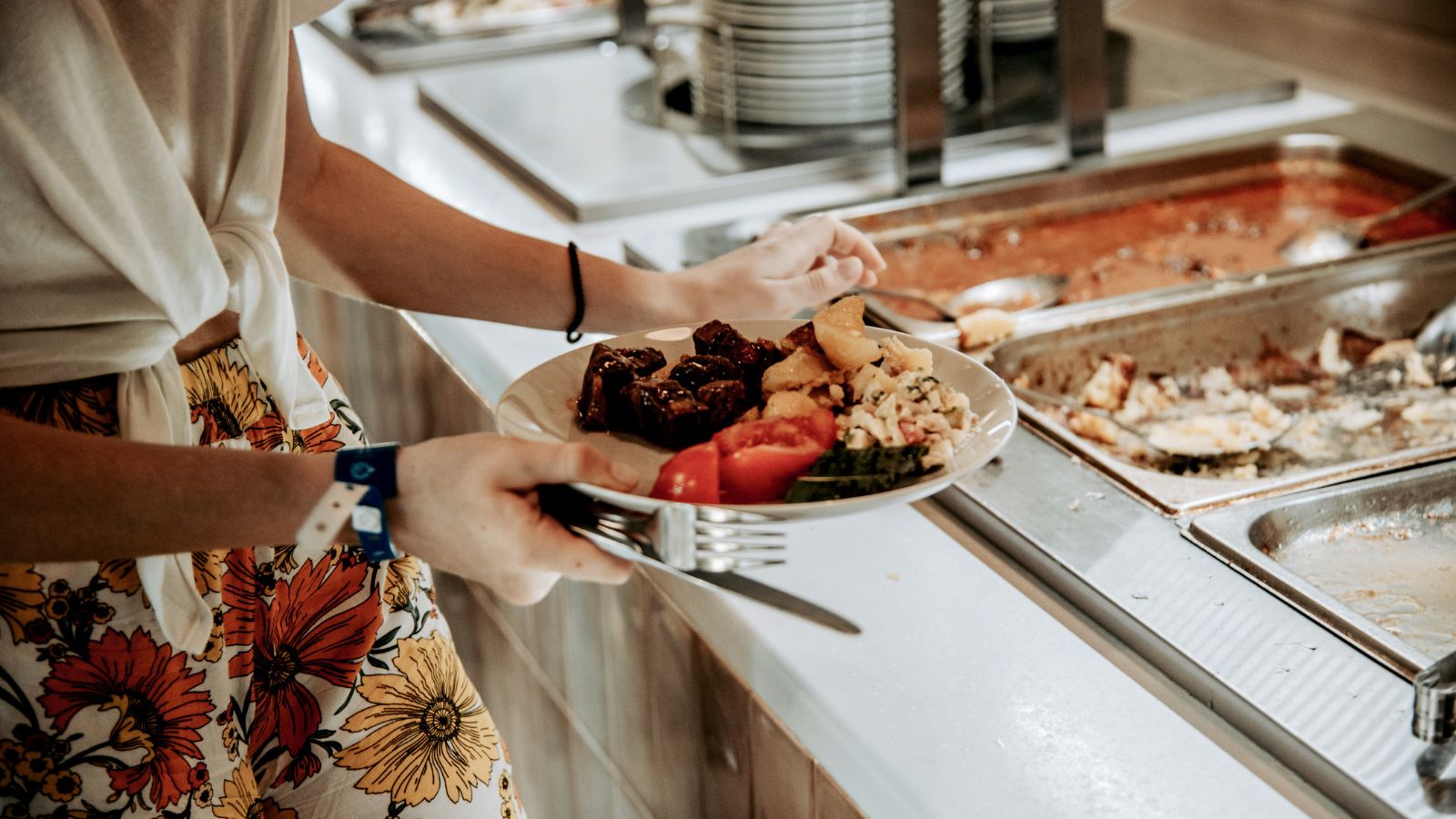
That convenience comes with trade-offs. Flavors tend to be milder, spice is adjustable, and presentation often matters more than regional authenticity. Even when the food is well executed, it can feel interchangeable from one resort to another. For travelers staying entirely on property, meals blend into the rhythm of the resort rather than standing out as separate experiences.
In the city, food operates on a different logic. Restaurants are built around local habits, not visitor expectations. Menus are narrower, ingredients are more specific, and dishes reflect regional styles from the Yucatán and beyond. We’re more likely to encounter bolder flavors, unfamiliar cuts, and cooking techniques that aren’t adapted for international comfort.
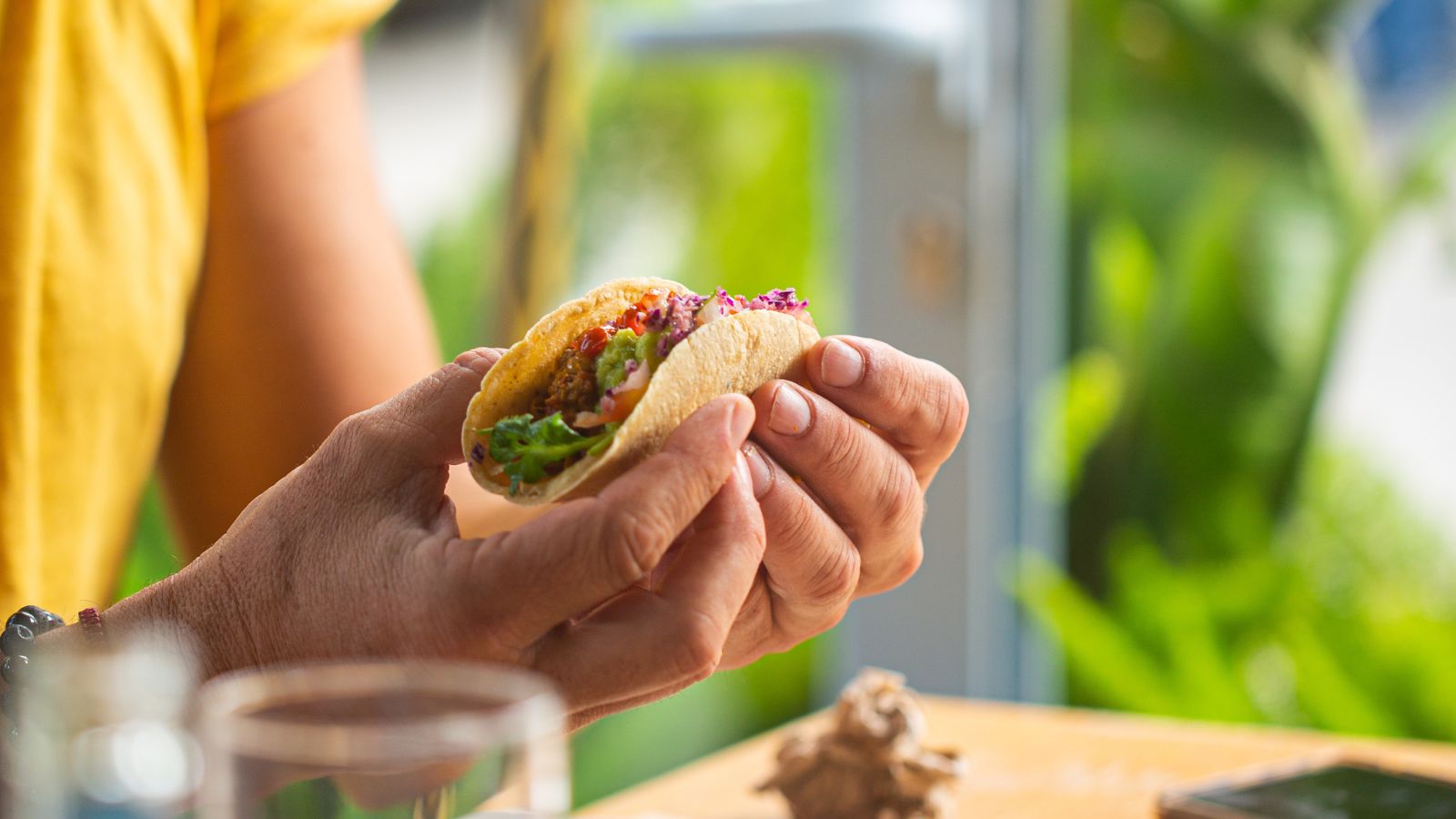
City dining also comes with more variation. Some meals will be unforgettable, others just solid but they’ll feel distinct. There’s less standardization and more personality. Dining out becomes an active choice rather than a built-in feature of the stay, which often makes meals more memorable.
Another key difference is pace. Resort dining follows a schedule, while city restaurants follow local rhythms. Some places close between services or open later than expected. This can feel inconvenient at first, but it reflects how locals actually eat. Adjusting to that rhythm often makes the experience feel more grounded.
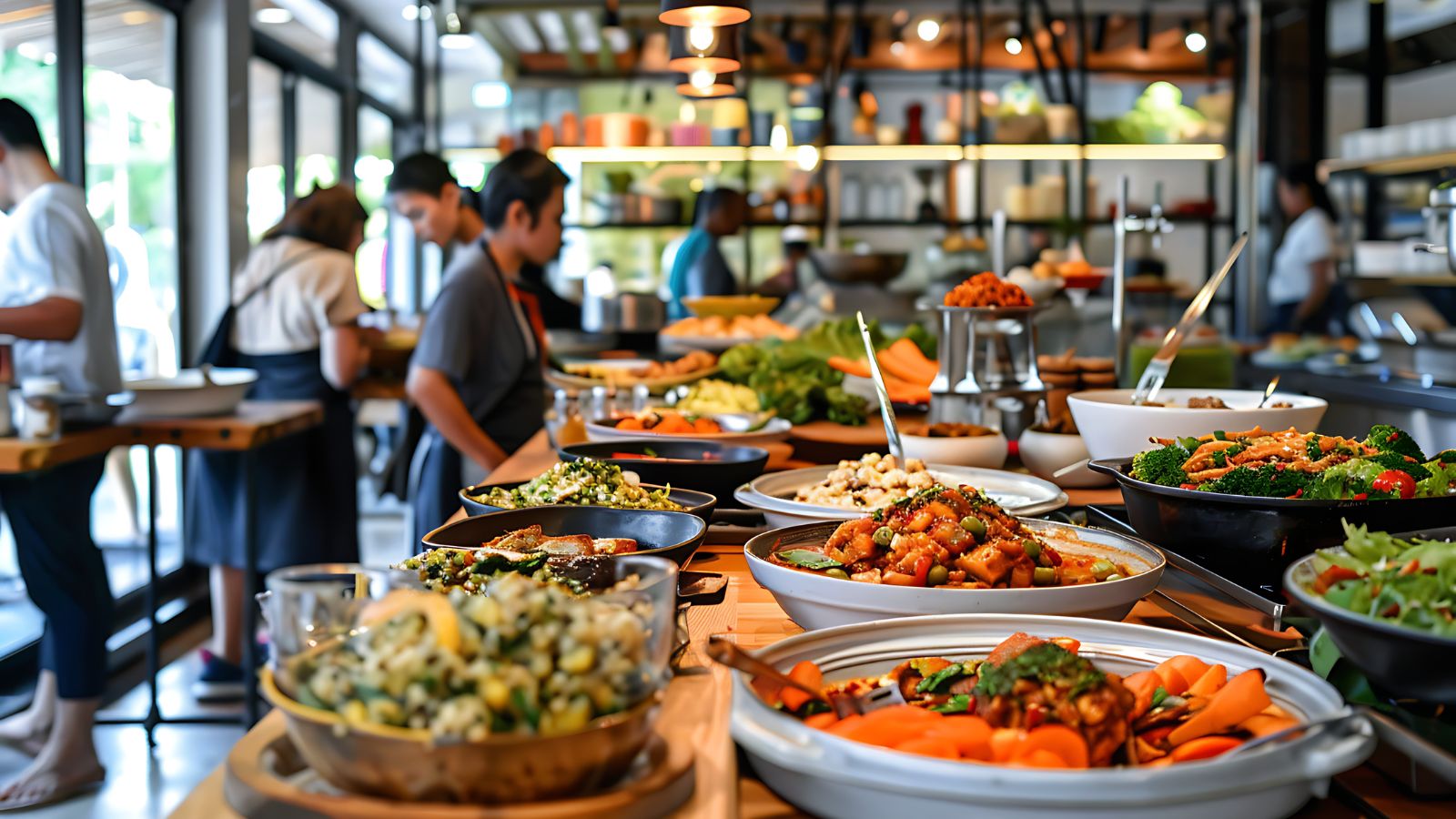
Price perception shifts as well. Resort food feels free once it’s paid for, while city meals are priced individually. That can make off-property dining feel like an extra expense even when it’s more affordable and higher quality. Travelers who reframe city meals as experiences rather than add-ons tend to enjoy them more.
Neither option is better. Resort food prioritizes ease and reliability. City food prioritizes expression and variety. Cancun offers both, but the experience depends on where we choose to eat.
When travelers understand this contrast, they stop feeling disappointed or surprised. Instead, they use it to shape the kind of food memories they want whether that’s effortless comfort or a closer taste of the place itself.
