How Old Architecture Shapes the Experience of Visiting Europe
One of the first things travelers notice in Europe is the feeling that history surrounds them everywhere. Streets, buildings, and public squares often reflect centuries of design and craftsmanship. Architecture is not just something to admire from a distance. It actively shapes how visitors experience each destination.
Walking through European cities often feels like stepping into a living museum.
Many neighborhoods were built long before modern transportation existed. Streets are narrower, buildings sit close together, and town squares naturally become gathering places. In cities such as Prague or Florence, travelers often discover that simply wandering through historic streets reveals architecture that dates back hundreds of years.
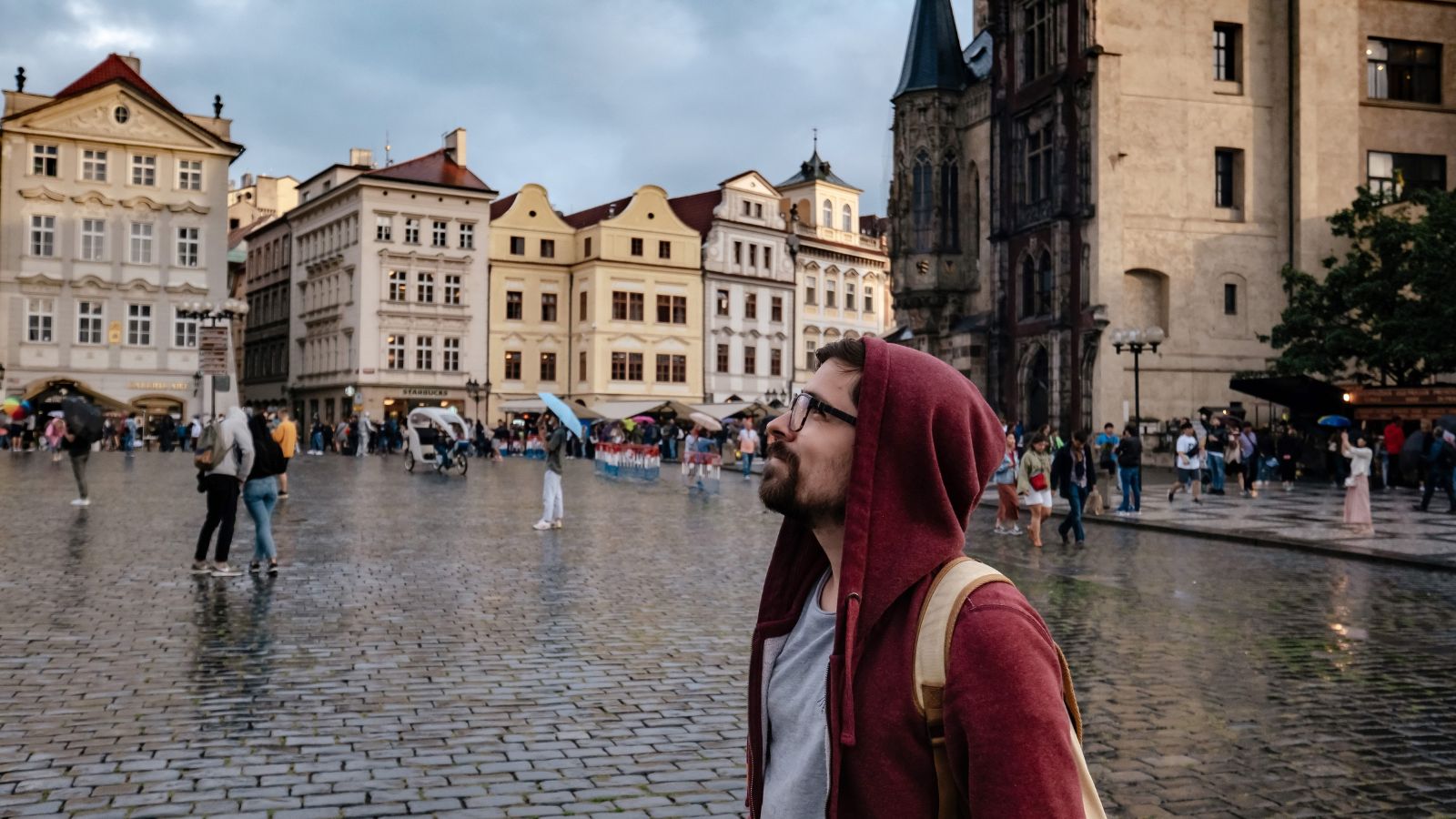
These older designs also influence how people move through the city.
Instead of wide boulevards designed for cars, many European areas prioritize walking. Cobblestone streets, pedestrian plazas, and hidden courtyards encourage slow exploration. In places like Rome, a short walk can lead from ancient ruins to Renaissance buildings and lively cafés, all within the same neighborhood.
Public spaces are another defining feature. Historic squares often serve as the social heart of a city. These open areas were originally designed for markets, gatherings, and celebrations, and they continue to play the same role today. Visitors exploring Barcelona or Vienna frequently find musicians performing, locals meeting friends, or cafés extending tables into the square.

The architecture also shapes how travelers interact with the environment.
Many buildings include small balconies, stone details, and decorative facades that reward close observation. Churches and cathedrals rise dramatically above the surrounding streets, creating natural landmarks that guide visitors through the city. In destinations like Paris, historic structures blend with everyday life rather than standing apart from it.
Another important aspect is preservation. Across Europe, many cities have invested significant effort in protecting historic buildings and districts. Rather than replacing older structures with modern designs, communities often restore and maintain them, allowing travelers to experience the original character of these places.
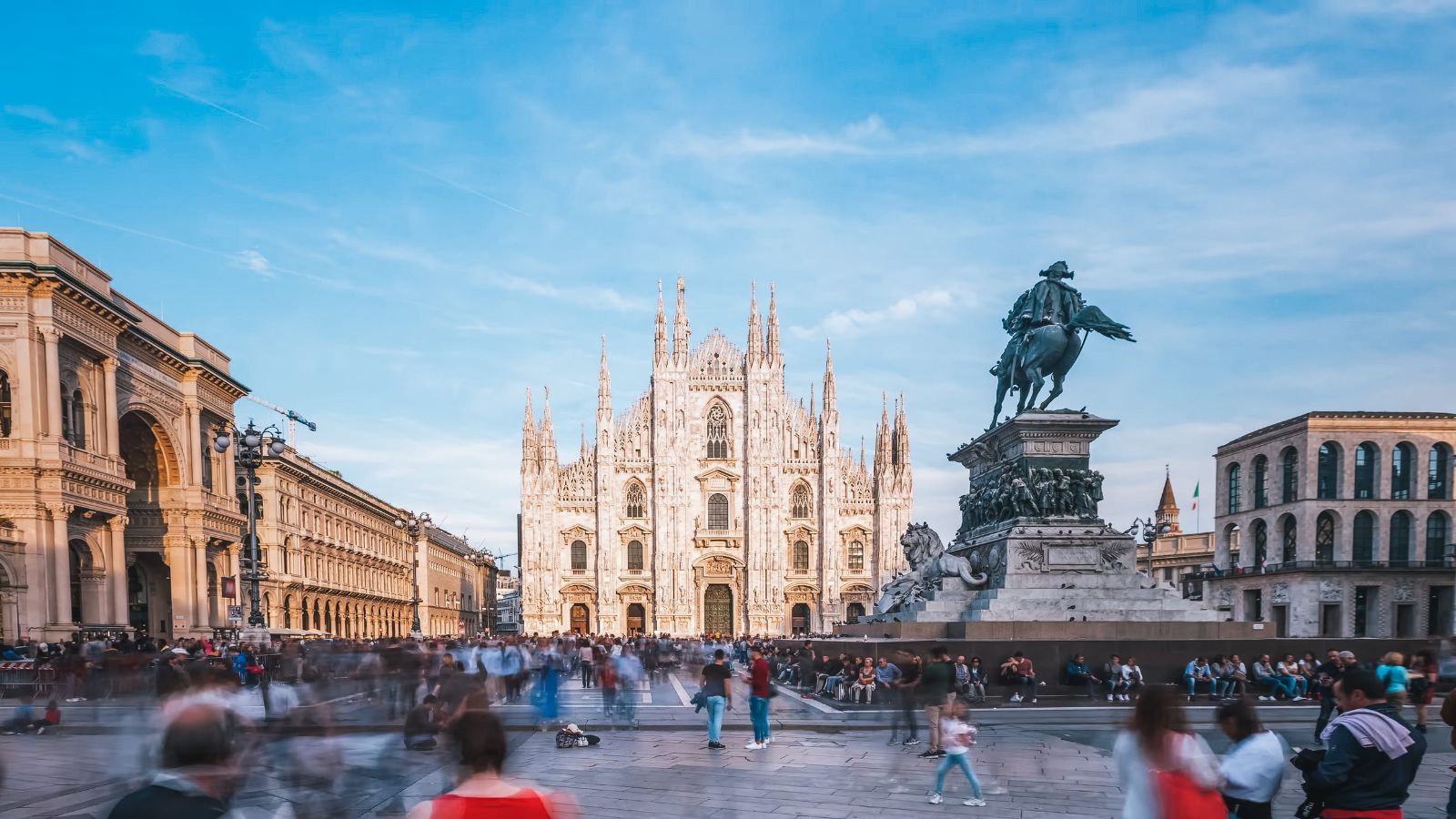
For visitors, this preservation creates something special.
Hotels, restaurants, and shops frequently occupy buildings that have stood for generations. Dining in a centuries-old structure or staying in a historic district adds a unique sense of atmosphere that newer destinations cannot easily replicate.
Europe’s architecture is not simply a backdrop for travel photos.
It shapes the pace, layout, and character of every visit. From winding streets to grand cathedrals, these historic structures create an environment where the past remains visible in everyday life.
And for many travelers, that sense of history becomes one of the most memorable parts of the entire journey.
