Is Flying First Class Really Worth It?
For many travelers, the idea of first class evokes luxury, is the wider seats, premium meals, dedicated service, and lounge access. But in practical terms, the question isn’t whether it feels nice, it’s whether it improves the travel experience in ways that matter to you. As travel becomes more personalized, the value of first class depends less on prestige and more on purpose. First class delivers its clearest benefits where comfort and ease truly matter, on long-haul international flights.
On flights that stretch eight hours or more, comfort isn’t just a bonus it affects how well we feel when we land. Standard economy seats cluster in tight rows, legroom is limited, and resting becomes a challenge. First class, with wider seats, greater recline (sometimes even fully flat beds), and more personal space, changes how rest happens at altitude. Sleeping, eating, or simply stretching out becomes more effective, which means arriving at the destination ready to explore rather than needing recovery time.
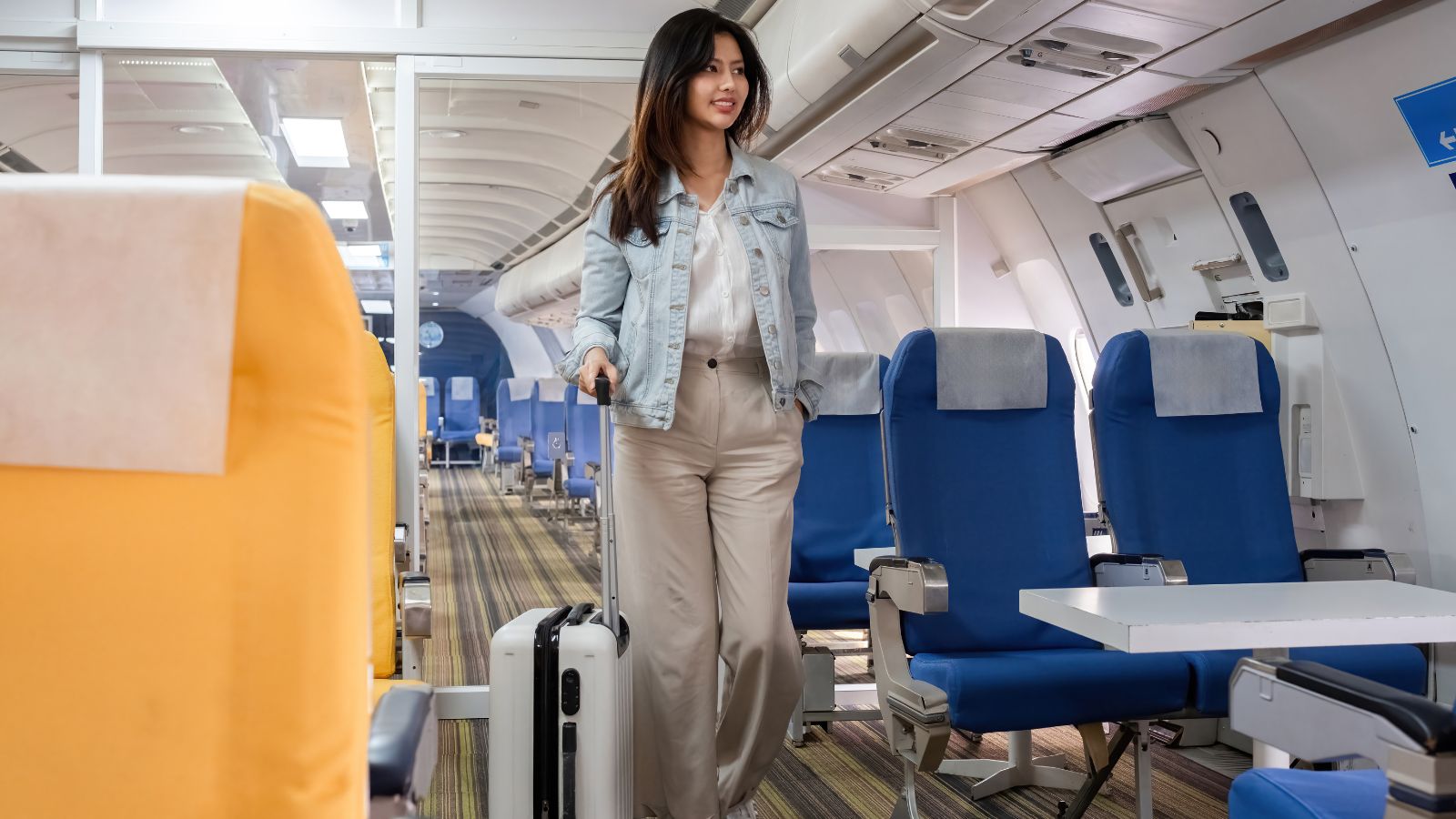
But even this calculation depends on the type of traveler we are. For trips where the flight itself is part of the experience, such as a milestone celebration, honeymoon, or once-in-a-lifetime journey, first class can feel like an extension of the occasion. In those cases, the premium often translates directly into memories rather than just mechanical comfort.
Beyond seating, there are practical perks. First class passengers usually board early, reducing stress in crowded terminals. Priority security lines and baggage handling mean less waiting and more certainty. Airport lounges provide a calm place to recharge before departure, especially on travel days where connections or long layovers are involved. These conveniences compound on complex itineraries, making the overall journey smoother.
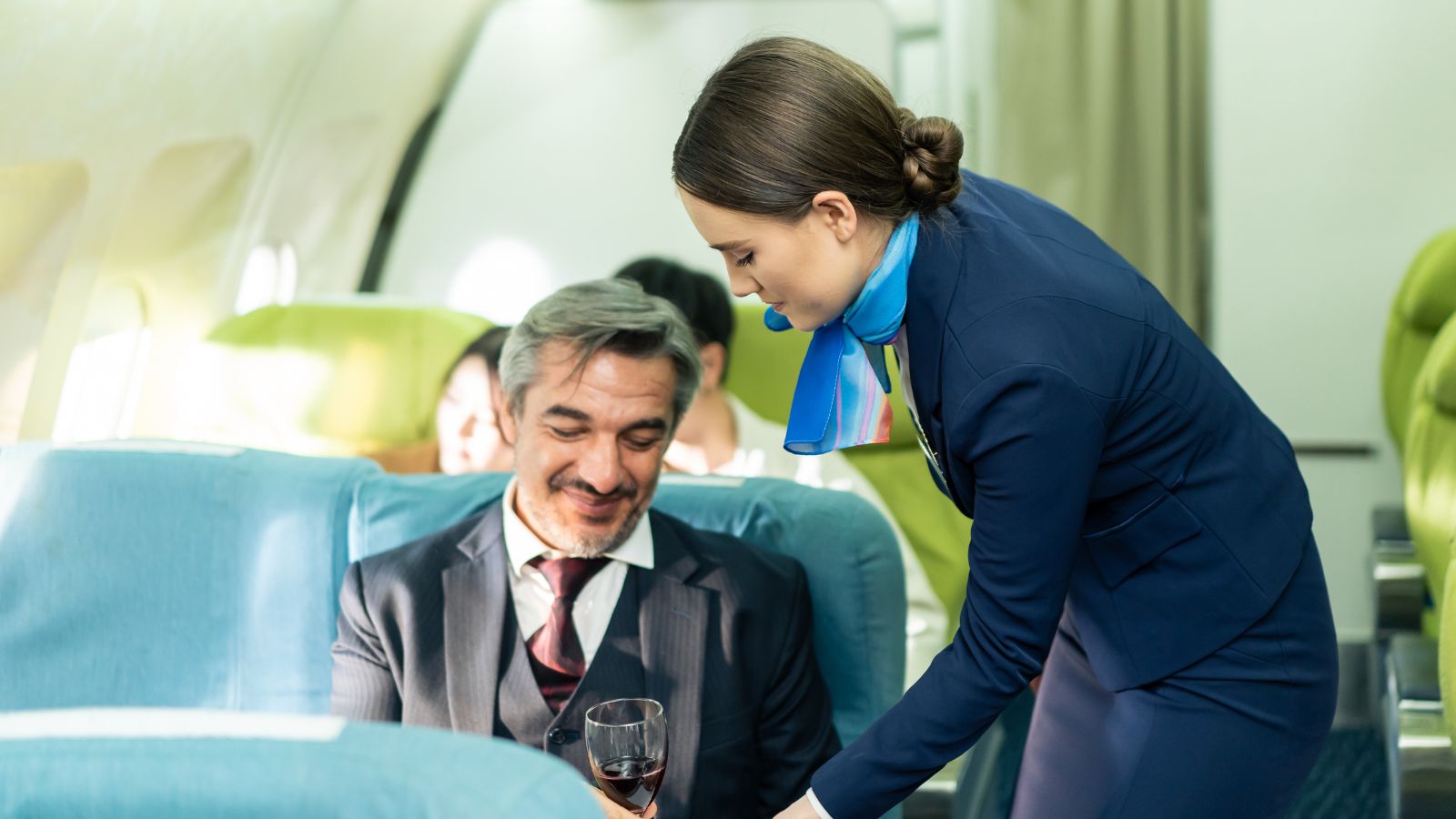
It’s also worth noting that paying full first-class fare is optional; many travelers upgrade using miles, status benefits, or special offers. When upgrades cost significantly less than the full fare difference, the value equation changes dramatically.
On shorter flights, the advantages shrink. Two-hour hops rarely justify an expensive upgrade, especially if sleep isn’t a priority and the flight is mainly transport rather than part of the travel experience.
Ultimately, the question of worth it isn’t universal, it’s personal. If arriving more rested, reducing stress, and enjoying enhanced service genuinely improve how we experience the trip ahead, then paying extra can be more investment than indulgence. If our priority is simply getting from point A to point B with minimal fuss, the economy can deliver perfectly well.
First class isn’t inherently essential. But in the right context, especially long journeys or special occasions it often proves its value the moment we step off the plane.
