It’s Not the Crowd That Affects Comfort, It’s the Timing
We often blame crowds for discomfort. Too many passengers. Too many guests. Too many people in one place. But in travel, it is often timing, not sheer numbers, that shapes how comfortable we feel.
A hotel at full occupancy can still feel calm at 3 p.m. when most guests are out exploring. The same property can feel chaotic at 11 a.m. when everyone checks out at once. The headcount has not changed. The timing has.
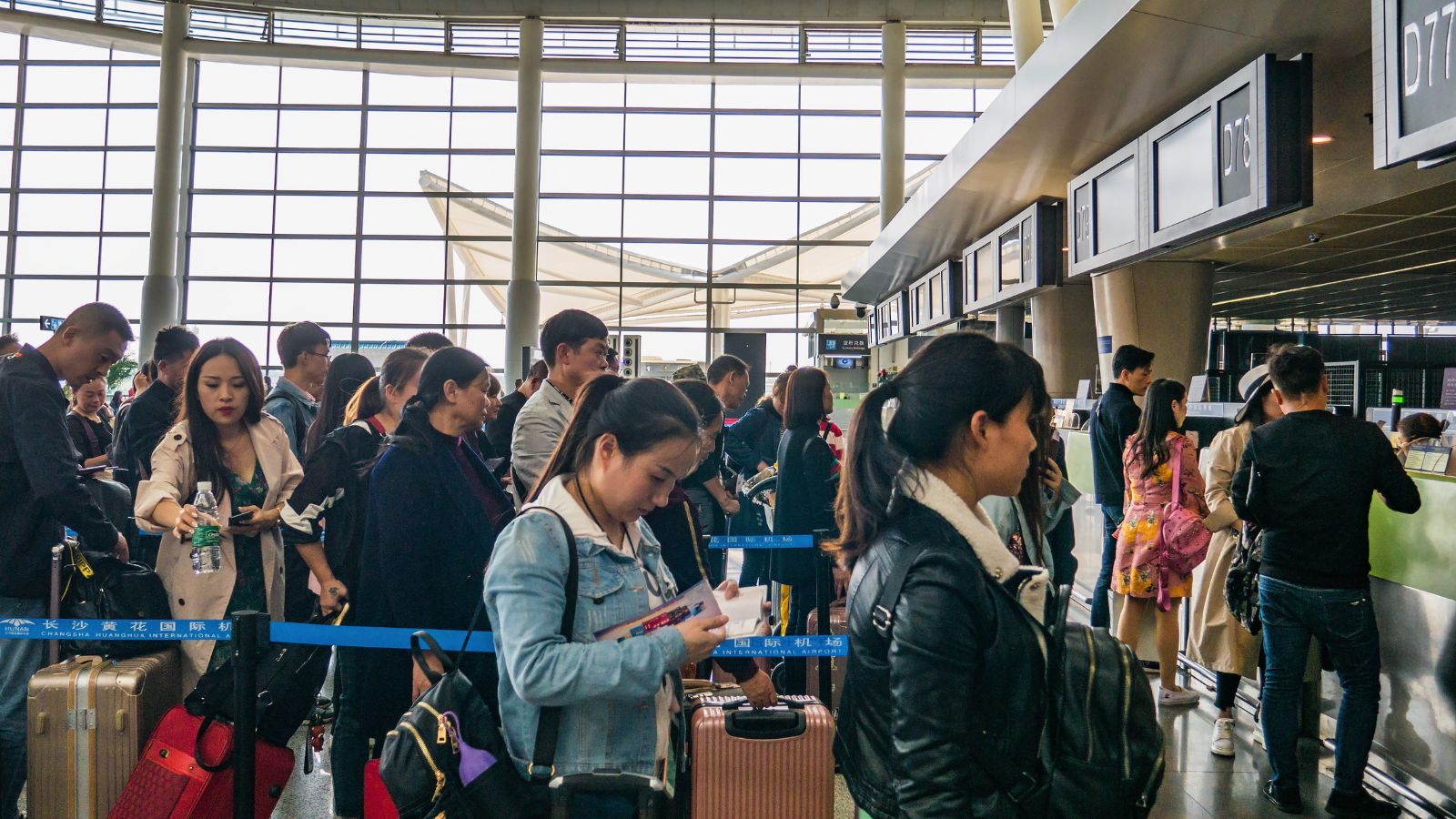
Airports work the same way. A terminal may serve thousands of travelers a day, yet feel manageable if flights are staggered. When multiple departures cluster within the same hour, lines grow. Security slows. Seating disappears. The stress comes from overlap, not volume.
Cruise ships offer another clear example. Even with thousands onboard, mornings can feel relaxed if shore excursions depart in waves. But when several tours disembark simultaneously, elevators jam and corridors crowd. The ship’s capacity remains constant. The rhythm shifts.
Even restaurants follow this pattern. Arriving thirty minutes earlier or later can mean the difference between a calm meal and a noisy rush. The space did not change. The timing did.
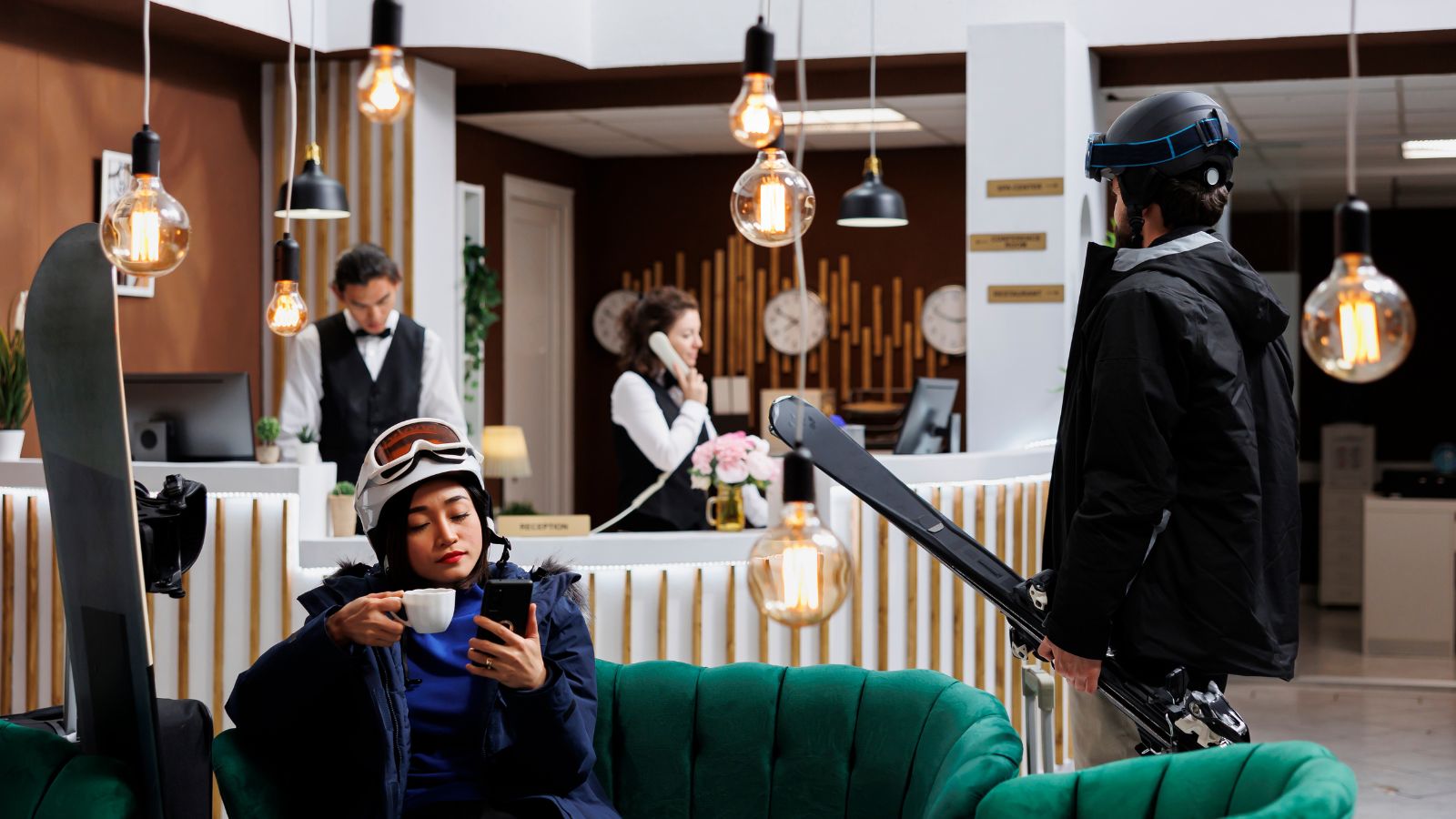
Understanding this gives us control. We can schedule spa appointments during port hours when others are ashore. We can board flights earlier in the day when delays ripple less dramatically. We can check into hotels outside peak arrival windows. Small timing decisions create noticeable breathing room.
Comfort is not just about how many people are traveling. It is about how their movements align. Peak moments amplify friction. Off-peak moments restore ease.
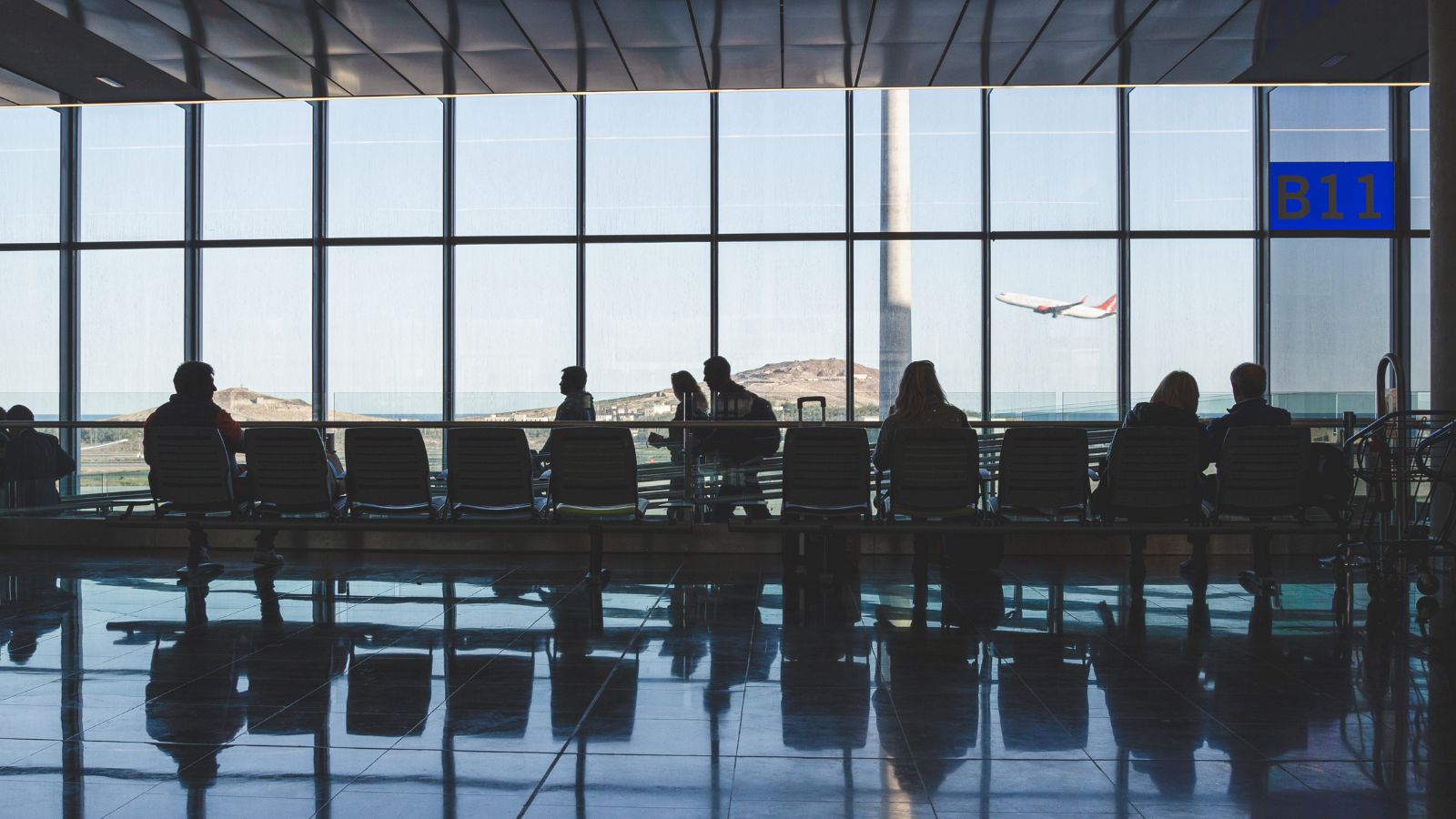
When we travel with attention to rhythm rather than numbers, spaces feel more spacious. Lines shorten. Noise softens. Service improves.
The world has not emptied out. We have simply stepped out of the surge. And sometimes, the most powerful way to upgrade a trip is not by paying for more space. It is by choosing a better hour.
