Language Barriers Can Feel Lonelier Than Travelers Expect
Travel often promises connection. We imagine conversations with locals, shared laughter in cafés, and friendly exchanges that make a place feel welcoming. But when we do not speak the local language, something quieter can happen instead. Even in crowded, beautiful destinations, we can feel unexpectedly alone.
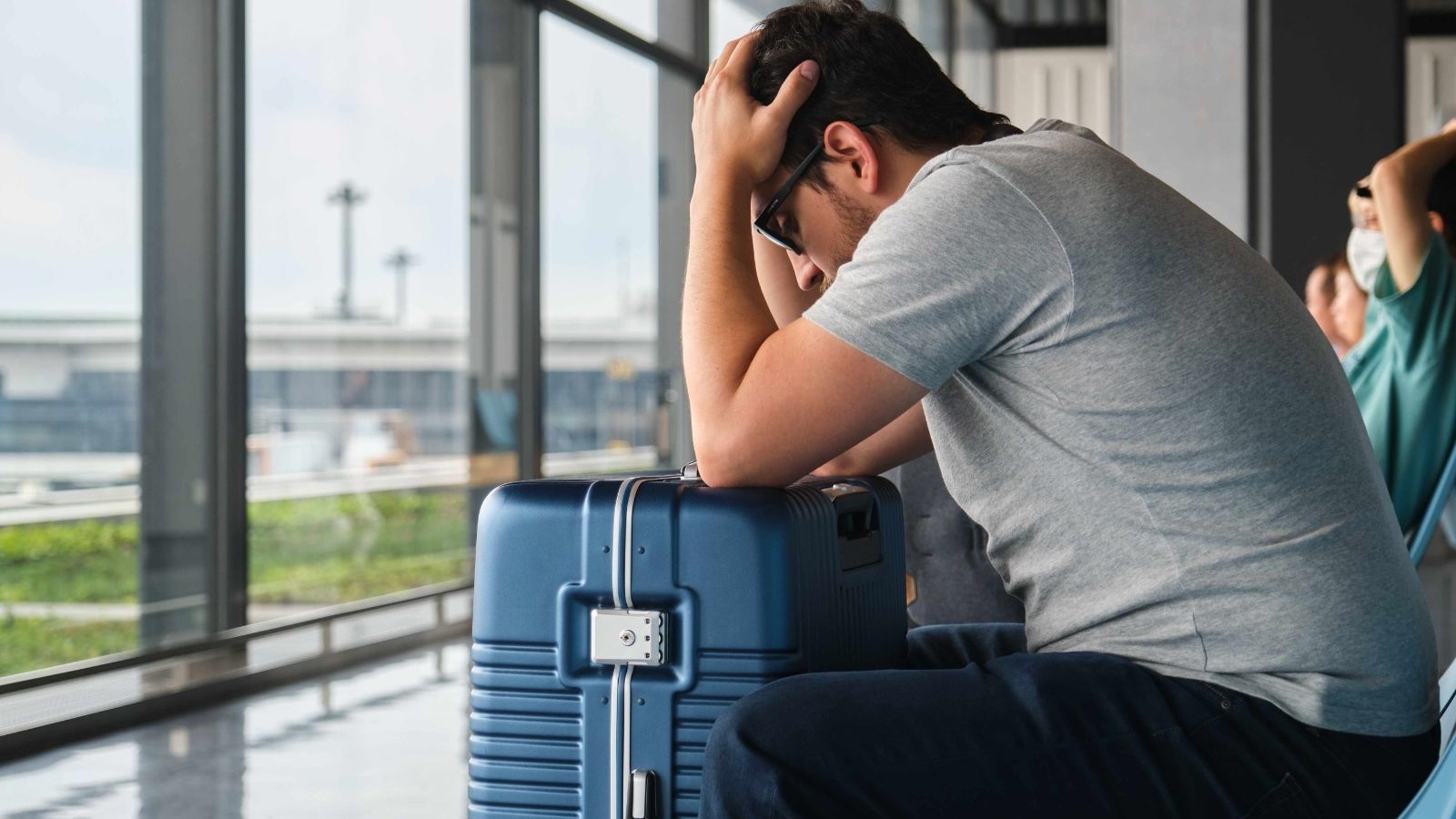
The loneliness does not come from being physically isolated. It comes from the difficulty of simple interaction. Asking for directions, ordering food, or clarifying a ticket can suddenly feel stressful instead of routine. When communication takes extra effort, we may avoid small exchanges that would normally help us feel grounded.
Language shapes how we participate in daily life. Without it, we become observers more than participants. We watch conversations around us but cannot easily join in. Humor, tone, and casual remarks often get lost. Over time, this creates a subtle sense of distance, even when people are kind and patient.
Small misunderstandings add up. A wrong bus stop, an order we did not expect, or confusion at a counter can make us more cautious about trying again. We may stick to familiar chains, rely heavily on translation apps, or limit conversations to what feels strictly necessary. While practical, this can shrink our world rather than expand it.
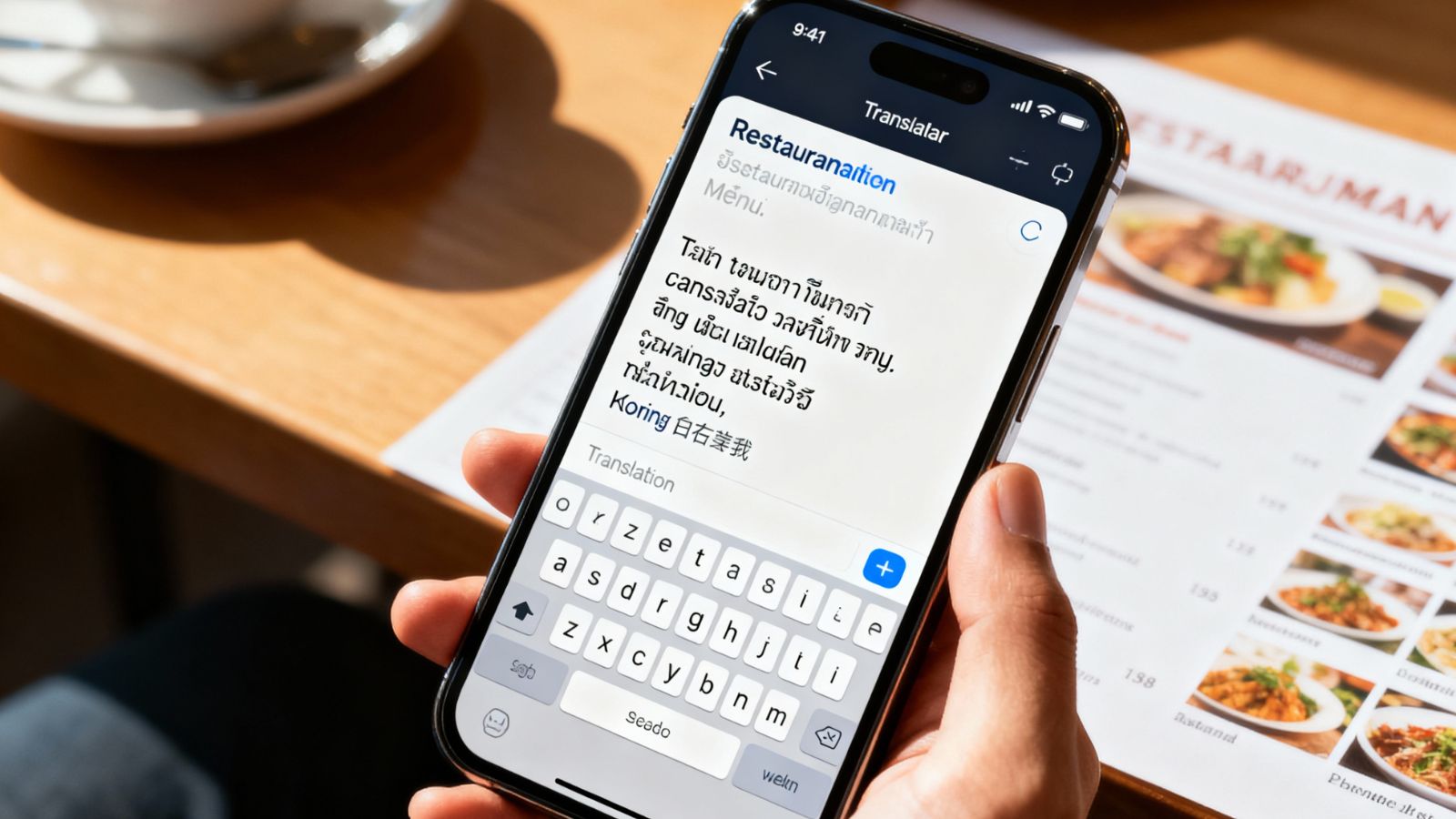
Group travel can soften the effect, but it does not erase it. Even when we are with a partner or friends, we still depend on others to interpret the environment. Not being able to read signs, follow announcements, or understand nearby conversations can create a background sense of disconnection.
This emotional side of language barriers is rarely discussed. We often prepare for logistics, currency, transportation and attractions, but not for how it feels to struggle with everyday communication. The result can be a quiet loneliness that surprises us in places we were excited to visit.
There are ways to ease it. Learning a few key phrases, using translation tools confidently, and choosing activities that encourage guided interaction can help. Even small successes, like completing a purchase in the local language, build a sense of belonging.
Language barriers can make travel feel lonelier not because people are unfriendly, but because communication is harder than we expect. Recognizing that feeling helps us approach it with patience and find ways to reconnect, even when words are limited.
