Long Lines Quietly Change the Emotional Tone of a Getaway
Few things seem as harmless as a line. It is ordinary. Expected. Part of travel. Yet long lines have a subtle way of reshaping the emotional atmosphere of a trip. Waiting alters momentum. When a day begins with anticipation and movement, energy feels expansive. Standing still for extended periods interrupts that rhythm. The body slows, but the mind often does not. You calculate time lost. You reassess plans. You wonder whether the next reservation will be affected.
Uncertainty amplifies tension. Not knowing how long the wait will last keeps stress slightly elevated. Five minutes feels manageable. Forty-five minutes feels personal. The lack of control, more than the delay itself, changes the mood.
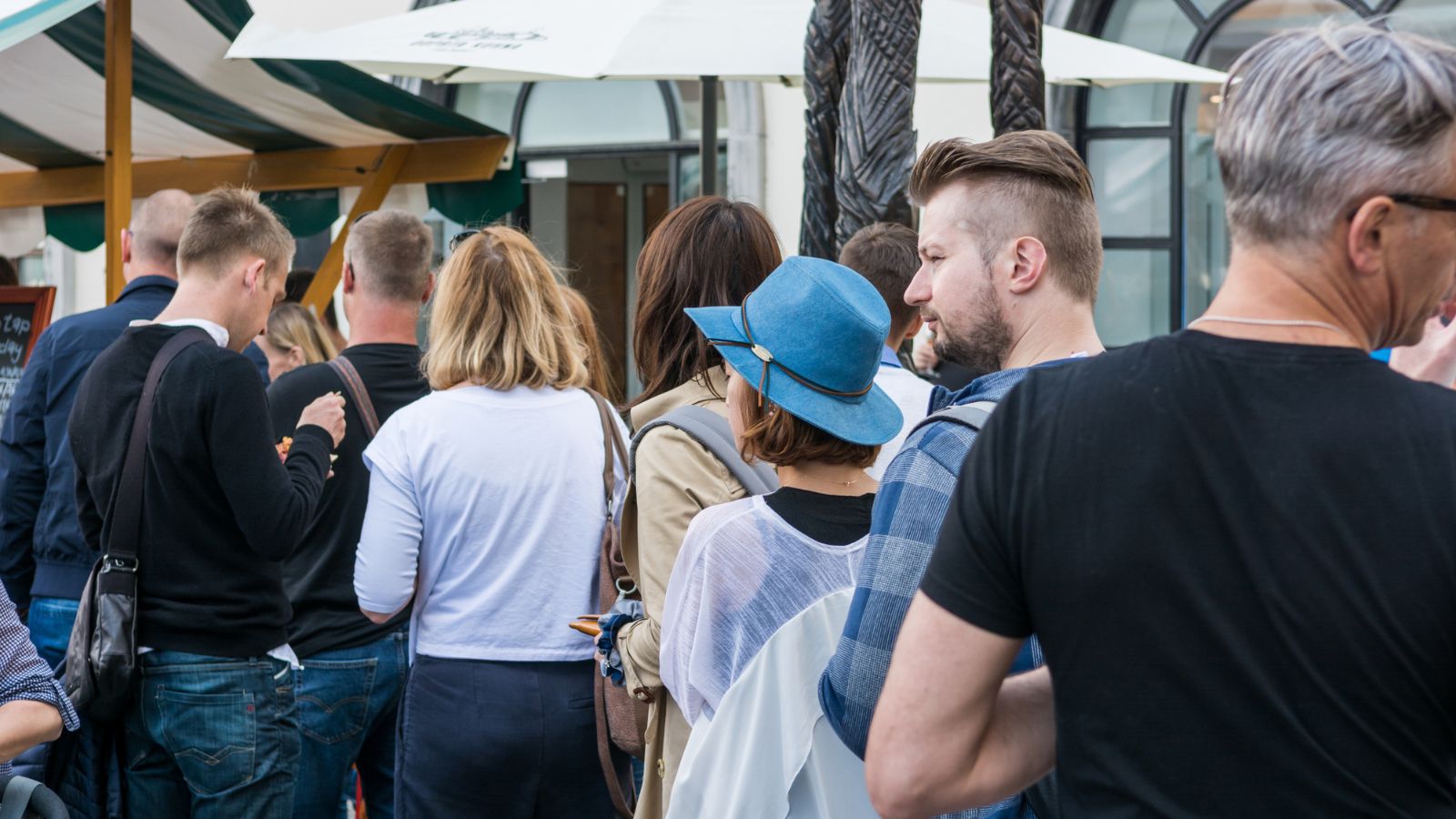
Lines also magnify physical discomfort. Heat, crowding, hunger, and fatigue become more noticeable when there is nothing else to focus on. Small irritations grow sharper. Patience thins quietly. For couples or groups, long waits can expose differences in tolerance. One person may shrug it off. Another may feel restless or frustrated. Without realizing it, the emotional tone shifts from shared excitement to subtle strain.
The irony is that lines often precede memorable experiences. A museum, a scenic overlook, a popular café. Yet by the time you reach the front, energy may already be depleted. The experience that follows has to compete with the fatigue created by waiting.
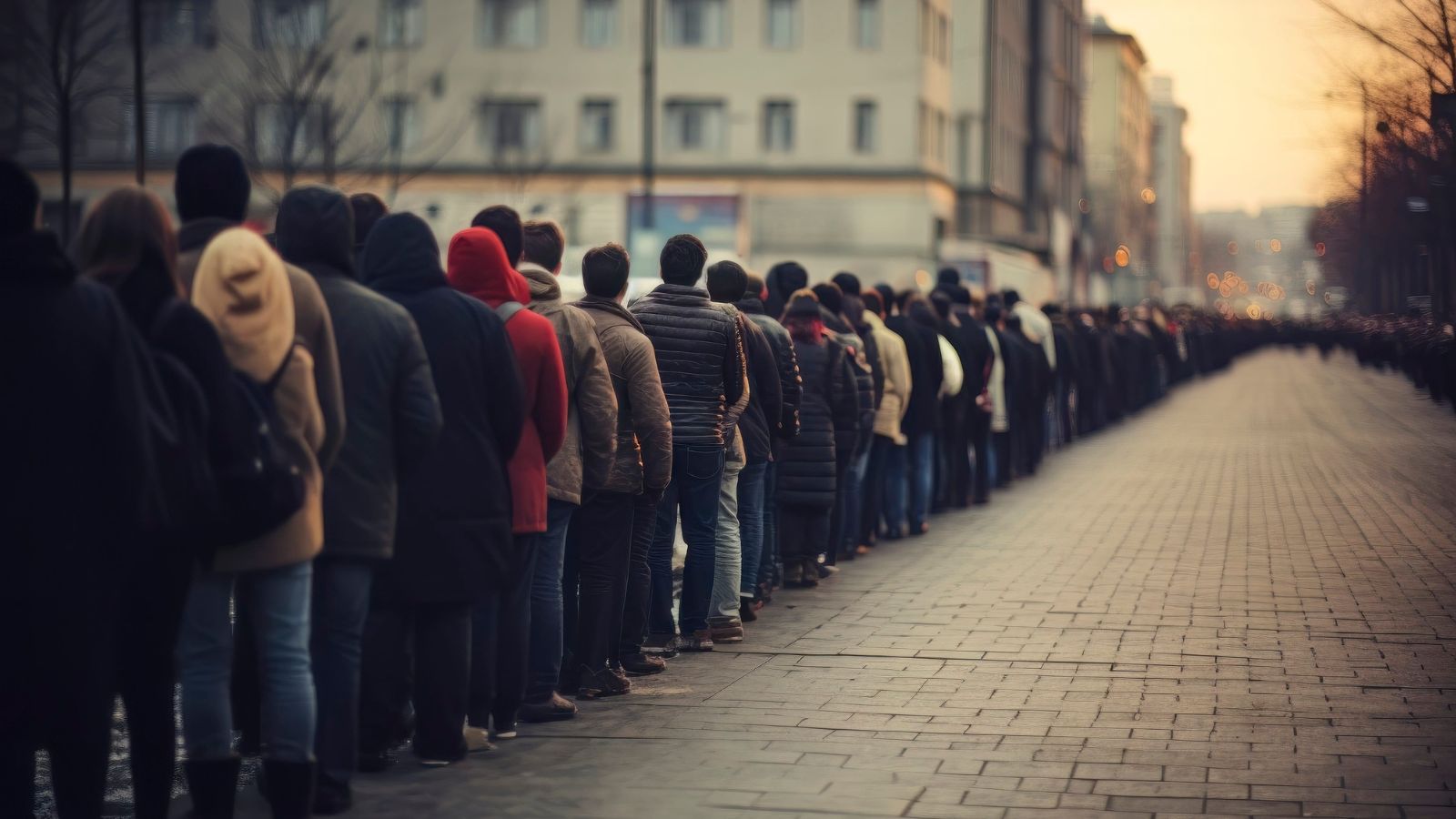
Long lines also create a psychological narrowing. Instead of noticing surroundings, conversation centers on logistics. How much longer. Should we leave. Is it worth it. The present moment becomes something to endure rather than enjoy. Small buffers help. Scheduling fewer fixed commitments reduces pressure when delays happen. Bringing water or snacks protects mood and energy. Choosing off-peak hours shifts the experience entirely.
Most importantly, adjusting expectations softens the impact. Lines are rarely personal. They are signals of popularity, timing, or season. Reframing the wait as part of the journey rather than a disruption changes the internal response. A getaway is not only shaped by destinations. It is shaped by transitions between them.

Long lines may seem minor, but they quietly influence pace, patience, and perception. Recognizing their effect allows you to guard the emotional tone of the trip, rather than letting it slowly erode while standing still.
