Maximize Every Minute Sounds Smart, Until It Isn’t
On paper, maximizing every minute of a trip feels efficient. Flights are expensive. Time off is limited. The instinct to use every hour wisely seems responsible. Yet what begins as smart planning can quietly erode the very experience we hoped to enjoy. The trouble starts with compression.
When each day is filled from morning to night, there is no buffer for reality. Transportation takes longer than expected. Lines form. Weather shifts. Even pleasant surprises disrupt tightly packed plans. Without margin, small changes feel like setbacks instead of part of the journey.
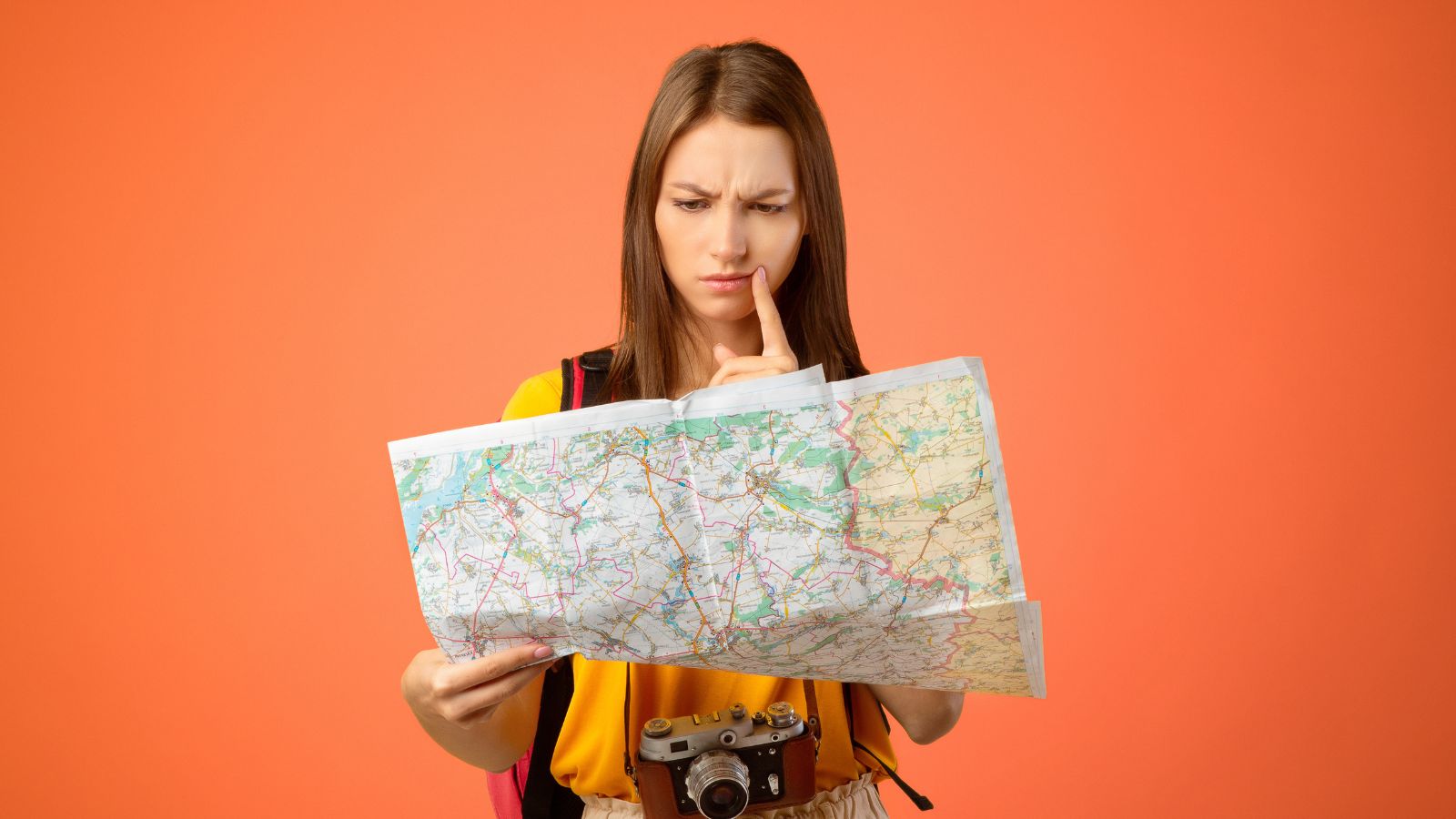
Constant activity also keeps the body in performance mode. Waking early for tours, navigating crowded streets, monitoring reservations, and tracking schedules all require attention. Even enjoyable experiences demand energy. When stimulation never pauses, exhaustion accumulates beneath the surface.
There is a psychological cost as well. A packed itinerary turns the trip into a checklist. Instead of absorbing a place, we move through it. Photos replace presence. Completion replaces curiosity. We begin measuring progress rather than noticing detail.
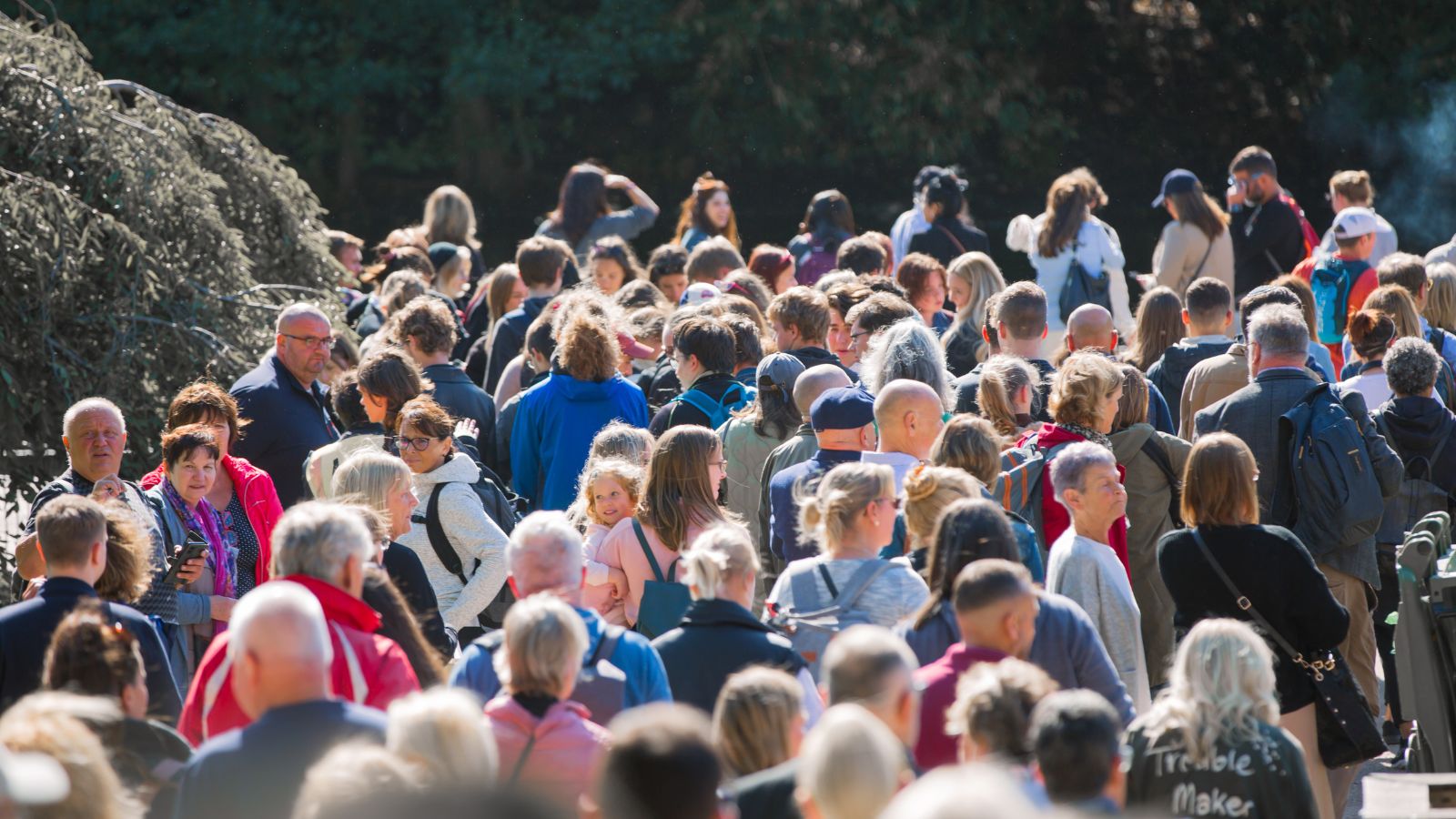
Ironically, memory favors the opposite approach. The moments that linger tend to be unhurried. A long meal without watching the clock. A quiet walk at sunset. An unexpected conversation. These experiences require space. They cannot be rushed or stacked back to back.
Relationships feel the strain too. When time feels scarce, patience shortens. Minor delays feel magnified. Differences in energy levels become sharper. What should feel shared begins to feel managed. Efficiency has its place in travel. Strategic planning prevents chaos. But there is a difference between structure and saturation. One guides the day. The other controls it.
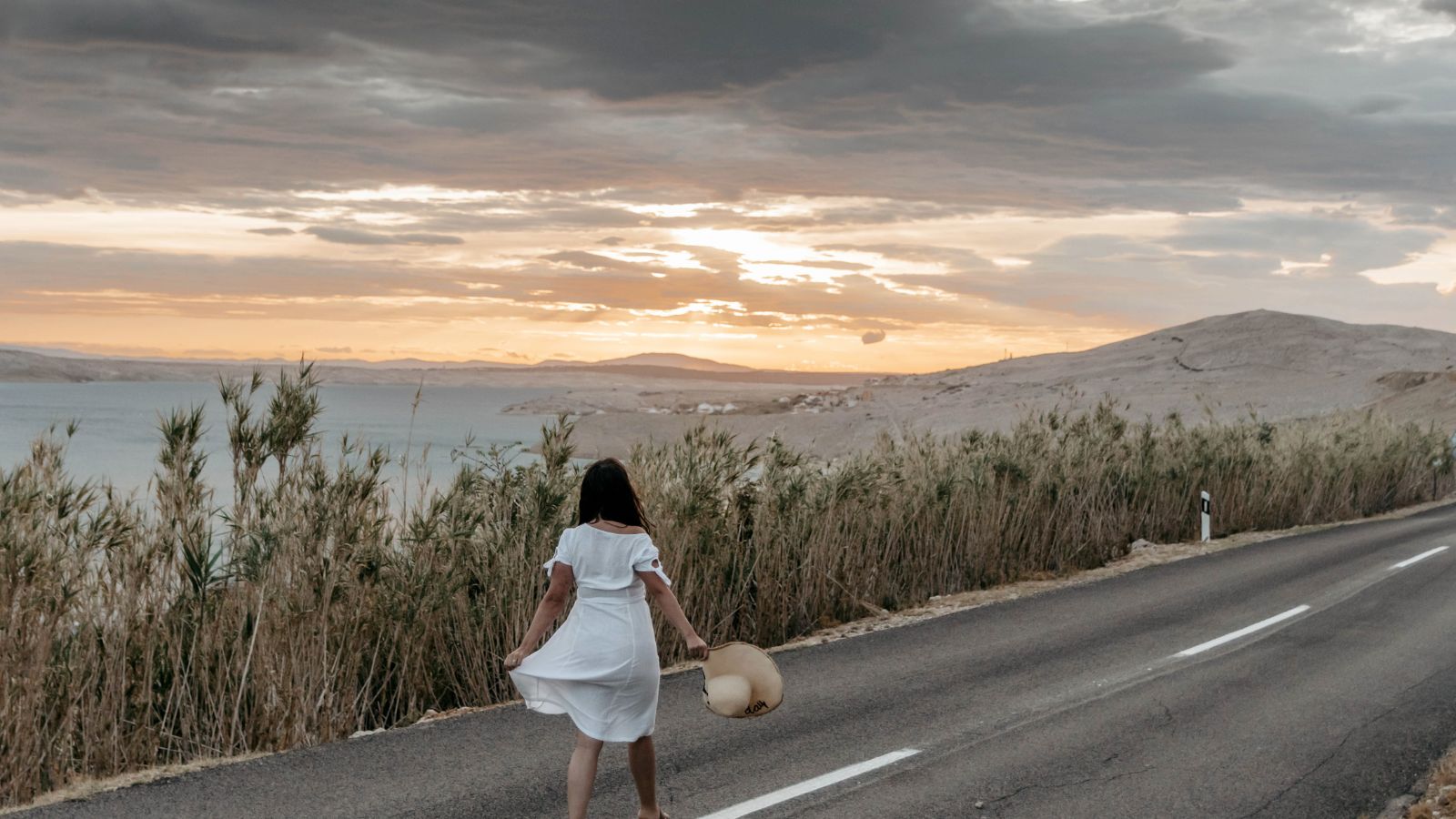
Experienced travelers understand that leaving time unassigned is not wasteful. It is protective. Open hours create flexibility. They allow mood, weather, and curiosity to influence the day. That adaptability often leads to the most meaningful discoveries.
Maximizing every minute sounds disciplined. In reality, it often creates pressure. Travel works best when it balances intention with ease. When we allow space between plans, the destination has room to breathe. And so do we.
