Overpacking an Itinerary Can Trigger Arguments by Day Three
There is a particular optimism that happens while planning a trip. We look at a map and think, that’s walkable. We glance at a list of attractions and think, we can fit that in. We stack reservations like trophies, convinced that productivity equals pleasure. The calendar fills. The confirmations roll in. It feels efficient. It feels impressive. It even feels responsible.
Until day three. Day one feels electric. Day two feels productive. By day three, someone is annoyed. It is rarely about the museum. Or the restaurant. Or the walking tour booked weeks in advance. It is about pace.
Overpacking an itinerary creates a quiet pressure that builds invisibly. When every hour is assigned, every reservation prepaid, and every attraction marked as must-see, the trip stops breathing. And when a trip cannot breathe, neither can the people on it.
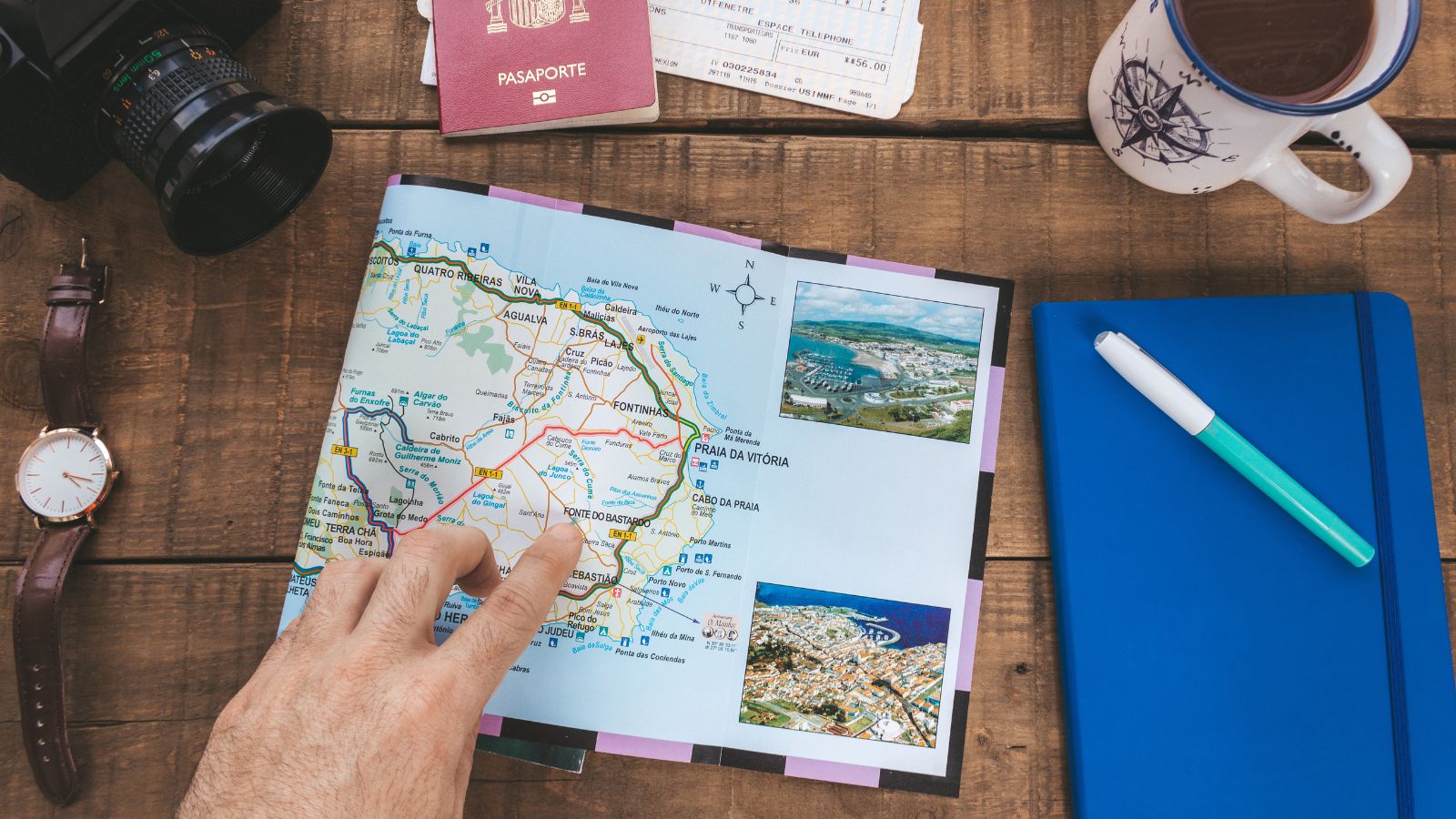
The first two days usually run on adrenaline. New surroundings energize us. Jet lag hasn’t fully landed. Motivation is high. We want to maximize the experience. We wake up early. We move quickly. We say yes to everything.
By day three, the body catches up. Sleep debt accumulates. Feet ache. Decision fatigue sets in. Yet the schedule remains rigid. There is a timed entry at 10:00. A lunch reservation at 12:30. A tour at 2:00. A show at 7:00. Falling behind by 20 minutes feels like failure.
That is when friction begins. One person wants to push through. Another wants a break. One sees the schedule as commitment. The other sees it as pressure. Neither is wrong. But the packed itinerary leaves no room for compromise.
Overplanning also removes autonomy. When every activity is pre-selected, spontaneous choices disappear. The café that looks inviting is skipped because it is not on the list. The park bench break feels indulgent rather than restorative. The trip becomes performance, checking off rather than soaking in.

We recommend designing for flexibility, not perfection. Schedule one anchor activity per day. Leave open space around it. Protect at least one afternoon with no reservations at all. Build in buffer time between neighborhoods. Accept that not seeing everything is part of seeing something well.
Travel is shared energy. When that energy is managed thoughtfully, tension rarely escalates. But when the schedule runs tighter than patience, small disagreements expand quickly.
We overpack itineraries to make the trip unforgettable. Yet it is often the unscheduled moments, the slow lunch, the unexpected detour, the decision to skip that hold the best memories. By day three, it is not the destination testing us. It is the pace we chose.
