Returning to the Same Beach Years Later Tells a Different Story
The first time we visit a beach, everything feels immediate, the color of the water, the warmth of the sand, the novelty of being somewhere new. We measure the experience in sunsets, photos, and how quickly the days seem to disappear. But returning years later shifts the perspective entirely. The beach may look the same, yet the story it tells feels different.
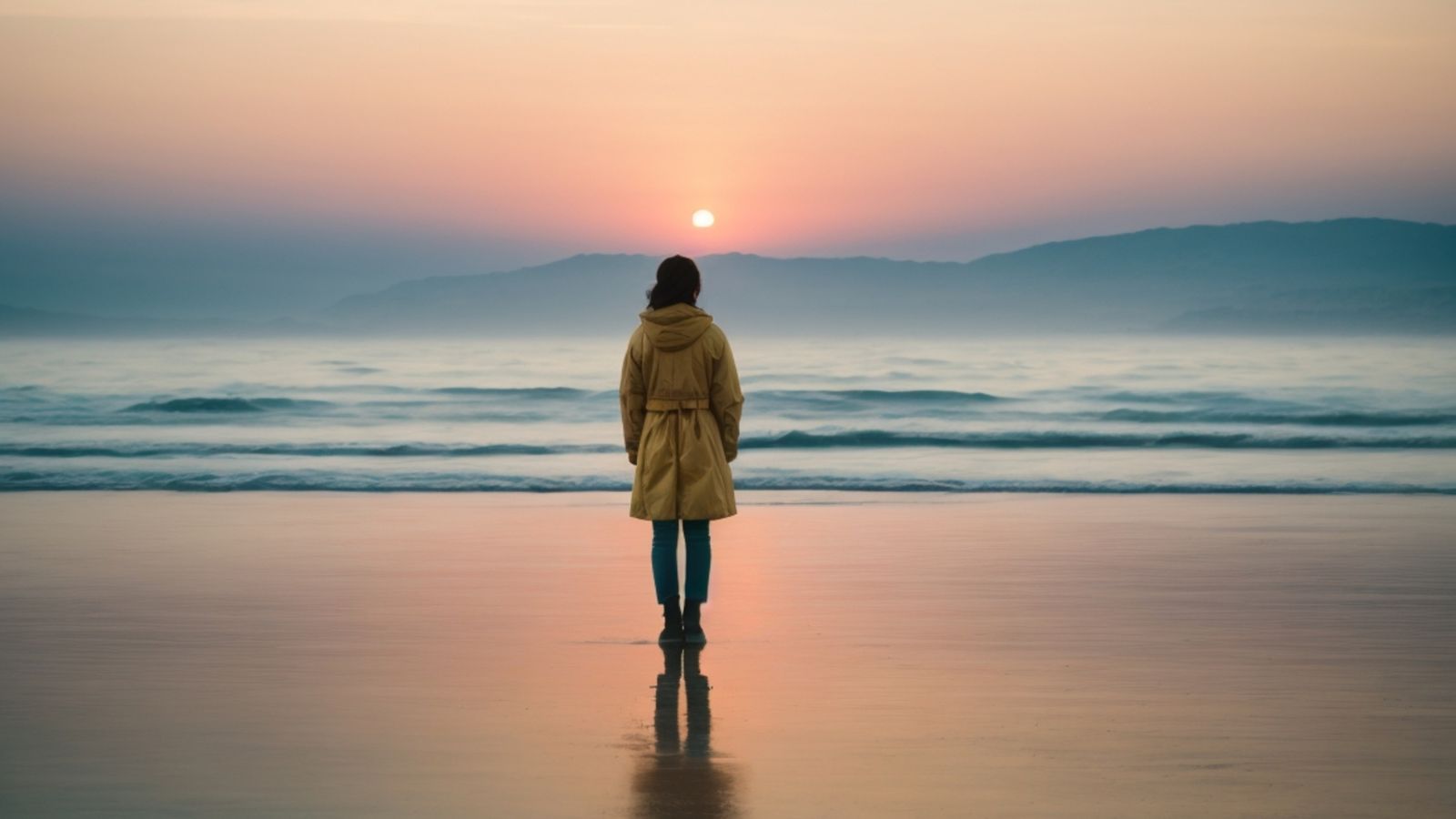
Familiarity changes what we notice. Instead of scanning for the best photo angle, we recognize the curve of the shoreline or the way the tide pulls back in late afternoon. We remember where the waves break strongest or which stretch of sand stays quiet. The place hasn’t transformed dramatically; our relationship to it has. What once felt exciting now feels grounding.
Time also reveals subtler shifts. Perhaps new resorts line the edge of town, or a once-hidden café is now widely known. Maybe erosion has altered the dunes, or a boardwalk has been rebuilt after a storm. These changes don’t necessarily diminish the beach but they remind us that even the most serene landscapes are not frozen in time.

More than anything, it’s we who have changed. The second or third visit often carries less urgency. We’re less focused on doing everything and more willing to sit still. The beach becomes less of a checklist destination and more of a reference point, a place we measure our own growth against. The same stretch of sand can hold entirely different meanings depending on where we are in life.
Memories layer themselves onto the scenery. We remember who we were with, what conversations happened under umbrellas, what music played softly from nearby speakers. Returning doesn’t erase those moments; it deepens them. The beach becomes a timeline as much as a landscape.

In the end, revisiting the same beach isn’t about chasing the exact feeling of the first trip. It’s about witnessing continuity. The waves still arrive. The tide still recedes. And somewhere between then and now, both the shoreline and our perspective have quietly evolved telling a richer story than either could alone.
