Rising Regional Conflicts Are a Signal to Reconsider Travel Plans
Travel feels most rewarding when we arrive relaxed and ready to explore. Yet recent global events remind us that the world can shift quickly. When regional conflicts rise, they do not stay neatly contained. Their effects often ripple into surrounding countries, airspace, and travel systems. These developments are not reasons to cancel every trip. They are signals to reconsider plans with care.
First, conflicts can disrupt flight routes. When nations restrict airspace for safety, airlines reroute aircraft. What looked like a direct flight can turn into multiple connections. Travel times lengthen. Layovers shift. Costs can rise. Routes that once felt convenient may become impractical. Before confirming any long-haul booking, we check the latest airline advisories and route changes. A peaceful destination can still feel distant if transit becomes complicated.
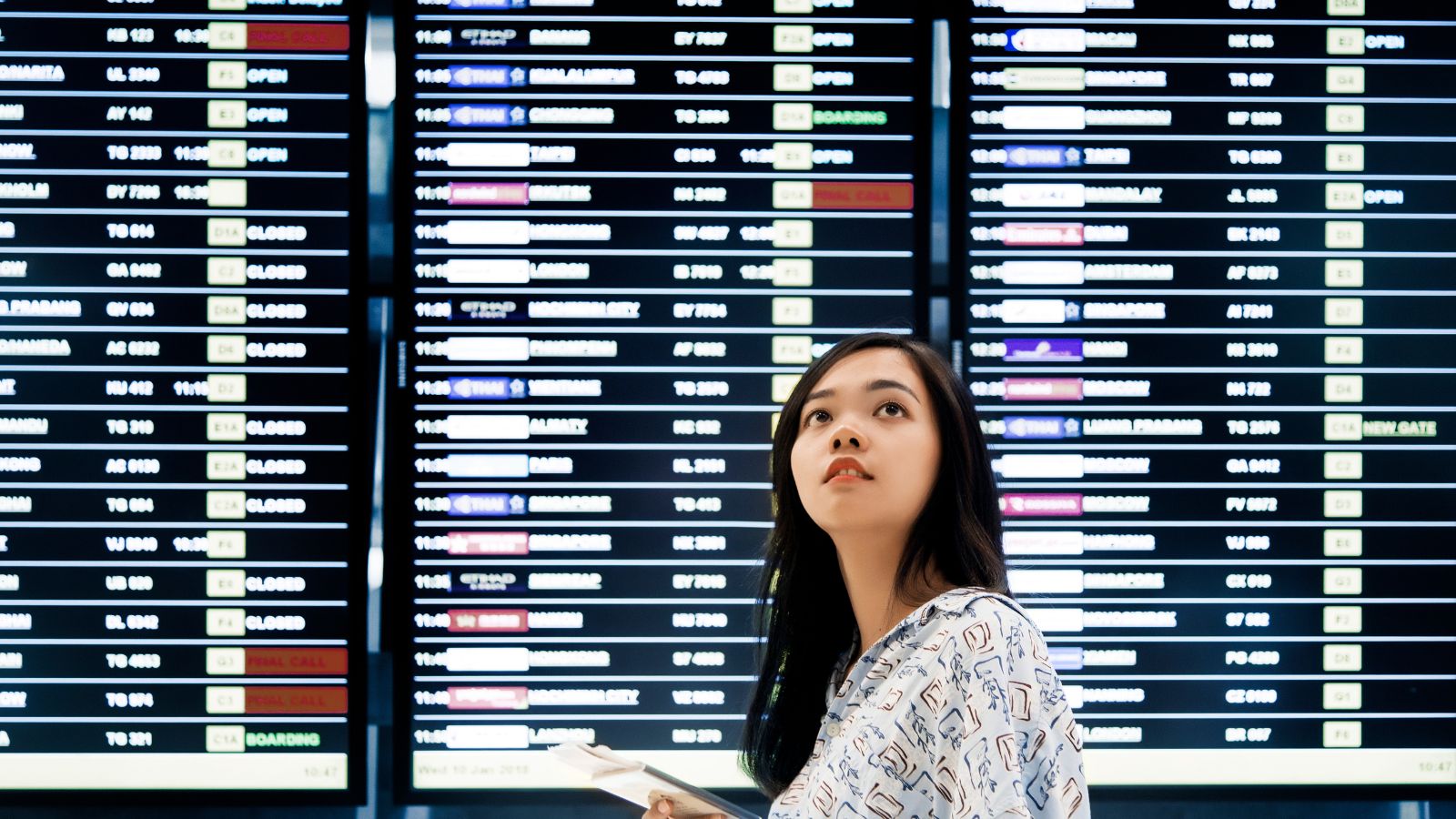
Border closures are another consideration. Even if your chosen city is stable, nearby hostilities can lead to neighboring borders tightening security or temporarily shutting entry points. Land travel between countries may require detours or permits. Infrastructure like ferries and trains may operate on reduced schedules. These changes add stress and unpredictability. They can turn a seamless itinerary into a logistical puzzle.
Travel insurance policies can also shift in response to regional instability. Many plans exclude coverage if a government advisory was in place before purchase. If authorities elevate warnings for a region, medical, evacuation, and cancellation protections may be limited. That is a critical detail. We recommend purchasing insurance early and reviewing fine print for exclusions tied to unrest or advisories.
Security protocols at airports and checkpoints tend to tighten when regional tensions rise. Additional screening, baggage checks, and passport verifications become more frequent. These measures protect travelers, but they also extend processing times. Booking early departures and allowing generous transfer windows reduces anxiety and keeps the schedule flowing.
There is an emotional aspect as well. Even when a destination remains safe, the atmosphere can feel influenced by nearby events. Local media, community sentiment, or increased military presence can change the tone of a place. We respect these cues. Travel is more fulfilling when curiosity coexists with comfort and confidence.

Reconsidering plans does not mean retreat. It means choosing timing, routes, and destinations with awareness. When conflict indicators appear near a planned trip, we pause. We gather facts. We consult official advisories. We compare alternatives.
Travel is meant to expand perspective, not test resilience under strain. Rising regional conflicts are not automatic trip enders. They are meaningful prompts to plan smarter and travel with intention.
