Scenic Rooms Photograph Well but Sleep Poorly
A dramatic view can sell a room instantly. Oceanfront. Skyline. Mountains at sunrise. The photos look stunning. The reality at night can feel different. We book the view expecting tranquility. What we sometimes get is exposure.
Scenic rooms are often positioned for visibility, not rest. Large windows invite light long before sunrise. Even with blackout curtains, edges leak brightness. Early morning light interrupts sleep cycles faster than we expect.
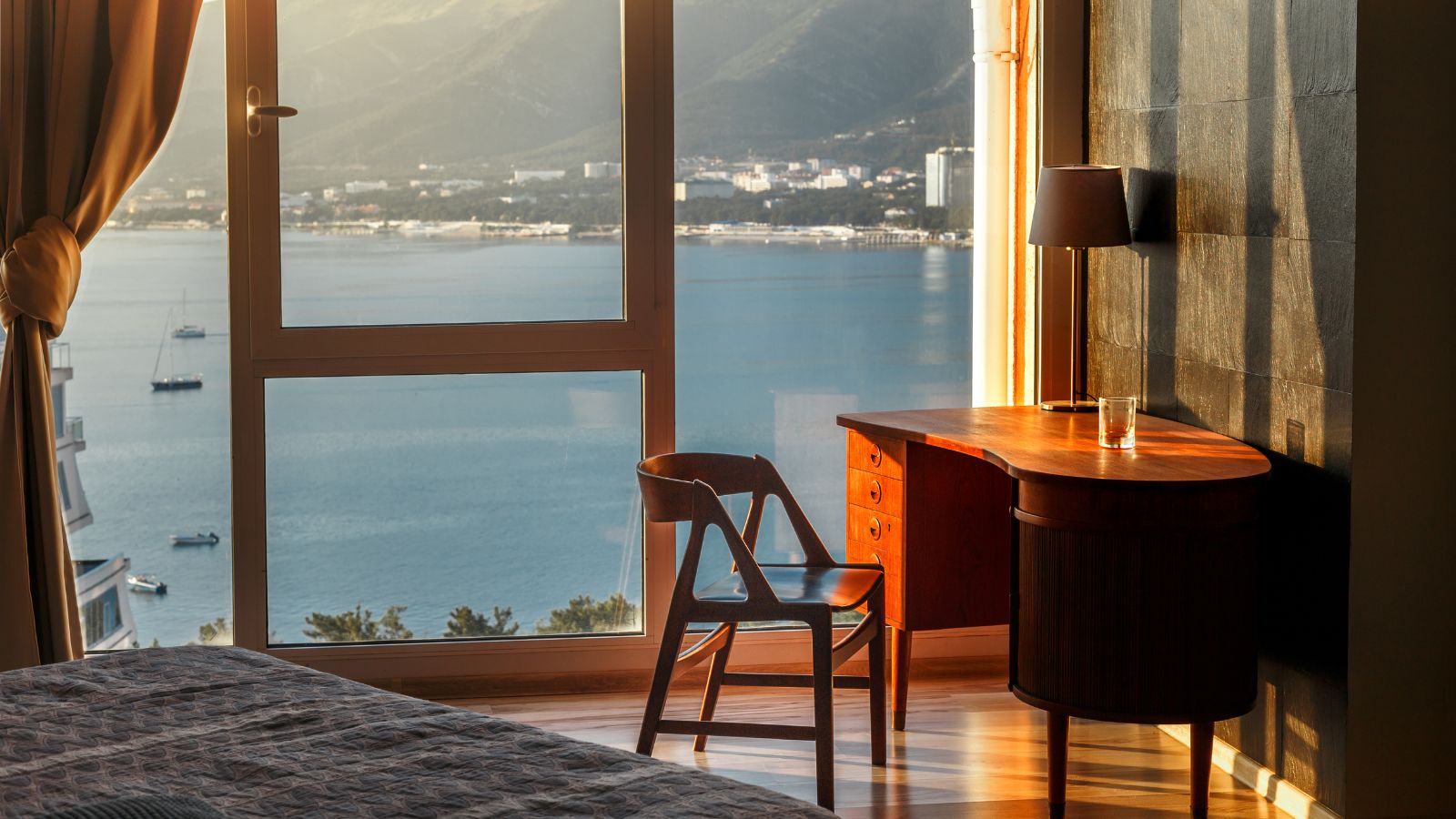
Noise travels differently in prime locations. Oceanfront rooms carry wind and wave impact. City view rooms absorb traffic, sirens, and nightlife. Higher floors near rooftop bars or mechanical systems introduce vibration and late evening activity. The scenery may be peaceful. The sound rarely is.
Temperature control can also suffer. Expansive glass surfaces struggle with insulation. Rooms facing direct sun heat up quickly during the day and retain warmth at night. Climate systems work harder, and sometimes louder. Light sleepers notice immediately.
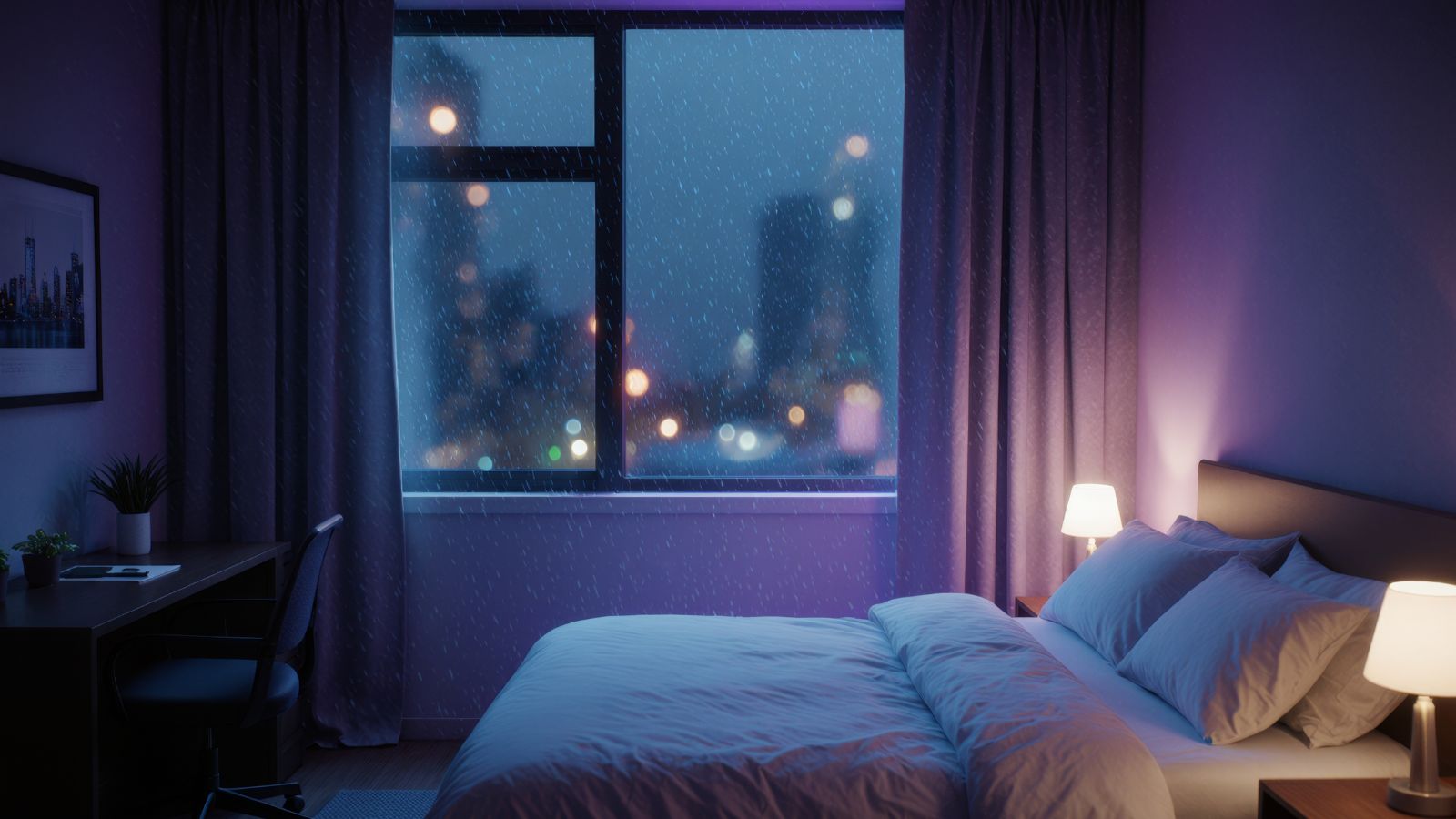
Layout plays a role. In many scenic rooms, the bed is positioned toward the window to maximize the view. That means more light exposure and sometimes less wall insulation. Corners with panoramic glass may reduce usable wall space, limiting sound buffering.
We also tend to spend more time near the window. Curtains open and close repeatedly. Light spills in. Street noise creeps up. The very feature we paid for becomes the source of subtle disruption. None of this means we should avoid scenic rooms. It means we choose them strategically.
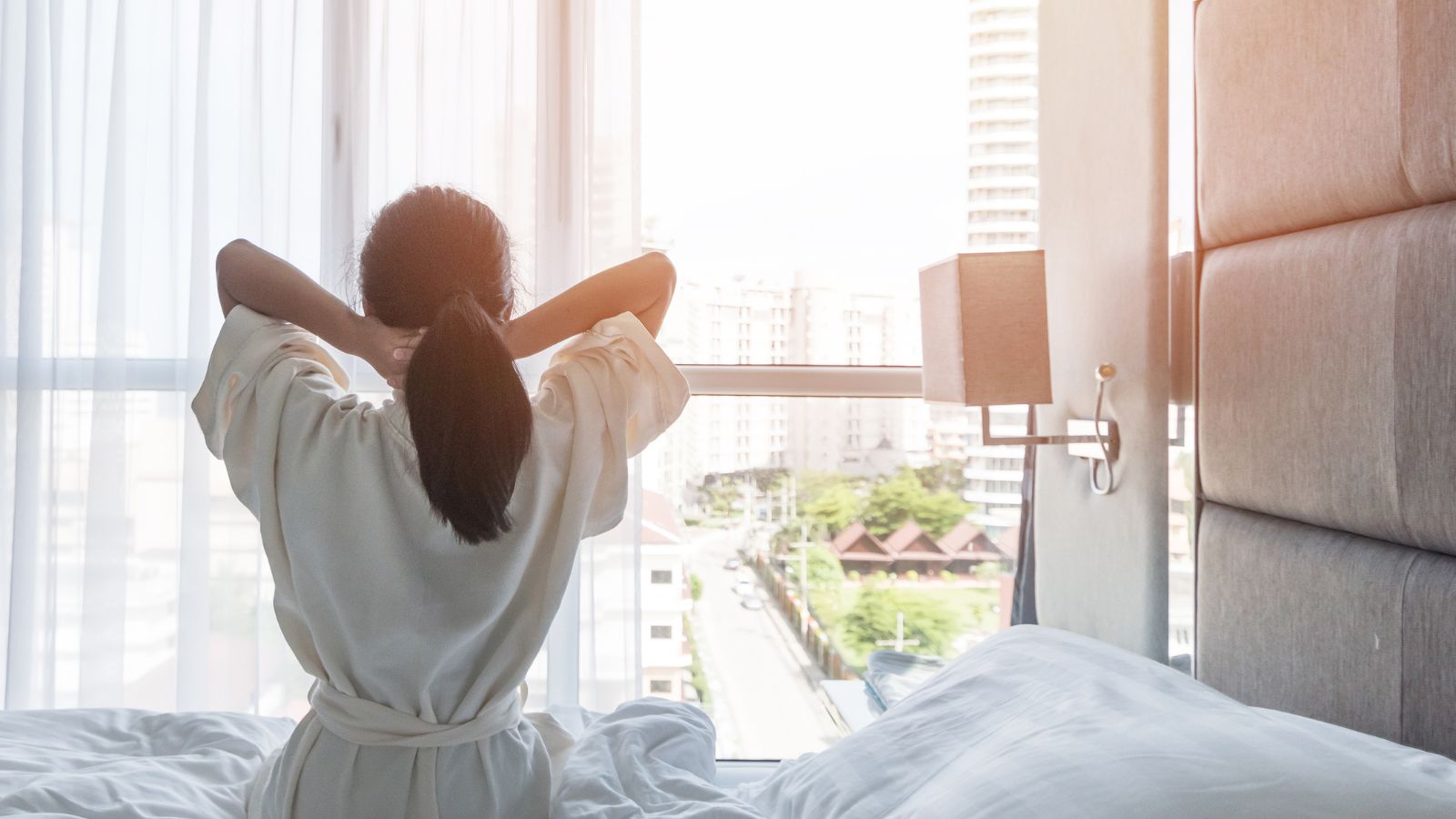
If sleep is the priority, we request higher floors away from elevators and bars. We confirm blackout curtains. We pack a sleep mask. We bring earplugs. Small preparations protect rest.
If the trip centers on romance or relaxation, quality sleep matters more than social media appeal. A well-rested morning shapes the entire day. A restless night lingers.
We can also balance the choice. Book the view for shorter stays. Choose quieter courtyard-facing rooms for longer trips. Ask the front desk about noise patterns before settling in.
A beautiful photo lasts seconds. Rest affects the entire experience. Scenic rooms impress in daylight. Sleep quality determines how we feel the next morning. The smartest choice is not always the most photogenic. It is the one that lets us wake up restored.
