Shoulder Season Trips Often Feel Smoother Than Peak Season Travel
We tend to assume that the best time to travel is when a destination is at its most popular. Clear skies, festivals, and perfect conditions sound appealing on paper. But in practice, peak season often brings something else with it, crowds. That’s why shoulder season trips, those weeks just before or after the busiest period often feel noticeably smoother.
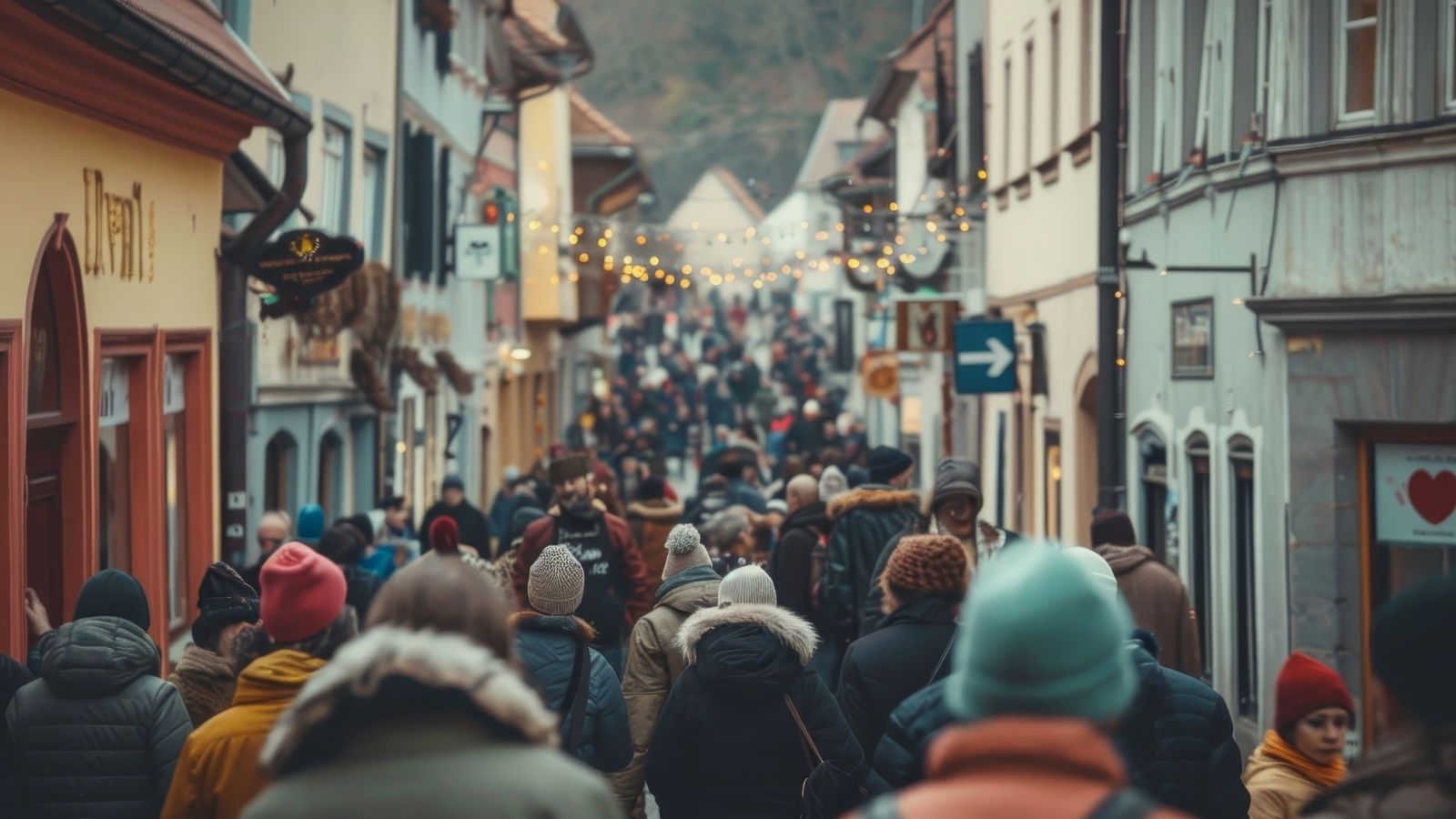
The biggest difference comes down to how much space we have to actually enjoy where we are. During peak season, popular viewpoints, museums, restaurants, and even sidewalks can feel packed. We spend more time waiting in lines, navigating through tour groups, and adjusting plans around reservations that book out weeks in advance. Even simple moments, like taking a quiet walk or sitting down for coffee, can turn into logistical exercises.
In shoulder season, that pressure eases. We can move through places at a more natural pace, without constantly feeling rushed by the flow of other visitors. Attractions are still open, tours are still running, and local businesses are still welcoming guests but the overall rhythm feels calmer. That slower pace makes it easier to be present, which is often what we hoped travel would feel like in the first place.
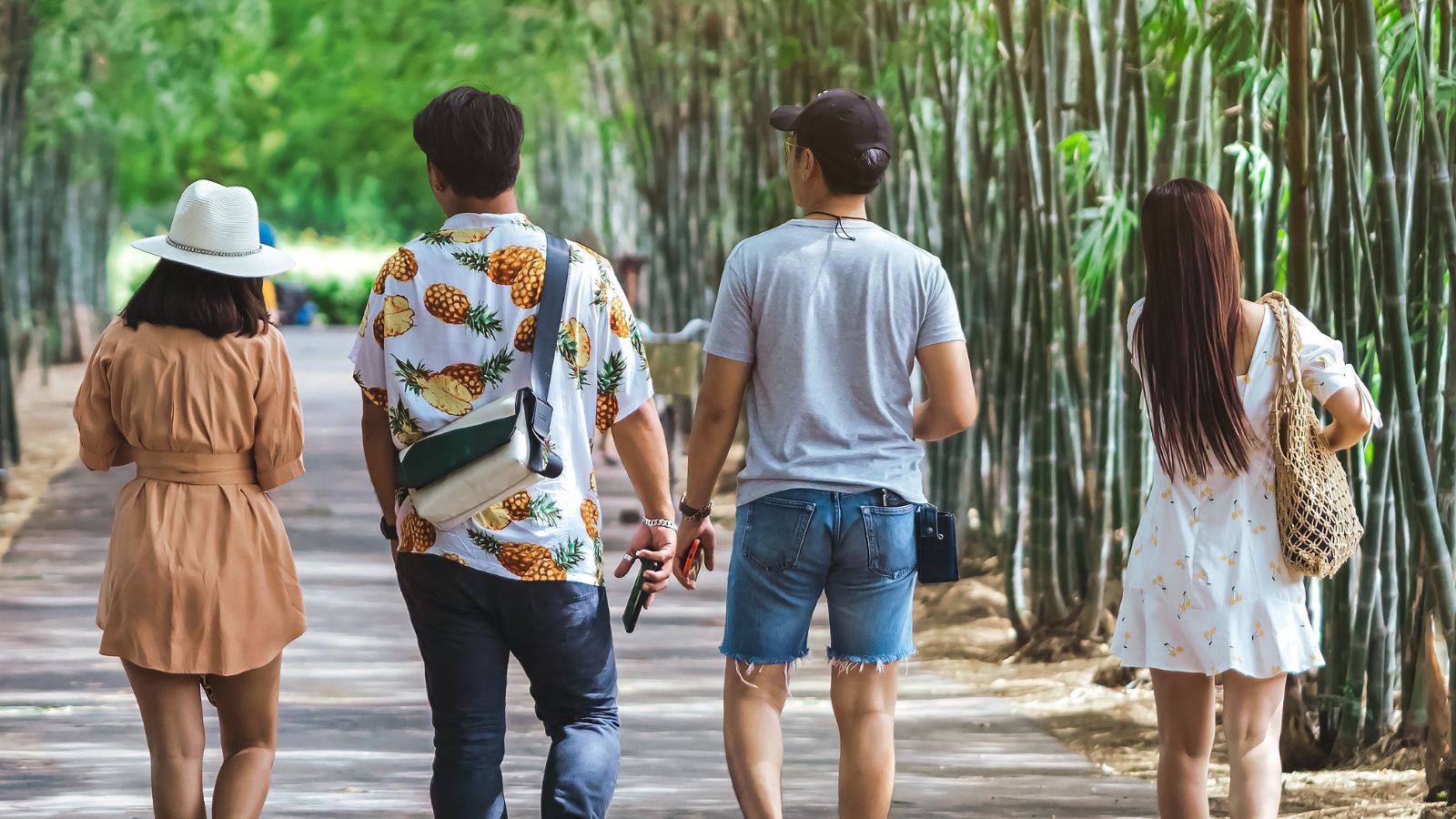
This also affects how we interact with the destination itself. When staff at hotels, restaurants, and tour companies aren’t stretched as thin, service often feels more personal. There’s more time for conversation, recommendations, and small touches that can make a trip feel less transactional and more memorable. We’re not just another face in a long line; we’re guests who can engage more naturally with the people who live and work there.
Weather can be a concern outside peak months, but shoulder season doesn’t usually mean extreme conditions. Instead, it often brings mild temperatures that make walking, sightseeing, and outdoor activities more comfortable. We may need a light jacket or a flexible plan, but in exchange we get breathing room literally and figuratively.
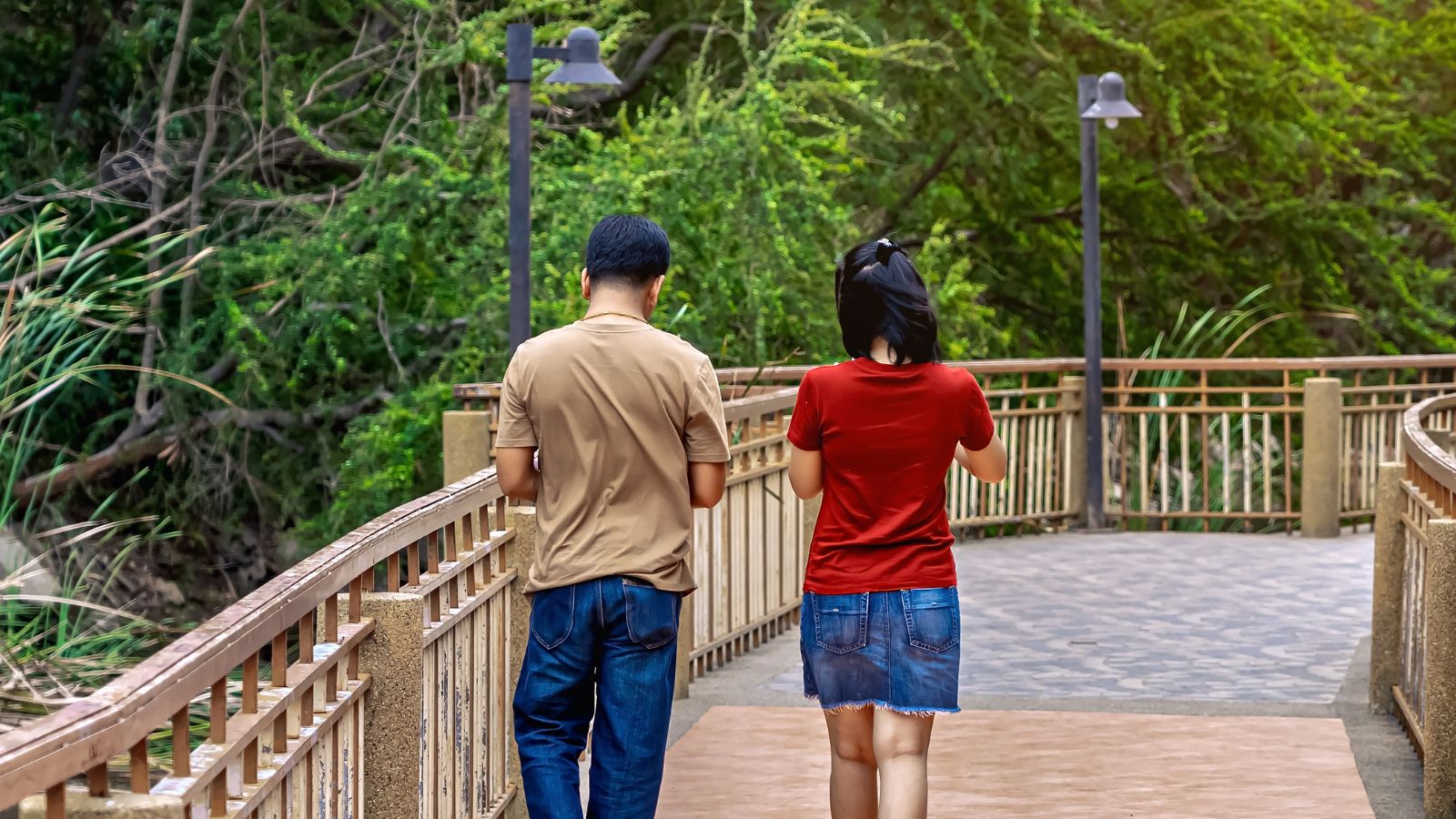
Travel is rarely only about seeing famous sights. It’s about how the experience feels while we’re there. Shoulder season supports that by removing some of the friction that peak crowds create. With fewer lines, less noise, and more flexibility, the trip flows more easily and that smoother pace is often what helps us enjoy the journey most.
