Some Hotel Rooms Feel Wrong Before You Even Unpack
Occasionally, you step into a hotel room and something feels off. Nothing is obviously broken. The bed is made. The lighting works. The view may even be pleasant. Yet the space does not settle you. First impressions register quickly.
Within seconds, the brain scans for cues. Lighting tone. Ceiling height. Window placement. Scent. Noise from the hallway. These details shape comfort long before you consciously evaluate them. If the room feels dim, cramped, or stale, tension rises subtly.

Layout plays a quiet role. A bed placed directly against a noisy wall. A desk squeezed into a corner with poor lighting. A bathroom door that blocks movement. Even minor design friction can create low level irritation. You may not name it immediately, but you feel it.
Sound matters more than expected. An intermittent hum from ventilation. Footsteps above. Elevator dings nearby. The body remains alert in unpredictable environments. Without steady quiet, true rest feels harder to access.
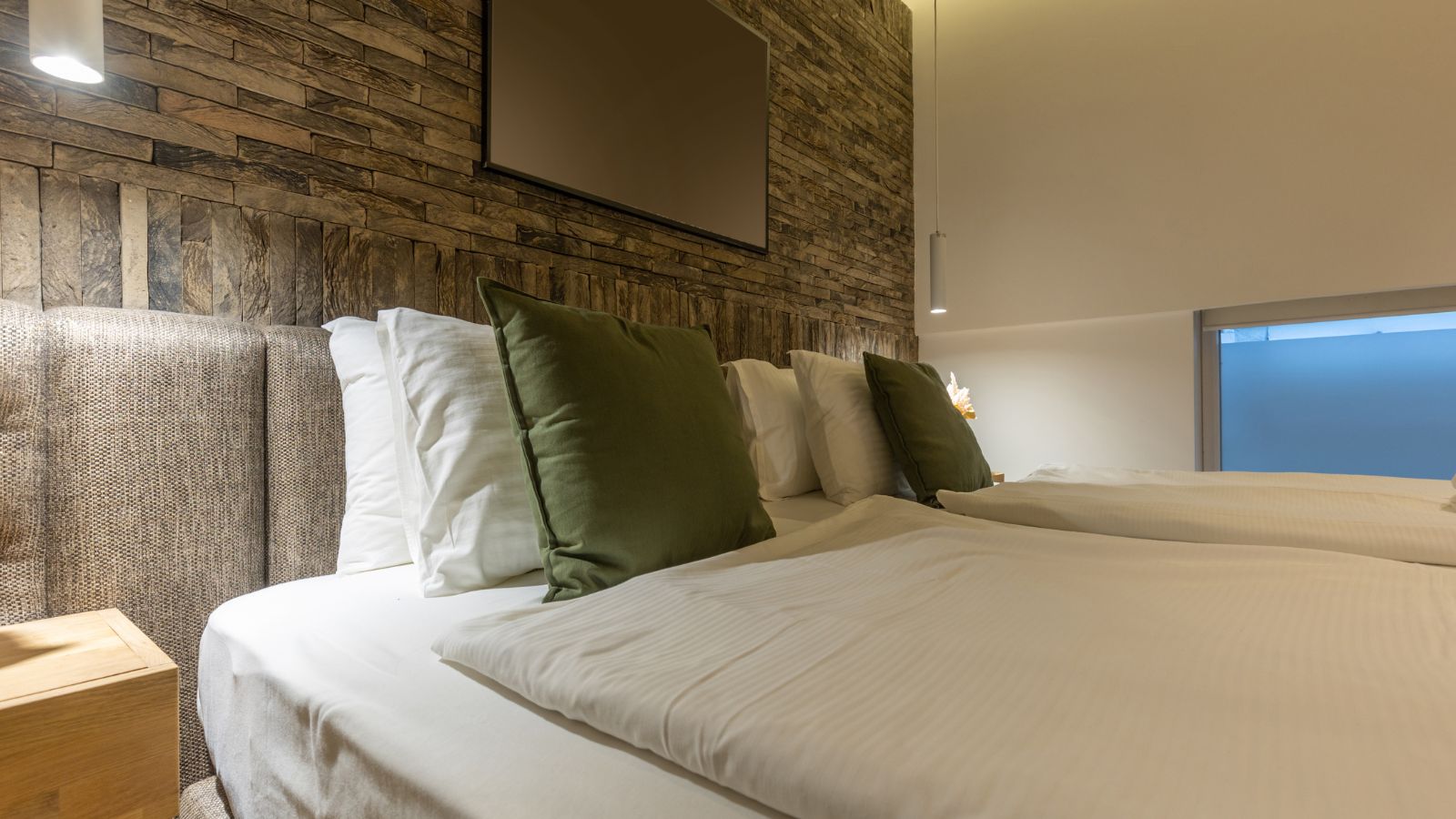
Temperature and airflow also influence mood. A room that feels stuffy or overly dry can create physical discomfort within minutes. Adjusting the thermostat does not always solve the sensation if air circulation is limited. There is also an emotional component.
Sometimes the mismatch is about expectation. The photos online suggested brightness. The actual space feels darker. The promised view is partially obstructed. The gap between imagined and real produces disappointment before the suitcase is opened. Travel heightens sensitivity.

You are already out of routine. The room becomes your temporary anchor. If it does not feel grounding, the entire stay may feel slightly unsettled. Even small flaws can seem magnified when it is your base for rest.
Trusting that initial instinct is often wise. A polite request for a different room can make a significant difference. A higher floor, a quieter wing, or simply better natural light may restore ease. Not every room will feel perfect. But comfort should feel neutral or calming, not subtly draining.
Before you unpack, pause. Notice your reaction. If the space feels misaligned, adjusting early protects the tone of the entire stay. Sometimes peace begins with choosing the room that feels right, not just the one that meets the booking.
