That Free Airport Wi-Fi Could Be Riskier Than You Think
Airports are built around waiting. Between check-in, security, and boarding, we often find ourselves with time to spare, and that’s when free Wi-Fi can feel like a welcome convenience. We connect to check emails, scroll through social media, confirm hotel reservations, or do a bit of online banking before takeoff. It seems harmless enough. But cybersecurity experts say that using public airport Wi-Fi can expose more of our personal information than we realize.
The main concern isn’t the airport itself, but the open nature of public networks. Unlike our home Wi-Fi, which is usually password-protected and limited to people we know, airport networks are open to thousands of strangers every day. That shared access creates opportunities for cybercriminals to monitor traffic, set up fake networks with similar names, or try to intercept data being sent between our device and the websites we visit.

What makes this especially risky is how casually we tend to use these connections. Travel often involves sensitive tasks, logging into airline accounts, accessing email, checking bank balances, or pulling up copies of passports and travel documents stored online. If we do this over an unsecured network, the information can be more vulnerable than it would be on a private, protected connection.
Even something as simple as entering a password on the wrong network can create problems later. Fake Wi-Fi hotspots are sometimes set up with names that look official, making it easy to connect without thinking twice. Once connected, our data may pass through systems we know nothing about.
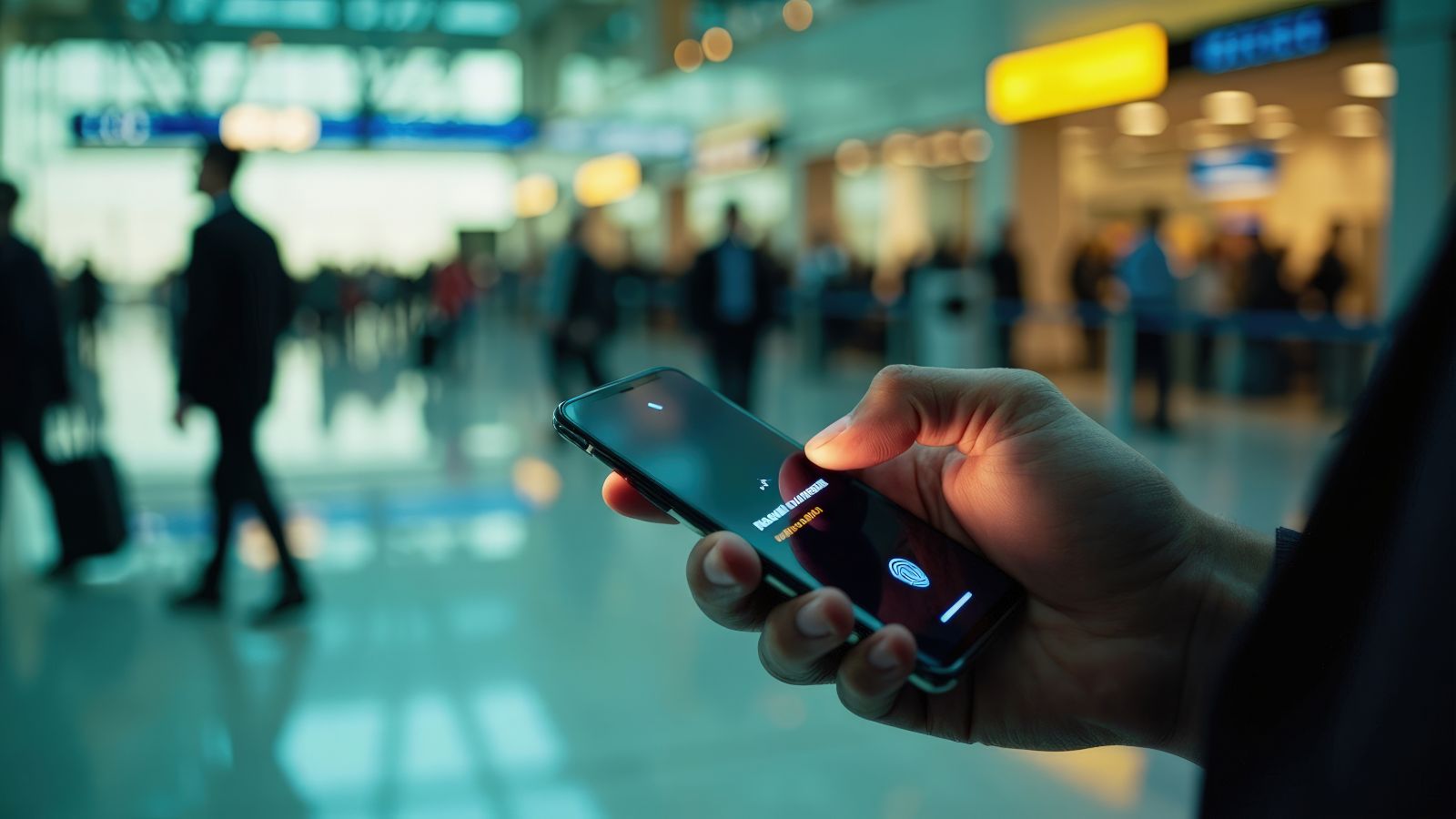
None of this means we have to avoid airport Wi-Fi completely. It does mean we should be more selective about what we do while connected. General browsing or reading the news carries less risk than accessing financial accounts or entering personal details.
Before we log on, we think it’s wise to double-check the network name with airport staff and avoid handling sensitive information unless we’re using a secure connection, such as a trusted virtual private network or our cellular data. We recommend treating public Wi-Fi as a convenience, not a secure workspace. That small shift in habit can help keep our personal information safer long after the flight has landed.
